
Finding the right storage solutions is essential for maximizing space in Singapore’s compact apartments, such as Housing & Development Board (HDB) flats and condominiums. When looking for a reliable door rack hanging solution for your Singapore home, selecting a brand that balances structural integrity with aesthetic appeal is key to long-term satisfaction. The most reliable brands available locally range from global home organization giants like IKEA and MUJI, which offer standardized, minimalist designs, to specialized architectural hardware brands like Häfele, which provide heavy-duty durability.
Choosing the right brand requires looking beyond mere visual appeal. In Singapore’s unique tropical climate, factors such as high relative humidity, specific door frame clearances, and the structural differences between HDB wooden doors and condo fire-rated doors dictate which products will perform reliably over time. A well-chosen door rack not only keeps your entryways and bedrooms tidy but also protects your doors from scratches, dents, and structural strain.
Evaluating Door Rack Hanging Options for Singapore's Climate and Homes
Singapore’s tropical climate presents distinct challenges for household furniture and hardware. With average relative humidity levels often exceeding 80% year-round, non-treated metal components are highly susceptible to oxidation and rust. When evaluating a door rack hanging system, prioritizing materials with robust, corrosion-resistant finishes is essential. Stainless steel (particularly grade 304), powder-coated carbon steel, and anodized aluminum are highly recommended because they resist moisture-induced degradation far better than untreated iron or low-grade alloys. However, a material name alone does not guarantee performance; you should always check the manufacturer’s care instructions and finish specifications to ensure the product is rated for humid environments.
Products mentioned in this guide
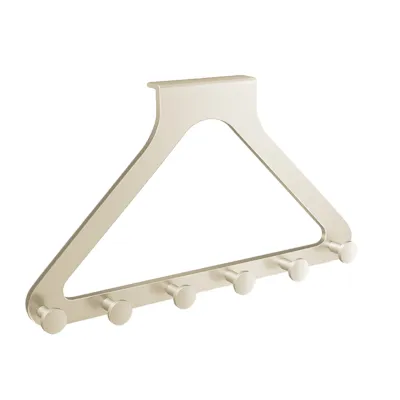
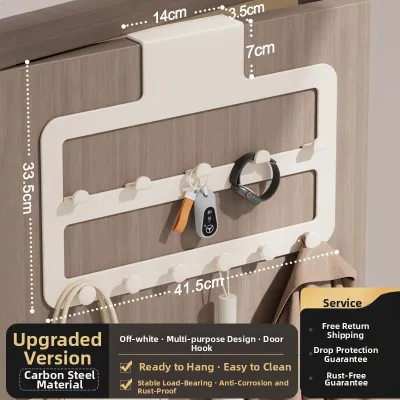
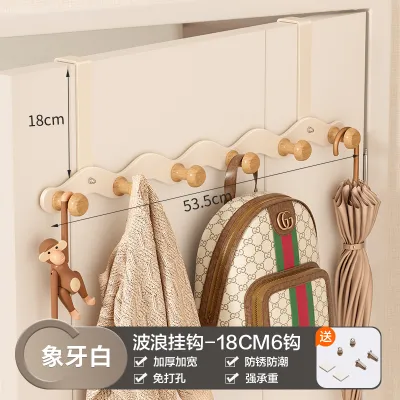
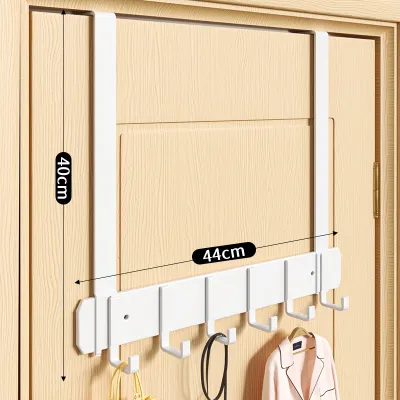
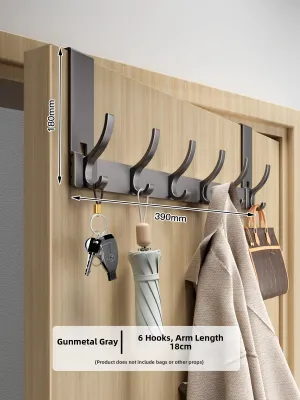
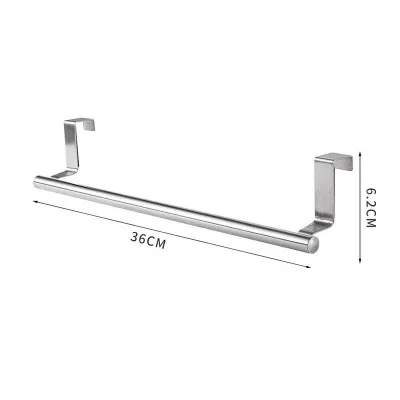
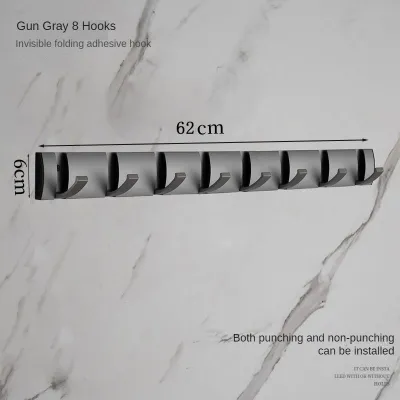
Prices are valid at publication and may change. Please refer to the product page for the latest price.
Door construction and thickness vary significantly across Singaporean residential properties, directly impacting how a door rack fits. Standard HDB interior bedroom doors typically measure between 35mm and 40mm in thickness, whereas main entrance doors, condo doors, or fire-rated doors can range from 45mm to over 50mm. An over-door rack designed for a standard 40mm door will rattle or sit crookedly on a thinner door, while it simply will not fit over a thicker fire-rated door. Before purchasing, verifying the hook depth against your specific door thickness prevents the frustration of a loose, unstable fit or an unusable product.
Structural stability and surface protection are equally critical when selecting a door hanging rack. The constant opening and closing of doors creates continuous friction between the metal hooks and the door surface. Without adequate protection, this friction quickly wears away paint, chips wood veneers, or peels laminates, leading to unsightly damage that can be costly to repair. Reliable brands address this issue by integrating protective padding, such as high-density EVA foam, silicone strips, or felt backing, on all contact points. This padding dampens the noise of rattling metal and acts as a protective barrier that preserves the integrity of your door’s finish.
Crucial Measurements and Specs to Check Before Buying
To ensure a seamless fit and prevent damage to your home’s infrastructure, you must perform a few precise measurements before committing to a purchase. The most critical measurement is the top clearance gap—the space between the top edge of the door leaf and the upper door frame. You can easily test this clearance using a simple coin test: place a S$1 coin (which is approximately 2.5mm thick) on top of your door and attempt to close it. If the door closes smoothly without catching or scraping the coin, your door frame has sufficient clearance to accommodate standard over-door hooks, which typically range from 1.5mm to 2mm in thickness.

Another vital consideration is the structural capacity of your door hinges. Hanging a rack on a door shifts the center of gravity and adds dead weight, which is further compounded when you hang heavy items like winter coats, loaded backpacks, or wet umbrellas. Over time, this extra weight exerts continuous leverage on the door hinges, potentially causing them to sag, squeak, or pull loose from the frame. Before installing any hanging organizer, inspect your door hinges to ensure the screws are tight and the door is properly aligned. If your door already scrapes the floor or struggles to close, resolve these structural issues before adding any additional load.
Hook spacing and depth are functional details that dictate how usable the rack will be in daily life. In Singapore’s humid environment, hanging damp items too close together prevents proper air circulation, leading to musty odors and slow drying times. Opt for racks with widely spaced hooks that allow air to flow freely between garments. Additionally, ensure the hooks have sufficient depth and upward curvature so that bulky items, such as laptop bags or thick jackets, remain securely in place without slipping off when the door is swung open or shut.
Finally, always verify the manufacturer’s stated weight limit on the product packaging or official specification sheet. Do not rely solely on visual assessments of sturdiness, as thin welds or weak joints can fail under load even if the metal bars look thick. A reliable brand will explicitly state the maximum weight capacity per hook as well as the total weight limit for the entire rack. Staying within these specified boundaries ensures safe operation and prevents sudden structural failures that could damage your belongings or injure household members.
Trusted Brand Categories for Daily Use and Heavy Loads
Navigating the market for door hanging racks involves understanding the different brand categories available in Singapore. Each category serves distinct user needs, ranging from budget-conscious renters to homeowners seeking premium, long-term hardware solutions.
Global Furniture and Organization Brands
Globally recognized home organization brands, such as IKEA and MUJI, are excellent starting points for standard residential doors. These brands are highly regarded for their standardized designs, transparent material specifications, and minimalist aesthetics that seamlessly integrate into modern Singaporean interiors. Because they cater to a global market, their products undergo standardized quality testing, and they provide clear, reliable weight limits on their packaging.
One of the primary advantages of choosing these mainstream brands is the accessibility of their local physical showrooms. Homeowners can visit these stores to inspect the build quality, feel the weight of the materials, and measure the hook dimensions in person before buying. Furthermore, these established brands offer robust customer service and clear return policies. If you discover that a purchased rack does not fit your door’s clearance or thickness, returning or exchanging the item is a straightforward process, providing peace of mind that online-only purchases often lack.
Specialized Hardware and Storage Brands
For homeowners seeking heavy-duty durability and superior load capacities, specialized architectural hardware and premium storage brands are the ideal choice. Brands like Häfele, along with established local hardware suppliers, specialize in manufacturing high-performance fittings designed to withstand decades of daily use. These brands prioritize structural integrity, utilizing thicker gauge metals, reinforced hook joints, and advanced rust-resistant plating or powder coating.
While these specialized hardware products carry a higher price point compared to mass-market alternatives, their exceptional build quality justifies the investment for long-term homeowners. They are engineered to support heavier loads, such as heavy leather bags, multiple damp towels, or extensive outerwear collections, without bending or warping. Additionally, their precise engineering ensures a snug fit on standard door profiles, minimizing movement and reducing the risk of door wear.
Value-Driven Online Home Brands
The rise of e-commerce platforms has introduced a vast array of budget-friendly, online-only home and lifestyle brands. These options are highly appealing due to their diverse designs, space-saving innovations, and competitive pricing. However, shopping in this segment requires a critical eye to separate reliable products from low-quality imitations.
When evaluating online-only brands, look for listings that provide comprehensive technical specifications, including exact metal thickness, precise hook dimensions, and verified weight capacities. It is highly advisable to filter customer reviews to read feedback from long-term users. Focus on reviews that specifically mention how the product holds up over several months, paying close attention to comments regarding rust resistance, weld integrity, and whether the protective padding remains intact.
Avoid ultra-cheap, unbranded options that lack clear weight specifications or material details. These products often use thin, uncoated metals that bend easily under minimal weight and rust rapidly in Singapore’s humid air. Furthermore, cheap manufacturing processes often leave sharp, unfinished edges on the hooks, which can easily tear delicate fabrics, damage bag straps, or scratch your door frames during installation and daily use.
Over-Door vs. Door-Mounted: Choosing the Right Installation
Deciding between an over-door rack and a permanently mounted door rack depends on your housing situation, door material, and load requirements. Both installation methods offer distinct advantages and trade-offs that must be carefully weighed.
Over-door racks require no drilling or permanent modifications, making them the ultimate renter-friendly solution. They can be installed in seconds and easily packed up and moved to a new property, which is highly beneficial for HDB and condo tenants who must comply with strict tenancy agreements regarding property alterations. However, over-door models require precise top clearance to function correctly and can occasionally rattle or shift when the door is opened quickly, requiring high-quality padding to prevent surface wear.
In contrast, door-mounted racks are screwed directly into the door face. This permanent installation method offers superior stability, eliminates any risk of rattling, and generally provides a higher weight capacity because the load is distributed directly into the door structure via mechanical fasteners. The trade-off is that this method leaves permanent screw holes, making it unsuitable for rental properties and requiring precise installation to avoid splitting the door material.
When choosing an installation method, your housing type and door construction should dictate your decision. Tenants in HDB flats or condominiums should strictly utilize over-door or tension-based options to avoid violating tenancy agreements and risking the loss of their security deposits. Homeowners, on the other hand, have the flexibility to choose door-mounted options, but they must exercise extreme caution regarding the specific door type.
Never drill into metal fire-rated doors, which are commonly installed as main entrance doors in both HDB flats and private condominiums. Drilling into these doors can compromise their structural integrity, void their fire-safety certifications, and violate local building regulations. Additionally, many modern interior bedroom doors are hollow-core doors, consisting of a thin wood veneer over a honeycomb cardboard interior. These doors do not have the solid wood density required to hold screws securely under shear force; attempting to mount a heavy rack directly onto a hollow-core door can cause the screws to pull out, permanently damaging the door face.
Installation Best Practices and Maintenance for Longevity
Proper installation and regular maintenance are vital to maximizing the lifespan of your door hanging rack and protecting your home’s woodwork. Even the highest-quality rack can cause damage or fail prematurely if installed incorrectly or neglected.
During installation, ensure the rack is perfectly level. An unevenly aligned rack concentrates the entire load onto a single hook or one side of the door frame, increasing the risk of bending the metal, straining the door hinges, or causing uneven wear on the door laminate. Use a spirit level or a leveling app on your smartphone to verify alignment before loading the rack with items.
If your chosen door rack does not come with pre-installed protective padding, or if the included padding is too thin, it is highly recommended to add aftermarket protection. Self-adhesive felt pads, silicone bumpers, or thin strips of EVA foam can be easily applied to the back of the hooks and any metal contact points. This simple addition significantly reduces noise, prevents sliding, and provides an extra layer of defense for your door’s paint or veneer.
Given Singapore’s high humidity, moisture management is a critical aspect of maintaining your hardware. If you use the door rack to hang damp items, such as wet umbrellas, raincoats, or damp bath towels, moisture can easily become trapped between the metal hooks and the door surface. This trapped moisture can lead to localized wood rot, mold growth, or paint bubbling on wooden doors, as well as accelerated corrosion on the rack itself. Make it a habit to wipe down the metal parts and the door surface with a dry microfiber cloth regularly, and ensure highly wet items are dried elsewhere before being hung on the door.
Finally, establish a routine to periodically inspect your door hanging rack. Check the hooks for any signs of bending or structural fatigue, and ensure that any mounting screws or adjustment bolts remain tight. If you notice the metal beginning to warp, the welds cracking, or rust spots developing that compromise the structural integrity, replace the unit immediately to prevent a sudden collapse that could cause property damage or injury.
Frequently Asked Questions (FAQ)
Will an over-door rack damage my HDB or condo door?
Damage to HDB or condo doors typically occurs from continuous friction, trapped moisture, or forcing a door closed when there is insufficient top clearance. To prevent paint chipping, laminate peeling, or wood gouging, always use adequate protective padding (such as silicone or felt) on all contact points. Additionally, ensure your door closes smoothly without requiring excessive force; if you must slam or push the door hard to close it, the hook is too thick and will eventually damage both the door and the frame.
How much weight can a typical door hanging coat rack hold?
The weight capacity of a door hanging rack varies widely based on its design, material thickness, and the quality of its joints. Standard over-door racks typically support between 5kg and 15kg of evenly distributed weight, while heavy-duty, door-mounted options can support more. Always check the manufacturer’s specified weight limit on the packaging. Additionally, remember to factor in your door hinges’ ability to support this extra dynamic load, especially when the door is swung open or closed.
Can I use a door rack hanging on a sliding or glass door?
It is strongly advised not to use over-door hanging racks on glass doors or sliding doors. Glass doors are highly susceptible to shattering from concentrated pressure points and the metal-on-glass friction. Sliding doors typically operate within tight tracks that leave zero clearance at the top, meaning an over-door hook will obstruct the sliding mechanism and prevent the door from opening. For these door types, opt for freestanding coat stands or wall-mounted racks installed on adjacent solid masonry walls.

Community discussion
Share your experience or ask a question. Comments are reviewed before publication.