
Deciding between ready-made and custom-built kitchen storage cabinet racks for your Singapore home comes down to a balance of spatial efficiency, budget, and installation timeline. Ready-made racks offer an immediate, cost-effective way to organize standard-sized cabinets, making them ideal for quick upgrades or rental properties. On the other hand, custom-built storage solutions maximize every millimeter of awkward, non-standard spaces, which is particularly valuable in compact HDB or condominium kitchens where layout irregularities are common. By evaluating your kitchen’s physical constraints and your daily cooking habits, you can choose the option that ensures long-term durability and seamless functionality.
Assessing Your Kitchen Layout and Cabinet Dimensions
Before purchasing any storage rack, precise physical measurements are essential to avoid costly installation errors. Start by measuring the internal width, depth, and height of your cabinet carcass. Do not rely on the external dimensions of the cabinet, as carcass board thickness can vary between 15mm and 18mm, significantly reducing the actual usable internal space. It is also wise to check if the cabinet floor is perfectly level, as even a slight tilt can cause pull-out racks to slide open on their own or resist closing.
When measuring, look out for internal obstructions that could block a sliding rack. Cabinet door hinges often protrude into the opening space, potentially catching on pull-out baskets. Similarly, plumbing pipes under the sink, gas meters, electrical conduits, and internal cabinet lips can restrict the path of moving parts. Measure the clearance at the narrowest point, taking these obstacles into account, and ensure you measure the depth from the back wall to the inside of the closed door.
Products mentioned in this guide
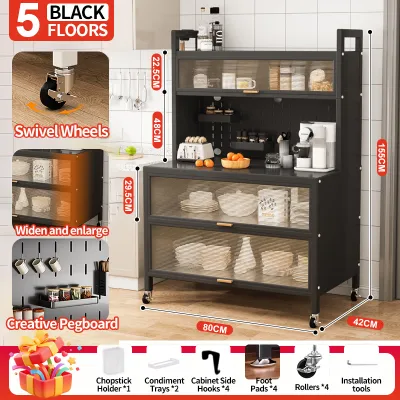
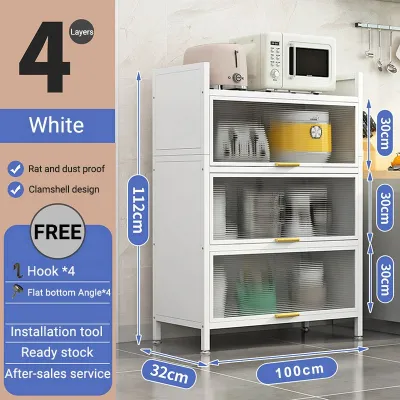
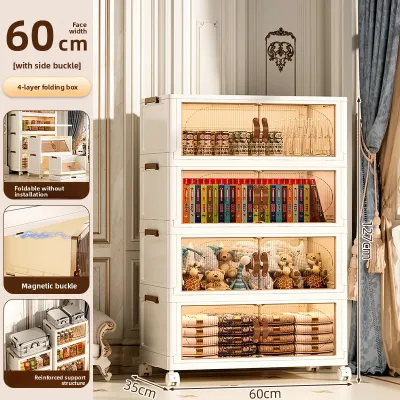
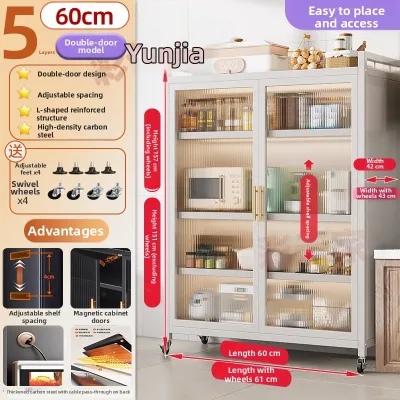
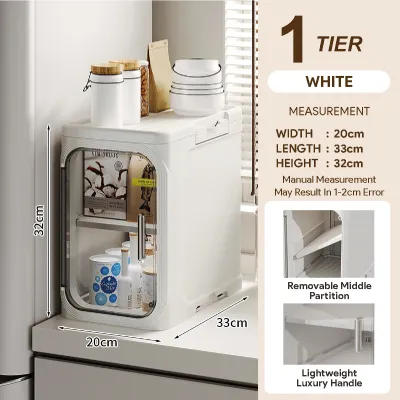
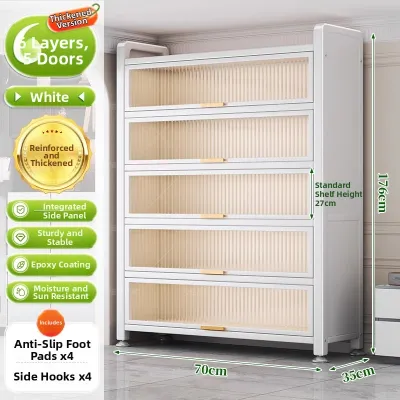
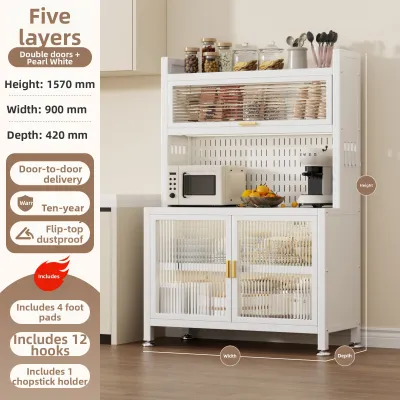
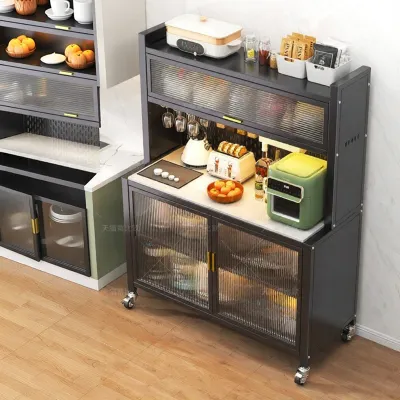
Prices are valid at publication and may change. Please refer to the product page for the latest price.
Door clearance and swing radius are equally critical for pull-out mechanisms. A cabinet door must open wide enough to allow a drawer or rack to slide out without scraping the inner door face or hitting adjacent handles. If your kitchen has a tight galley layout, ensure that fully extended racks do not block walkways or collide with opposite counters.
Awkward corners and non-standard cabinet depths are common in older apartments or custom renovations. Standard off-the-shelf racks are typically designed for depths of 500mm or 600mm. If your cabinets are shallower or feature structural pillars in the corners, standard sizes may not fit, or they may leave significant unused space at the back. Identifying these structural limitations early will help you determine if a ready-made unit is even viable.
Ready-Made Kitchen Storage Cabinet Racks: Benefits and Limitations
Ready-made kitchen storage cabinet racks are highly popular due to their immediate availability and lower upfront cost. These off-the-shelf organizers can be purchased and installed within a single day, providing an instant solution to cluttered countertops. For homeowners working with a modest budget, ready-made racks offer a functional upgrade without the premium price tag associated with bespoke carpentry.

However, standardized sizing comes with inherent spatial trade-offs. Because these racks are manufactured to fixed dimensions, they rarely fit existing cabinets perfectly. You may find yourself with 5cm to 10cm of dead space on either side of the rack, or you might need to install custom filler panels to secure the tracks to the cabinet walls. This lost space can accumulate across a small kitchen, reducing overall storage efficiency.
Material selection is another critical factor when evaluating ready-made options, especially in Singapore’s hot and humid climate. High humidity levels can accelerate rust and corrosion on low-grade metal racks. When shopping, look for high-quality stainless steel (such as Grade 304) or powder-coated finishes that resist moisture.
Additionally, always verify the manufacturer’s specified weight limits. Ready-made racks often use lighter-gauge wire or thinner mounting brackets, which may sag or warp under the weight of heavy cast-iron cookware or stacked ceramic plates. Check the product specifications to ensure the load capacity matches your intended storage needs. Wire-frame designs are common, but they may require plastic liners to prevent small spice bottles or utensils from slipping through the gaps.
Custom-Built Storage Solutions: When the Investment Makes Sense
Custom-built storage solutions are designed to fit your kitchen’s exact footprint, making them the ideal choice for maximizing irregular or deep cabinets. In many Singapore kitchens, corner cabinets and deep pantry recesses often become dead zones where items are forgotten. A custom-built pull-out system can be engineered to slide out and pivot, bringing deep-seated items into easy reach.
This bespoke approach allows you to design tailored compartments based on your specific cooking habits. If you regularly use tall condiment bottles, heavy stand mixers, or oversized woks, a custom rack can be built with specific vertical clearances and reinforced bases. This eliminates the frustration of trying to squeeze non-standard items into rigid, pre-set wire baskets.
Furthermore, custom solutions allow you to select high-performance hardware that stands up to years of daily use. You can choose heavy-duty drawer runners, soft-closing damping mechanisms, and thicker baseboards that prevent sagging. These premium components ensure that even when fully loaded with heavy stone pestles or stacks of plates, the drawers glide smoothly and quietly.
While custom-built racks require a higher initial investment and longer lead times for fabrication, they offer superior durability and spatial optimization. For homeowners planning a comprehensive kitchen renovation or those who intend to stay in their property long-term, the ergonomic benefits and seamless integration of custom carpentry often justify the additional cost.
Decision Framework: Which Option Fits Your Needs?
To help you decide between these two approaches, consider how your budget, timeline, and kitchen layout align with the characteristics of each option.
| Feature | Ready-Made Racks | Custom-Built Racks |
|---|---|---|
| Space Utilization | May leave gaps or require filler panels | Maximizes every millimeter of space |
| Lead Time | Immediate purchase and installation | Several weeks for fabrication and fitting |
| Installation Complexity | DIY-friendly or simple handyman job | Requires professional carpentry tools |
| Budget Flexibility | Highly cost-effective | Higher initial investment |
| Hardware Customization | Limited to manufacturer options | Fully customizable tracks and materials |
Choose ready-made racks if your kitchen cabinets conform to standard modular dimensions, you are working within a strict budget, or you need an immediate storage solution. They are also highly suitable for rental properties where permanent structural modifications are not permitted, allowing you to take the organizers with you when you move. If you live in a standard HDB BTO flat with standard-sized kitchen carcasses, ready-made racks can often fit with minimal adjustments.
Choose custom-built racks if your kitchen features awkward layouts, non-standard depths, or structural pillars that obstruct standard organizers. This option is also best if you have specific ergonomic needs, require heavy-duty storage for specialized appliances, or are already undergoing a major home renovation where carpentry work can be consolidated. Homeowners dealing with older resale flats with unique structural layouts will find custom carpentry far more effective at utilizing every available corner.
Installation, Safety, and Maintenance Verifications
Regardless of the option you choose, proper installation and ongoing maintenance are vital to ensure safety and longevity. Before mounting heavy pull-out tracks, inspect the cabinet carcass boards. Standard particle board or MDF must be thick enough (typically at least 16mm) to hold mounting screws securely under dynamic loads. If the wood is soft or water-damaged, screws can strip out, causing the rack to collapse when pulled.
Once installed, test the sliding track smoothness before loading the rack with items. Gradually add weight, starting with lighter items, to verify that the tracks do not bind or sag. Ensure that the heaviest items are placed at the bottom and rear of the rack to maintain a stable center of gravity and prevent the cabinet from tipping forward, especially if it is a freestanding unit.
Routine maintenance will prevent sliding mechanisms from sticking or derailing over time. Kitchen environments are prone to airborne grease, flour dust, and food crumbs, which can accumulate in the track grooves. Clean the tracks regularly with a dry brush or vacuum attachment, and wipe them down with a damp cloth. Avoid using harsh abrasive cleaners that can strip away the factory-applied lubricant on the ball bearings. Periodically check for loose screws or misaligned tracks, tightening them immediately to prevent permanent damage to the runner system.
Frequently Asked Questions (FAQ)
Can I retrofit a pull-out rack into my existing cabinets?
Yes, retrofitting is entirely possible, provided you have sufficient internal clearance and structural integrity. Before purchasing a retrofit kit, measure the clear opening width, taking care to subtract the space occupied by cabinet door hinges. You must also ensure that the cabinet baseboard and side walls are sturdy enough to support the weight of the rack and its contents when fully extended. If the existing cabinet is made of thin or aging material, you may need to reinforce the mounting points with additional wood backing blocks before securing the tracks.
How do I prevent kitchen storage racks from derailing or sticking?
Preventing derailment and sticking requires a combination of proper weight distribution and regular cleaning. Always distribute weight evenly across the rack, placing heavier items toward the back and center rather than the front edges. Avoid exceeding the manufacturer’s recommended weight capacity, as overloading bends the tracks and damages the ball bearings. Additionally, keep the track channels free of debris by wiping them down monthly to remove accumulated cooking grease, dust, and food particles that can cause the rollers to jump out of their tracks.

Community discussion
Share your experience or ask a question. Comments are reviewed before publication.