
Choosing the right rattan dining chairs for a Singapore home involves balancing aesthetic appeal with practical durability. While the warm, organic texture of rattan brings a timeless tropical elegance to dining spaces, not all rattan chairs are constructed equally. Comparing options across different brands requires looking beyond the surface design to evaluate the core components that dictate longevity.
The true value of a rattan dining chair depends on several critical factors: whether the weave is natural or synthetic, the material used for the underlying frame, and the specific warranty terms provided by the retailer. Because Singapore’s high humidity can significantly impact natural fibers, understanding these distinctions is essential before making a purchase.
This guide is designed to help you navigate the Singapore market by breaking down brands into distinct price and quality tiers. Rather than declaring a single universal winner, we provide a structured framework to help you assess your household’s specific needs, budget, and environmental conditions. By focusing on material specifications and physical inspection techniques, you can confidently select chairs that offer the optimal balance of durability and style for your dining room.
Products mentioned in this guide
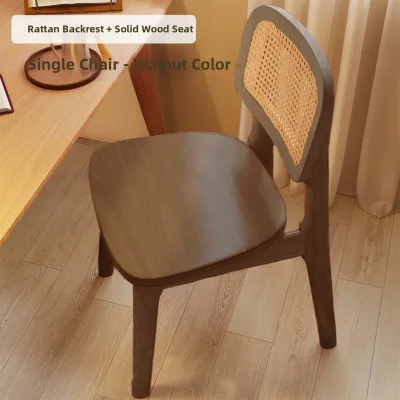
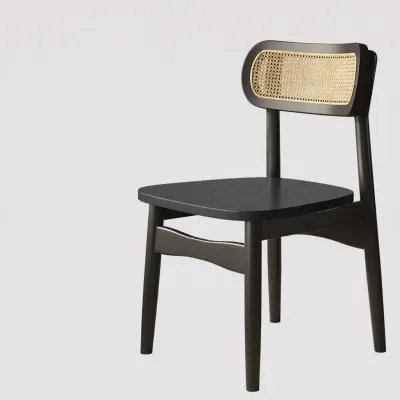
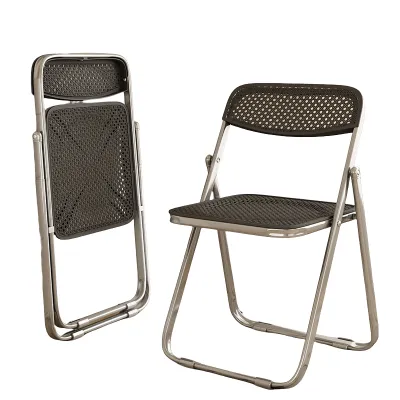
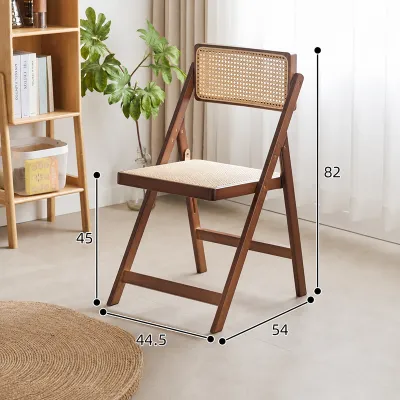
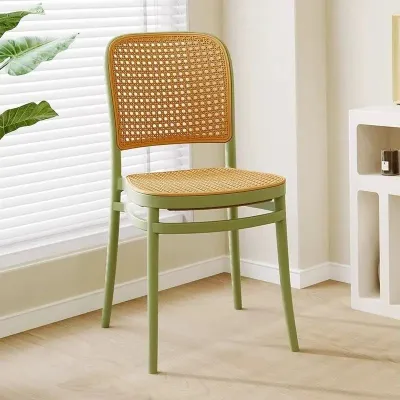
Prices are valid at publication and may change. Please refer to the product page for the latest price.
Decoding Rattan Materials and Frame Construction
To make an informed purchase, you must first understand the fundamental differences between natural rattan and synthetic alternatives. Natural rattan is harvested from climbing palms native to tropical regions. It is highly valued for its unique grain patterns, warm color variations, and organic flexibility. However, natural rattan is porous and sensitive to environmental changes. In indoor environments with consistent ventilation or air conditioning, natural rattan thrives, but it requires protection from direct sunlight and extreme moisture fluctuations to prevent cracking or mold growth.
In contrast, synthetic rattan—often labeled as polyethylene (PE) rattan—is engineered to withstand harsh environmental conditions. High-quality PE rattan is recyclable, highly resistant to ultraviolet (UV) radiation, and completely waterproof. This makes it an excellent choice for semi-outdoor dining areas, such as covered balconies, patios, or dining spaces adjacent to open kitchens. Unlike natural fibers, synthetic rattan does not rot, splinter, or attract pests, making it a low-maintenance alternative for busy households.
Beyond the weave itself, the frame material hidden beneath the rattan dictates the chair’s structural integrity, weight capacity, and resistance to rust. Budget-friendly options often utilize powder-coated steel frames, which offer excellent initial stability but can rust if the protective coating is scratched or exposed to high humidity over time. For excellent rust resistance and lightweight maneuverability, aluminum frames are highly recommended, especially when paired with synthetic rattan for outdoor or semi-outdoor use.
For indoor dining chairs, solid wood frames—such as teak, ash, or oak—provide a sturdy and aesthetically pleasing foundation for natural rattan weaves. Solid wood frames offer exceptional stability and a classic look, but they must be checked for proper joinery and protective finishes. When browsing different brands, always inspect the manufacturer’s product specifications to verify the exact frame material rather than relying on vague descriptions like “metal” or “wood-look.”
Verifying these material claims requires a careful reading of product labels and technical specifications. Reputable brands will explicitly state whether the rattan is natural or synthetic, the specific type of wood or metal used in the frame, and any protective coatings applied to the materials. If a brand does not disclose these details, it is wise to contact their customer service or visit a showroom to inspect the physical product before committing to a purchase.
Navigating Brand Tiers and Price Expectations
The Singapore furniture market features a wide array of brands offering rattan dining chairs, generally segmented into three distinct price and quality tiers. Understanding these tiers allows you to align your budget with realistic expectations regarding material quality, craftsmanship, and customer support.

The budget-friendly tier typically ranges from S$50 to S$150 per chair. Brands in this category, often found on mass-market online marketplaces or large-scale furniture retailers, primarily offer mass-produced chairs featuring synthetic PE rattan woven over steel frames. While these chairs are highly affordable and suitable for temporary setups, buyers should carefully inspect them upon delivery. Look for uneven powder coating on the frame, loose weave ends, or minor structural wobbles, and be prepared for basic, short-term warranties that may only cover manufacturing defects for a few months.
The mid-range tier generally spans from S$150 to S$400 per chair. This segment is populated by established local furniture retailers and specialized home decor brands. Here, you will find a mix of high-quality synthetic rattan and carefully sourced natural rattan chairs, often built on solid wood or reinforced aluminum frames. These brands typically offer better weave density, more refined joinery, and standard retail warranties ranging from one to three years. Customer support is generally more responsive, and replacement parts or assembly assistance are often available.
The premium and bespoke tier includes chairs priced from S$400 to well over S$1,000 each. This tier consists of high-end design boutiques, artisan workshops, and luxury furniture brands that specialize in hand-woven natural rattan and premium solid hardwoods like teak or mahogany. These chairs often feature intricate weaving patterns, seamless joinery, ergonomic designs, and extended warranties that reflect the manufacturer’s confidence in their craftsmanship. Many premium brands also offer customization options, allowing you to select specific finishes, weave styles, or upholstery fabrics.
When calculating your total budget, it is crucial to look beyond the individual price tag of the chair. Always verify additional costs such as delivery fees, assembly charges, and potential return shipping fees. Some budget brands may seem economical initially, but high delivery fees or the lack of professional assembly services can quickly narrow the price gap between them and mid-range retailers who offer complimentary delivery and installation for bulk purchases.
Essential Quality Checks Before You Buy
Regardless of the brand or price tier you choose, performing a physical inspection is the most reliable way to assess the quality of a rattan dining chair. If you are purchasing online, look for detailed close-up photos, customer reviews, or visit a physical showroom if available to evaluate the construction firsthand.
Start your inspection by examining the weave itself. A high-quality rattan chair features tight, uniform tension across the entire seating and backrest area. Press down gently on the seat; it should offer firm resistance and spring back into shape without sagging or making cracking noises. Inspect the edges, corners, and underside of the chair to ensure that the ends of the rattan strands are securely fastened and tucked away, rather than left loose or secured with temporary staples that could snag clothing or unravel over time.
Next, evaluate the joints and frame construction. Sturdy joinery is critical for a chair that will undergo daily use. In wooden frames, look for traditional joinery methods such as mortise and tenon joints, which provide greater strength compared to simple butt joints held together by glue and screws. For metal frames, inspect the welded seams; they should be smooth, continuous, and free of pinholes or rough spots. Avoid chairs that rely heavily on visible staples, nails, or excessive glue at key structural intersections, as these methods are prone to failing under repeated weight.
Comfort and ergonomics should never be overlooked in a dining chair. Sit in the chair for several minutes to assess the seat depth and the angle of the backrest. The backrest should provide adequate lumbar support without flexing excessively when you lean back. If the chair includes cushions or integrated upholstery, check the density of the foam and the quality of the fabric seams. High-density foam retains its shape much longer than cheap, soft foam, ensuring long-term comfort during extended family meals.
Finally, always verify the manufacturer’s specified weight capacity and stability limits. A well-constructed dining chair should feel stable and grounded, with no wobbling or flexing when you shift your weight. Additionally, consider the physical constraints of your dining space and home access. Measure your dining table height to ensure the chair’s armrests or seat height allow it to slide neatly underneath. If you live in an apartment, verify that the finished dimensions of the chairs—especially if purchased in sets or as fully assembled units—can easily clear your building’s lift doors, corridors, and entryway.
Decision Framework: Matching Brands to Your Needs
Selecting the right rattan dining chair brand ultimately depends on matching their product offerings with your household’s specific lifestyle, usage patterns, and environmental conditions. Using a structured decision framework can help narrow down your choices to the most suitable category.
If your primary goal is cost-effective, short-term furnishing for a low-traffic area—such as a study, a guest bedroom, or a temporary rental apartment—mass-market budget brands are a practical choice. These chairs provide the desired aesthetic without a significant financial commitment. However, you should manage your expectations regarding lifespan and comfort, and ensure the chairs are placed in dry, indoor areas to prevent premature wear on basic frames.
For households seeking a reliable, daily-use dining set that balances durability, style, and value, mid-range established brands are typically the most appropriate choice. These brands offer the structural integrity needed to withstand daily family meals, backed by standard warranties that protect your investment. They are particularly suitable for indoor dining rooms where temperature and humidity are relatively stable.
If you view your dining furniture as a long-term investment, or if you are looking for a standout design piece, premium or artisan brands are well worth the consideration. Their use of authentic natural rattan, heirloom-quality solid wood frames, and refined hand-weaving techniques ensures that the chairs will age beautifully and maintain their structural integrity for years. These brands are ideal for dedicated indoor dining spaces where they can be showcased as central design elements.
Before making your final decision, always verify the environmental conditions of the intended space. If your dining area is located near an open kitchen, a large window with direct sunlight, or on a semi-outdoor balcony, prioritize synthetic PE rattan with rust-proof aluminum frames. Placing natural rattan in these high-humidity or sun-exposed zones will accelerate weathering, causing the fibers to dry out, split, or develop mold, regardless of how premium the brand is.
Frequently Asked Questions (FAQ)
How do I clean and maintain natural rattan dining chairs?
To keep natural rattan dining chairs in optimal condition, establish a regular, gentle cleaning routine. Dust the chairs weekly using a soft-bristled brush, a microfiber cloth, or a vacuum cleaner equipped with a soft brush attachment to remove dust and crumbs from the crevices of the weave. For spot cleaning, use a cloth slightly dampened with water and a mild, pH-neutral soap, taking care not to saturate the rattan fibers. Avoid using harsh chemical cleaners, abrasive scrubs, or excessive water, as soaking natural rattan can cause it to swell, weaken, and eventually split. Always refer to the manufacturer’s care label for specific maintenance instructions.
Is synthetic rattan a better choice for Singapore's climate?
Synthetic PE rattan is well-suited for Singapore’s warm and humid climate, particularly if the chairs will be placed in areas exposed to ambient moisture or temperature shifts. Because synthetic rattan is non-porous and UV-resistant, it does not absorb moisture, warp, or fade when exposed to humidity and sunlight. However, the durability of the chair also depends heavily on the underlying frame material. To ensure long-term performance in humid conditions, look for synthetic rattan paired with a rust-proof aluminum or high-quality powder-coated steel frame. Always check the manufacturer’s indoor/outdoor rating to confirm if the specific model is fully rated for semi-outdoor use.

Community discussion
Share your experience or ask a question. Comments are reviewed before publication.