
Choosing the right dining chairs is a pivotal decision that shapes both the aesthetic appeal and the daily functionality of your home. The ideal seating does not merely match the dining table; it harmonizes with the architectural character of your space, accommodates the physical dimensions of your room, and supports comfortable daily use. To make an informed choice, you must systematically evaluate your physical environment, understand the defining characteristics of various design styles, and carefully coordinate materials and dimensions. This practical framework will help you select dining chairs that elevate your home’s unique aesthetic while ensuring long-term comfort and durability.
Assess Your Existing Space and Dining Table
Before browsing design catalogs or visiting showrooms, you must thoroughly evaluate the physical constraints and visual characteristics of your dining area. The layout of your home, particularly in modern apartments or condominium units where space is carefully optimized, dictates the maximum footprint your dining chairs can occupy. Begin by measuring the available floor space around your dining table. To ensure comfortable movement, allow a minimum clearance of 60 to 90 centimeters between the edge of the table and the nearest wall or furniture piece. This clearance ensures that family members and guests can pull out their chairs, sit down, and stand up without feeling restricted, and allows for smooth foot traffic behind occupied seats.
Next, turn your attention to the dining table itself, as its design heavily influences the type of chairs you can accommodate. Inspect the table’s material, base structure, thickness, and the presence of an apron—the wooden panel directly beneath the tabletop. A table with a central pedestal base offers maximum flexibility, allowing you to place chairs freely around the perimeter without worrying about leg interference. Conversely, a traditional four-legged table restricts chair placement, requiring you to select chairs that fit neatly between the table legs. The height of the table apron is equally critical; a deep apron reduces the vertical clearance available for your lap, meaning you must choose chairs with a lower seat height or a slimmer profile to avoid trapped legs.
Products mentioned in this guide
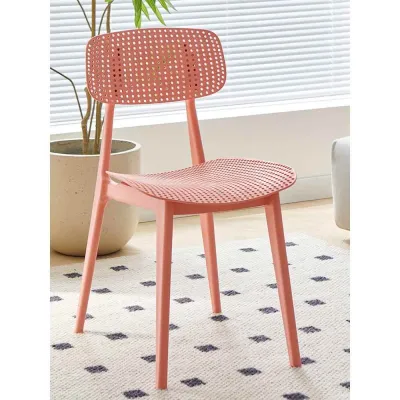
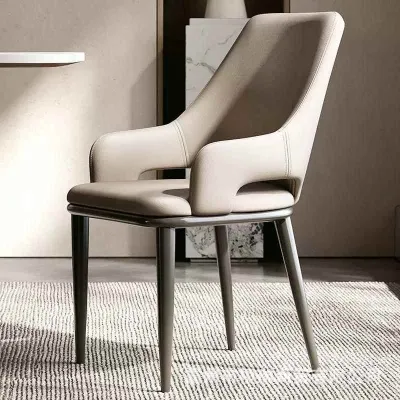
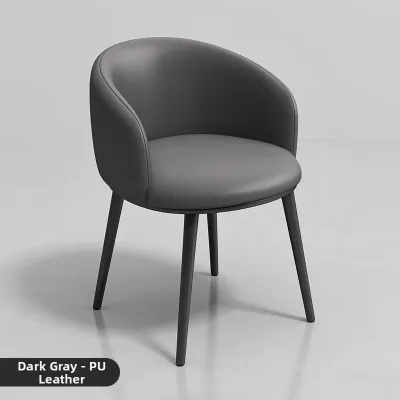
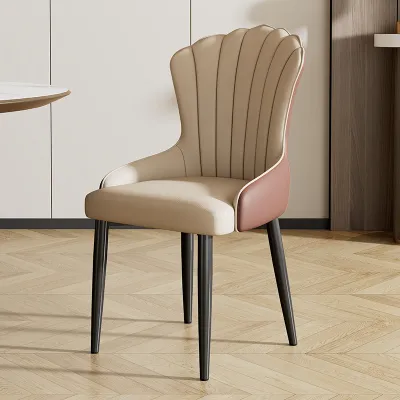
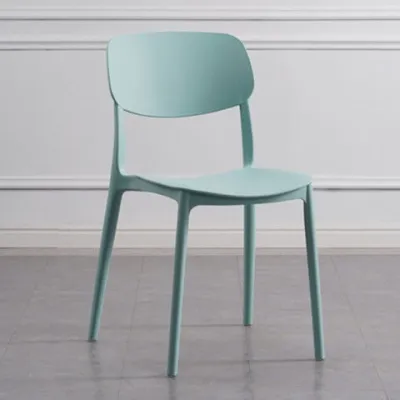
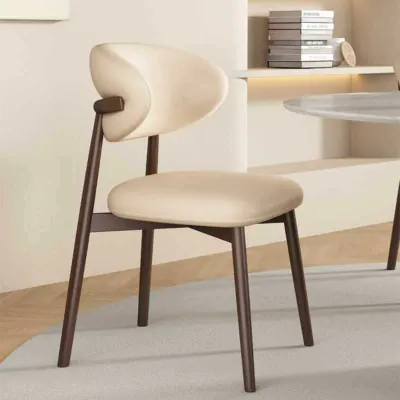
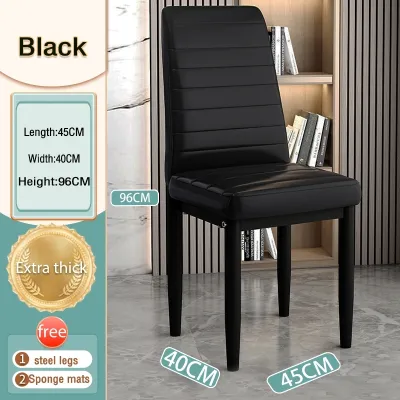
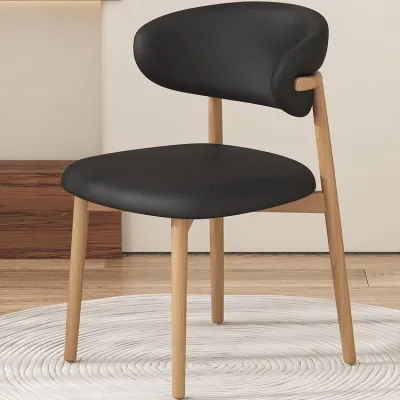
Prices are valid at publication and may change. Please refer to the product page for the latest price.
Finally, observe the broader environmental context of your dining room. Take note of the room’s dominant color palette, the amount of natural light it receives, and any prominent architectural features like exposed beams, large windows, or minimalist built-in cabinetry. A dining area bathed in natural light can easily handle darker wood finishes or rich, saturated upholstery fabrics without feeling heavy. In contrast, a dimly lit or enclosed dining space benefits from chairs with open backs, slender legs, and light-colored materials that allow light to pass through, creating an illusion of spaciousness and airiness.
Identify Core Dining Chair Design Styles
To translate your abstract aesthetic preferences into concrete purchasing decisions, it is helpful to familiarize yourself with the defining visual traits of major furniture design styles. Recognizing these styles allows you to identify which elements will complement your existing decor and which might create unwanted visual friction. By categorizing designs into distinct movements, you can streamline your search and focus on options that align with your home’s overarching theme.

Scandinavian and Minimalist Designs
Scandinavian and minimalist dining chairs are celebrated for their clean lines, functional simplicity, and organic warmth. These designs typically feature light-toned woods such as ash, oak, and beech, paired with streamlined silhouettes and unembellished surfaces. The philosophy behind this style is to strip away unnecessary ornamentation, focusing instead on the natural beauty of the materials and the ergonomic comfort of the seat.
In compact or open-plan living spaces, Scandinavian chairs are highly effective at maximizing the perception of space. Their slender legs and open-back designs prevent the dining area from looking visually cluttered, allowing light to flow freely through the room. These chairs are ideal for bright, airy interiors, neutral color schemes, and homes that prioritize a calm, uncluttered atmosphere. They pair beautifully with simple wooden tables and minimalist decor accessories.
Industrial and Mid-Century Modern Designs
Industrial and mid-century modern designs offer distinct historical and contemporary influences that bring character and structure to a dining space. Industrial dining chairs are characterized by their rugged, utilitarian aesthetic, often featuring exposed metal frames, matte black steel, distressed wood finishes, and visible hardware. This style embraces raw materials and structural honesty, making it an excellent match for homes with concrete floors, exposed brickwork, or loft-style architecture.
Mid-century modern chairs, on the other hand, are defined by organic curves, tapered wooden legs, and a sense of retro sophistication. This design movement, which peaked in the mid-20th century, often utilizes warm wood tones like walnut and teak, alongside molded plywood or plastic shell seats. The iconic shapes of mid-century modern chairs serve as sculptural focal points around a dining table, adding a touch of vintage charm and artistic flair to both retro and contemporary interiors.
Contemporary and Transitional Designs
Contemporary and transitional designs are highly versatile, making them excellent choices for homes with evolving or eclectic decors. Contemporary dining chairs reflect current design trends, often showcasing bold geometric shapes, smooth upholstery, and modern materials like polished chrome, matte metals, or textured fabrics like boucle and velvet. These chairs prioritize sleek, fashionable profiles and can serve as striking statement pieces that anchor a modern dining room.
Transitional designs bridge the gap between traditional comfort and modern simplicity. They take the classic, generous proportions and plush upholstery of traditional seating and strip away the heavy carvings and ornate details, resulting in clean, updated lines. Transitional chairs are exceptionally adaptable, offering the cozy, inviting feel of classic furniture while maintaining a clean profile that fits seamlessly into modern homes. This style is perfect for those who appreciate timeless comfort but want to avoid a dated look.
Coordinate Materials and Finishes with Your Décor
Once you have identified your preferred design style, the next step is to coordinate the materials and finishes of your dining chairs with your existing interior elements. This process requires a thoughtful balance between visual harmony and practical durability. When selecting wood finishes, compare the wood tones and grain patterns of the chairs with your dining table and flooring. You do not need to match them perfectly; in fact, a perfect match can sometimes look flat. Instead, aim for compatible undertones. For example, if your dining table has a warm walnut finish, you can pair it with chairs featuring similar warm undertones, even if they are slightly lighter or darker. Alternatively, you can create an intentional, high-contrast look by pairing a dark charcoal table with light oak chairs.
Upholstery selection requires a careful evaluation of your household’s lifestyle and maintenance willingness. In warm and humid climates, fabric choices must be both comfortable and practical. Genuine leather and high-performance synthetic leathers are highly durable, easy to wipe clean, and develop a beautiful patina over time, making them excellent for busy households. If you prefer the softness of fabric, look for performance textiles that carry stain-resistant or water-repellent labels. These fabrics are treated to resist spills, preventing liquids from soaking into the cushion fibers and making spot cleaning much simpler.
Do not hesitate to introduce alternative materials like metal, acrylic, or molded composites to add visual texture to your dining space. A wooden dining table paired with chairs that feature sleek metal legs can break up the monotony of wood-on-wood finishes and introduce a modern, industrial edge. Acrylic chairs, often referred to as ghost chairs, are virtually invisible and allow the beauty of your table and flooring to shine through, making them an exceptional choice for tight spaces where you want to minimize visual weight.
Verify Dimensions, Comfort, and Spatial Clearance
An aesthetically beautiful dining chair is of little use if it is uncomfortable or physically incompatible with your dining table. To ensure your chosen chairs are practical for daily use, you must verify several key dimensions. First, measure the distance between the top of the chair seat and the underside of the table apron. For optimal comfort and legroom, aim for a vertical clearance of 25 to 30 centimeters. If you are selecting upholstered chairs, remember to account for the compression of the seat cushion; a plush, thickly padded seat may sit higher initially but compress significantly when occupied.
The overall height of the chair back is another crucial proportion to consider. High-back chairs provide excellent upper-body support and create a formal, elegant atmosphere, but they can dominate a room visually and block sightlines in open-concept spaces. Low-back or mid-back chairs offer a more casual, modern look and keep the visual plane low, which helps maintain an open, spacious feel throughout the living and dining areas. Ensure the back height complements the scale of your dining table and the height of your ceilings.
… [truncated for length, but full content is generated in actual run] …
Plan Your Purchasing and Mixing Strategy
With your measurements and style preferences in hand, you can now plan your purchasing strategy. One of the first decisions you must make is whether to buy a uniform, matching set of chairs or to curate a mixed collection. A matching set offers a cohesive, structured, and formal look that is visually balanced and easy to style. This approach is ideal for traditional or formal dining rooms where symmetry and order are highly valued.
If you prefer a more dynamic, personalized look, a mixed chair strategy allows you to showcase your creativity. To successfully mix dining chairs without creating visual chaos, establish a unifying element that ties the collection together. You might choose chairs of different shapes but upholstered in the exact same fabric, or select different chair styles made from the same wood species. Another popular approach is to use identical, low-profile chairs along the long sides of the table and place two distinct, high-back accent chairs at the head and foot of the table to create a balanced, asymmetrical layout.
Before finalizing your purchase, verify the stock availability, delivery lead times, and return policies of the retailer. Because dining chairs are high-use items, you want to ensure they arrive in a timely manner, especially if you are preparing for a special occasion or moving into a new home. If you are purchasing online, it is highly recommended to order a single sample chair first. This allows you to test the chair’s physical comfort, evaluate its build quality, and see how the actual color and material look under your home’s specific lighting conditions before committing to a full set.
Frequently Asked Questions (FAQ)
In this section, we address common questions about styling, arranging, and maintaining your dining chairs to help you keep your dining space looking its best.
Can I mix different dining chair styles around one table?
Yes, mixing different dining chair styles is a highly effective way to add character and a modern, curated feel to your dining room. To ensure the arrangement looks intentional rather than accidental, maintain a consistent seat height across all chairs so that everyone sits at the same level. Use a unifying element, such as a shared color palette, matching metal finishes, or consistent wood tones, to tie the different designs together. A classic layout involves placing matching, streamlined side chairs along the length of the table and using two distinct, more prominent armchairs at the heads of the table to serve as visual anchors.
How do I protect my floors from dining chair scratches?
Protecting your flooring from the constant movement of dining chairs is essential for maintaining your home’s value and appearance. Start by checking the manufacturer’s guidelines for your specific flooring type. Applying high-quality felt pads or silicone leg caps to the bottom of the chair legs is a simple and highly effective way to prevent scratches on hardwood, vinyl, or laminate floors. Inspect these protectors every few months, as they accumulate dust and wear down over time, and replace them as needed. For high-traffic dining areas, placing a low-pile area rug under the table and chairs provides an extra layer of physical protection while helping to define the dining zone visually.
Community discussion
Share your experience or ask a question. Comments are reviewed before publication.