
Selecting the right seat for extended gaming sessions is a critical decision that directly impacts your physical comfort, focus, and long-term posture. The market is primarily divided into two distinct philosophies: the highly structured, desk-aligned racing-style gaming chair and the plush, expansive gaming sofa chair. Your choice between them hinges on how you play, where your screen is positioned, and how much physical freedom you prefer while sitting.
Racing-style chairs are engineered to mimic the bucket seats of motorsports, prioritizing a locked-in, upright posture that keeps you aligned with a desk and monitor. In contrast, gaming sofa chairs prioritize deep cushioning and a relaxed, lounge-oriented posture, making them ideal for console setups where you hold a controller at a distance from the screen. Understanding these fundamental differences is the first step toward creating a setup that supports your body through hours of play.
Core Design Differences and Sitting Posture
The structural foundations of racing-style and sofa-style chairs dictate how your body rests and moves throughout a gaming session. Racing-style chairs feature a distinct bucket-seat design characterized by raised side bolsters on both the seat pan and the backrest. These bolsters are designed to cup your body, limiting lateral movement and encouraging you to remain centered and upright. This structure is highly beneficial if you tend to lean forward during intense matches or require a stable, fixed position to maintain precise mouse and keyboard control.
Products mentioned in this guide
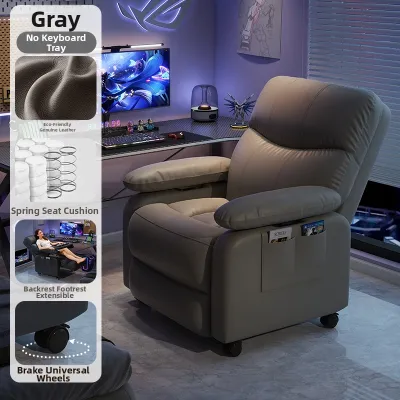
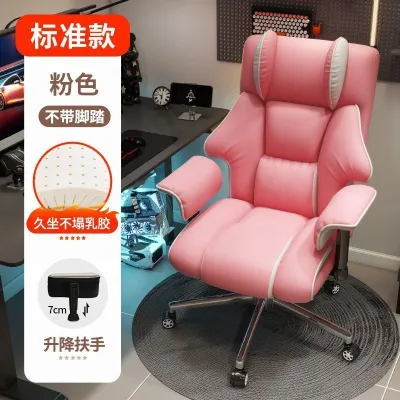
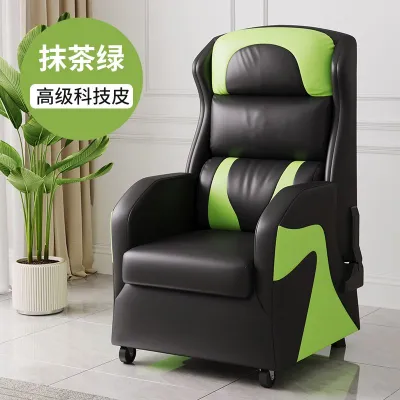
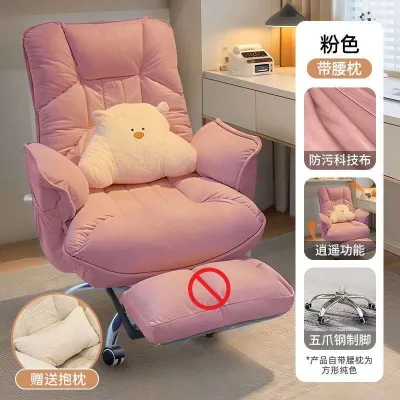
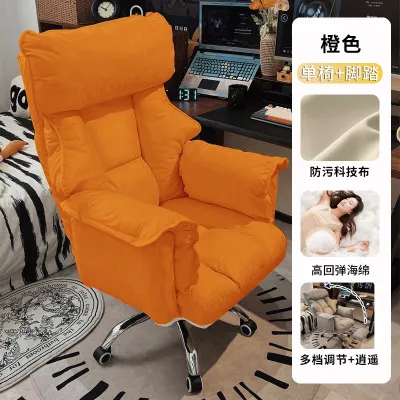
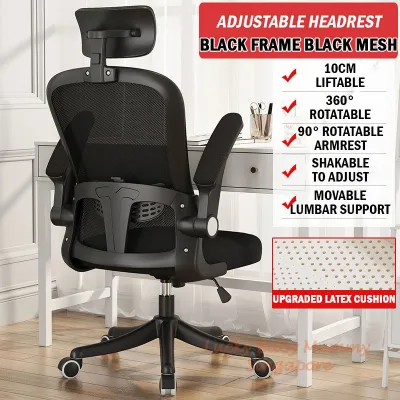
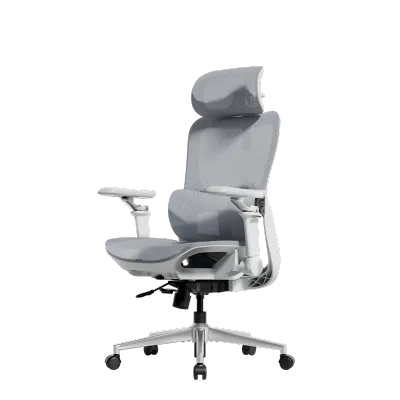
Prices are valid at publication and may change. Please refer to the product page for the latest price.
Conversely, a gaming sofa chair offers a wide, unrestricted seating area completely free of rigid side bolsters. This open design allows you to shift positions easily, cross your legs, or lean to one side without pressing against hard metal frames or stiff foam edges. The seating surface is typically much wider and deeper, mimicking a traditional living room armchair but optimized with gaming-centric features like side pockets or integrated cup holders.
These design choices directly influence your natural sitting posture. Racing seats are inherently desk-oriented, keeping your spine in a relatively vertical alignment that matches the height of standard computer desks. Sofa styles are lounge-oriented, encouraging a natural recline that shifts your center of gravity backward. This reclined state is highly comfortable for casual play but can make it difficult to reach a standard desk comfortably without straining your neck and shoulders.
Mobility and base construction also set these two categories apart. Racing-style chairs are built on five-star wheeled bases with smooth-rolling casters, allowing you to glide easily between a desk, a side table, or different areas of your room. Gaming sofa chairs, however, usually feature stationary bases, low-profile swivels, or solid pedestal rings. While they may rotate 360 degrees, they lack the effortless rolling mobility of caster-based chairs, anchoring them as permanent fixtures in a dedicated entertainment zone.
Ergonomics and Comfort for Long Gaming Sessions
When gaming for multiple hours, how a chair manages physical support and pressure distribution determines whether you finish your session feeling refreshed or fatigued. Racing-style chairs approach ergonomics through highly adjustable, targeted support systems. They frequently feature external, strap-on lumbar and cervical pillows, or sophisticated internal mechanical lumbar systems that can be dialed in to match the natural curve of your spine. This adjustability allows you to customize the support points to your exact height and sitting angle.

Sofa-style gaming chairs rely on integrated, fixed plush cushioning to provide comfort. Instead of adjustable mechanical parts, they use thick layers of high-density foam or pocket springs to cradle your entire body. While this feels immediately soft and inviting, it offers less targeted spinal alignment. If you require precise lower-back support to prevent slouching, the uniform cushioning of a sofa chair may require you to add your own pillows to achieve an ergonomic posture.
Pressure distribution is another critical factor for long-term comfort. The seat pan of a racing chair is designed with a waterfall edge—a gentle downward slope at the front—to reduce pressure on the back of your thighs and maintain healthy blood circulation. However, the firm foam density and narrow bolsters can sometimes pinch the hips of broader users. A gaming sofa chair distributes pressure across a much larger surface area, but its deep seat depth can cause shorter users to slouch if their knees cannot clear the edge of the seat pan while their back is fully supported.
Upholstery selection plays a major role in how hot and sticky a chair feels during long sessions, especially in warm, humid climates. Rather than assuming a material’s performance based on its name, it is essential to check manufacturer specifications for breathability and heat retention. Synthetic PU leather is highly durable and easy to wipe clean, but it tends to trap body heat over time. Fabric and mesh options offer superior airflow, keeping you cooler, but they require more diligent cleaning to prevent sweat stains and dust accumulation. Always review the care instructions to ensure you can maintain the material properly.
Space Requirements and Setup Practicalities
Before purchasing any seating, you must evaluate the physical footprint of the chair and how it fits into your living space. Racing-style chairs are relatively compact in terms of floor space, but they still require adequate clearance. You need to account for the sweep of the wheeled base, the distance required to recline the backrest fully, and the height of the armrests to ensure they can slide under your desk when the chair is not in use.
Gaming sofa chairs demand a significantly larger footprint. Because they often feature integrated footrests that extend outward or deep reclining mechanisms, you must measure the full extension length. A sofa chair that fits comfortably against a wall when upright might require an extra meter of clearance behind and in front of it to recline fully. Failing to plan for this can leave you cramped against your television screen or blocking vital walkways in your room.
Delivery and assembly logistics are equally important, particularly if you live in a high-rise apartment or a home with narrow entryways. Racing chairs are typically shipped flat-packed in manageable boxes, requiring complete assembly of the base, gas lift, seat, and backrest. Sofa-style chairs often arrive in much larger, heavier boxes with pre-assembled main bodies. You must verify the boxed dimensions against your doorways, staircases, and elevator limits to ensure the delivery team can safely bring the package into your home.
Finally, always check the manufacturer’s specifications for weight capacity and structural stability. Do not assume a chair is durable simply because it looks bulky or heavy. High-quality racing chairs utilize reinforced steel frames and class-4 gas lifts to support specific weight ranges safely. Sofa-style chairs rely on solid wood or heavy-duty metal pedestal frames; verifying these structural limits ensures the chair remains stable and safe, preventing tip-overs when you lean back or extend the footrest.
How to Choose the Right Chair for Your Gaming Habits
Selecting the ideal chair requires a realistic assessment of your daily gaming habits, your physical build, and your room layout. There is no universal winner; instead, the best choice is the one that aligns with your primary gaming environment and comfort preferences.
You should choose a racing-style chair if your setup revolves around a traditional computer desk. If you play fast-paced competitive games that require rapid keyboard and mouse inputs, the highly adjustable armrests of a racing chair are essential for aligning your elbows and wrists with your desk surface. This setup prevents strain on your shoulders and wrists. Additionally, if you prefer an active, focused posture and value the ability to roll easily between tasks, the mobility of a racing chair is unmatched.
You should choose a sofa-style gaming chair if you are primarily a console gamer who plays on a television screen from a distance. If you use a wireless controller, you do not need your arms locked into a specific desk-height position, making the wide, plush armrests of a sofa chair highly comfortable. This style is perfect for those who enjoy lounging, watching movies, or playing casual games where relaxation is the priority, provided you have the floor space to accommodate its larger footprint.
Before making your final decision, verify your personal physical requirements. If you are exceptionally tall or broad, standard racing chair bolsters may feel constricting, making a wide sofa chair or an extra-large racing model a better fit. Conversely, if you have limited room clearance or require precise, adjustable lumbar support to manage back discomfort, a highly customizable racing chair will serve your body better than a fixed, plush sofa design.
Frequently Asked Questions (FAQ)
Are hybrid gaming chairs a good compromise between racing and sofa styles?
Hybrid gaming chairs attempt to merge the best of both worlds by combining a mobile, wheeled racing-style base with a wider, more cushioned seat pan that lacks aggressive side bolsters. These designs can be an excellent option if you want the mobility and height adjustability of a desk chair but dislike the cramped feeling of traditional bucket seats. However, you should carefully inspect the specifications of any hybrid model. Some hybrids may compromise on advanced ergonomic adjustments, such as multi-directional armrests or highly tunable lumbar support, in favor of a softer, more relaxed seat.
How do I clean and maintain the upholstery on a gaming sofa chair?
To keep your gaming sofa chair looking and feeling fresh, always consult the manufacturer’s care label or official instruction manual before applying any cleaning agents. For fabric upholstery, regular vacuuming with a soft brush attachment is essential to remove dust, pet hair, and crumbs from the deep crevices of the seat. If your chair is upholstered in synthetic PU leather, wiping it down weekly with a damp microfiber cloth is usually sufficient to remove sweat and oils. Avoid harsh chemical cleaners, which can strip the protective coating and cause the material to crack or peel over time. Always test any new cleaner on a small, hidden area first.

Community discussion
Share your experience or ask a question. Comments are reviewed before publication.