
Finding a high-quality gaming chair under S$500 in Singapore requires a shift in perspective. Instead of chasing premium marketing buzzwords or high-profile brand collaborations, smart buyers focus on structural integrity, ergonomic adjustability, and material suitability for the local climate. At this price point, you can secure a highly durable, supportive chair that rivals premium models, provided you know which specifications to prioritize and which marketing traps to avoid.
Setting Realistic Expectations for Your S$500 Budget
Under S$500, you are firmly in the mid-range category in Singapore’s furniture market. Entry-level chairs, often found for under S$150, typically use low-density foam, thin plastic bases, and basic tilt mechanisms that wear out within a year. A mid-range budget allows you to step up to molded cold-cure foam, reinforced steel frames, and certified gas lifts that offer genuine longevity.
However, you will likely need to compromise on ultra-premium features. Features like 4D armrests that adjust in four directions, magnetic memory foam pillows, or dynamic lumbar tracking systems that automatically adjust to your spine are often reserved for chairs costing S$600 or more. Instead, expect reliable 2D or 3D armrests, strap-on lumbar pillows, or manual dial-adjusted lumbar support.
Products mentioned in this guide
![[PRE-ORDER] TTRacing Maxx Pro Gaming Chair - Spiderman Edition | Marvel Collection](https://img.lazcdn.com/g/p/9771bf7dbf9d8739e780a628177772e1.png_400x400q80.png_.webp)
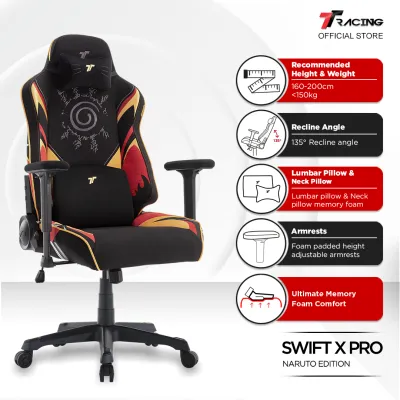
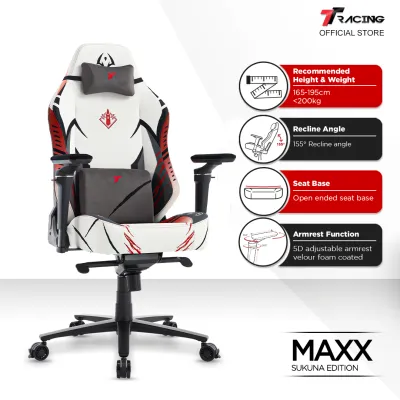
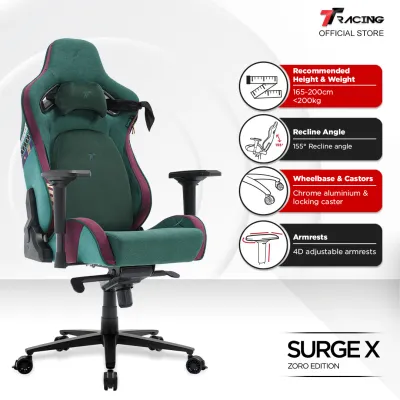
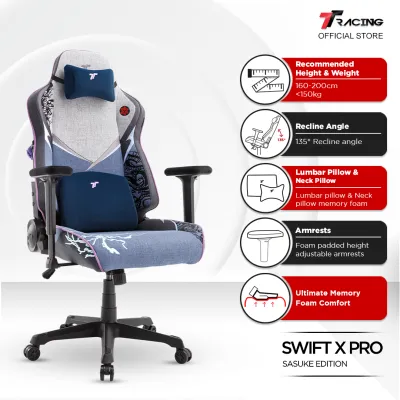
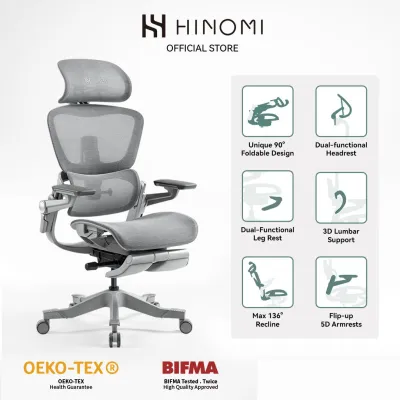
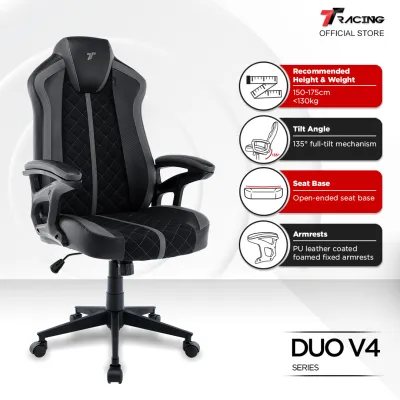
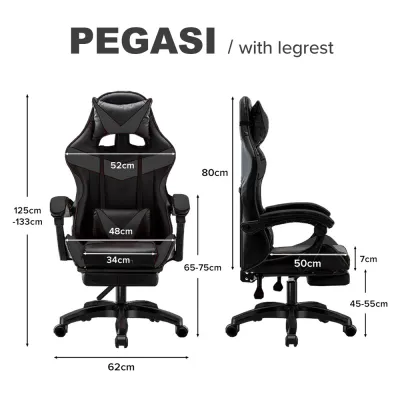
Prices are valid at publication and may change. Please refer to the product page for the latest price.
The core decision framework at this price point is prioritizing structural durability and basic ergonomics over aesthetic extras. A plain, solid black chair with a robust steel frame and high-density foam will serve your body far better over five years than a brightly colored, licensed-character chair built on a flimsy plywood base. Focus your budget on the components that directly support your weight and posture.
Prioritizing Ergonomics and Build Materials
Singapore’s hot and humid climate makes your choice of upholstery critical. PU leather offers a sleek look and is easy to wipe clean, but it traps heat and can peel rapidly if exposed to sweat and humidity. Breathable fabric or mesh allows for significantly better airflow, keeping you cool during long sessions, though it requires more effort to clean if you spill liquids.

Beyond the surface, look closely at the base and the gas lift. The base should ideally be made of reinforced aluminum or heavy-duty nylon. While aluminum is heavier and more durable, high-grade nylon bases can also support significant weight. Always verify that the gas lift carries a Class 3 or Class 4 certification label from recognized testing bodies like TÜV or SGS, which ensures the cylinder can safely handle daily pressure changes.
Ergonomics is not a one-size-fits-all metric, so adjustability is key. Ensure the chair offers a dedicated lumbar support system, either an adjustable internal mechanism or a firm, dense foam cushion that can be positioned precisely at your lower back. The recline mechanism should lock securely at multiple angles, and the armrests should adjust at least in height and depth to prevent shoulder strain when aligned with your desk.
Calculating Hidden Costs and Spatial Requirements
A S$500 budget can quickly be exceeded if you do not account for delivery and assembly fees. Many retailers in Singapore charge extra for weekend delivery, assembly services, or carrying heavy items up walk-up apartments without elevator access. Always check the final checkout price, including these surcharges, before making your decision.
Before purchasing, measure your workspace carefully. Check the width of your doorways and elevator doors to ensure the boxed or assembled chair can actually enter your home. Measure your desk’s clearance height; the chair’s armrests must be able to slide under the desk when not in use to save space in compact Singaporean bedrooms or study rooms. Additionally, map out the maximum recline path to ensure the chair does not hit walls or wardrobes behind you.
Never rely solely on a generic “one size fits all” label. Compare the chair’s seat width, seat depth, and gas lift height range against your own physical measurements. A seat that is too deep will prevent your back from reaching the lumbar support, while a seat that is too wide can cause you to slouch. Check the manufacturer’s recommended height and weight limits rather than just the maximum structural capacity, as the recommended limits reflect the range for optimal ergonomic support.
Navigating Retail Channels and Warranty Terms
Buying directly from official brand storefronts or authorized local distributors is generally safer than purchasing from unverified third-party sellers on general e-commerce platforms. Official channels are more likely to offer genuine parts, reliable customer service, and straightforward warranty claims. If buying from a marketplace, look for official mall badges and read customer reviews specifically mentioning after-sales support.
Do not just look at the number of years a warranty covers; read the fine print. Most warranties at this price point cover structural defects, such as a cracked frame or a failing gas lift, but explicitly exclude standard wear-and-tear. This means peeling synthetic leather, frayed stitching, or flattened seat foam after two years of use are rarely covered. Understanding these exclusions helps you set realistic expectations for the chair’s lifespan.
Verify the retailer’s return policy before clicking buy. Some brands charge hefty restocking fees or require you to pay for return shipping if you simply find the chair uncomfortable. Additionally, check if the brand sells individual replacement parts, such as replacement casters, armrest pads, or gas cylinders. The ability to buy individual parts can save you from replacing the entire chair if a single component fails.
Identifying Red Flags and Quality Traps
The most critical safety component of any office or gaming chair is the gas lift cylinder. Avoid chairs that do not explicitly state the class of their gas lift or fail to show certification markings from independent testing bodies. A cheap, uncertified cylinder poses a genuine safety risk and is highly prone to losing pressure, causing the chair to sink slowly over time.
Be skeptical of chairs marketed as “orthopedic” or “ergonomic” that offer no actual adjustment options. True ergonomic support requires adjustability. If a chair has a fixed backrest, non-adjustable armrests, and a simple tilt-lock mechanism, it cannot adapt to your body shape, regardless of how aggressively contoured the foam looks.
Another common trap is the use of low-density, recycled sponge instead of high-density molded foam. Low-density foam feels soft initially but will flatten permanently within a few months, leaving you sitting directly on the hard metal or wooden frame. Similarly, ultra-thin PU leather will crack and peel rapidly under Singapore’s humid conditions, turning an otherwise functional chair into an unsightly mess.
Frequently Asked Questions (FAQ)
How long should a gaming chair under S$500 last?
A well-maintained gaming chair in this price range should comfortably last between three to five years. The actual lifespan depends heavily on daily usage hours, user weight relative to the recommended capacity, and how well you care for the materials.
Signs of structural fatigue, such as a slowly sinking gas lift, a wobbly base, or loose armrests, indicate that key mechanical components are wearing out. In contrast, minor cosmetic wear like slight fabric fading or minor creasing in the leather is normal and does not affect support.
To maximize the chair’s lifespan, consider the following maintenance steps:
- Tighten the bolts: Periodically tighten the bolts underneath the seat every six months to prevent wobbling.
- Clean the casters: Remove hair and dust from the wheels to maintain smooth rolling.
- Replace modular parts: Buy replacement gas cylinders or armrest pads if they fail, rather than discarding the entire chair.
Is a fabric or PU leather gaming chair better for Singapore's weather?
For most homes in Singapore, breathable fabric or mesh is highly recommended over PU leather, especially if you do not run your air conditioner constantly. Fabric allows body heat and moisture to dissipate, preventing that sticky, sweaty feeling during long gaming or work sessions.
However, fabric requires more careful maintenance. It absorbs sweat, body oils, and spilled liquids, which can lead to odors or stains if not vacuumed regularly and spot-cleaned immediately. PU leather is much easier to maintain, requiring only a quick wipe with a damp cloth, but it traps heat and is highly susceptible to peeling in humid environments.
If your room is consistently air-conditioned, PU leather becomes a much more viable option, as the cool air prevents sweating and slows down the degradation of the synthetic material. If you rely primarily on fans, fabric or mesh is almost always the superior choice for long-term comfort.
Community discussion
Share your experience or ask a question. Comments are reviewed before publication.