
To choose the right racing-style gaming chair, you must look beyond the aggressive aesthetic and focus on physical dimensions, adjustability mechanisms, and material specifications that match your body type and workspace. While the iconic bucket seat design looks striking, its real-world comfort depends entirely on how well its structured wings, seat depth, and mechanical components support your daily posture.
Decoding the "Racing Seat" Bucket Design
The classic racing seat design originates from motorsports, where high lateral bolsters keep drivers centered during high-speed cornering. At a desk, however, you do not experience lateral G-forces. Instead of keeping you secure, aggressive shoulder and thigh wings can restrict your natural movement, press against your frame, and force your shoulders forward. When shopping, look for models that offer flared or flattened wings rather than steep, rigid bolsters, allowing your shoulders and thighs to rest naturally.
To ensure a proper fit, compare the chair’s physical dimensions with your own body measurements. Pay close attention to the width between the shoulder wings and the usable width of the seat pan. If the seat pan wings are too narrow or steeply angled, they will press against your outer thighs. A good rule of thumb is to measure your current comfortable chair and use those dimensions as a baseline.
Products mentioned in this guide

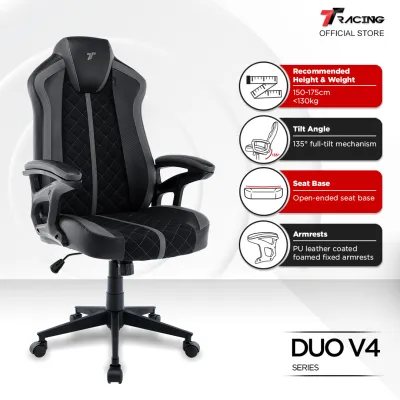
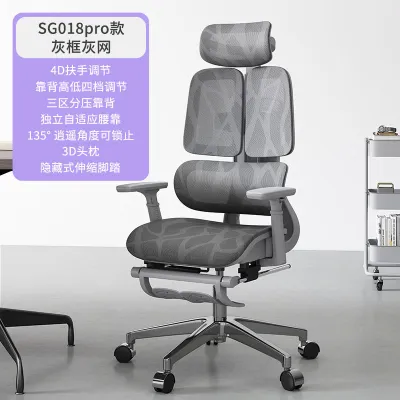

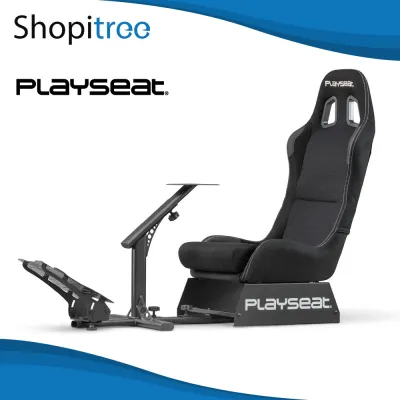

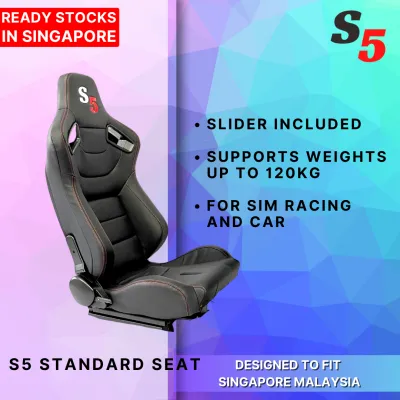
Prices are valid at publication and may change. Please refer to the product page for the latest price.
Equally critical are the seat pan depth and backrest height. The seat depth should allow you to sit fully back against the lumbar support while leaving a gap of about two to three fingers between the front edge of the seat and the back of your knees. If the seat is too deep, it will cut off circulation behind your knees. If it is too shallow, your thighs will lack adequate support, increasing pressure on your hips.
Essential Adjustability Specs for Posture Support
Adjustability is what separates a basic seat from a supportive ergonomic tool. The tilt mechanism is the heart of the chair’s movement. Basic recline mechanisms simply pivot the backrest backward, which can sometimes lift the front of the seat pan and put pressure on your thighs. A synchro-tilt mechanism tilts the backrest and the seat pan at a coordinated ratio (typically 2:1), keeping your feet flat on the floor and your spine aligned as you lean back. Check the manufacturer’s specifications for the tilt lock angles to ensure you can secure the chair at your desired working and resting positions.

Armrests are another critical touchpoint. Standard armrests only move up and down, but “4D” armrests offer adjustments in four directions: height, width (side-to-side), depth (forward and backward), and angle (rotation). This level of adjustment is highly beneficial for desk work. It allows you to position the armrests to support your elbows directly beneath your shoulders, reducing strain on your neck and upper back, regardless of whether you are typing, using a controller, or leaning back.
Lumbar support in racing-style chairs generally comes in two forms: external strap-on pillows or integrated, adjustable lumbar systems. External pillows are highly adjustable in height but can sometimes feel too bulky or shift out of place. Integrated systems, which are built directly into the backrest and adjusted via a dial, offer a more seamless look and precise depth control. When choosing, consider your spinal curvature; if you require pronounced lower-back support, an adjustable integrated system or a highly firm, contoured external pillow is essential.
Upholstery and Frame Specs: What Actually Matters
The materials you choose directly impact the chair’s longevity and daily comfort, especially in Singapore’s warm and humid climate. Synthetic leathers, such as polyurethane (PU) or polyvinyl chloride (PVC), are popular for their sleek look and spill resistance, but they can trap heat and sweat during long sessions. If your workspace is not constantly air-conditioned, high-breathability woven fabric or specialized mesh inserts are often more practical choices to prevent heat buildup. If you prefer synthetic leather, look for breathable, perforated variants or premium silicone-based alternatives that resist peeling under humid conditions.
Underneath the upholstery lies the structural frame and gas lift. The gas lift cylinder is responsible for height adjustment and weight bearing, and it is rated by classes from 1 to 4. For long-term safety and durability, prioritize chairs equipped with a Class 4 gas lift, which features thicker walls and higher pressure tolerance. Pair this with a heavy-duty base; while reinforced nylon bases can be durable, solid aluminum or steel bases offer greater stability and resistance to flexing over time.
Do not overlook the caster wheels, as they affect both mobility and floor protection. Standard hard nylon casters are designed for carpeted floors and can easily scratch hardwood, vinyl, or laminate flooring. If you have hard floors, look for caster specifications that mention soft polyurethane (PU) coatings, or plan to purchase aftermarket rubberized caster wheels to ensure smooth, silent gliding without damaging your floor surface.
Spatial and Assembly Specifications
Before purchasing, ensure the chair fits your room layout and can be delivered to your space. Calculate the maximum recline radius and base diameter. A chair with a wide 70-centimeter base and a deep recline angle requires significant clearance. Measure your floor space to ensure you will not bump into walls or furniture when reclining.
Delivery logistics are also critical. Check packaging dimensions against your home’s entry points, including elevator doors, narrow corridors, and stairwells. This is especially important for premium models that arrive in large, semi-assembled boxes. Knowing these dimensions beforehand prevents delivery issues at your front door.
Finally, review assembly requirements and warranty terms. Most gaming chairs require self-assembly, so verify if the necessary tools are included. A robust warranty covering the steel frame, tilt mechanism, and gas lift is a strong indicator of component durability.
Frequently Asked Questions (FAQ)
Do higher weight capacity specs always mean a more durable chair?
Not necessarily. While a high weight capacity indicates that the gas lift and base can support a specific load, overall durability depends on the quality of all components combined. A chair rated for high weight might still use low-density foam that flattens quickly or cheap upholstery that peels. To ensure true durability, look for a high weight rating paired with a Class 4 gas lift, a solid steel frame, high-density molded foam, and a comprehensive warranty.
Is a synchro-tilt mechanism necessary for a racing-style chair?
While not strictly necessary, a synchro-tilt mechanism significantly improves comfort if you frequently transition between upright typing and relaxed reclining. By tilting the seat pan at a smaller angle than the backrest, it prevents the front of the seat from lifting and pressing against your thighs, maintaining proper blood circulation and spinal alignment. If you primarily sit in a single upright position, a standard tilt lock may suffice, but for dynamic daily use, synchro-tilt is highly recommended.

Community discussion
Share your experience or ask a question. Comments are reviewed before publication.