
Finding the perfect queen-size mattress requires moving past generic brand promises and looking closely at how different manufacturers construct their beds. Because there is no universal industry standard for mattress firmness, a “medium-firm” model from one brand might feel like a firm mattress from another. To find the best queen-size options for your specific sleep needs, you must evaluate brands based on their material specifications, layer configurations, and structural integrity. By understanding how different brands engineer their comfort and support layers, you can confidently select a mattress that aligns with your physical profile and sleeping habits.
Understanding Mattress Firmness Levels and Your Sleep Profile
Mattress firmness is typically rated on a standard scale from 1 to 10, with 1 being extremely soft and 10 being exceptionally rigid. Most mattresses on the market fall between a 3 (soft) and an 8 (firm). When evaluating different brands, it is vital to understand that this scale is subjective and serves as a general guideline rather than an exact measurement. Your perception of firmness is heavily influenced by your body weight, shape, and primary sleeping position.
Your primary sleep position dictates where you need pressure relief and where you require structural support. Side sleepers generally need a softer surface (typically rated 3 to 5) to allow the shoulders and hips to sink in, which keeps the spine aligned and prevents pressure points. Back sleepers usually benefit from a medium to medium-firm surface (rated 5 to 7) that supports the natural curve of the lower back. Stomach sleepers require a firmer mattress (rated 7 to 9) to prevent the pelvis from sinking too deeply, which can strain the lower lumbar region.
Products mentioned in this guide
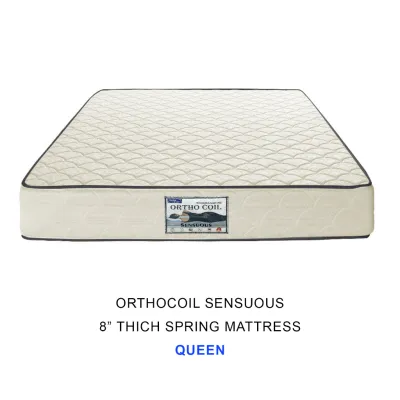
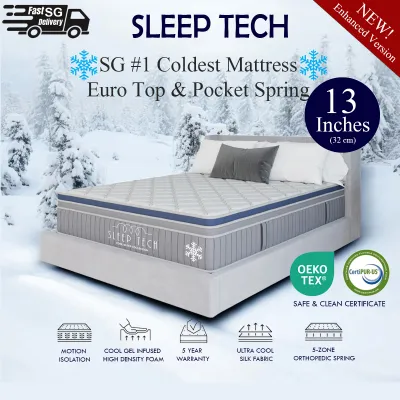
![[SG] [CLEARANCE] Pocketed Spring Spring Mattress from SLEEP TECH Cloud Mattress Single Super Single Queen and King Size](https://img.lazcdn.com/g/p/d9fd4bb40448ada26abd1a44619b237a.jpg_400x400q80.jpg_.webp)
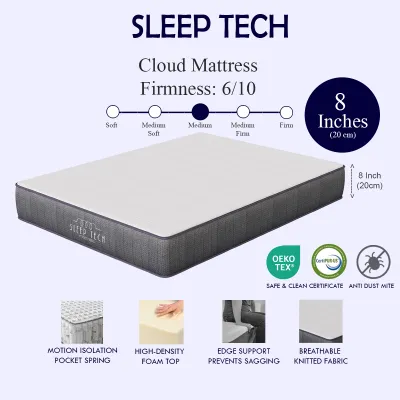
![[Same day delivery]Sleeplab Essential / Spring mattress/queen/single/8 inch/20cm thick](https://img.lazcdn.com/g/p/220c84ad478208b5816636e6b43a34b4.png_400x400q80.png_.webp)
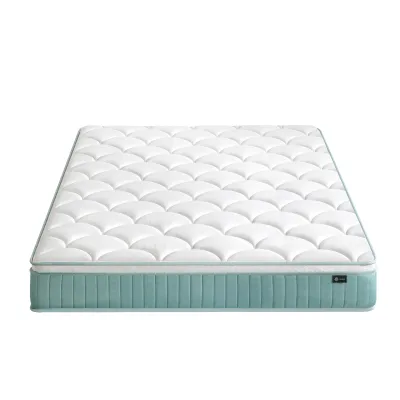
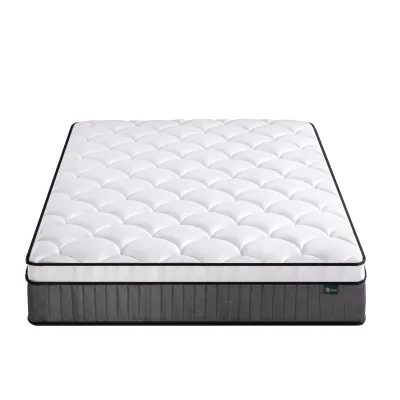
Prices are valid at publication and may change. Please refer to the product page for the latest price.
Body weight also plays a critical role in how a mattress feels. Lighter individuals (under 60 kg) do not compress comfort layers deeply and often perceive mattresses as firmer than they are rated. Conversely, heavier individuals (over 90 kg) apply more downward force, compressing the comfort layers and experiencing the mattress as significantly softer. If you fall into a heavier weight category, you will need to look for brands that offer deeper comfort layers and robust support cores to prevent bottoming out.
To make an objective decision, look past marketing terms like “cloud-like” or “orthopedic” and examine the manufacturer’s technical specifications. Check the density of the foam layers, which is typically measured in kilograms per cubic meter. High-quality memory foams should have a density of at least 50 kg/m³, while durable polyurethane foams should be around 30 kg/m³ or higher. For hybrid and innerspring models, look at the coil count and the wire gauge; a lower gauge number indicates thicker, more supportive coils that resist compression.
What to Look for in Brands Offering Soft to Medium-Soft Mattresses
When searching for brands that excel in producing soft to medium-soft queen-size mattresses, focus on the depth and quality of the comfort layers. High-quality plush mattresses do not simply let you sink; they cradle your body while maintaining a subtle level of underlying support. Look for brands that utilize thick comfort sections, often measuring 5 cm to 10 cm in thickness, consisting of memory foam, gel-infused foam, or natural latex. Many premium soft models also feature a pillow-top or Euro-top design, which stitched an extra layer of padding directly onto the surface for an immediate plush feel.

These softer profiles are highly beneficial for side sleepers and individuals with lighter body weights. The deep contouring properties of memory foam help distribute body weight evenly across the surface, reducing pressure on the shoulders and outer hips. This pressure relief can significantly decrease tossing and turning throughout the night, allowing for deeper, uninterrupted sleep cycles. However, if you share a queen-size bed, you must ensure that the plush materials do not compromise other structural elements.
One common drawback of softer mattresses is a lack of edge support. When comfort layers are highly compressible, sitting or sleeping near the edge of the bed can make you feel as though you are sliding off. To counter this, look for brands that incorporate reinforced perimeter support. This is often achieved through a high-density foam encasement around the sides of the mattress or stiffer, thicker-gauge coils along the outer edges of hybrid models. Robust edge support effectively maximizes the usable sleep surface of your queen-size bed.
Another critical factor to verify is heat dissipation, especially in warm and humid climates. Soft mattresses wrap closely around your body, which can trap heat and lead to uncomfortable, sweaty nights. When evaluating brands, check for cooling technologies integrated into the comfort layers. Look for open-cell foam structures that allow air to circulate, gel infusions designed to absorb and dissipate heat, or natural latex layers which are inherently more breathable than synthetic foams. Additionally, prioritize brands that use breathable cover fabrics made from natural fibers like bamboo rayon or Tencel.
What to Look for in Brands Offering Medium to Medium-Firm Mattresses
Medium to medium-firm mattresses, typically rated between 5 and 7 on the firmness scale, are often marketed as “universal comfort” options. This range is highly popular because it strikes a balance between contouring pressure relief and stable upward support. When assessing brands in this category, look for multi-layered construction designs that feature transitional foam layers. These transitional layers sit directly beneath the plush comfort layers and prevent your body from sinking too quickly into the rigid support core.
This balanced firmness level is highly suited for combination sleepers who frequently change positions during the night. The medium-firm surface provides enough surface give to cushion the shoulders and hips when lying on your side, yet offers sufficient resistance to keep your spine aligned when you roll onto your back or stomach. It is also the ideal range for couples who have different sleep preferences, as it represents a practical middle ground that accommodates various sleeping styles and average body weights.
To ensure long-term comfort, look for brands that incorporate zoned support systems within their medium-firm models. Zoned construction means the mattress is divided into different sections with varying levels of resistance. For example, the middle section of the mattress is engineered to be firmer to support the heavier hip and pelvic region, while the head and foot sections are slightly softer to cushion the shoulders and legs. This targeted support helps maintain natural spinal alignment regardless of your sleeping posture.
Because the perception of a “medium” feel is highly subjective, it is essential to verify the brand’s trial periods and return policies before purchasing. Look for brands that offer a risk-free home sleep trial of at least 100 nights. This trial period allows your body to adjust to the new mattress in your own home environment. Carefully read the terms and conditions to confirm that the brand offers a hassle-free return process with a full refund, and check whether they charge return shipping or restocking fees.
What to Look for in Brands Offering Firm to Extra-Firm Mattresses
Brands that specialize in firm to extra-firm mattresses focus heavily on structural support, minimal surface sinkage, and maximum spinal alignment. These mattresses, typically rated 7 to 9 on the firmness scale, are engineered to keep your body floating on top of the sleep surface rather than sinking into it. When evaluating brands in this category, look for models constructed with high-density support cores, such as thick pocketed coil systems or dense polyfoam bases, paired with relatively thin comfort layers.
Firm mattresses are highly recommended for stomach sleepers, back sleepers of heavier body weights, and individuals who suffer from chronic lower back pain. A firm surface prevents the midsection of your body from sagging into the mattress, which is a common cause of morning back stiffness. By keeping the pelvis and shoulders on a level plane, a firm mattress helps maintain the natural alignment of your spine throughout the night. It also makes moving and changing positions much easier, as you do not have to fight against deep foam contouring.
When inspecting the construction of a firm mattress, pay close attention to the coil system in hybrid or innerspring models. Look for brands that use pocketed coils made from high-tensile, low-gauge steel wire. A lower wire gauge (such as 12 or 13 gauge) indicates thicker, stiffer coils that provide robust upward resistance. Additionally, check the density of the base foam layers; a firm all-foam mattress should utilize a high-density polyurethane support core to prevent premature softening and structural breakdown.
Because firm mattresses undergo significant daily pressure without much surface compression, they must be highly resistant to sagging. Over time, even firm models can develop subtle body indentations that compromise their supportive qualities. Before buying, review the brand’s warranty terms in detail. Look for a warranty that covers sagging or permanent indentations of 1.5 cm or more. Be cautious of brands that only honor warranties for deep indentations of 2.5 cm or greater, as even minor sagging on a firm mattress can severely impact your spinal alignment.
Essential Pre-Purchase and Spatial Checks for Queen-Size Beds
Before finalizing your mattress purchase, you must perform several logistical and spatial checks to ensure a smooth delivery and setup process. A standard queen-size mattress in Singapore typically measures 152 cm in width and 190 cm in length. First, measure your bedroom layout carefully. To maintain comfortable movement around the room, ensure you have at least 60 cm to 70 cm of walking space on the three open sides of the bed frame once the queen-size mattress is in place.
Next, carefully map out the delivery path from the building entrance to your bedroom. High-rise apartments, particularly older HDB flats and certain condominium layouts, often feature narrow corridors, tight stairwell turns, and compact elevator cabins. Measure the height, width, and diagonal clearance of all doorways, hallways, and lift entrances. If you are purchasing a traditional, non-compressed mattress, verify that your elevator can accommodate a diagonal length of at least 190 cm. If the mattress cannot fit into the lift, you must coordinate with the retailer beforehand.
If you are opting for a compressed “mattress-in-a-box” model, the initial delivery through tight spaces is much easier. However, you must still ensure that you have sufficient floor space in your bedroom to safely unbox and allow the mattress to expand. Most compressed mattresses require 24 to 72 hours to fully inflate to their correct firmness level and dissipate any manufacturing odors, a process known as off-gassing. Ensure the room is well-ventilated during this expansion period.
Your existing bed frame must also be compatible with your new queen-size mattress. If you use a slatted bed frame, measure the distance between the slats. For most pocket spring and foam mattresses, the gap between slats should not exceed 7 cm to 8 cm; wider gaps can cause the mattress to sag prematurely and may void your warranty. Additionally, ensure the frame has a sturdy center support rail with at least one center leg extending to the floor, as queen-size mattresses—especially heavy hybrid or natural latex models—require robust midsection support to prevent bowing.
Finally, clarify the retailer’s delivery terms, assembly services, and old mattress disposal options. Many brands offer free delivery, but some may charge additional fees ranging from S$50 to S$150 if they have to carry the mattress up stairs due to lift limitations. If you need your old mattress removed, confirm this service during the checkout process, as many delivery teams require advance notice to comply with estate disposal regulations. Understanding these logistical details beforehand prevents unexpected delays and ensures a stress-free transition to your new bed.
Frequently Asked Questions (FAQ)
How can I accurately judge firmness when buying a mattress online?
To judge mattress firmness online, look past subjective marketing descriptions and focus on the detailed material specifications. Check the density of the foam layers and the gauge of the coil system, as higher densities and lower coil gauges indicate a firmer feel. Additionally, read verified customer reviews, paying close attention to feedback from sleepers who share your body weight and primary sleeping position. Finally, rely on brands that offer a risk-free home sleep trial of 100 nights or more, which allows you to physically test the firmness in your own home with the option of a full refund.
Does a higher price guarantee a better firmness match for my body type?
No, a higher price tag does not guarantee that a mattress will provide the correct firmness or support for your body type. Premium pricing often reflects luxury cover fabrics, advanced cooling technologies, organic certifications, or brand marketing rather than a superior structural fit. Your ideal firmness is determined entirely by your personal body weight, spinal alignment needs, and sleeping posture. A budget-friendly mattress with the correct layer construction and support core will always provide a better night’s sleep than an expensive luxury model that is too soft or too firm for your physical profile.
Will a standard queen-size mattress fit through typical apartment doorways and elevators?
A standard queen-size mattress measuring 152 cm by 190 cm will generally fit through modern apartment doorways and standard passenger elevators, but older buildings and tight stairwells can present significant challenges. To avoid delivery failures, measure the height and width of your building’s elevator door and the interior cabin depth before ordering. If your delivery path has tight corners or low ceilings, consider purchasing a compressed mattress-in-a-box model, which is delivered in a compact cardboard box and can easily navigate narrow corridors and small lifts before being unpacked in your bedroom.

Community discussion
Share your experience or ask a question. Comments are reviewed before publication.