
Finding the right portable kitchen island for a compact Singapore home involves balancing mobility, storage, and workspace without committing to a permanent, costly renovation. In typical Housing & Development Board (HDB) flats and modern condominiums, kitchen space is highly optimized, often leaving little room for traditional, fixed islands. A portable kitchen island offers a flexible alternative, allowing you to introduce extra countertop space and storage when preparing meals, and then roll the unit away to maintain open walkways when the work is done.
Selecting the ideal mobile unit requires a clear understanding of your kitchen’s physical limits, your cooking habits, and the specific environmental conditions of a tropical home. Rather than searching for a universal solution, the key is matching the island’s structural design—whether it is a slim rolling utility cart, an expandable drop-leaf table, or a heavy-duty freestanding storage cabinet—to your daily household routine. By focusing on precise spatial measurements, robust material checks, and practical mobility features, you can significantly enhance your kitchen’s utility without causing congestion.
Assessing Your Kitchen Space and Clearance Requirements
Before browsing online marketplaces or local furniture showrooms, you must accurately map out your kitchen’s floor plan to ensure a portable island can integrate smoothly. The primary goal is to preserve the kitchen work triangle—the path between your refrigerator, sink, and cooking stove—so that daily meal preparation remains efficient. Introducing a mobile unit should streamline this flow rather than creating a physical barrier that forces you to take awkward detours.
Products mentioned in this guide
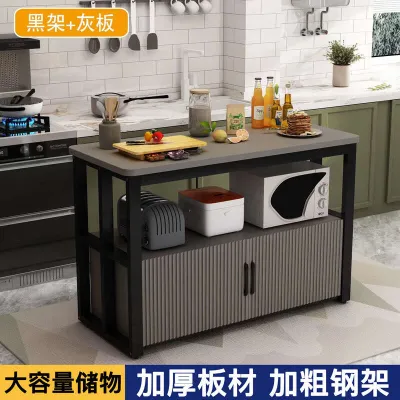
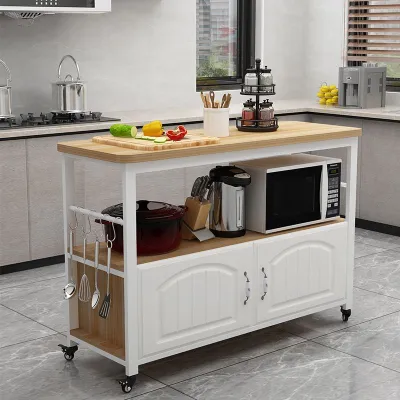
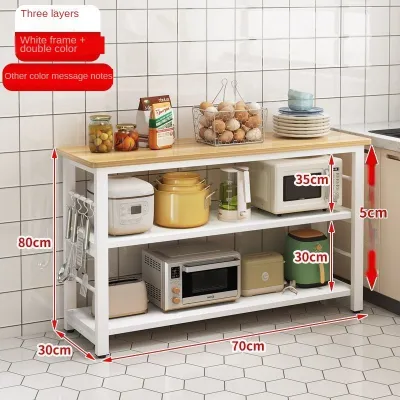
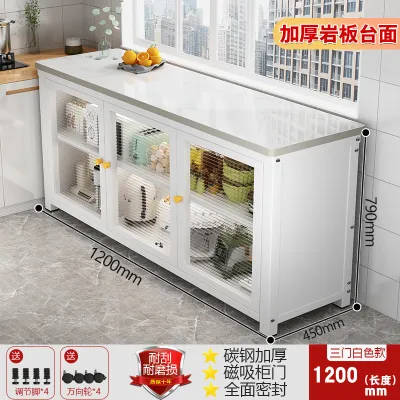
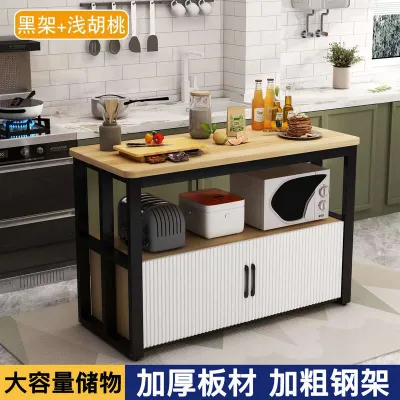
Prices are valid at publication and may change. Please refer to the product page for the latest price.
To maintain a safe and comfortable cooking environment, aim for a minimum walkway clearance of 90 to 100 centimetres on all sides of the island. This clearance ensures that you can walk past the unit without turning sideways, even when carrying hot cookware or heavy grocery bags. Use a physical measuring tape to mark out these boundaries on your kitchen floor, using masking tape to visualize the island’s footprint before making a purchase.
Beyond simple standing room, you must account for the dynamic clearance required by major kitchen appliances and cabinet doors. Open your refrigerator, oven, microwave, and lower cabinet doors completely, measuring the distance they extend into the room. A portable island must sit far enough away to prevent collisions when these doors are fully swung open, allowing you to stand comfortably in front of an open oven or load a built-in dishwasher without feeling pinned against the mobile unit.
The existing layout of your kitchen heavily dictates how much space you can allocate to a portable island. In narrow galley kitchens, a wide island is rarely practical, making slim, highly mobile carts a more sensible choice that can be parked against a wall when not in use. For L-shaped or U-shaped kitchens, you may have a larger central void that can accommodate a more substantial, cabinet-style portable island, provided you maintain the necessary perimeter clearances for safe movement.
Types of Portable Kitchen Islands for Compact Layouts
Portable kitchen islands come in several distinct configurations, each designed to address specific spatial constraints and functional needs. When evaluating these options, you will generally face a trade-off between maximizing your immediate countertop workspace and increasing your closed storage capacity. Understanding these design priorities helps you identify which category aligns best with your kitchen’s primary shortcomings.

For many homeowners, a freestanding portable unit is far more practical than a fixed peninsula or built-in cabinetry. Built-in installations require permanent floor anchoring, complex carpentry, and sometimes structural hacking, which can be highly restrictive in rental properties or under strict HDB renovation guidelines. A portable island bypasses these hurdles entirely, offering an instant upgrade that you can easily reposition, reconfigure, or pack up and move to a new home in the future.
Rolling Utility Carts and Trolleys
Rolling utility carts and trolleys represent the most compact and agile segment of mobile kitchen furniture. These units typically feature a slim, lightweight frame with multiple tiers of open shelving, wire baskets, or small drawers, making them highly effective for tight spaces. They are ideal for storing frequently used small appliances, spice jars, or fresh produce, keeping these items within arm’s reach of your main prep area.
However, the high mobility of a slim utility cart comes with specific structural limitations. Because they have a narrow base and a lightweight construction, they do not offer the wide, heavy-duty surface required for intense food preparation, such as vigorous chopping, kneading dough, or using heavy meat cleavers. Attempting these tasks on a light cart can cause the unit to wobble, slide, or tip over, posing a safety hazard.
When selecting a rolling cart, closely inspect the wheel locking mechanisms and the overall stability of the base. High-quality carts feature robust casters with reliable, easy-to-engage locks on at least two of the wheels to prevent the unit from shifting during light tasks. Ensure the frame joints are securely welded or fastened with heavy-duty screws, as any play in the connections will amplify wobbling when the cart is loaded with kitchen essentials.
Drop-Leaf and Foldable Island Tables
Drop-leaf and foldable island tables offer an ingenious solution for multi-purpose spaces where floor area must be conserved. These units feature a hinged countertop extension—the drop-leaf—that can be raised and locked into place to instantly expand your workspace, and then folded down flat against the side of the unit when the extra surface is no longer needed. This flexibility makes them highly popular in open-concept apartments.
This design excels in transitioning seamlessly from a food preparation zone to a casual dining spot, a breakfast bar, or even a temporary work-from-home desk. When the leaf is extended, you can pull up a pair of bar stools to create an inviting dining area, and when collapsed, the unit retracts to a modest depth that frees up valuable floor space for cooking and cleaning.
To ensure long-term safety, you must carefully evaluate the sturdiness of the drop-leaf hinges, support brackets, and locking pins. The extended leaf relies entirely on these mechanical components to bear weight, so they must be constructed from heavy-gauge metal and securely anchored to the main body of the island. Avoid units with flimsy plastic supports or loose-fitting hinges, as they can fail under the weight of heavy plates, small appliances, or when someone leans on the edge.
Freestanding Storage Cabinets with Casters
Freestanding storage cabinets equipped with casters are substantial, furniture-grade pieces that prioritize storage volume and organizational capacity. These units resemble traditional kitchen sideboards or cabinets but are fitted with heavy-duty wheels on the base. They typically feature a combination of deep drawers, adjustable interior shelves, closed cabinet doors, and sometimes integrated spice racks or towel holders.
These cabinet-style islands are highly suited for compact kitchens that suffer from a severe lack of built-in storage. They allow you to conceal clutter, storing bulky pots, pans, mixing bowls, and dry pantry goods out of sight. Because these units are significantly heavier than utility carts, they offer a much more stable and solid feel, making them suitable for more demanding food preparation tasks when the wheels are locked.
Due to their substantial weight, especially when fully loaded with ceramic dishware and cast-iron cookware, these units require heavy-duty, industrial-grade casters. Look for dual-wheel casters with robust locking levers that lock both the wheel rotation and the swivel mechanism. Additionally, verify that the overall height of the portable cabinet aligns closely with your existing kitchen countertops—typically around 85 to 90 centimetres—to ensure a comfortable, ergonomic working height that prevents back strain.
Core Selection Criteria and Pre-Purchase Checks
Selecting a portable kitchen island requires a systematic evaluation of product specifications and physical constraints to ensure a successful purchase. Your first consideration should be the countertop material, which must be selected based on how you plan to use the surface. If you intend to perform direct food preparation, look for non-porous, food-safe materials that resist moisture and staining, such as high-grade stainless steel or properly sealed solid wood.
The structural integrity of the island’s base is critical for safety and longevity. Inspect the joint reinforcement, looking for robust assembly methods like mortise-and-tenon joints, dowels, or heavy metal corner brackets rather than simple glue and staple construction. A sturdy base prevents the unit from swaying or tipping over when you apply downward pressure while cutting food or leaning against the edge. Always check the manufacturer’s specified weight capacity for both the top surface and individual shelves to avoid overloading the unit.
When verifying product dimensions, do not rely solely on the basic width and depth measurements listed on retail websites. You must account for any protruding hardware, such as towel rails, spice racks, drawer handles, and cabinet knobs, which can add several centimetres to the overall footprint. These small protrusions can make the difference between an island that fits perfectly and one that blocks a critical doorway or scrapes against your refrigerator door.
Finally, plan the delivery route and assembly conditions carefully before finalizing your order. In Singapore, residential delivery often involves navigating passenger lifts, tight corridor corners, and standard apartment door frames, which typically measure between 80 and 90 centimetres in width. Verify whether the island is delivered fully assembled or as a flat-pack unit; if it is pre-assembled, ensure its packaged dimensions can clear your building’s lift doors and your home’s entryway without risk of damage.
Material and Durability Checks for Humid Environments
Singapore’s tropical climate presents unique challenges for kitchen furniture, with high relative humidity levels that can accelerate the degradation of substandard materials. When shopping for a portable island, you must carefully inspect the quality of the finishes and edge treatments to ensure the unit can withstand moisture. For engineered wood products like particleboard or medium-density fibreboard (MDF), check that all edges are sealed with high-quality, seamless edge banding to prevent moisture from penetrating the core and causing the wood to swell, bubble, or crumble.
Metal components are highly susceptible to rust and corrosion in humid kitchen environments, especially when exposed to steam from cooking or water splashes from the sink. Inspect all hardware, including the caster housings, drawer slides, hinges, and handles, to ensure they are made from rust-resistant materials. Look for stainless steel, powder-coated steel, or brass hardware, and avoid cheap, untreated metals that will quickly tarnish and seize up over time.
If you prefer the warmth and aesthetic of a solid wood or butcher block countertop, you must be prepared for regular maintenance to prevent warping, splitting, and cracking. Solid wood is a natural, porous material that expands and contracts in response to changes in humidity and temperature. Review the manufacturer’s care instructions carefully; most solid wood tops require periodic applications of food-safe mineral oil or beeswax to maintain their protective seal and prevent moisture from warping the wood fibers.
Matching Island Features to Your Kitchen Needs
To help you narrow down your choices, it is helpful to compare the primary characteristics of each portable island type side by side. This comparison allows you to weigh the physical dimensions, storage capacity, and mobility of each option against the specific limitations of your current kitchen layout.
| Island Type | Typical Width Range | Primary Use Case | Storage Capacity | Mobility Level |
|---|---|---|---|---|
| Rolling Utility Cart | 30 to 50 cm | Supplementary prep & appliance storage | Low (Open shelves) | High (Very easy to move) |
| Drop-Leaf Island | 60 to 120 cm (Extended) | Multi-purpose prep, dining & work | Moderate (Shelves/Drawers) | Moderate (Occasional moving) |
| Freestanding Cabinet | 80 to 150 cm | Heavy prep & concealed storage | High (Drawers & Cabinets) | Low (Mainly stationary) |
Your final decision should be guided by a clear hierarchy of needs. If your kitchen’s main issue is a lack of counter space for chopping vegetables, but you have adequate cabinet storage, prioritize a stable drop-leaf table or a rolling cart with a high-quality wood or stainless steel top. If your countertops are cluttered with small appliances and pantry items, a freestanding cabinet-style island with closed doors will provide the concealed storage you need to restore order.
Safe Placement and Daily Maintenance
Once you have selected and assembled your portable kitchen island, proper placement is essential to ensure safe daily operation. Avoid positioning the unit directly adjacent to open flames, gas hobs, or high-heat appliances like ovens, as intense heat can warp wooden frames, melt plastic casters, or damage surface finishes. Similarly, keep the island clear of direct water splash zones near the sink to minimize the risk of water pooling on the surfaces or seeping into joints.
Maintaining the structural integrity of your mobile island requires a simple routine of periodic inspections and minor adjustments. Every six months, check all fastening screws, bolts, and joint connectors, tightening any that have worked loose from the vibrations of rolling the unit across the floor. Inspect the caster wheels regularly to clear away any trapped hair, dust, or kitchen debris that could prevent them from rolling smoothly or cause them to scratch your flooring.
You should immediately stop using the island and consult the manufacturer or a professional repair service if you observe any critical signs of structural failure. These stop conditions include severe wobbling or swaying when light pressure is applied, cracked or splitting joints in the main frame, caster wheels that are seized or broken, or significant delamination of the edge banding. Continuing to use a structurally compromised island, especially when loaded with heavy items, poses a serious risk of tipping or collapse.
Frequently Asked Questions (FAQ)
Can I use a portable kitchen island as a permanent fixture?
While a portable kitchen island offers excellent flexibility, it is not designed to serve as a permanent, built-in fixture. Mobile units lack the heavy structural anchoring of built-in cabinetry, making them less stable under heavy lateral loads or when leaning heavily against the edges. Additionally, portable islands cannot safely accommodate integrated plumbing, gas lines, or electrical wiring, as the movement of the unit would strain and damage these utility connections, creating severe safety hazards. Attempting to anchor a wheeled unit permanently to your walls or floors without a professional structural assessment can damage your home’s finishes and compromise the furniture’s integrity.
How do I prevent a portable island from scratching my kitchen floor?
To protect your kitchen flooring from scratches and scuffs, pay close attention to the material of the caster wheels. Avoid hard, cheap plastic or nylon wheels, which can easily scratch delicate surfaces like vinyl, laminate, or polished timber, especially when the island is heavily loaded. Instead, choose casters made from soft polyurethane or thermoplastic rubber, which glide smoothly and distribute weight more evenly without marking the floor. For heavier, semi-permanent cabinet islands, you can also place protective silicone caster cups under the wheels once the unit is in its desired position, or use a low-profile, non-slip protective mat to shield the floor from friction.

Community discussion
Share your experience or ask a question. Comments are reviewed before publication.