
Finding a practical balance between comfort and space in a compact Singapore home often leads to a compromise, but a platform-style recliner offers a functional solution. Unlike traditional, bulky recliners that dominate a living room, these streamlined designs integrate reclining mechanisms directly into a low-profile sofa platform. This allows homeowners in HDB flats and condominiums to enjoy the luxury of a reclining seat without sacrificing precious floor area or disrupting the visual flow of their living space. By understanding how these modern pieces function, how to measure your layout, and what features to prioritize, you can select a model that fits both your physical space and your lifestyle needs.
Defining Platform-Style Recliners for Compact Homes
To choose the right seating for a compact living room, it helps to understand what makes a platform-style recliner unique. Traditional recliners often feature heavy, exposed metal frames and high-backed, overstuffed silhouettes that can make a small room feel cramped. In contrast, a platform-style recliner utilizes a solid, low-profile base—often referred to as a sofa platform—that sits flush with or very close to the floor. This design distributes weight evenly and creates a clean, grounded aesthetic that aligns with modern minimalist interiors.
The primary space-saving advantage of these modern recliners lies in their zero-wall-clearance, or wall-hugger, mechanics. Traditional recliners require significant clearance behind the backrest because the entire chair tilts backward into the room. Wall-hugger designs, however, use a specialized track system that slides the seat cushion forward as the backrest reclines. This means you can position the sofa platform almost directly against the wall, saving valuable centimeters of floor space in tight HDB living rooms.
Products mentioned in this guide
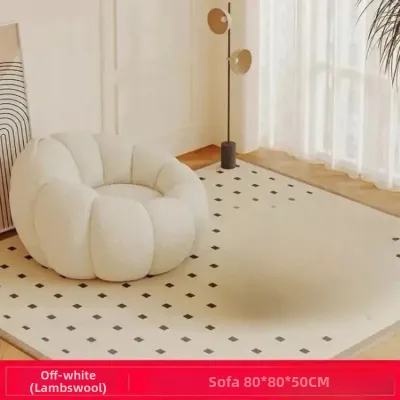
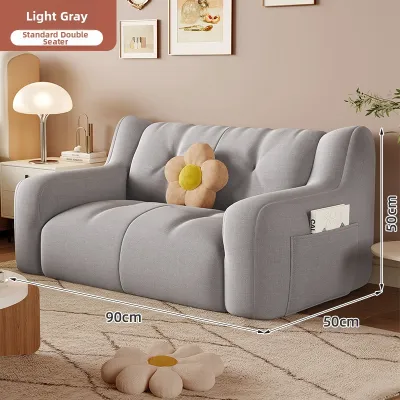
Prices are valid at publication and may change. Please refer to the product page for the latest price.
Furthermore, integrating reclining functions into a unified sofa platform eliminates the need for bulky external levers and protruding metal joints. The mechanisms are neatly concealed within the frame of the platform itself, maintaining the appearance of a standard, stylish sofa when not in use. This dual-purpose functionality ensures that your living room remains versatile, serving as an elegant hosting space by day and a cozy relaxation zone by night.
Measuring Your Living Room and Delivery Access
Before purchasing any reclining furniture, precise measurements are essential to avoid layout issues and delivery day disappointments. Start by measuring the footprint of the recliner in its fully closed position, then calculate the maximum fully reclined footprint. This includes the distance the footrest extends forward and the slight clearance the headrest might still require at the back. Mark these dimensions on your living room floor using masking tape to visualize how much physical space the open recliner will occupy.

Delivery access is another critical factor that is frequently overlooked in Singapore’s high-rise residential developments. You must verify that the packaged recliner can physically fit through your building’s lift doors, inside the lift cabin, around tight staircase landings, and through your apartment’s main door frame. Many HDB and condominium lifts have strict height and depth limits, so always request the packaged shipping dimensions from the retailer rather than relying solely on the assembled furniture dimensions.
In addition to physical fit, you must maintain safe walkway clearances around the unit when it is fully extended. In compact living zones, a fully reclined footrest should not block the primary pathway to the kitchen, balcony, or bedrooms. Aim to preserve a clearance of at least 60 to 75 centimeters around the extended recliner to prevent tripping hazards and ensure that family members can move comfortably through the space without having to squeeze past.
Space-Efficient Recline Mechanisms and Features
Selecting the right reclining mechanism is key to maximizing your apartment’s layout. Wall-hugger track systems are highly recommended for compact spaces because they require as little as 5 to 10 centimeters of rear wall clearance. Traditional push-back or rocker mechanisms, on the other hand, often require 30 centimeters or more of space behind the chair to recline fully, forcing you to pull the entire sofa forward and waste valuable floor area in the center of the room.
For households that require flexible seating, modular platform sofas offer an excellent alternative to single-unit recliners. These systems allow you to configure individual seats with independent reclining mechanisms, meaning one person can recline fully while others sit upright on standard cushions. This modularity prevents the entire sofa platform from expanding unnecessarily, keeping the overall footprint as compact as possible while catering to different comfort preferences.
You will also need to weigh the spatial and practical trade-offs between motorized and manual reclining designs. Motorized models offer smooth, incremental adjustments at the touch of a button, but they require proximity to an electrical outlet and careful power cord management to avoid clutter. While high-quality motorized models may require a larger investment of S$1,500 or more, manual options offer a budget-friendly alternative that does not require electricity, giving you more freedom in placement.
Assessing Comfort, Stability, and Upholstery
A compact profile should not come at the expense of comfort or structural integrity. When evaluating a platform-style recliner, pay close attention to frame stability and weight distribution. Because the reclining mechanism shifts your body weight forward and backward, a solid, well-constructed platform base is essential to prevent the unit from tipping or rocking unsteadily. Look for frames made from kiln-dried hardwood or reinforced steel, and test the unit in-store by reclining fully to ensure it remains completely stable.
Upholstery selection is particularly important in Singapore’s hot and humid tropical climate. Heavy, non-breathable synthetic leathers can trap heat and moisture, leading to an uncomfortable, sticky seating experience. Instead, opt for breathable fabrics, high-quality top-grain leather, or advanced performance fabrics that resist humidity and are easy to wipe clean. These materials help regulate temperature and ensure your recliner remains comfortable throughout the year.
Finally, assess the internal support systems of the seat cushions and backrest. To maintain a slim exterior profile, some compact recliners use thinner padding, which can degrade quickly and lead to discomfort. Look for high-density polyurethane foam or pocketed spring systems that offer firm, resilient support. Proper lumbar support and an adjustable headrest are also crucial for maintaining ergonomic comfort during long periods of sitting or lounging.
Common Placement and Sizing Mistakes
To get the most out of your platform recliner, avoid common placement mistakes that can disrupt your living room’s flow. One frequent error is blocking the swing radius of the footrest with other furniture, such as a heavy coffee table. If you have limited space, consider pairing your recliner with a lightweight, easily movable side table or a nesting table set that can be quickly set aside when you want to recline.
Environmental factors within your apartment should also influence where you place the recliner. Avoid positioning the unit directly under air conditioning vents, next to large windows, or right beside balcony doors. Constant exposure to direct sunlight can fade and crack leather upholstery, while moisture from open balcony doors or condensation from air conditioners can damage internal metal mechanisms and wooden frames over time.
Lastly, plan your power source carefully if you choose a motorized recliner. Stretching power cords across high-traffic walkways creates a significant tripping hazard and looks untidy. Position the sofa platform close to an existing wall outlet, or use discreet cable management covers to run the cord safely along the baseboards. If an outlet is not nearby, check if the manufacturer offers a compatible rechargeable battery pack option to eliminate cords altogether.
Frequently Asked Questions (FAQ)
Do platform recliners require assembly inside the living room?
Yes, many platform recliners are designed with modular delivery in mind to navigate tight spaces. Manufacturers often ship these units with detachable backrests or as separate modular sections that are assembled directly inside your living room. This design makes it much easier to move the furniture through narrow HDB corridors and standard door frames. When purchasing, always confirm with the retailer whether the delivery service includes professional on-site assembly, and verify the dimensions of the individual unassembled pieces to ensure they can clear your entryway.
Can I place a platform recliner directly on vinyl or laminate flooring?
While you can place a platform recliner directly on vinyl or laminate flooring, it is highly recommended to use protective measures. Because platform-style recliners feature solid, heavy bases and moving metal parts, they exert concentrated pressure on the floor, which can cause indentations, scuffs, or scratches over time. To protect your flooring, place heavy-duty felt pads or non-slip rubber grips beneath the contact points of the platform base. Alternatively, positioning a low-pile area rug under the entire sofa platform distributes the weight more evenly and adds an extra layer of protection.

Community discussion
Share your experience or ask a question. Comments are reviewed before publication.