
Fitting a plastic wardrobe closet into a typical Singapore HDB bedroom requires balancing storage capacity with comfortable movement. To avoid blocking walkways, a plastic wardrobe closet with a shallow depth of 40 to 50 centimetres is often the most practical choice, compared to standard 60-centimetre built-in wardrobes. For width, compact single or double-door units ranging from 60 to 100 centimetres wide generally fit alongside standard queen or single beds without encroaching on essential walking paths. By selecting modular, lightweight plastic designs, you can customize the height and configuration to maximize vertical space while keeping the floor area clear.
Measuring Your HDB Bedroom Layout
Before purchasing any furniture, you must establish the absolute maximum footprint available in your bedroom. Start by measuring the wall-to-wall distances of the specific zone where you plan to place the wardrobe. Do not rely solely on the floor plan dimensions, as actual on-site measurements often differ due to plaster thickness or structural variations. Always measure along the floor line and account for skirting boards, which can prevent a wardrobe from sitting flush against the wall and add unexpected millimetres to the depth.
Next, look for structural elements that reduce the usable depth or height of the space. In many HDB flats, air conditioning trunking runs along the upper portion of walls, which can severely restrict where a tall plastic wardrobe closet can stand. Measure the height from the floor to the underside of any trunking, beams, or ceiling features. You should also note the positions of wall-mounted items such as light switches, electrical sockets, and internet ports to ensure the wardrobe does not block access to these essential utilities.
Products mentioned in this guide

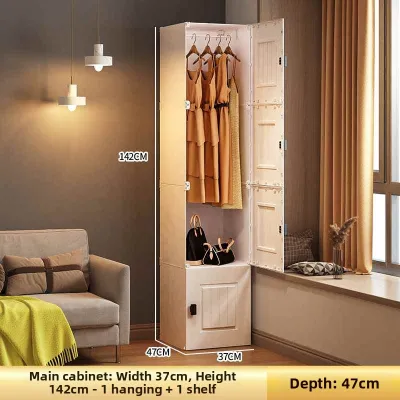
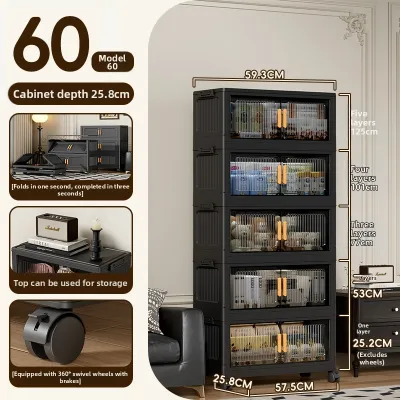
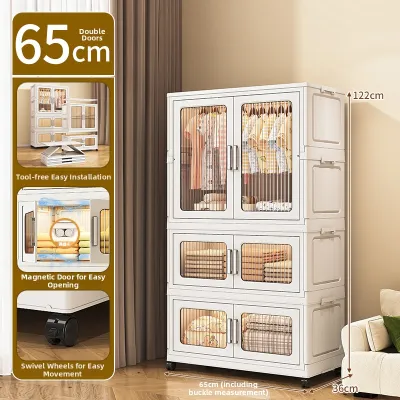
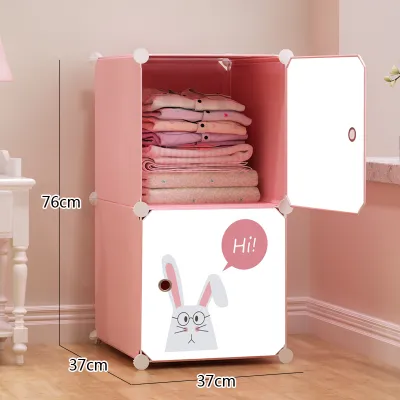
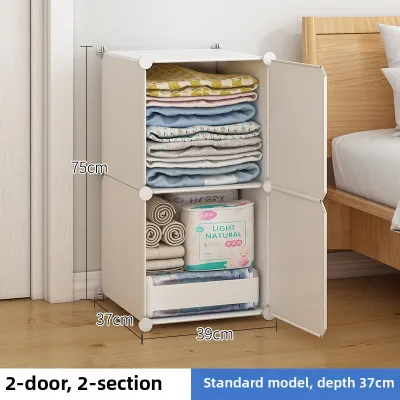
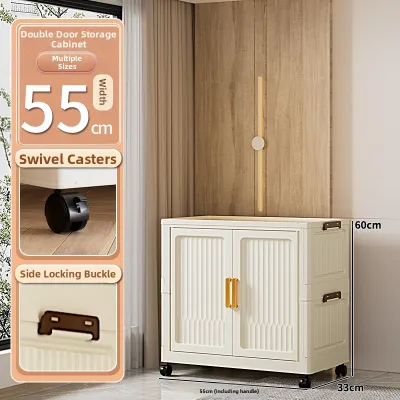
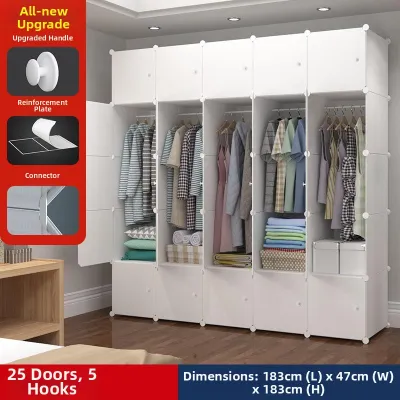
Prices are valid at publication and may change. Please refer to the product page for the latest price.
Finally, measure the vertical clearance from the floor to the ceiling. While plastic wardrobes are often shorter than built-in wooden cabinets, some modular designs can be stacked quite high. Ensure there is ample clearance below ceiling fans and light fixtures. A tall wardrobe placed too close to a ceiling fan can disrupt airflow or pose a safety hazard if the fan blades spin near the top of the unit.
Calculating Walkway and Door Clearance Requirements
A wardrobe is only functional if you can comfortably access it without squeezing through tight gaps. To maintain a smooth traffic flow in your bedroom, aim for a minimum walkway width of 60 to 70 centimetres between the wardrobe and adjacent furniture, such as the edge of your bed. This clearance allows you to walk past naturally, carry laundry baskets, and stand comfortably while browsing your clothes. If the walkway is a primary route to an en-suite bathroom or the main bedroom door, try to maximize this clearance as much as possible.

You must also account for the clearance required to operate the wardrobe doors and drawers. Swing-out doors require a clearance radius equal to the width of the door panel itself. If your bedroom layout is exceptionally tight, consider a plastic wardrobe closet with sliding doors or open shelving compartments to eliminate swing-radius issues entirely. Do not forget to measure the extension distance of any pull-out drawers or storage bins, ensuring they can open fully without striking the bed frame or other obstacles.
Additionally, evaluate the swing paths of other doors in the room. The main bedroom door and the en-suite bathroom door must be able to open fully without colliding with the wardrobe frame. Check the clearance around windows as well; a wardrobe placed too close can prevent window panels from opening fully, restricting natural ventilation. Ensure that adjacent furniture, such as study desks or bedside tables, has enough clearance so that drawers and cabinet doors do not block one another during daily use.
Matching Plastic Wardrobe Specifications to Your Space
When shopping online or in-store, always compare the product’s finished exterior dimensions against your calculated maximum footprint. Do not rely on generic category labels like “medium” or “large,” as actual dimensions vary significantly between manufacturers. Check the product specifications for the exact width, depth, and height of the fully assembled unit, including any decorative top caps or base supports that might extend beyond the main frame.
Pay close attention to the depth of the plastic wardrobe closet. Many compact plastic models feature a shallower depth of 40 to 45 centimetres, which is excellent for saving floor space and storing folded clothes. However, standard clothes hangers typically require an internal depth of at least 50 to 55 centimetres to hang garments straight. If you choose a shallower wardrobe, you may need to use transverse hanging rails where clothes face forward, or accept that hangers will sit at an angle, which can cause the wardrobe doors to push open if packed too tightly.
Modular or stackable plastic storage systems offer excellent flexibility for HDB bedrooms. These systems allow you to purchase individual cubicles or drawer units and assemble them in a configuration that matches your room’s unique layout. If you have limited horizontal space, you can stack the modules vertically to utilize high walls; if height is restricted by aircon trunking, you can arrange them in a wider, lower configuration.
Before finalizing your purchase, verify the delivery and assembly conditions. Even though plastic wardrobes are lightweight, they often arrive in large, flat-packed boxes. Ensure that these packages can easily fit through the HDB lift, common corridors, and your bedroom doorway. If the unit comes pre-assembled, measure your doorways carefully to confirm the wardrobe can be maneuvered into the room without damaging the walls or the plastic frame.
Common Space-Matching Mistakes to Avoid
One frequent oversight is forgetting to account for the extra depth added by external hardware. Door handles, external hinges, and protruding decorative feet can add several centimetres to the overall dimensions of a plastic wardrobe closet. If your clearance margins are tight, these small protrusions can make the difference between a door that opens smoothly and one that scrapes against the bed frame.
Another common mistake is assuming that because plastic wardrobes are lightweight, they do not require careful leveling. Plastic frames are flexible; if placed on an uneven floor or a thick rug, the frame can warp slightly under the weight of your clothes. This warping can cause doors to misalign, drawers to stick, and the entire unit to become unstable. Always check that the floor surface is level and stable before assembly, and avoid overloading the top shelves to prevent the unit from bowing.
Lastly, do not overlook the need for proper ventilation. Placing a plastic wardrobe flush against a damp wall or in a poorly ventilated corner can trap moisture, leading to mold growth on both the wall and your stored clothing. Leave a small gap of at least 2 to 5 centimetres between the back of the wardrobe and the wall to allow air to circulate freely, helping to maintain a dry and fresh storage environment.
Frequently Asked Questions (FAQ)
Can I place a plastic wardrobe closet directly in front of a window?
Placing a wardrobe directly in front of a window is generally not recommended as it blocks natural light and restricts cross-ventilation, which is essential for keeping HDB bedrooms fresh. It also limits your access to window grilles for routine cleaning and maintenance. If you must place the wardrobe near a window, ensure you leave a generous gap of at least 10 centimetres between the unit and the window frame to allow air to circulate and prevent moisture buildup on the plastic panels.
How do I secure a tall plastic wardrobe in an HDB bedroom?
Because plastic wardrobes are lightweight, they can become top-heavy and prone to tipping when loaded with clothes. Always check the manufacturer’s instructions for included wall-anchoring kits or anti-tip straps. When securing the unit to an HDB wall, use appropriate wall plugs and screws suitable for concrete or drywall. Before drilling, use a reliable detector to check for concealed electrical wiring or water pipes, and consult a qualified professional if you are unsure of your wall’s internal structure.

Community discussion
Share your experience or ask a question. Comments are reviewed before publication.