
Finding the perfect dining chairs involves balancing daily durability with your home’s established design theme. Plastic dining chairs have evolved far beyond basic outdoor furniture, emerging as highly versatile design elements that can anchor or elevate an indoor dining space. By selecting the right silhouette, finish, and leg configuration, you can seamlessly integrate these low-maintenance pieces into almost any interior style, from sleek modern minimalism to warm bohemian spaces.
Because modern polymers can be molded into virtually any shape, they offer a level of ergonomic comfort and structural variety that traditional wood or metal chairs struggle to match. Whether you are furnishing a compact apartment dining nook or a spacious open-plan eating area, understanding how to match plastic chair styles to your aesthetic ensures a cohesive, functional, and visually pleasing home.
Core Design Elements of Plastic Dining Chairs
To successfully pair a plastic dining chair with your home’s aesthetic, you must first understand the visual and structural components that define its style. The overall look of a plastic chair is determined by three primary factors: its shell silhouette, its surface finish, and the material of its base.
Products mentioned in this guide
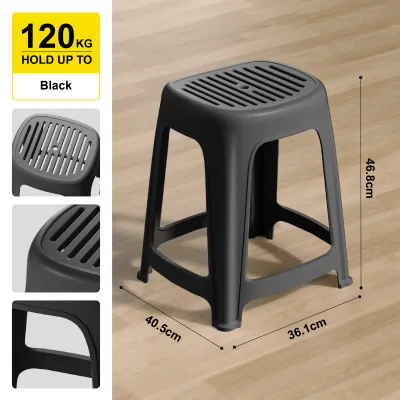
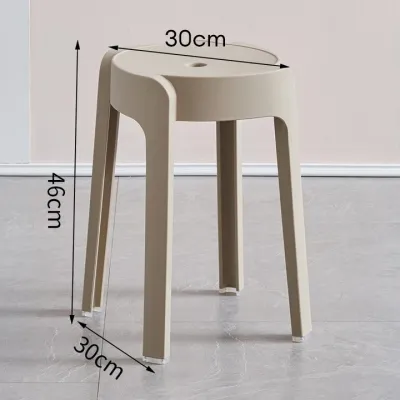
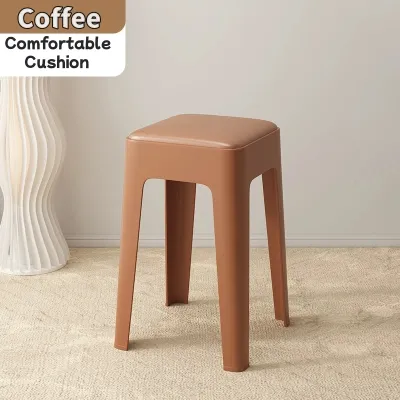

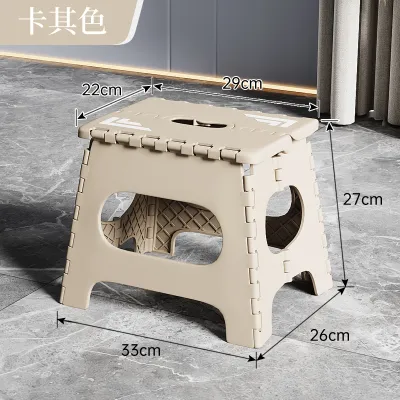
Prices are valid at publication and may change. Please refer to the product page for the latest price.
Shell Shape and Silhouette
The silhouette of a plastic chair sets its initial design tone. Scoop seats, which feature a continuous, fluid curve from the backrest down to the seat, offer a soft, organic look that minimizes visual harshness. Bucket designs wrap slightly around the sitter, providing built-in armrests and a sense of cozy enclosure. Flat-back or slatted designs mimic traditional wooden chairs, offering a more structured, familiar appearance that can ground a dining set.
Surface Finish and Texture
The way a chair reflects or absorbs light heavily influences its perceived quality and style. Matte finishes are highly popular in contemporary design because they diffuse light, hiding minor smudges while lending a sophisticated, velvety texture to the room. Glossy finishes, on the other hand, reflect light sharply, creating a high-energy, retro, or ultra-modern vibe that can make a small dining area feel brighter. Molded structural patterns, such as geometric ridges or faux-weave textures, add tactile depth and break up the monotony of solid plastic surfaces.
Base and Leg Material Pairings
The legs of a plastic chair dictate its visual weight and structural style. An all-plastic molded chair, where the seat and legs are a single continuous piece, offers a sculptural, minimalist look. Pairing a plastic shell with wooden legs introduces organic warmth and texture, softening the synthetic feel of the polymer. Metal legs—whether finished in matte black, chrome, or brushed brass—can instantly shift a chair’s aesthetic toward industrial, mid-century, or high-end contemporary.
Plastic Chair Styles for Modern and Minimalist Interiors
Modern and minimalist dining spaces rely on clean lines, uncluttered surfaces, and a sense of quiet restraint. In these environments, plastic dining chairs should blend seamlessly into the background or provide a singular, highly disciplined design statement.

To achieve this look, prioritize monochromatic color palettes and matte finishes. Pure white, deep charcoal, matte black, or muted grey chairs help reduce visual noise around the dining table. These neutral tones allow the form of the chair to speak for itself without competing with other architectural features in your home.
Look for streamlined silhouettes that feature hidden, slim, or geometric metal bases. A cantilevered base or a simple, ultra-thin powder-coated steel frame keeps the area beneath the table looking open and airy. This is particularly beneficial in compact urban dining areas, where heavy, bulky furniture can make a room feel cramped.
Finally, inspect the chairs for seamless construction. High-quality minimalist plastic chairs should feature clean joints, hidden fasteners, and an absence of ornate or distracting detailing. The goal is to find a design where the seat and backrest appear as a single, uninterrupted gesture of material.
Mid-Century and Retro Aesthetics: Curved Shells and Mixed Legs
The mid-century modern movement embraced molded plastic as a revolutionary material, using it to create some of the most iconic furniture designs of the twentieth century. If your home features warm wood tones, tapered legs, and organic shapes, retro-inspired plastic chairs are a natural fit.
Focus on recognizing ergonomic, curved bucket seats and organic, flowing shapes. The classic molded plastic shell chair, which contours to the human body, is the quintessential choice for this aesthetic. These curved forms soften the straight lines of mid-century dining tables, creating a balanced and inviting dining arrangement.
To capture the authentic retro vibe, look for plastic shells paired with traditional wooden dowel legs or metal wire bases. Wooden legs, often made of beech or ash and reinforced with black metal struts, bring a warm, architectural quality to the space. Alternatively, hairpin metal legs offer a playful, lightweight look that keeps the dining set feeling casual and approachable.
Do not be afraid to experiment with color in a mid-century space. While neutral shells work well, opting for bold, saturated colors like mustard yellow, olive green, or burnt orange can turn your dining chairs into intentional accent pieces. If you prefer a softer look, muted pastel tones like sage, dusty blue, or pale peach offer a subtle nod to vintage design without overwhelming the room.
Industrial and Urban Spaces: Utilitarian and Mixed-Material Designs
Industrial design celebrates raw materials, exposed structural elements, and a rugged, utilitarian sensibility. Plastic dining chairs can work beautifully in these spaces, provided they feature the right structural details and material contrasts.
Select utilitarian shapes that embrace visible hardware, rivets, or structural framing. Instead of hiding the connection points between the plastic seat and the base, industrial-style chairs often highlight them. Look for designs where the plastic shell is bolted to a heavy-duty frame with prominent metal brackets, giving the chair an engineered, workshop-ready appearance.
Color and material pairings are crucial for this look. Combine dark or neutral plastic seats—such as slate grey, navy, or forest green—with heavy-duty metal, cast iron, or pipe-style legs. Matte black powder-coated steel or distressed gunmetal frames provide the necessary weight and contrast to ground the lightweight plastic shells.
Additionally, opt for textured or slightly distressed finishes. A matte, micro-textured plastic surface is highly practical in an industrial setting, as it tolerates daily wear and tear while enhancing the rugged, unpolished look of concrete floors, exposed brick walls, and reclaimed wood tables.
Coastal and Bohemian Themes: Textured and Rattan-Effect Resin
Coastal and bohemian interiors are defined by relaxation, natural textures, and an eclectic mix of organic materials. While plastic might not be the first material you associate with these nature-inspired themes, modern textured resin chairs offer a highly practical and stylish solution.
Look for rattan-effect, wicker-look, or woven-pattern molded plastics that mimic natural materials. Advanced molding technology allows manufacturers to create chairs with intricate, open-weave patterns that closely resemble natural rattan or split bamboo. These designs provide the breezy, organic texture required for a boho or coastal look while offering superior durability and ease of maintenance.
To maintain a light, airy atmosphere, stick to a palette of soft, natural colors. White, cream, warm beige, terracotta, and soft earth tones work best to reflect natural light and complement other organic elements in the room, such as indoor plants, jute rugs, and linen drapes.
One of the greatest advantages of using textured resin in a coastal or bohemian dining room is its practicality. Natural rattan and wicker can be difficult to clean, as dust, crumbs, and liquid spills easily get trapped in the fibers. High-quality molded resin mimics the look perfectly but can be effortlessly wiped clean with a damp cloth, ensuring your dining area remains hygienic and fresh.
Space, Comfort, and Fit Checks Before You Buy
Before finalizing your purchase, it is essential to perform a few practical checks to ensure your chosen plastic dining chairs are comfortable, safe, and properly scaled for your specific dining area.
First, measure your dining table height and compare it to the chair’s seat height. To ensure comfortable leg clearance and a natural dining posture, aim for a gap of approximately 25 to 30 centimeters between the top of the chair seat and the underside of the dining table. Be sure to measure the lowest point of the table’s underside, such as the support apron, rather than just the tabletop surface.
Next, evaluate the chair’s overall footprint and armrest width. In smaller dining spaces or compact apartments, armless plastic chairs are often the most practical choice because they can be pushed fully under the table when not in use, saving valuable floor space. If you prefer the comfort of armrests, verify that the armrest height is low enough to clear the bottom of your table. If you frequently host guests or need to clear the space for other activities, look for stackable plastic chairs that can be easily stored away.
Finally, review the manufacturer’s specifications for weight limits, structural warranties, and material composition. High-quality plastic dining chairs are typically molded from high-density polypropylene or polycarbonate, which offer excellent tensile strength, flexibility, and resistance to cracking. Checking these specifications ensures your chairs will safely withstand daily use for years to come.
Frequently Asked Questions (FAQ)
Can plastic dining chairs look expensive in a formal dining room?
Yes, plastic dining chairs can look highly sophisticated and expensive in a formal setting if you focus on material contrast and architectural shapes. Look for chairs that pair a premium, matte-finished plastic shell with high-quality solid wood legs, such as oak or walnut, or refined metal bases in brushed brass or chrome. Choosing chairs with unique, sculptural silhouettes designed by established furniture designers can also elevate the room’s aesthetic. To add warmth, comfort, and a touch of formality, you can pair the chairs with tailored, slim upholstered seat pads or high-quality textured throws that complement your dining room’s color scheme.
How do I prevent plastic and mixed-material chairs from scratching hard floors?
Preventing floor scratches is essential, especially if your dining room features hardwood, polished marble, or luxury vinyl flooring. Before assembling your chairs, check the bottom of the legs for factory-installed glides, caps, or felt pads. If the chairs come with hard plastic or metal glides, apply high-quality aftermarket floor protectors, such as heavy-duty felt pads for wood floors or soft silicone caps for tile and stone. Establish a routine to inspect the bottom of the chair legs every few months; dust, pet hair, and grit can easily become trapped in felt pads, turning them abrasive and potentially scratching your floors during daily use.

Community discussion
Share your experience or ask a question. Comments are reviewed before publication.