
Selecting the right OTO massage chair requires a systematic comparison of roller technologies, track designs, spatial requirements, and customization features to match your household’s physical needs. Because these chairs represent a significant long-term investment in home wellness, understanding how different specifications translate to actual physical comfort is essential. By evaluating the mechanical capabilities, spatial footprints, and warranty terms of various models, you can identify a configuration that fits both your living space and your physical recovery goals.
Key Dimensions for Comparing OTO Massage Chairs
To establish a reliable framework for comparing different OTO massage chair models, you must first look at the core mechanical specifications provided on manufacturer labels and product brochures. The primary massage mechanism is defined by its roller classification, typically categorized as 2D, 3D, or 4D systems. A 2D roller system operates on a flat plane, moving vertically up and down the back and horizontally side to side, which offers a consistent but relatively uniform pressure. If you require a more personalized depth of massage, a 3D roller system allows the rollers to protrude forward and retract backward, mimicking the hands of a massage therapist pressing into the muscle tissue. For highly customizable relief, a 4D roller system introduces variable speed and rhythm adjustments to the depth movement, accelerating or slowing down during specific strokes to simulate professional massage techniques.
Beyond the roller mechanism, airbag distribution plays a critical role in providing full-body compression where mechanical rollers cannot reach. When comparing models, check the technical specifications for the number and placement of airbag compression zones, particularly around the shoulders, arms, calves, and feet. Airbags work by inflating and deflating to squeeze muscle groups, promoting circulation and holding the body in place so the back rollers can work more effectively. A model with multi-chamber airbags in the shoulder and calf areas will offer a more secure hold and a more thorough compression experience than a model with fewer, single-chamber airbags.
Products mentioned in this guide
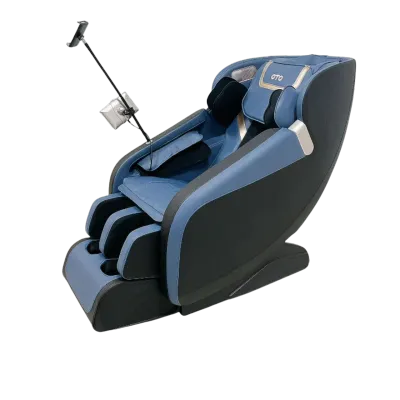
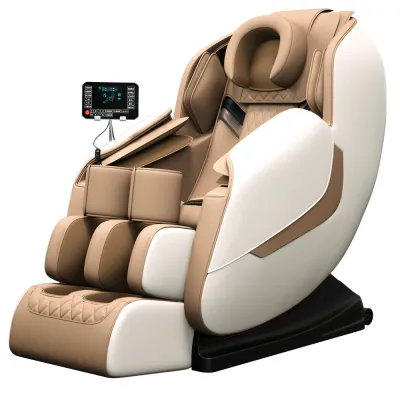
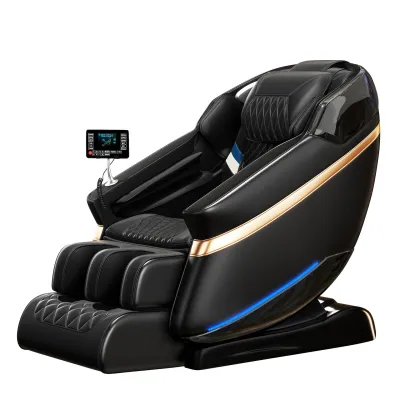
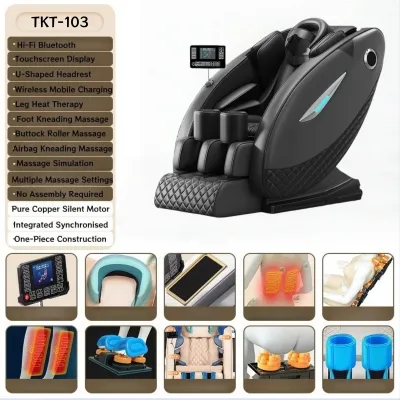
Prices are valid at publication and may change. Please refer to the product page for the latest price.
Another key dimension is the balance between pre-programmed automated routines and manual customization options. Automated programs are designed for convenience, offering curated sequences for relaxation, deep tissue recovery, or morning stretching at the touch of a button. However, manual customization is vital if you have specific trouble spots, such as a stiff neck or a tight lower back. Ensure the model you select allows you to adjust the roller speed, width, and target location manually, giving you the flexibility to pause the rollers on a specific knot or bypass sensitive areas entirely.
Evaluating Massage Tracks and Roller Systems
The shape and length of the track guide the rollers along your body, making the track design one of the most critical factors in determining the overall massage coverage. An S-track design follows the natural curvature of the human spine, focusing intensely on the neck, shoulders, and lower back before stopping at the lumbar region. If you require coverage that extends further down, an L-track design continues past the lower back, wrapping under the seat to massage the glutes and upper hamstrings. For a comprehensive experience, an SL-track combines the spinal contouring of the S-track with the extended reach of the L-track, ensuring continuous roller contact from the base of your skull down to your thighs.

To ensure the roller intensity aligns with your personal pain threshold and physical condition, you must verify the adjustability settings in the product manual before purchasing. Look for specifications detailing the adjustable roller width, which allows the rollers to expand or narrow to match the width of your shoulders and spine. Additionally, check the protrusion limits of the rollers; models with high protrusion capabilities can deliver an intense deep-tissue massage, which may be too intense for some users if it cannot be dialed down. A wide range of speed and intensity settings ensures that multiple family members can use the same chair comfortably by adjusting the settings to their individual preferences.
Thermal therapy is another feature that significantly enhances the effectiveness of a massage, and its presence should be verified via official specification sheets. Heating elements, typically made of carbon fiber, are commonly integrated into the lumbar region to help soothe tight lower back muscles and improve flexibility. Some advanced models also feature heating elements in the calf or foot rests, which is highly beneficial for individuals who spend long hours standing. When comparing models, check whether the heating function can be turned on or off independently of the massage programs, as this allows for greater comfort during warmer seasons.
Space, Delivery, and Home Environment Checks
Before finalizing your choice of an OTO massage chair, you must conduct thorough spatial and environmental checks to ensure the unit can be safely delivered and operated in your home. In Singapore, where residential layouts like HDB flats and condominiums often feature tight corridors, sharp corners, and compact elevators, measuring clearance is a critical first step. Compare the manufacturer’s minimum delivery clearance requirements against the actual dimensions of your main entryway, internal doorways, staircases, and elevator doors. Many delivery issues arise not from the room where the chair will sit, but from narrow turns in hallways or lift entrances that prevent the fully assembled box from passing through.
Once the delivery path is verified, you must calculate the physical footprint of the chair in both its upright and fully reclined positions. Standard massage chairs require significant clearance behind the backrest to recline fully, which can consume valuable floor space in smaller living areas or bedrooms. To mitigate this, look for models featuring “wall-hugging” or zero-wall-clearance technology, which allows the chair to slide forward on its base as it reclines, requiring only a few centimeters of clearance from the wall. Always verify the exact dimensions of the fully reclined chair in the product specifications to ensure it will not block walkways or interfere with nearby furniture.
Finally, consider the structural and electrical requirements of the chair within your home environment. Massage chairs are heavy appliances, often weighing over 80 kilograms, so you should ensure your flooring can support the concentrated weight, particularly if placing the chair on delicate materials like soft wood or vinyl. Using a dedicated, high-density protective mat under the chair can help distribute the weight and prevent scratches or indentations. Additionally, verify that the intended location is within safe reach of a properly grounded electrical outlet, avoiding the use of long extension cords or overloaded power strips to ensure safe and stable electrical operation.
Matching Features to User Profiles and Needs
To get the most value out of your massage chair, it is helpful to match specific technical features to the primary physical needs and lifestyles of the users in your household. For desk-bound professionals or individuals experiencing chronic lower back stiffness, a model equipped with an extensive SL-track and targeted lumbar heating is highly suitable. The combination of deep-tissue roller movement along the lower spine and soothing heat helps relieve the muscle tension accumulated from hours of sitting, while the stretching programs can help improve overall spinal mobility.
If the massage chair is intended primarily for elderly family members or individuals with sensitive physical conditions, the focus should shift toward gentle, highly adjustable settings. For these users, look for models that offer low-intensity manual overrides and a comprehensive airbag compression system rather than intense mechanical roller action. Gentle airbag compression on the calves and arms can provide a soothing, circulatory massage without the risk of bruising or discomfort that deep-tissue rollers might cause. Ensure the remote control or interface is intuitive, with large, clear buttons and straightforward automated programs that do not require navigating complex digital menus.
For households where floor space is strictly limited, prioritizing compact designs and zero-wall-clearance mechanisms is the most practical approach. Some models are specifically engineered with a smaller overall frame and a narrower seating width, making them easier to integrate into cozy study rooms or bedroom corners. By focusing on space-saving models that do not sacrifice core roller functionality, you can enjoy the benefits of regular massage therapy without compromising the flow and usability of your living space.
Verifying Warranty, Support, and Purchase Channels
Protecting your investment in an OTO massage chair requires careful verification of the warranty terms, after-sales support structure, and the legitimacy of the retail channel. When reviewing the warranty, look closely at the duration and the specific coverage details, distinguishing between coverage for mechanical parts, electronic components, and labor. In Singapore, it is essential to confirm that the brand has a dedicated local service center with qualified technicians who can perform in-home repairs, as transporting a heavy massage chair for servicing is highly impractical and costly.
To ensure your warranty remains valid and that you have access to genuine replacement parts and official firmware updates, always purchase through authorized brand distributors or official retail outlets. Buying from unauthorized parallel importers or unverified sellers on online marketplaces may result in a voided warranty, leaving you without support if a component fails. Authorized distributors can also provide professional delivery and installation services, ensuring the chair is assembled correctly and safely calibrated before its first use.
Lastly, review the retailer’s return policy and the conditions surrounding any in-home trial periods before making your purchase. Understand whether there are restocking fees, administrative charges, or return delivery fees if the chair does not meet your expectations upon delivery. Clarifying these terms beforehand protects you from unexpected expenses and ensures a smooth, risk-free purchasing experience.
Frequently Asked Questions (FAQ)
How much electricity does a typical massage chair consume?
To find the exact power consumption of a specific model, check the wattage rating printed on the product’s specification label, which is typically located on the back or bottom of the chair’s frame, or refer to the technical specifications in the user manual. A typical massage chair operates within a modest wattage range, often comparable to other standard household appliances. However, actual electricity consumption will vary depending on how you use the chair; running high-intensity motor functions, active roller movements, and integrated heating elements simultaneously will draw more power than running a gentle, airbag-only compression program without heat.
Can I test OTO massage chairs before purchasing?
Yes, visiting authorized brand showrooms or designated retail counters in Singapore is highly recommended to experience the comfort and functionality of different models firsthand. When testing a chair, it is beneficial to have the primary users try it to verify that the shoulder width aligns correctly, the leg rest extends to a comfortable length, and the control interface is easy to navigate. Spending at least fifteen minutes running a full automated program during your trial will give you a realistic sense of the roller intensity, airbag pressure, and overall ergonomic fit before making a final decision.

Community discussion
Share your experience or ask a question. Comments are reviewed before publication.