
Deciding between an OSIM massage sofa and a traditional leather sofa in Singapore depends on whether you prioritize targeted, automated physical recovery or versatile, spacious lounging. A massage sofa serves as a dedicated wellness station with integrated mechanical rollers and pre-programmed routines, making it ideal for personal relaxation. In contrast, a regular leather sofa offers flexible seating configurations, classic aesthetic appeal, and a softer, more accommodating surface for hosting guests or napping. Evaluating your daily habits, living room dimensions, and long-term maintenance preferences will reveal which option offers the best return on your investment.
Core Functionality and Daily Use
A massage sofa is engineered primarily for therapeutic relief. It features internal rollers, airbags, and heating elements designed to target specific muscle groups along the neck, back, and calves. These automated programs are highly beneficial if you seek structured, daily physical recovery after long hours at a desk or intense workouts.
However, this specialized focus alters the seating dynamics. The internal machinery requires a firmer, more structured frame, which can limit the casual, plush comfort typically associated with lounging. If your primary goal is to sprawl out, nap, or cuddle with family members, the rigid contours of a massage mechanism may feel restrictive over extended periods.
Products mentioned in this guide
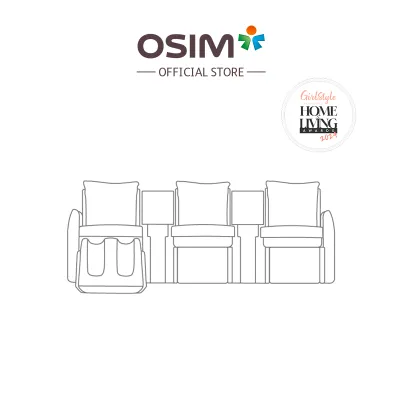
Prices are valid at publication and may change. Please refer to the product page for the latest price.
Traditional leather sofas excel in versatility and social utility. They accommodate multiple seating postures, allowing you to sit upright, lie down, or share the space with several guests simultaneously. The absence of internal mechanical tracks means the entire surface remains soft and adaptable to different body shapes and movements.
When evaluating household usage patterns, consider how many people will use the seating daily. A massage sofa is essentially a single-user experience during its active cycle, meaning family members must take turns to enjoy its primary benefit. A standard three-seater leather sofa, on the other hand, easily hosts three or four people at once for movie nights or casual conversations.
Before purchasing, it is essential to check the manufacturer’s specifications regarding massage intensity and adjustability. Some models allow you to customize the roller depth, speed, and airbag pressure to suit different family members. Additionally, test the ergonomics of the unit when the massage function is turned off to ensure it provides adequate lumbar support as a passive seat.
Space, Dimensions, and Room Layout
Integrating a massage sofa into a Singapore home requires careful spatial planning, particularly in compact HDB flats or condominium units. Unlike standard sofas that can sit flush against a wall, many massage sofas require significant rear clearance to accommodate their reclining mechanisms. This means the unit must be positioned further into the room, potentially disrupting your established traffic flow.

Traditional leather sofas offer far greater flexibility in configuration and sizing. You can choose from compact two-seaters, expansive L-shaped sectionals, or modular designs that fit neatly into specific corners. This adaptability allows you to maximize floor space and tailor the seating arrangement to the exact dimensions of your living room.
To avoid delivery and installation issues, you must measure your available floor space and compare it against the fully reclined dimensions of the massage sofa. Do not rely solely on the upright footprint; check the manufacturer’s product manual for the maximum length and width when the leg rest is extended and the backrest is fully lowered.
Equally important is verifying the delivery pathway. Measure the width and height of your building’s elevator doors, common corridors, and your apartment’s main entryway. Massage sofas are often heavy, solid units with non-detachable frames, making them much harder to maneuver through tight corners than modular traditional sofas.
Consider the visual weight of the furniture within your interior design theme. A massage sofa, with its integrated control panels, synthetic leather panels, and mechanical bulk, presents a modern, high-tech aesthetic that may clash with minimalist, Scandinavian, or classic decor. A traditional leather sofa offers a timeless, low-profile silhouette that seamlessly blends with diverse design styles.
Maintenance, Durability, and Care
Maintaining a traditional leather sofa involves preserving the natural hide from environmental wear. Regular care requires wiping the surface with a dry microfiber cloth to remove dust and applying a specialized leather conditioner every six months to prevent cracking. It is also crucial to position the sofa away from direct sunlight and air conditioning vents to avoid premature drying and fading.
Massage sofas present a more complex maintenance profile due to their hybrid construction. They often combine genuine leather, synthetic leather, and fabric mesh over the massage nodes. Each of these materials requires a different cleaning approach; for instance, the fabric mesh covering the rollers may need gentle vacuuming, while synthetic sections require specific non-alcohol wipes to prevent material degradation.
The presence of electronic and mechanical components introduces additional upkeep considerations. Moving parts, such as the reclining tracks and roller assemblies, should be inspected periodically for smooth operation. Dust accumulation inside the mechanical housing can affect performance, so keeping the surrounding area clean is vital.
When comparing long-term durability, remember that mechanical and electronic components are inherently more susceptible to wear and technical faults than a solid wooden frame and foam cushions. A traditional leather sofa, when properly cared for, can last for decades, with the leather developing a desirable patina over time.
Always review the manufacturer’s care manual and warranty terms before finalizing your choice. Pay close attention to how the warranty distinguishes between mechanical failures—such as motor burnouts or control panel malfunctions—and cosmetic wear and tear on the upholstery. Understanding these boundaries helps you anticipate potential out-of-pocket expenses down the road.
Budget, Warranty, and Long-Term Value
The financial investment for both sofa types can be substantial, but they represent different kinds of value. A high-quality massage sofa typically commands a premium price, often starting from several thousand S$, reflecting the cost of integrated robotics, heating technology, and computerized programming. You are investing in a multi-functional wellness appliance rather than just a piece of furniture.
Traditional leather sofas span a much wider price spectrum, determined primarily by the quality of the hide and the craftsmanship of the frame. Top-grain or full-grain leather sofas represent a significant upfront cost but offer exceptional longevity. Alternatively, corrected-grain or split-leather options provide a more accessible entry point for budget-conscious homeowners.
Warranty verification is a critical step in assessing long-term value. For a massage sofa, confirm the specific coverage periods for the motor, the mechanical rollers, the electronic motherboard, and the upholstery. A comprehensive warranty that covers both parts and local technician transport fees is highly valuable, given the complexity of on-site electronic repairs.
For a traditional leather sofa, the warranty typically focuses on the structural integrity of the solid wood frame and the suspension springs. The leather upholstery itself is rarely covered against scratches, spills, or natural stretching, as these are considered normal results of daily use.
Consider the long-term financial implications of repairs and resale. If an electronic component fails out of warranty, replacement parts and specialized labor can be costly. Conversely, a worn traditional leather sofa can often be professionally reupholstered or repaired by local artisans, extending its lifespan indefinitely and preserving its resale value in the secondhand furniture market.
How to Decide: A Practical Checklist
To determine which investment aligns with your lifestyle, evaluate your household priorities against this practical decision framework.
Opt for an OSIM massage sofa if:
- You prioritize daily, automated physical therapy and targeted muscle relief within the comfort of your home.
- You have sufficient living room space to accommodate the necessary wall clearance for a full reclining mechanism.
- You view the purchase primarily as a personal wellness appliance rather than a multi-person social seating solution.
- You are comfortable managing the specific care requirements of electronic components and hybrid upholstery materials.
Opt for a traditional leather sofa if:
- Your primary requirement is versatile, comfortable seating that can accommodate multiple family members and guests simultaneously.
- You prefer a classic, low-profile aesthetic that integrates seamlessly with various interior design styles.
- You want a low-maintenance furniture piece with a long lifespan and straightforward cleaning routines.
- You wish to maximize your living room's layout flexibility without worrying about power outlet proximity or mechanical clearance.
Regardless of your choice, always measure your home’s entryways, corridors, and lift dimensions to ensure hassle-free delivery, and carefully read the warranty terms to secure your investment.
Frequently Asked Questions (FAQ)
Can I use an OSIM massage sofa as my primary everyday couch?
While you can sit on a massage sofa when the mechanism is turned off, it is generally not designed to replace the plush, deep-seated comfort of a traditional everyday couch. The internal roller tracks and mechanical components require firmer padding, which can feel rigid during prolonged, passive sitting. Additionally, the fixed armrest heights and structured seating angles are optimized for massage ergonomics rather than casual lounging or napping. It is highly recommended to test the passive seating comfort in a showroom for at least twenty minutes before deciding to use it as your primary living room seat.
Does a leather sofa require more maintenance in a humid climate?
Yes, Singapore’s high humidity levels can affect natural leather if it is not properly maintained. Excess moisture in the air can encourage mold growth on genuine leather surfaces, while prolonged exposure to dry air conditioning can cause the hide to dry out and crack. To protect your investment, choose a leather sofa with a protective topcoat, maintain good indoor airflow, and use a dehumidifier if necessary. Regularly applying a high-quality leather conditioner according to the manufacturer’s instructions will help preserve the material’s flexibility and prevent moisture-related damage.

Community discussion
Share your experience or ask a question. Comments are reviewed before publication.