
Selecting between a wellness-focused couch, such as an OSIM model, and a traditional sofa bed requires a clear understanding of your household’s primary needs. While both serve as multi-functional living room centerpieces, they are engineered for entirely different purposes. A wellness couch prioritizes daily physical recovery, targeted massage, and ergonomic seating, whereas a standard sofa bed is designed to maximize flat sleeping space for overnight guests. Choosing the wrong category can lead to compromised comfort, spatial frustration, or underutilized features.
To make an informed investment, you must evaluate how the furniture will be used on a daily basis, the physical constraints of your living space, and the mechanical differences between these two categories. This guide breaks down the essential structural, functional, and safety checks to help you select the right multi-functional seating for your home.
Understanding the Core Difference: Wellness Couches vs. Standard Sofa Beds
Wellness-focused couches and traditional sofa beds diverge fundamentally in their engineering goals. A wellness couch integrates motorized mechanisms, targeted massage rollers, and heating elements directly into its frame. The primary design objective is to provide therapeutic relaxation and ergonomic support while seated or semi-reclined. Because of these built-in mechanical components, the frame is rigid and contoured, meaning it cannot unfold into a completely flat, continuous mattress.
Products mentioned in this guide
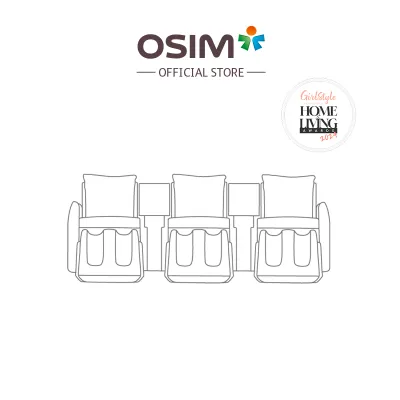
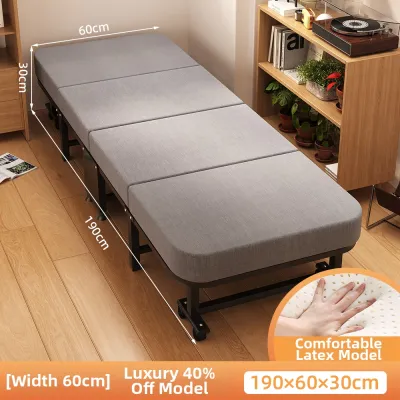
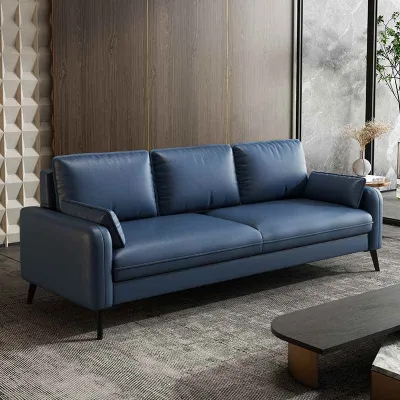
Prices are valid at publication and may change. Please refer to the product page for the latest price.
In contrast, a standard sofa bed is engineered to prioritize sleeping utility. Whether utilizing a pull-out frame, a click-clack hinge, or a fold-down backrest, its main purpose is to transition from a upright sofa into a flat, uniform sleeping surface. These pieces prioritize mattress support, sleeping width, and cushioning consistency over active therapeutic features.
This structural difference dictates their ideal use cases. A wellness couch is best suited for individuals seeking daily physical recovery from muscle tension or fatigue within their primary living space. A traditional sofa bed is the practical choice for households that frequently host overnight guests or those living in compact studio apartments where a single piece of furniture must serve as both a primary bed and daily seating.
Key Spatial and Structural Checks for Multi-Functional Furniture
Before purchasing any multi-functional couch, you must verify both the static and dynamic dimensions of your room. A wellness couch requires specific “wall clearance” to allow the backrest to recline fully without hitting the wall behind it. Additionally, you must account for the front clearance needed when the motorized footrest extends. For a traditional sofa bed, you must measure the total extended length of the mattress frame when fully deployed to ensure it does not block vital walkways or collide with other furniture.

Delivery access is another critical factor that is frequently overlooked, particularly in high-rise apartments or condominiums. Motorized wellness couches are often delivered as heavy, single-unit chassis with limited disassembly options. Measure the width and height of your front door, any narrow hallway corners, and the internal dimensions of your building’s elevator. If the packaged box cannot clear these entry points, you may face costly delivery failures or return fees.
Finally, consider the structural weight of the furniture and its impact on your flooring. Motorized frames, internal motors, and heavy steel linkages make wellness couches significantly heavier than standard sofas. This concentrated weight is distributed across small, heavy-duty feet. To prevent permanent denting or scratching on soft wood parquet, laminate, or vinyl flooring, plan to use dedicated furniture cups or thick felt protective pads under the contact points.
Feature Comparison: What to Expect from Each Category
Comparing the specifications of these two categories requires looking closely at their mechanical systems, power dependencies, and material compositions. Traditional sofa beds rely on manual folding systems that require physical effort to deploy but have no electrical components that could fail over time. Wellness couches utilize electronic reclining systems controlled by remote handsets or integrated side panels, offering precise angle adjustments at the touch of a button.
Because wellness couches are motorized, they require continuous proximity to a power source. You must plan your room layout to ensure the power cable can reach an outlet safely without being stretched or positioned where the reclining mechanism could pinch or sever the cord. Standard sofa beds do not require electrical power unless they feature secondary additions like integrated USB charging ports or built-in LED lighting.
Upholstery and cushioning materials also differ based on the furniture’s primary function. In humid climates, synthetic leathers (such as polyurethane or specialized PVC) commonly found on wellness couches are easy to wipe clean but require regular maintenance to prevent peeling. Traditional sofa beds often use woven fabrics, which offer better breathability for sleeping but require stain-protection treatments. The cushioning on a wellness couch is highly contoured and dense to support the internal massage rollers, whereas a sofa bed uses flatter, medium-density foam or pocket springs designed to distribute body weight evenly during sleep.
| Feature / Dimension | Wellness Couch (e.g., OSIM) | Traditional Sofa Bed |
|---|---|---|
| Primary Mechanism | Motorized electronic recline & massage rollers | Manual fold-down, click-clack, or pull-out frame |
| Power Requirements | Continuous AC power (grounded wall outlet) | None (unless equipped with secondary USB ports) |
| Primary Function | Daily therapeutic relaxation & ergonomic seating | Occasional overnight guest sleeping & seating |
| Space Clearance | Rear wall clearance & front footrest extension | Front extension for mattress deployment |
| Sleeping Surface | Contoured, semi-reclined (not fully flat) | Flat, continuous mattress surface |
Matching the Couch to Your Lifestyle and Space
Your daily household routines and spatial limitations should ultimately dictate which option you choose. If your priority is personal physical recovery after long hours of working or standing, a wellness couch offers a dedicated relaxation zone in your main living room. It integrates therapeutic benefits directly into your daily seating area, eliminating the need to find extra floor space for a bulky, single-purpose massage chair.
On the other hand, if your primary challenge is maximizing the utility of a spare room or hosting visiting family members, a traditional sofa bed is the logical choice. It allows a study or home office to transition seamlessly into a guest bedroom when needed, providing a flat, comfortable sleeping surface that closely mimics a standard bed.
If your household includes young children or pets, safety clearances must be a primary consideration. Motorized wellness couches and folding sofa bed frames contain moving metal joints, scissor mechanisms, and open bases. Always check if the motorized model features automatic safety sensors that halt movement if an obstruction is detected. Keep remote controls out of reach of children, and ensure pets are kept at a safe distance whenever the mechanisms are being operated.
Essential Pre-Purchase and Installation Checks
Before finalizing your purchase, carefully review the manufacturer’s warranty terms. For motorized wellness couches, warranties are typically split into different coverage periods: one tier covers the electronic components, motors, and control pads, while another covers the structural frame and upholstery. Ensure you understand the local service process and whether technicians perform in-home repairs or require the unit to be transported back to a service center.
Electrical safety is paramount when installing motorized furniture. Plan to plug the couch directly into a grounded wall outlet. Avoid using daisy-chained extension cords or running power cables underneath rugs, as this creates a significant electrical and fire hazard. If your desired placement does not have a nearby outlet, consider hiring a licensed electrician to install a new wall socket before the furniture arrives.
Finally, confirm the delivery and assembly services offered by the retailer. Because of the weight and mechanical complexity of both wellness couches and high-quality sofa beds, professional assembly is highly recommended. Verify the retailer’s return policy, specifically checking if they accept returns on motorized items and whether restocking fees or return transport costs apply if the product does not meet your expectations.
Frequently Asked Questions (FAQ)
Can I use a wellness massage couch as a daily sleeping bed?
No, wellness massage couches are not designed to replace a daily sleeping bed. They do not unfold into a continuous, flat surface, and their contoured cushioning is engineered specifically to support an upright or semi-reclined active massage posture. Sleeping on these contoured surfaces long-term can lead to spinal discomfort and may place uneven, prolonged stress on the internal mechanical joints.
What are the electrical requirements for motorized multi-functional couches?
Motorized multi-functional couches generally require a standard domestic power outlet (typically 220-240V). They should be plugged directly into a grounded wall socket to ensure safe operation. Avoid using multi-way adapters or lightweight extension cords, as the motors draw variable current during operation, which can overload substandard electrical accessories.
How do I clean and maintain the upholstery on a motorized sofa?
Always refer to the manufacturer’s care label for specific cleaning instructions. For synthetic leather or fabric covers near motorized parts, use a slightly damp microfiber cloth and avoid excess moisture that could seep into the internal electronics. Never spray liquid cleaners directly onto control panels, power switches, or near the base where the motors and wiring are housed.

Community discussion
Share your experience or ask a question. Comments are reviewed before publication.