
Finding the right balance between physical relief and practical home integration is key when selecting a back massager. In urban living environments where space is highly valued, deciding on the right massage equipment involves evaluating both your personal wellness needs and your available floor area. OSIM has established a diverse range of products designed to address back tension, ranging from highly portable massage cushions that adapt to your existing chairs to expansive, full-body massage chairs that serve as dedicated wellness stations. To make an informed investment, you must compare these options across several critical dimensions, including mechanical capabilities, spatial requirements, and long-term maintenance.
Understanding OSIM's Back Massager Product Lines
OSIM categorizes its back-relief solutions into two primary product lines: portable back massagers (often referred to as massage cushions or seats) and full-body massage chairs. Portable back massagers are designed to be placed on top of existing furniture, such as office chairs, dining chairs, or sofas. They focus primarily on the upper back, lower back, and shoulders, making them an excellent choice for individuals who want to integrate massage therapy into their daily work-from-home routine or those with limited living space. Because they are lightweight and easy to store, you can move them between rooms or pack them away when guests visit.
In contrast, full-body massage chairs are standalone furniture pieces that offer comprehensive, multi-zone therapy. These chairs integrate back massage with leg, foot, arm, and shoulder compression, often utilizing advanced reclining mechanisms to distribute body weight evenly. While they provide a much more immersive experience, they require a permanent footprint in your home and a higher initial financial commitment. Because product names, specific features, and model availability are updated frequently by the manufacturer, it is essential to verify the current lineup on the official OSIM website or at an authorized retail showroom before making a final decision.
Products mentioned in this guide
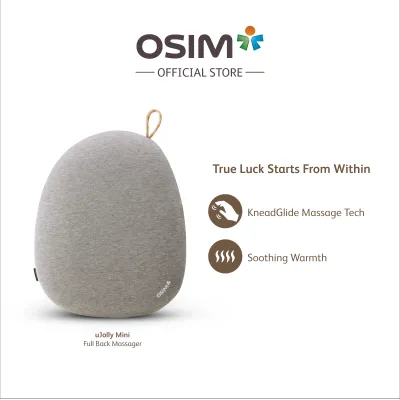
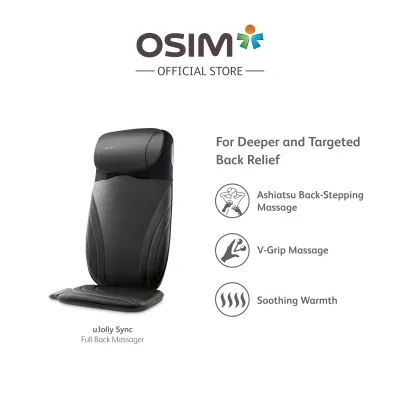
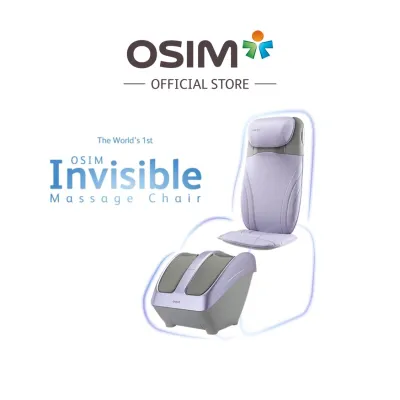
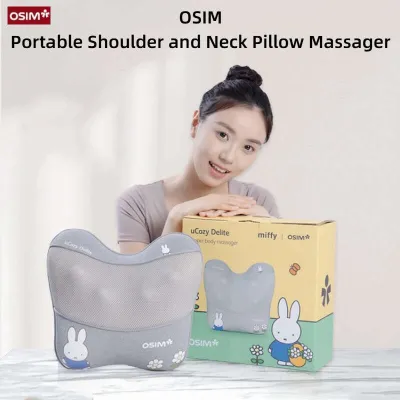
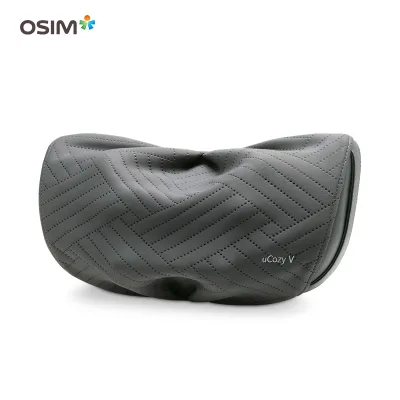
Prices are valid at publication and may change. Please refer to the product page for the latest price.
Core Features to Compare Across Models
When comparing different models, the massage mechanism itself is the most critical technical feature to evaluate. Basic models typically use fixed or simple rotating rollers that provide a standard kneading motion. Advanced models feature 3D or even 4D roller systems that move vertically, horizontally, and project outward to mimic the hands of a professional masseuse. You should check the manufacturer’s specification sheet for the track length; an S-track follows the natural curve of your spine, while an L-track extends further down to massage the glutes and thighs. Some models also incorporate specialized grip technology designed to target the shoulder blades and neck more precisely.

Heat therapy is another key feature that significantly enhances muscle relaxation. Most OSIM back massagers offer some form of thermal relief, but the coverage and intensity vary. Look for models that provide targeted lumbar heating, as gentle warmth helps dilate blood vessels, improve local circulation, and prepare tight muscles for deeper massage penetration. Some premium full-body chairs offer full-back heat or even heated rollers, which provide a more consistent sensation of warmth throughout the massage session.
Adjustability is vital for ensuring that the massager accommodates different body types and tolerance levels. A high-quality massager should allow you to adjust the roller width, speed, and overall intensity. Look for models that offer a mix of automated programs—designed for specific goals like deep tissue relief, relaxation, or morning energizing—and manual settings that let you pin the rollers to a specific sore spot. If multiple family members will use the device, highly adjustable models with user-profile memory are particularly beneficial.
Finally, pay close attention to the material quality and upholstery. Most massage devices utilize synthetic polyurethane (PU) leather or breathable mesh fabrics. PU leather is highly durable and easy to wipe clean, but its breathability can vary. Mesh inserts are often placed over the heating elements to allow warmth to transfer efficiently while keeping the user cool. Always check the manufacturer’s care labels to understand the cleaning requirements and ensure the materials align with your home’s climate and comfort preferences.
Assessing Performance and User Comfort
Evaluating performance claims requires looking past marketing terminology and focusing on objective specifications. When reviewing product sheets, check the motor power and the maximum weight capacity of the device. A robust motor ensures that the rollers maintain a consistent speed and pressure even when you lean back fully. For portable cushions, ensure the backrest height matches your torso length; if the unit is too short, the rollers may not reach your upper shoulders or neck effectively.
While specifications provide a helpful baseline, they cannot replace the value of physical testing. Visiting a local showroom allows you to experience the actual pressure and roller depth firsthand. What feels like a deep, satisfying massage to one person might feel uncomfortably intense to another. When testing a model, spend at least ten to fifteen minutes experiencing a full cycle to assess how your body responds to the mechanical movements. Additionally, inquire about the retailer’s return or exchange policies, as some online purchases may have different terms than in-store transactions.
Long-term satisfaction also depends heavily on the warranty and after-sales support. Massage devices contain complex mechanical parts, motors, and electronic control boards that can wear out over time. Verify the warranty duration and find out exactly what is covered—such as whether the warranty includes both parts and on-site labor. For large massage chairs, check if the brand provides professional technicians who can service the unit in your home, saving you the hassle of transporting a heavy piece of furniture.
Space, Installation, and Furniture Integration
Integrating a new massage device into your home requires careful spatial planning, particularly in compact apartments or HDB flats. For portable cushions, measure your existing chairs to ensure the massager fits securely without sliding or tipping. If you are considering a full-body massage chair, you must measure the designated floor space accurately. Many modern chairs feature a reclining mechanism that slides forward as it tilts back, which minimizes the required wall clearance, but you still need to account for the fully extended length of the footrest.
Delivery logistics are another crucial consideration that buyers often overlook. Full-body massage chairs are heavy, bulky items that cannot easily be disassembled. Before ordering, measure the width of your doorways, hallways, and elevator doors to ensure the delivery team can safely transport the chair into your living room. Some older apartment blocks may have narrower corridors or lift entrances that require special handling or may even limit the size of the chair you can purchase.
Electrical safety and cable management are also vital for a clean, safe setup. Ensure that there is a dedicated power outlet near the intended location of the massager to avoid running long extension cords across high-traffic areas, which can create tripping hazards. Check the manufacturer’s electrical specifications to ensure your home’s wiring can safely accommodate the device. If you have hardwood or laminate flooring, consider placing a protective mat under a heavy massage chair to prevent scratches and dampen any operational vibrations.
Decision Framework: Which OSIM Model Fits Your Needs?
To choose the right OSIM model, you must balance your physical needs, budget, and home environment. If you live in a compact home, value portability, or want a budget-friendly option, a dedicated back massage cushion is the most practical choice. These units typically cost several hundred S$ and can easily be moved from your home office to your living room sofa, offering targeted relief without occupying permanent floor space. They are ideal for addressing daily desk-bound fatigue and localized upper or lower back tension.
If you are looking for a comprehensive wellness solution and have both the budget and space, a full-body massage chair is a significant investment. These chairs, which generally range into several thousand S$, offer advanced features like zero-gravity positioning—which reclines your body to reduce spinal pressure—and synchronized multi-zone massage. This option is best suited for individuals seeking deep, full-body relaxation, chronic tension relief, and a dedicated sanctuary within their home.
Regardless of the model you choose, safety must always come first. Before purchasing or using any mechanical massage device, verify whether you have any underlying health conditions that might be affected. Individuals with spinal injuries, osteoporosis, pacemakers, or those who are pregnant should always consult a qualified healthcare professional. A medical consultation ensures that the mechanical pressure and heat therapy of a massager are safe for your specific physical condition.
Frequently Asked Questions (FAQ)
Are OSIM back massagers safe for daily use?
Yes, most OSIM back massagers are designed for daily use, provided you follow the manufacturer’s guidelines. Standard usage recommendations typically suggest limiting massage sessions to 15 or 20 minutes per session, up to two or three times a day. Overusing a massager can lead to muscle soreness or bruising, as the deep tissue rollers apply significant mechanical pressure. If you experience any persistent pain or discomfort during or after a session, stop using the device immediately and consult a doctor.
How do I clean and maintain the upholstery?
Proper maintenance is essential for preserving the appearance and lifespan of your massager’s upholstery. Always check the specific product care label before applying any cleaning agents. For synthetic leather (PU) surfaces, gently wipe the material with a soft, slightly damp microfiber cloth to remove sweat and dust after use. Avoid using harsh chemical solvents, alcohol-based wipes, or abrasive cleaners, as these can dry out and crack the synthetic leather, potentially voiding your warranty. For fabric mesh sections, a gentle vacuuming with a brush attachment can help remove lint and dust.

Community discussion
Share your experience or ask a question. Comments are reviewed before publication.