
Selecting the ideal solid wood dining chairs for a home in Singapore requires balancing aesthetic preferences with the realities of a tropical climate. Teak generally offers the highest natural resistance to moisture and dimensional changes due to its high natural oil content and dense grain structure, making it exceptionally stable in humid environments. While oak and walnut are also highly durable, premium options, their performance in a tropical climate depends heavily on the quality of their factory-applied finishes and consistent maintenance to prevent moisture ingress. This comparison evaluates how these three popular hardwood species react to high relative humidity, their long-term maintenance demands, and how their appearance evolves over time in local homes.
When choosing solid wood dining chairs, the “best” material ultimately depends on your household’s specific priorities. If your primary goal is maximum moisture tolerance and minimal worry about spills or humidity shifts, teak is the traditional benchmark. If you prefer a highly scratch-resistant surface with a prominent, tactile grain pattern, oak provides excellent structural rigidity. For those seeking a sophisticated, dark-toned aesthetic for a formal dining space, walnut offers unmatched elegance, provided it is protected from direct sunlight and heavy physical impacts. Understanding these material characteristics allows you to make an informed investment that will endure for decades.
Understanding Wood Behavior in Singapore's Tropical Climate
Singapore’s climate presents unique challenges for solid wood furniture. With relative humidity levels frequently averaging above 80 percent and indoor temperatures fluctuating between air-conditioned coolness and tropical heat, solid wood constantly absorbs and releases moisture. This process causes the wood fibers to expand and contract. Over time, rapid or extreme shifts in moisture content can lead to warping, surface checking, or structural stress at the joints, potentially compromising the stability of your dining chairs.
Products mentioned in this guide
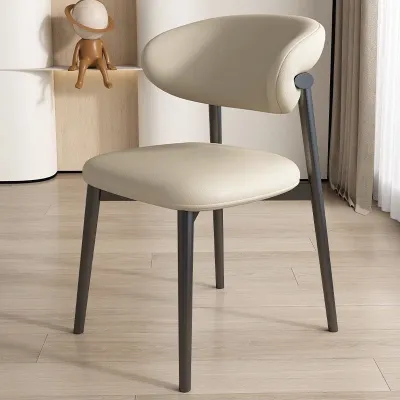
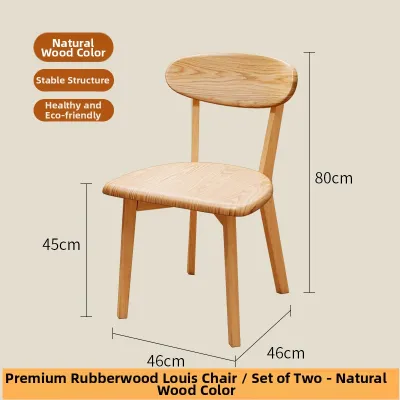
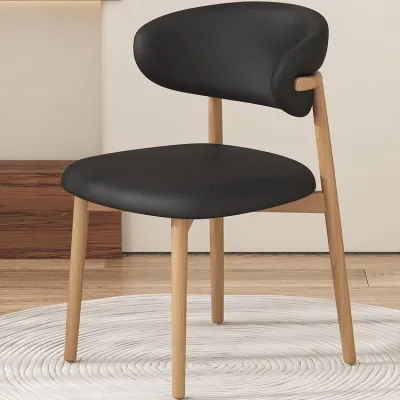
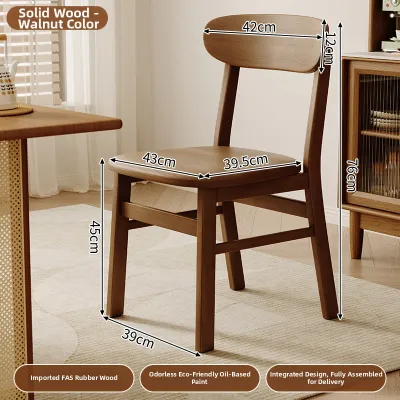
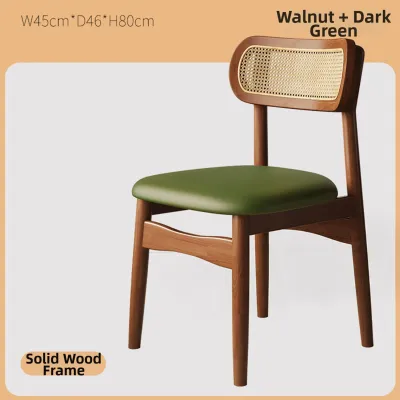
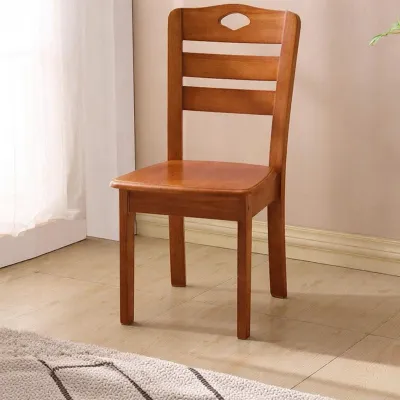
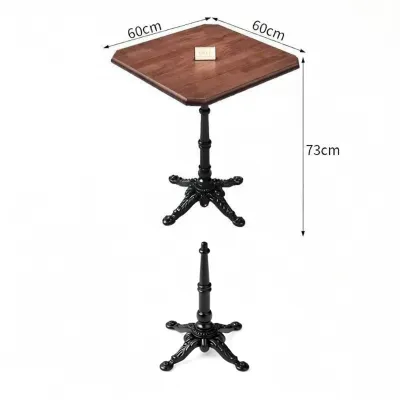
Prices are valid at publication and may change. Please refer to the product page for the latest price.
Indoor air conditioning cycles accelerate these dimensional changes. When the air conditioning is turned on, the indoor air dries out rapidly, causing the wood to contract; when the system is turned off, the return of warm, humid air forces the wood to expand again. This constant movement places immense pressure on the chair’s joinery. High-quality construction methods, such as mortise-and-tenon joints, are essential to withstand these forces, as simple dowel or glue-only joints are far more likely to fail under persistent environmental stress.
Because of these environmental pressures, a material name alone does not guarantee long-term performance. A chair made of premium timber can still fail if it has not been properly seasoned or finished. When shopping, you must verify that the timber was kiln-dried to an appropriate moisture content—typically between 8 and 12 percent for indoor furniture—and check the type of finish applied. Protective coatings like polyurethane, acid-catalyzed lacquers, or specialized hardwax oils act as vital barriers, slowing down the rate of moisture exchange and protecting the underlying wood from the humid atmosphere.
Material Breakdown: Teak, Oak, and Walnut
To choose the right solid wood dining chairs, it is necessary to examine the unique physical properties, aesthetic characteristics, and maintenance requirements of each wood species under tropical conditions.

Teak: Natural Oils and Dimensional Stability
Teak (Tectona grandis) is widely regarded as one of the most stable and moisture-resistant hardwoods available. Its exceptional performance in humid climates is due to its high concentration of natural oils and rubber, which remain trapped within the wood fibers even after kiln-drying. These natural compounds act as a built-in water repellent, significantly reducing the wood’s rate of moisture absorption and protecting it from rot, decay, and fungal growth without the absolute necessity of heavy synthetic topcoats.
While teak is naturally resilient, the actual performance of a teak dining chair still depends on its surface treatment. Raw or finely sanded teak offers a beautiful, organic texture but remains susceptible to organic stains from food and oils if spills are not cleaned immediately. Oiled teak retains a warm, golden-brown luster but requires periodic reapplication to maintain its protective barrier. For indoor dining spaces, many manufacturers apply a thin, matte polyurethane or lacquer sealer, which preserves the wood’s natural appearance while providing a maintenance-free barrier against spills.
Over time, teak undergoes a natural color transition. When exposed to indoor ambient light, its initial golden-brown hue deepens into a rich, warm amber. If placed in outdoor or semi-outdoor spaces where direct sunlight hits the wood, untreated teak will gradually develop a silvery-grey patina. In terms of weight and structure, teak dining chairs are moderately heavy and exceptionally robust, offering excellent joint stability that easily handles the daily physical demands of a busy dining room.
Oak: Hardness and the Need for Quality Sealing
Oak is a highly popular choice for contemporary dining furniture, valued for its prominent, open grain pattern and exceptional physical hardness. Typically available as White Oak or Red Oak, this hardwood offers a classic, textured aesthetic that fits well into Scandinavian, Japandi, and modern rustic interiors. White oak, in particular, features microscopic growths called tyloses that plug its vascular cells, making it significantly more resistant to moisture penetration than red oak.
Because oak has an open-pore grain structure, it requires a high-quality, fully sealed finish to perform reliably in Singapore’s humid climate. Without a proper protective seal, moisture can easily penetrate deep into the open pores, leading to localized swelling, grain raising, or dark water staining. When purchasing oak dining chairs, it is crucial to check the manufacturer’s specifications to ensure the wood has been sealed with a durable topcoat, such as a multi-layer polyurethane or a high-performance acrylic lacquer, which completely seals the open grain.
Maintaining sealed oak chairs is relatively straightforward, requiring only routine dusting and a wipe-down with a slightly damp microfiber cloth. However, if you choose an oiled or waxed oak chair, you must be prepared for a more rigorous maintenance schedule, as these finishes must be reapplied regularly to prevent the wood from drying out or absorbing ambient humidity. Structurally, oak is incredibly dense and heavy, providing excellent resistance to dents and impacts, making it an ideal choice for households that require highly durable, sturdy seating.
Walnut: Premium Aesthetics and Finish Sensitivity
Walnut, specifically American Black Walnut (Juglans nigra), is highly prized for its premium, dark-toned aesthetic, elegant grain swirls, and smooth, satin-like texture. It is a favorite material for mid-century modern and high-end contemporary dining sets. Walnut brings an immediate sense of warmth and sophistication to a dining room, but its physical properties require a more mindful approach to care and placement in a tropical home.
Physically, walnut is slightly softer than oak, meaning it is more susceptible to minor dents, scratches, and pressure marks from sharp objects, heavy cutlery, or rough handling. Furthermore, walnut is highly sensitive to ultraviolet (UV) light. Unlike teak and oak, which tend to darken or amberize, walnut naturally lightens and fades when exposed to direct sunlight, turning from a deep chocolate brown to a lighter, golden-honey tone. To preserve its rich, dark color, walnut dining chairs should be kept away from large windows or protected by UV-filtering window films.
To protect walnut from both UV fading and moisture ingress, a robust, high-quality topcoat is essential. When evaluating walnut chairs, look for finishes that specify UV inhibitors within the lacquer or polyurethane coating. Always review the manufacturer’s care instructions and warranty terms, as environmental damage resulting from placement in direct sunlight or exposure to extreme humidity fluctuations is frequently excluded from standard furniture warranties.
Comparing Durability, Maintenance, and Aesthetics
To help you determine which material aligns best with your home environment, we can compare these three hardwoods across the key performance dimensions that dictate their long-term value.
Dimensional Stability & Moisture Resistance
Teak is the undisputed leader in natural dimensional stability, experiencing minimal expansion and contraction even when humidity levels spike. Oak and walnut are also highly stable but rely much more heavily on their factory finishes to maintain this stability. To ensure your chairs will withstand the local climate, use this inspection checklist when evaluating options in a showroom or upon delivery:
- Sealed End-Grains: Check that the bottom of the chair legs and the undersides of the seats are fully sealed, as end-grain absorbs moisture much faster than flat surfaces.
- Smooth Joint Transitions: Run your fingers over the joints; any noticeable gaps or uneven ridges suggest the wood was not properly acclimated before assembly.
- Uniform Topcoat: Ensure the finish is applied evenly across all surfaces, including the hard-to-reach areas beneath the seat frame.
Hardness & Daily Wear
Daily dining activities—such as sliding chairs across floors, accidental bumps from vacuum cleaners, and contact with cutlery—will test the physical limits of your chairs. Oak offers the highest resistance to physical impacts, making it highly forgiving in active households. Teak follows closely, offering excellent durability. Walnut, while still a durable hardwood, is the softest of the three and requires greater care to avoid surface bruising and deep scratches.
Maintenance Demands
All solid wood dining chairs require basic care, but the frequency and intensity of maintenance vary by finish type. Sealed chairs (polyurethane or lacquer) require the least effort, needing only regular dusting and a quick wipe with a damp cloth. Oiled or waxed chairs demand periodic reapplication of the finish—typically every 6 to 12 months—to maintain their moisture resistance. Regardless of the wood species, always avoid harsh chemical cleaners, abrasive pads, or excessive water, as these will degrade the protective finish and expose the raw wood to atmospheric moisture.
Aesthetic Longevity
As your furniture ages, its appearance will shift. Teak develops a warm, golden-amber tone that hides dust and minor wear exceptionally well. Oak retains its light, neutral character but may amber slightly under consistent light exposure. Walnut will gradually lighten, meaning you may need to rotate your dining set occasionally if one side receives more ambient sunlight than the other, ensuring an even color transition across all chairs.
| Wood Species | Grain Type | Typical Finish Requirements | Relative Hardness | Primary Climate Risk |
|---|---|---|---|---|
| Teak | Tight, straight to wavy | Natural oil, matte sealer, or raw | Medium-High | Minor color shifting under UV light |
| Oak | Prominent, open-pore | Polyurethane or lacquer seal | High | Moisture penetration through unsealed pores |
| Walnut | Smooth, swirling | UV-inhibiting lacquer or oil | Medium | Color fading and minor surface denting |
Decision Framework: Choosing Your Solid Wood Dining Chairs
To finalize your decision, consider how your daily lifestyle, aesthetic preferences, and willingness to perform routine maintenance align with the characteristics of each wood type.
Choose Teak if:
- You want maximum natural resistance to humidity and moisture with minimal risk of warping.
- You prefer a warm, golden-brown aesthetic that develops a rich character over time.
- You want a low-maintenance chair that performs exceptionally well even in semi-outdoor or well-ventilated, non-air-conditioned dining spaces.
Choose Oak if:
- You require highly durable, heavy-duty seating that resists dents, scratches, and daily wear from children or pets.
- You love a prominent, textured wood grain that complements light, modern, or minimalist interior designs.
- You are comfortable verifying that the wood has a high-quality, fully sealed protective finish.
- You want a solid, heavy chair that feels exceptionally stable and grounded.
- You prefer a lighter wood tone that brightens up your dining area.
Choose Walnut if:
- You desire a premium, dark, and sophisticated aesthetic for a formal indoor dining room.
- You appreciate smooth, intricate grain patterns and a luxurious, satin-like surface texture.
- Your dining area is positioned away from direct sunlight, or you have high-quality UV-filtering window treatments installed.
- You are willing to handle your furniture with care to prevent scratches and physical impacts.
Verify First if Buying Online or in a Showroom:
Before making your final purchase, always ask the retailer or manufacturer about the specific construction details of the chairs. Confirm that the timber has been kiln-dried specifically for indoor residential use. Inquire about the exact type of finish applied, and ask whether the manufacturer’s warranty covers structural issues, such as joint separation or wood splitting, caused by natural humidity fluctuations. Taking these verification steps ensures that your solid wood dining chairs will remain a beautiful, stable, and comfortable centerpiece in your home for many years to come.
Frequently Asked Questions (FAQ)
Can solid wood dining chairs develop mold in high humidity?
Solid wood dining chairs can develop mold in high-humidity environments, but the mold typically grows on surface dust, dirt, or organic spills rather than feeding on the wood itself. This is especially common in poorly ventilated rooms with stagnant air. To prevent mold growth, ensure good air circulation throughout your dining space, use a dehumidifier or air conditioning during particularly humid periods, and clean your chairs regularly with a dry or slightly damp microfiber cloth to remove surface dust. If mold spots do appear, consult the manufacturer’s care guidelines to identify a safe, mild cleaning agent that will not strip or damage the protective finish.
How often should I oil or wax my solid wood chairs?
The frequency of oiling or waxing depends entirely on whether your chairs have a penetrating finish or a surface-sealed finish. Chairs sealed with polyurethane or lacquer do not require oiling or waxing, as these topcoats completely block the wood’s surface; applying oil to them will only create a sticky, dust-attracting residue. For chairs with natural oil or wax finishes, reapplication is typically recommended every 6 to 12 months, depending on how frequently the chairs are used and the level of indoor climate control. Always check the manufacturer’s specific care instructions and use only their recommended maintenance products to avoid damaging the finish or voiding your warranty.

Community discussion
Share your experience or ask a question. Comments are reviewed before publication.