
Choosing the right solid wood dining chair for a Singapore home requires balancing aesthetic preferences with the realities of a tropical climate. High relative humidity, paired with sudden temperature shifts from air conditioning, puts constant physical stress on timber. While oak, teak, and rubberwood are all popular choices, they perform differently under these environmental pressures. The ideal selection depends on how well the wood’s natural properties are supported by high-quality factory finishes and robust joinery.
Oak offers classic, prominent grain patterns and excellent structural strength, making it a favorite for traditional and contemporary dining spaces alike. Teak stands out for its exceptional natural oils and moisture resistance, which historically make it highly stable in humid environments. Rubberwood provides an accessible, moderately dense entry point into solid wood furniture, utilizing plantation-grown timber that performs reliably when sealed correctly.
However, relying solely on the reputation of a wood species can lead to premature wear or structural failure. A dining chair’s longevity is heavily dictated by its protective coating, the precision of its joints, and how it is positioned relative to open windows and air conditioning vents. Evaluating these factors alongside your budget and maintenance habits ensures your dining chairs remain stable, comfortable, and visually appealing for years to come.
Products mentioned in this guide
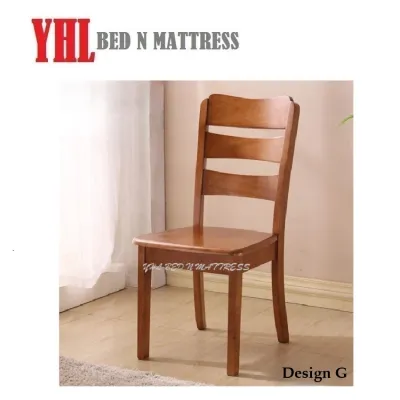
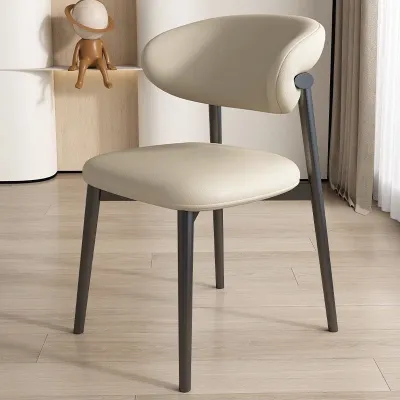
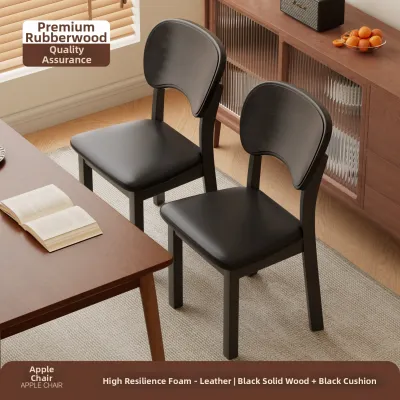
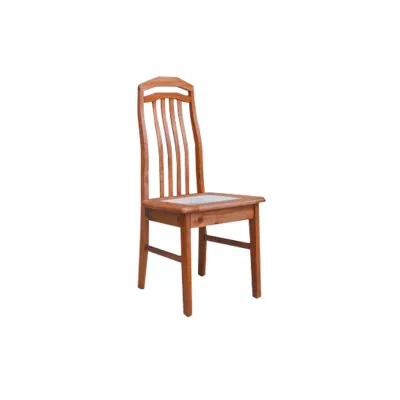
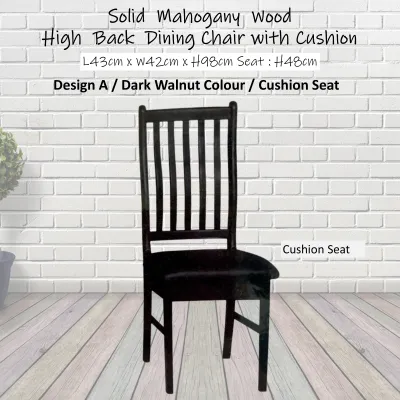
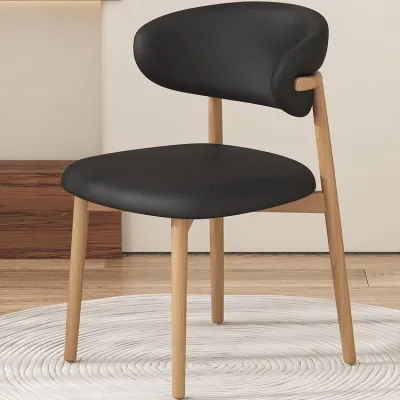
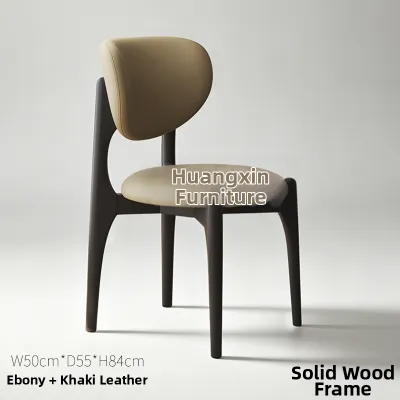
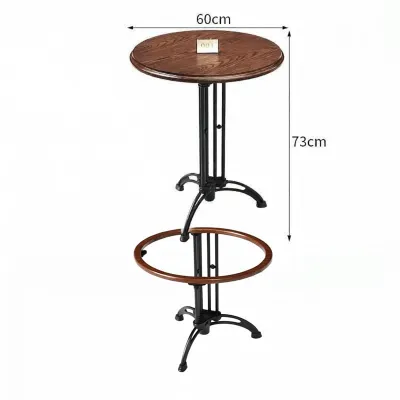
Prices are valid at publication and may change. Please refer to the product page for the latest price.
Understanding Solid Wood Baselines for Dining Chairs
To make an informed decision, it is essential to understand the fundamental physical characteristics of each wood species. Oak is a dense hardwood, typically categorized as either red or white oak, with white oak being more resistant to moisture due to its closed cellular structure. Its grain is distinct, featuring prominent rays and arches that give the furniture a highly textured, organic appearance.
Teak is a premium tropical hardwood renowned for its tight grain and high concentration of natural oils and rubber. These internal compounds act as a natural defense mechanism, reducing the wood’s tendency to absorb atmospheric moisture even before any artificial finish is applied. The heartwood of teak—the older, inner section of the tree—is highly durable and features a rich golden-brown hue, whereas the outer sapwood is lighter, softer, and less resistant to environmental stressors.
Rubberwood, sometimes referred to as parawood, is a medium-density hardwood sourced from rubber tree plantations after the trees complete their latex-producing cycle. It features a straight grain with a moderately coarse texture and a naturally light cream or pale straw color. Because it is harvested from managed plantations, it is widely available, though its sapwood and heartwood are less distinct in density compared to those of oak or teak.
Regardless of the species, a wood’s natural properties only represent the raw material baseline. A poorly seasoned piece of teak can warp just as easily as an unsealed piece of rubberwood. High-quality manufacturing processes, including proper kiln-drying to reduce internal moisture content to a stable level, are what ultimately determine how well the dining chair will hold its shape in your home.
Durability and Moisture Management in High-Humidity Climates
Singapore’s tropical climate presents a unique challenge for solid wood furniture, as high humidity levels can cause wood fibers to swell, while dry air-conditioned environments cause them to shrink. This constant cycle of expansion and contraction can weaken joints and warp flat surfaces if the wood is not managed correctly. Natural density and oil content serve as baseline indicators of how a wood species responds to these shifts.

Teak’s high natural oil content gives it an inherent advantage in moisture management, as it naturally repels water and resists rot. Oak, particularly white oak, relies on its dense cellular structure and tyloses—which block the wood’s pores—to limit moisture absorption. Rubberwood has a more open pore structure and lacks natural protective oils, meaning it is highly dependent on factory-applied sealants, lacquers, or polyurethane finishes to act as a barrier against atmospheric humidity.
When shopping for dining chairs, look closely at the underside of the seat and the ends of the legs. Unfinished end grains are highly susceptible to moisture absorption, which can lead to splitting over time. Check that all surfaces, including hidden joints and the undersides of frames, have received an even coat of protective finish. Weak or poorly aligned joinery will quickly fail under the physical stress of wood movement, so prioritize chairs with reinforced corner blocks and precision-cut joints.
To protect your investment, perform basic environmental checks in your dining area. Avoid placing solid wood dining chairs in direct sunlight coming through large windows, as intense UV rays can dry out the wood unevenly and degrade the protective finish. Similarly, position chairs away from the direct path of air-conditioning vents, as the localized draft of cold, dry air can cause rapid, uneven shrinkage, leading to hairline cracks in the timber.
Daily Maintenance and Spill Management
A dining chair must withstand daily contact with food, liquids, and frequent movement. The ease of cleaning and maintaining your chairs depends largely on the wood’s grain structure and the type of finish applied by the manufacturer. Porous woods with open grain patterns, like oak, can trap fine dust and food particles if they are not sealed with a smooth, protective topcoat.
For daily cleaning, use a soft, dry, or slightly damp microfiber cloth to wipe away dust and crumbs. Avoid using harsh chemical cleaners, abrasive pads, or multi-purpose sprays that contain ammonia or silicone, as these can gradually strip away the protective lacquer or leave a dull residue on the wood surface. If a damp cloth is used, immediately follow up with a dry cloth to ensure no moisture lingers on the wood or in the joints.
Spills are inevitable in a dining setting and require immediate action to prevent permanent staining or water rings. Blot liquid spills immediately with an absorbent cloth rather than wiping them, which can spread the liquid deeper into the grain. For acidic substances like vinegar, citrus juice, or wine, clean the area gently with a mild, pH-neutral soapy solution, wipe with a clean damp cloth, and dry the surface thoroughly.
Over time, dining chairs may experience wear such as minor scratches or loose joints. If you notice deep scratches that penetrate the protective finish, or if the chair begins to wobble, check the manufacturer’s care instructions before attempting any DIY repairs. Applying unverified oils, waxes, or glues can void your warranty or damage the existing finish. For structural looseness or severe surface damage, consult a professional furniture repair service or contact the manufacturer for guidance.
Aesthetics, Weight, and Design Compatibility
The visual character of your dining chairs plays a significant role in defining the atmosphere of your dining room. Oak is celebrated for its prominent, sweeping grain patterns and warm, neutral tones that range from light beige to medium brown. Over time, oak tends to amber slightly when exposed to natural light, adding a rich, classic warmth that complements Scandinavian, rustic, or transitional interior styles.
Teak offers a distinct, sophisticated aesthetic characterized by straight grain lines occasionally punctuated by dark, wavy streaks. Its natural color matures from a golden-brown to a deeper, richer bronze with age and light exposure. This warm, organic look pairs exceptionally well with Mid-Century Modern, tropical minimalist, or eclectic designs, serving as a prominent visual anchor in the room.
Rubberwood has a more uniform, subtle grain pattern with minimal natural variation, making it highly versatile. Because of its light natural color, rubberwood is frequently stained to mimic more expensive woods like walnut, cherry, or oak. This adaptability allows rubberwood dining chairs to fit seamlessly into modern, minimalist, or Japandi spaces, offering a clean and understated look.
Consider the physical weight of the chairs in relation to your daily routine and flooring material. Oak and teak are heavy, dense woods; while this weight provides excellent stability and a premium feel, it requires more effort to pull out and push in. To protect your flooring—especially delicate materials like vinyl, laminate, or polished marble—always apply high-quality felt pads to the bottom of the chair legs and inspect them periodically for wear to prevent scratches.
Evaluating Cost, Joinery, and Authenticity
When budgeting for solid wood dining chairs in Singapore, you will find distinct price tiers that reflect the rarity of the wood and the complexity of the manufacturing process. Rubberwood chairs are generally the most budget-friendly, often ranging from S$80 to S$180 per chair, making them an accessible option for starter homes. Oak chairs typically occupy a mid-to-high tier, ranging from S$150 to S$350, while premium teak chairs often start from S$300 and can go significantly higher depending on the sourcing and design.
However, construction quality and joinery methods often outweigh the raw material cost when determining long-term value. Inspect the joints of the dining chair before purchasing. High-quality solid wood chairs utilize traditional joinery techniques such as mortise-and-tenon or dowel joints, which are structurally superior to joints held together solely by staples, nails, or basic wood screws. Look for reinforced corner blocks under the seat frame, which prevent the legs from twisting or loosening under weight.
Distinguishing genuine solid wood from wood veneers or engineered wood composites requires careful visual and tactile inspection. Examine the end grain of the timber—such as the top of a chair backrest or the bottom of a leg. On genuine solid wood, the grain pattern will continue seamlessly from the face of the wood around to the end grain. If the grain pattern abruptly stops, changes direction unnaturally, or looks perfectly identical across multiple chairs, it is highly likely a veneer or a printed laminate.
Additionally, feel the surface for natural temperature and texture variations. Solid wood adapts to room temperature and feels warm to the touch, whereas laminate surfaces often feel consistently cool and plastic-like. Look for minor, natural imperfections in the grain, such as small knots or slight color variations; engineered alternatives and veneers often display repetitive, flawless patterns that lack the organic character of genuine solid timber.
Final Decision Framework: Matching Wood to Your Needs
To choose the best solid wood dining chair for your home, align the unique characteristics of each wood type with your lifestyle, budget, and maintenance preferences.
Choose Oak if you appreciate prominent, expressive grain patterns and desire a heavy, highly durable chair that brings classic warmth to your dining space. Oak is ideal for households looking for a long-term investment that balances robust structural strength with a timeless aesthetic that complements Scandinavian or transitional interiors.
Choose Teak if you prioritize maximum natural moisture resistance and want a premium, low-maintenance wood that handles Singapore’s humid climate with ease. Teak is the perfect match for those who love rich, golden-brown tones, classic mid-century design, and are willing to invest a higher upfront cost for furniture that ages beautifully over decades.
Choose Rubberwood if you are working within a specific budget or furnishing a rental property, but still want the warmth and feel of genuine solid wood rather than engineered composites. It is an excellent, lightweight option for modern, minimalist spaces, provided you verify that the chairs have a high-quality, protective factory sealant to guard against humidity.
Verify first if the product labels explicitly state “100% solid wood” rather than “solid wood finish” or “wood veneer.” Before finalizing your purchase, review the manufacturer’s warranty terms, care guidelines, and return policies to ensure you are fully covered against manufacturing defects or structural issues that may arise after delivery.
Frequently Asked Questions (FAQ)
How can I verify if a dining chair is made of genuine solid wood?
To verify authenticity, inspect the end grain on the edges of the seat or the tips of the legs; the grain lines should flow continuously from the flat surface around the curve or edge. Look at the underside of the seat frame to see if the wood grain matches the top surface, as veneers are rarely applied to hidden areas. Genuine solid wood will also feature unique, non-repeating grain patterns and minor natural variations, unlike mass-produced laminates or veneers which often show identical, repeating prints.
Does solid wood furniture require professional termite treatment in tropical homes?
High-quality solid wood dining chairs undergo a rigorous kiln-drying process during manufacturing, which removes internal moisture and eliminates any pests residing within the raw timber. Factory-applied sealants and lacquers provide an additional protective barrier against external pests. While routine home maintenance is important, you do not need to apply DIY chemical treatments to your chairs; if you suspect an active pest infestation in your home, it is best to consult a licensed pest control professional to address the issue safely and effectively.

Community discussion
Share your experience or ask a question. Comments are reviewed before publication.