
Finding the right Nordic-style dining chairs for your Singapore home involves more than just picking an attractive design from a catalog. With the unique constraints of local residential spaces—such as compact HDB flat layouts and high tropical humidity—your choice must balance aesthetic appeal with structural durability and spatial efficiency. A truly successful purchase requires a systematic approach to evaluating design authenticity, verifying physical dimensions, and understanding material performance. By focusing on these practical aspects, you can select chairs that not only complement your interior theme but also withstand the rigors of daily use in a warm climate. This comprehensive guide outlines the essential steps to help you navigate the selection, testing, and sourcing process in Singapore.
Identifying Authentic Nordic Design Elements
Authentic Nordic design, often referred to as Scandinavian style, is rooted in a philosophy that blends functional simplicity with a deep appreciation for the natural world. To distinguish genuine Nordic-inspired dining chairs from generic modern or overly ornate seating, look for clean lines and minimalist silhouettes. The design should prioritize utility, stripping away unnecessary embellishments to let the form of the chair speak for itself. This minimalist approach creates a sense of visual lightness, making it an excellent choice for Singaporean dining areas where maximizing the perception of space is often a priority.
Wood is the defining material of this aesthetic, and the choice of timber plays a crucial role in establishing the correct atmosphere. Authentic designs typically feature light-colored hardwoods such as ash, beech, or white oak, which help reflect ambient light and create a bright, airy feel. Some variations incorporate walnut for a richer, mid-century modern interpretation. Regardless of the wood species, the finish should remain matte or low-sheen, utilizing clear protective lacquers, natural oils, or waxes. Avoid high-gloss varnishes, as they mask the organic texture and warmth of the wood grain.
Products mentioned in this guide
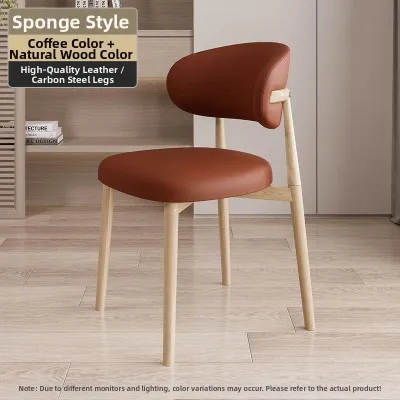
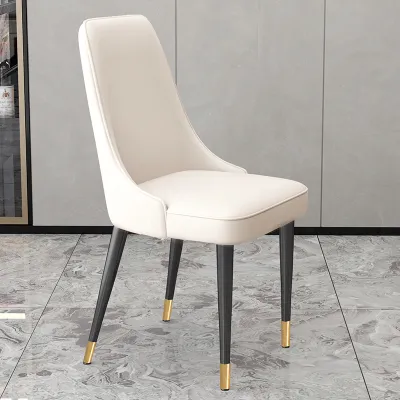
Prices are valid at publication and may change. Please refer to the product page for the latest price.
In addition to timber, the integration of natural textures is a hallmark of Nordic furniture. Look for chairs that incorporate tactile elements like woven paper cord, rattan, genuine leather, or wool-blend upholstery. These materials introduce subtle contrast without disrupting the clean aesthetic. The color palette should remain restrained, focusing on muted, nature-inspired neutrals such as soft greys, warm beiges, off-whites, and gentle earth tones. These colors harmonize easily with existing decor, allowing the chairs to blend seamlessly into a variety of interior styles.
Checking Dimensions and Ergonomic Fit
Before committing to any dining chair design, it is essential to measure your dining space and existing table to ensure a proper physical fit. Standard dining tables in Singapore typically stand at a height of 75 centimeters, while standard chair seats rest at approximately 45 centimeters from the floor. To guarantee comfortable seating, aim for a vertical clearance gap of 25 to 30 centimeters between the top of the chair seat and the underside of the table apron. This spacing provides comfortable legroom for diners of various heights and prevents your thighs from feeling cramped against the table structure.

The overall footprint of the chair is another critical dimension, especially in space-constrained layouts. Measure the width and depth of the chair legs to determine how many units can comfortably fit along the sides of your dining table. As a general rule, allow at least 15 centimeters of space between adjacent chairs and 60 centimeters of width per diner to prevent elbow bumping during meals. If your dining area is exceptionally tight, consider selecting armless chairs or models with a highly compact footprint that can be tucked completely under the table when not in use.
Armrest heights require careful verification if you are considering carver-style chairs. Ensure that the maximum height of the armrests is lower than the lowest point of your table’s underside, including any support beams or aprons. If the armrests cannot slide beneath the table, the chairs will protrude into the surrounding walkway, obstructing traffic flow in your dining room. For multi-functional spaces where dining tables double as work-from-home desks, stackable Nordic chairs offer excellent flexibility, allowing you to clear the floor space quickly when hosting guests or cleaning.
Ergonomic comfort is determined by the subtle angles and depths of the chair’s structure. Look for a backrest that features a gentle backward recline of 100 to 110 degrees, which encourages a relaxed yet supportive posture. The backrest should also incorporate a slight horizontal curve to cradle the lumbar region of your spine. For the seat depth, ensure there is a gap of approximately two to three fingers between the front edge of the seat and the back of your knees when sitting fully back. This prevents pressure on the back of your legs and maintains healthy blood circulation during long dinners.
Assessing Materials and Upholstery Care
Singapore’s tropical climate, characterized by high humidity and consistent warmth, presents unique challenges for furniture preservation. When choosing wooden dining chairs, you must decide between solid wood and engineered wood options. Solid wood chairs, such as those made from solid oak or ash, offer unmatched structural integrity and can be sanded down and refinished if they sustain surface damage. However, solid timber naturally expands and contracts in response to humidity changes. To minimize warping or joint separation, ensure the wood has been properly kiln-dried and treated with a moisture-resistant sealant.
Engineered wood with high-quality natural wood veneers provides an alternative that is highly stable in humid conditions. Because engineered wood does not expand or contract as dramatically as solid timber, it is less prone to warping. When evaluating any wooden chair, inspect the joinery methods used at the critical stress points. High-quality construction relies on traditional mortise-and-tenon joints, dowel connections, or heavy-duty corner blocks secured with bolts. Avoid chairs held together solely by basic wood screws and glue, as these connections can loosen rapidly under daily weight shifts.
Upholstery selection requires a careful balance between comfort and maintenance. If you opt for fabric-covered seats, review the manufacturer’s specifications for the Martindale rub count, which measures fabric durability. For daily residential dining use, look for a rating of at least 15,000 to 20,000 rubs, while households with young children or pets should aim for 25,000 rubs or higher. Breathable materials such as linen-cotton blends or high-performance synthetic polyesters are well-suited to Singapore’s climate, as they do not trap heat. Ensure the fabric has been treated with a stain-resistant finish, or check if the seat cushions feature removable, washable covers.
Leather is another popular choice for Nordic-style chairs, offering a sophisticated look that ages beautifully. If choosing leather, opt for top-grain or aniline leathers, which remain breathable and comfortable against the skin even in warm weather. Avoid low-grade bonded leathers or cheap polyurethane (PU) alternatives, as these materials tend to crack, peel, and degrade quickly when exposed to humidity and body oils. Finally, always verify the manufacturer’s stated weight capacity in the official product documentation to ensure the chair frame is engineered to safely support your household’s needs.
Sourcing and Comparing Options Locally
Finding the right Nordic-style dining chairs in Singapore requires a strategic approach to shopping, combining physical showroom visits with online research. Visiting physical showrooms in furniture hubs like Ubi, Tai Seng, Outram, or Henderson is highly recommended before making a final decision. Sitting in the chairs allows you to personally evaluate the comfort, feel the texture of the materials, and inspect the build quality firsthand. It also gives you an opportunity to test the stability of the chair on a flat floor, checking for any wobbles or uneven leg lengths that might not be apparent in online photos.
When browsing online marketplaces or brand official stores, use precise search terms to filter out generic designs. Instead of searching for broad categories like “modern dining chairs,” use specific keywords such as “solid ash dining chair,” “woven paper cord chair,” or “minimalist oak seating.” This targeted approach helps you locate specialized retailers who focus on authentic Nordic aesthetics. Be sure to read customer reviews on independent platforms to assess the long-term durability of the chairs and the reliability of the seller’s customer service.
Logistics and delivery conditions can vary significantly among furniture retailers in Singapore, impacting your overall budget and timeline. Some local stores maintain stock of popular Nordic designs for immediate delivery, while others operate on an import or made-to-order basis, which can result in lead times of six to twelve weeks. Compare the delivery fees charged by different sellers, noting whether they offer free shipping above a certain purchase threshold or charge extra for specific delivery windows. Additionally, check if the chairs are delivered fully assembled or if you will need to assemble them yourself, as some retailers charge an additional fee for professional on-site assembly.
If you live in a walk-up apartment or a property with restricted lift access, verify whether the delivery team charges a staircase surcharge. These fees are typically calculated per floor and can add up quickly if you are purchasing a full set of dining chairs. Understanding these logistical details beforehand prevents unexpected costs on delivery day and ensures a smooth transition of the new furniture into your home.
Verifying Warranties and Delivery Conditions
A comprehensive warranty is a crucial safeguard when investing in quality dining chairs. Carefully review the warranty terms provided by the retailer to understand what components are covered. Structural frame warranties, which cover the integrity of the wooden joints and legs, typically range from one to five years. However, surface finishes, foam padding, and upholstery fabrics are often subject to much shorter warranty periods or are excluded entirely under standard wear-and-tear clauses. Knowing these distinctions helps you set realistic expectations for the lifespan of your chairs.
On delivery day, establish a systematic inspection routine before signing the delivery acceptance form. Place each chair on a completely flat surface to verify that all four legs make even contact with the floor and do not wobble. Run your hands along the wooden frames to check for rough spots, splinters, dents, or uneven varnish application. Carefully examine the upholstery or woven seats for pulled threads, loose stitching, or discoloration. If you identify any defects, document them immediately with clear photographs and note the issues on the delivery slip before the delivery team leaves.
Familiarize yourself with the retailer’s return and exchange policies, particularly regarding change-of-mind returns. Many furniture stores in Singapore charge restocking fees, which can range from 10% to 30% of the item’s purchase price, to cover the cost of processing and repackaging returned goods. Made-to-order or customized chairs are typically non-refundable unless they arrive with clear manufacturing defects. Keep all original packaging materials intact during the initial days of use, as most retailers require the original boxes and wrapping to process an exchange or return.
Frequently Asked Questions (FAQ)
How do I protect light wood finishes from water rings?
To protect light wood finishes like ash or oak from water rings and moisture damage, always use coasters, placemats, or trivets under cold drinks, hot mugs, and warm serving dishes. Avoid letting condensation or spills sit on the wooden surface; wipe up any liquid immediately using a dry, soft microfiber cloth. Periodically consult the manufacturer’s care instructions to see if they recommend applying a specific wood oil, wax, or matte sealant to maintain the protective barrier without darkening the natural color of the timber.
Can I mix different chair styles around a Nordic dining table?
Yes, mixing different chair styles is an excellent way to create a dynamic and personalized dining space while maintaining a clean Nordic aesthetic. To keep the arrangement cohesive, unify the different designs through a shared element, such as a consistent wood tone, a matching leg profile, or a restricted color palette of neutral shades. You can balance the visual weight by placing upholstered chairs at the head and foot of the table and simpler, bare wooden chairs along the sides, ensuring all models have a similar seat height for a comfortable dining experience.

Community discussion
Share your experience or ask a question. Comments are reviewed before publication.