
Finding the perfect dining chair involves balancing form, comfort, and spatial harmony. In modern home design, “Nordi” has become a popular shorthand term for Nordic or Scandinavian aesthetics rather than representing a single monolithic brand. This design philosophy focuses on visual simplicity, functional utility, and an appreciation for organic materials. Choosing the right chair is not just about finding a seat; it is about selecting an object that complements your daily rituals, fits your physical space, and harmonizes with your broader interior design.
Scandinavian design emerged from a historical need for bright, functional, and warm interiors during long, dark northern winters. This environmental context shaped a design language that prioritizes light-reflecting palettes, clean silhouettes, and natural elements. In the context of dining chairs, these principles translate into clean lines, tapered legs, and ergonomic support that avoids heavy, overstuffed padding. Instead of relying on bulk for comfort, Nordi-style chairs use curved plywood, angled backrests, and flexible woven materials to support the human body naturally.
Ultimately, choosing a Nordi-style dining chair is about balancing understated elegance with everyday practicality. Because these chairs strip away unnecessary ornamentation, the quality of the craftsmanship, the beauty of the wood grain, and the texture of the materials are placed on full display. Whether you are hosting a long dinner party or using your dining table as a temporary home office, the right Nordi chair should feel as comfortable as it looks, serving as a quiet, functional anchor in your home.
Products mentioned in this guide
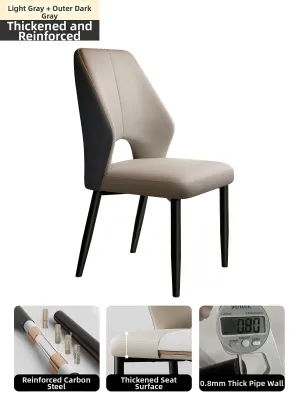
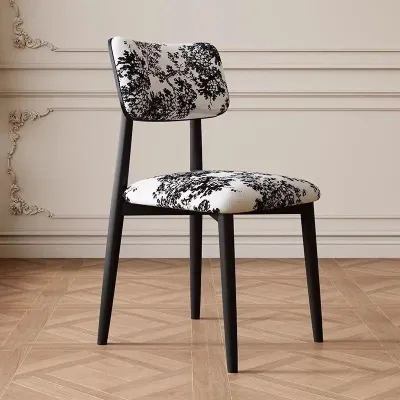
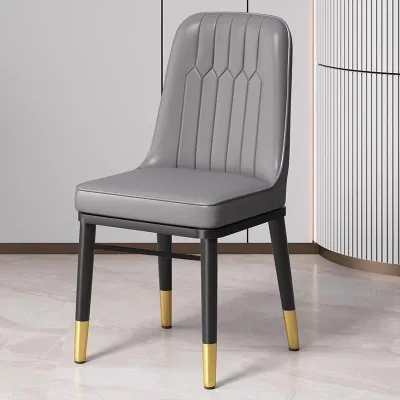
Prices are valid at publication and may change. Please refer to the product page for the latest price.
Key Dimensions for Evaluating Your Dining Chair Options
Proportions and Scale
A beautiful chair is of little use if it causes physical discomfort during a meal or clutters your dining area. When evaluating Nordi dining chairs, start by analyzing the seat height, seat depth, and the angle of the backrest. Standard dining tables usually stand around 75 cm high, meaning your chair’s seat height should ideally sit between 43 cm and 46 cm to allow comfortable legroom. The seat depth should support your thighs without pressing against the back of your knees, while a slightly reclined backrest provides better lumbar support during extended sitting sessions. Additionally, pay attention to the chair’s footprint; wider chairs with splayed legs provide excellent stability but require more floor space, which can limit the number of seats you can fit around your table.
Materiality and Texture
The materials you choose dictate both the tactile experience of your dining room and the chair’s long-term durability. Solid woods like oak, ash, and walnut offer a warm, grounding presence and distinct grain patterns that make each piece unique. However, modern Nordi designs often incorporate mixed materials. For instance, pairing a wooden seat with powder-coated metal legs adds a contemporary, industrial edge while reducing the overall weight. Molded plywood offers flexible, organic curves that conform to the body, while tailored upholstery introduces softness and acoustic dampening to a room filled with hard surfaces like tiled floors and glass windows.
Visual Weight
In compact urban homes, such as Singapore’s HDB apartments or modern condominiums, managing visual weight is essential for maintaining a sense of openness. A chair with thick, solid wooden legs and a solid backrest has high visual weight, making a dining area feel more enclosed and crowded. Conversely, a chair with slender, tapered legs and an open spindle backrest allows light and sightlines to pass through. This visual transparency creates an illusion of spaciousness, making your dining zone feel larger and more open than it actually is.
Longevity and Patina
When investing in Nordi dining chairs, consider how the materials will evolve over time. Natural materials are dynamic; solid wood may darken or warm slightly when exposed to ambient light, while aniline leather seats will develop a unique patina that tells the story of your home. If you prefer a look that remains pristine and unchanged, lacquered finishes, synthetic performance fabrics, or high-quality molded plastics may align better with your long-term interior vision. Understanding how these materials age allows you to choose chairs that grow more beautiful with use rather than looking worn out.
Top Nordi Dining Chair Styles to Match Your Aesthetic
Minimalist Solid Wood Chairs
These chairs represent the classic, timeless core of Nordic design. They rely entirely on clean lines, precise joinery, and the natural beauty of the wood grain to make an impression. You will find no ornate carvings or busy details here; instead, the focus is on tapered legs, gently curved backrests, and seamless transitions between components. This style celebrates the organic warmth of timber, usually finished in light oak, ash, or natural beech.

- Best suited for: Light, airy dining spaces, traditional Scandinavian-themed homes, and busy households that prioritize quick and easy cleanup after meals.
- Limitations to note: Hard wooden seats can feel unforgiving during long dinner parties or extended work-from-home sessions. You may need to add separate, tie-on seat cushions for prolonged comfort. Additionally, solid wood is sensitive to extreme temperature and humidity fluctuations; ensure the wood is treated with a high-quality finish and keep the chairs away from direct sunlight or air conditioning vents to prevent joint movement.
Upholstered and Soft-Edge Chairs
To introduce warmth, comfort, and a touch of luxury, upholstered Nordi chairs are an excellent choice. These designs often feature slender wooden or matte metal frames wrapped in highly textured fabrics such as bouclé, linen blends, or matte leather. The upholstery softens the clean, geometric lines of the chair, making the dining space feel more inviting and cozy.
- Best suited for: Formal dining rooms, open-plan spaces that require acoustic dampening to reduce echo, and homes where long, multi-course meals and deep conversations are a regular occurrence.
- Limitations to note: Upholstered surfaces require more active maintenance than wood or plastic. Spills must be treated immediately to prevent permanent staining. If you have young children or pets, check the fabric's durability specifications, specifically looking for high Martindale rub counts (ideally 20,000 or higher) and stain-resistant treatments before purchasing.
Woven and Rattan Accent Chairs
Woven and rattan Nordi chairs highlight the organic, highly tactile side of Scandinavian design, often blending with Mid-Century Modern or coastal influences. These chairs typically feature solid oak or ash frames paired with seats and backrests hand-woven from paper cord, natural rattan, or cane. This construction adds beautiful texture and a handcrafted feel to the dining area.
- Best suited for: Japandi-style interiors, organic modern homes, and smaller dining spaces that benefit from the visual lightness and physical breathability of open-weave patterns.
- Limitations to note: Natural woven materials like paper cord and rattan can be sensitive to high relative humidity, which can lead to mold if the room is not well-ventilated. They also require specific cleaning care; you must vacuum them gently with a brush attachment regularly to prevent dust and food crumbs from settling deep into the woven crevices.
Molded Plywood and Plastic Silhouettes
Drawing inspiration from mid-century Nordic innovators, these chairs utilize advanced manufacturing techniques to create ergonomic, curved shells from a single piece of plywood or high-grade polymer. They often feature minimalist metal wire legs or slender wooden dowels, resulting in a lightweight, durable, and highly efficient design.
- Best suited for: Compact dining areas, retro-modern homes, and multi-purpose spaces where chairs must be easily stacked, moved, or stored when not in use.
- Limitations to note: While highly ergonomic, molded plastic and plywood lack the breathability of woven materials and the plushness of upholstery. Over time, plastic shells can develop fine scratches from daily use, and their casual appearance may not suit highly formal, traditional dining rooms.
Matching Your Chair Style to Existing Home Décor
Integrating your Nordi dining chairs with your overall home design requires a thoughtful approach to materials, colors, and textures. Let’s look at how to pair these chairs with three popular interior themes.
Japandi (Japanese + Scandinavian)
This hybrid style blends the rustic minimalism of Japanese design with the warm functionality of Nordic interiors. To complement a Japandi home, pair minimalist solid wood or woven paper cord chairs with a low-profile, solid wood dining table. Stick to earthy, muted color palettes—such as warm beige, charcoal, and olive—and choose matte, open-pore wood finishes that showcase the raw texture of the timber. This combination creates a serene, grounded, and deeply calming dining environment.
Modern Contemporary
If your home features sleek modern finishes, you can use Nordi chairs to soften the overall look. Pair upholstered or soft-edged Nordic chairs with tables made from hard, polished materials like marble, sintered stone, or tempered glass. The soft fabric of the chairs—such as a neutral bouclé or a soft grey linen—creates a beautiful tactile contrast against the cold, smooth tabletop, making the entire dining zone feel more balanced and sophisticated.
Industrial Loft
For homes with an industrial aesthetic, Nordi chairs can provide a welcoming touch of warmth. Contrast the raw, cold elements of industrial design—such as exposed brick, concrete floors, and black steel beams—with Nordi chairs crafted from warm, dark-stained oak or cognac leather. Choosing chairs with slender matte-black metal legs will tie in with the industrial hardware while the wooden or leather seats prevent the space from feeling clinical or overly harsh.
Quick-Reference Matching Guide
| Interior Theme | Recommended Nordi Chair Style | Key Material/Finish to Look For |
|---|---|---|
| Japandi | Woven paper cord or minimalist solid wood | Natural oak, ash, matte finishes, earthy tones |
| Modern Contemporary | Upholstered or soft-edge silhouettes | Bouclé, linen, matte leather, slender metal legs |
| Industrial Loft | Dark wood or leather-upholstered chairs | Cognac leather, dark-stained oak, black steel frames |
| Scandinavian Minimalist | Molded plywood or clean-lined solid wood | Light birch, white-pigmented oak, stackable frames |
Essential Space and Comfort Checks Before You Buy
Space and Clearance
Before purchasing any dining chairs, measure your physical dining space carefully. To ensure a comfortable flow of movement, you need a minimum clearance of 60 to 90 cm behind each chair when it is pulled out. This allows guests to sit down and rise easily without bumping into walls, sideboards, or blocking major walkways. If your dining area is situated in a tight corridor, opt for armless Nordi chairs with a compact footprint to maximize walking space.
Table Compatibility
Do not assume any chair will fit under any table. Always measure the height of your table’s apron (the wooden border directly underneath the tabletop). If you are choosing Nordi chairs with armrests, verify that the armrests can slide completely under the table apron to save space when not in use. Additionally, ensure the distance between the top of the chair seat and the underside of the tabletop is between 25 and 30 cm, which is the ergonomic sweet spot for comfortable legroom.
Weight and Stability
A dining chair must be structurally sound. When evaluating Nordi chairs—which often feature slender, tapered legs—check the manufacturer’s specified weight capacity. Ensure the chair has a stable footprint; legs that splay slightly outward offer superior stability and prevent the chair from tipping over easily, which is a vital safety consideration for households with active children or elderly family members. Always inspect the joints where the legs meet the seat frame to ensure they are reinforced with corner blocks or robust metal hardware.
Care and Maintenance Verification
Before finalizing your purchase, read the manufacturer’s care instructions carefully. Solid wood chairs finished with natural oil require periodic re-oiling (typically once or twice a year) to prevent the timber from drying out and cracking in dry, air-conditioned environments. Lacquered finishes, on the other hand, are sealed and can be easily wiped clean with a damp cloth, making them highly practical for daily use. For upholstered options, check the fabric cleaning codes (such as ‘W’ for water-based cleaners or ‘S’ for solvents) to ensure you can manage spills effectively. Finally, if you live in a high-rise apartment, check the packaged dimensions of the chairs to ensure they can fit through your front door, hallway, and lift during delivery.
Frequently Asked Questions (FAQ)
Can I mix different Nordi chair styles around the same dining table?
Yes, mixing dining chairs is an excellent way to create a curated, character-filled look. To keep the arrangement cohesive, establish a common visual thread. You can choose chairs with different backrest designs but keep the wood species, leg shape, or seat height identical. Alternatively, use a classic matching set along the sides of the table and place two distinct, upholstered Nordi armchairs at the heads of the table to anchor the space.
Are solid wood Nordi chairs suitable for Singapore's humid climate?
Solid wood Nordi chairs are highly suitable for Singapore homes, provided they are constructed from properly kiln-dried timber. Kiln-drying stabilizes the wood, minimizing the risk of warping, cracking, or joint separation caused by high relative humidity. To protect your chairs, avoid placing them in direct sunlight near balconies or windows, and keep them away from the direct airflow of air conditioning units, which can dry out the wood too rapidly.
What is the standard seat height for a Nordic dining chair?
The standard seat height for most Nordic dining chairs ranges between 43 cm and 46 cm from the floor. This height is optimized to pair with standard dining tables that stand between 73 cm and 76 cm high. To guarantee a comfortable dining posture, measure your specific table first and ensure there is a clear gap of 25 cm to 30 cm from the top of the chair seat to the underside of the table apron.

Community discussion
Share your experience or ask a question. Comments are reviewed before publication.