
Quick Answer: Is the NextChair Luxe the Right Premium WFH Chair for You?
Selecting a premium ergonomic chair for a home office in Singapore requires balancing physical proportions, work habits, and environmental comfort. No single high-end model is universally superior for every body type. The nextchair luxe has gained significant attention in the remote work community as a versatile contender, but whether it is the right choice for your specific setup depends on several key variables.
The design philosophy of the nextchair luxe centers on providing balanced, highly adjustable support tailored primarily for average to tall users. It attempts to bridge the gap between rigid, task-focused office seating and highly customizable ergonomic frames. This makes it highly suitable for individuals who spend long hours at a desk and require frequent adjustments to their seating posture throughout the day.
However, alternative categories may better serve specific needs. For instance, ultra-breathable full-mesh designs are often preferred by those working in non-air-conditioned spaces, while heavy-duty, high-density foam models cater to users who prioritize deep, cushioned pressure relief over maximum airflow. Understanding these distinctions is crucial before committing to a premium investment.
Products mentioned in this guide
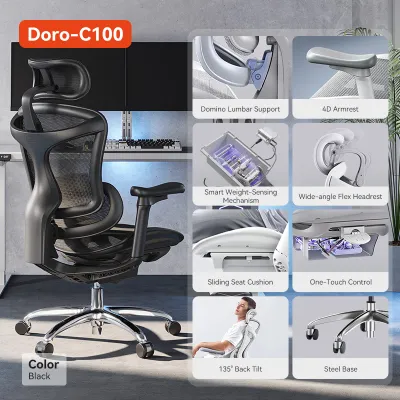
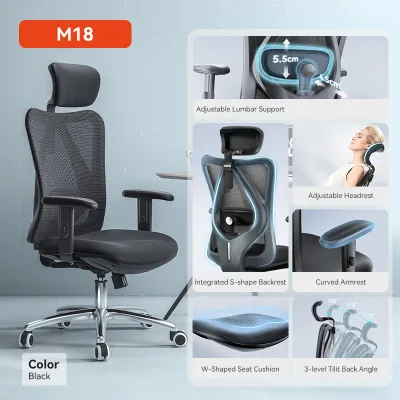
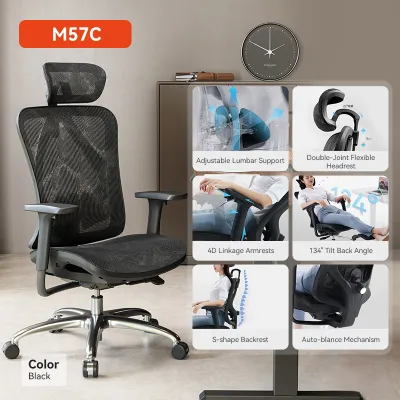
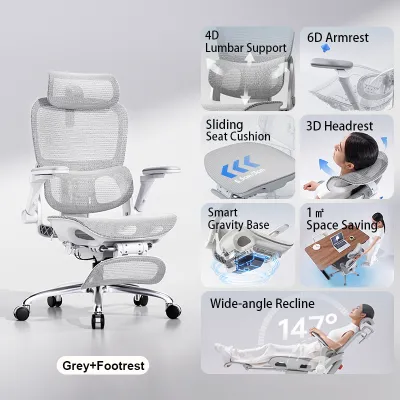
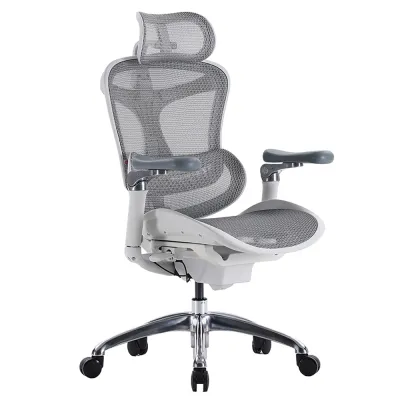
Prices are valid at publication and may change. Please refer to the product page for the latest price.
Core Comparison Dimensions: What Matters in a Premium Home Office Chair
To objectively compare high-end ergonomic chairs, you must look beyond aesthetic appeal and examine the specific engineering details that dictate daily comfort. The first critical dimension is ergonomic adjustability. A truly premium chair goes beyond simple height adjustments; it must offer customizable lumbar support depth, seat depth sliders, multi-directional (4D) armrests, and recline tension dials that allow you to calibrate the resistance of the backrest to your body weight.

Material and breathability represent the second major dimension, which is particularly vital in Singapore’s tropical climate. High-end chairs generally utilize elastomeric mesh, high-density molded foam, or woven fabrics. While elastomeric mesh offers superior airflow and conforms to the body’s contours, the quality of the mesh dictates its longevity; low-grade mesh can sag over time, leading to poor pelvic alignment. Molded foam provides consistent, firm support and distributes weight evenly, but it naturally retains more body heat, making ambient room temperature a key factor in your decision.
The third dimension is build quality and base stability. Premium chairs feature robust bases made of polished aluminum or heavily reinforced nylon, paired with heavy-duty gas lifts. The type of casters also matters; nylon casters are standard for carpeted floors, while polyurethane (PU) coated casters are essential for protecting hard flooring, such as ceramic tiles or vinyl planks common in Singapore homes, from scratches and scuffs.
To verify these claims, always consult the official product specification sheets rather than relying solely on retail marketing descriptions. Look for precise measurements of the seat width, seat depth range, backrest height, and verified weight capacities. Checking for international testing standards, such as those from the Business and Institutional Furniture Manufacturers Association (BIFMA), provides an objective baseline for structural integrity and safety.
NextChair Luxe vs. The Competition: Feature-by-Feature Breakdown
When evaluating the nextchair luxe against other premium home office chairs, comparing specific design components reveals how each option handles long-term sitting fatigue. Small variations in curvature, adjustment ranges, and material tension can significantly alter your posture over an eight-hour workday.
Lumbar and Back Support Systems
The backrest is the foundation of any ergonomic chair, and premium models approach spinal alignment in two distinct ways: adaptive lumbar mechanisms and fixed, height-adjustable lumbar pads. Adaptive systems automatically pivot or flex in response to your body weight and movement, providing continuous support without manual intervention. In contrast, fixed, height-adjustable lumbar pads require manual positioning but offer a highly targeted, firmer support zone.
To determine which system suits you, measure your torso length by sitting upright against a wall and measuring from the seat surface to the natural curve of your lower spine. Compare this measurement against the chair’s backrest dimensions. The nextchair luxe typically utilizes an adjustable system designed to align with the lumbar lordosis of average to tall users, whereas some specialized competitors offer highly localized, aggressive lumbar curves that may feel uncomfortable for shorter individuals or those with flatter spinal profiles.
Seat Pan and Cushioning
The seat pan directly influences lower body circulation and pressure distribution. A key feature to look for is a waterfall edge design, where the front of the seat curves downward to reduce pressure on the back of the thighs. Seat depth adjustment is equally critical; a proper seat slider allows you to move the seat pan forward or backward to accommodate different thigh lengths.
When comparing suspension mesh seat pans to contoured high-density foam cushions, consider both pressure relief and thermal comfort. Suspension mesh suspends your body weight, eliminating pressure hot spots, but requires a highly durable frame to prevent the thighs from contacting the hard outer rim. Contoured foam offers a more traditional, stable feel with deep cushioning but requires high-density construction to prevent bottoming out over years of use. Before purchasing, verify the seat pan width and depth specifications to ensure you can sit fully back against the lumbar support while maintaining a two-to-three-finger gap between the edge of the seat and the back of your knees.
Armrests and Headrests
Upper body fatigue often stems from poorly positioned armrests and lack of neck support. Premium chairs feature 4D armrests that adjust in four dimensions: height, width, depth, and horizontal angle (pivot). This level of adjustability ensures that your elbows can rest at a comfortable 90-degree angle, level with your desk surface, preventing shoulder strain and wrist extension while typing.
Headrests are another point of divergence among premium models. Some chairs feature fully integrated, multi-adjustable headrests that support the cervical spine during both upright work and reclined relaxation. Other high-end manufacturers treat headrests as optional add-ons or omit them entirely, operating under the philosophy that a properly aligned spine does not require active head support during active tasking. If you prefer to recline frequently during calls or breaks, a highly adjustable headrest is a critical feature to verify on the specification sheet.
Build Quality and Long-Term Durability: Materials and Warranty
A premium price tag should translate directly into structural longevity and reliable performance. The frame material and weight capacity serve as primary indicators of a chair’s overall durability. High-quality ergonomic chairs feature internal frames constructed from structural steel or cast aluminum, which are significantly more stable and resistant to flexing than pure plastic frames. Even for lighter users, a higher verified weight capacity (typically 120kg to 150kg) indicates robust engineering and joints designed to withstand years of daily physical stress.
The moving parts and adjustment mechanisms represent the most common failure points in office seating. Examine the specifications of the multi-function tilt mechanism and the gas lift cylinder. Premium chairs utilize Class 4 gas cylinders, which are designed to handle high pressure and frequent height adjustments safely. Look for clear indications of safety and performance certifications, such as BIFMA X5.1 or TÜV LGA, which prove that the components have undergone rigorous load-bearing and cycle testing.
Warranty structures offer a clear window into a manufacturer’s confidence in their product. While some ultra-premium brands offer comprehensive 10-to-12-year warranties covering all components, entry-premium models often feature tiered warranties, such as 3 to 5 years. It is vital to read the fine print on the manufacturer’s official website to understand what is actually covered. Common exclusions or shorter coverage periods often apply to wear-and-tear items like casters, armrest pads, and mesh upholstery. Ensure you verify the exact warranty terms applicable to Singapore purchases before finalizing your decision.
Value Assessment: Pricing Tiers and Return on Investment
Evaluating the financial investment of a premium home office chair requires looking beyond the initial purchase price. In Singapore, ergonomic chairs generally fall into distinct pricing tiers. Entry-premium models typically range from S$400 to S$800, offering robust adjustability and solid build quality. Ultra-premium models can exceed S$1,200 to S$2,000, often featuring proprietary materials, extended warranties, and prestigious design heritages. The nextchair luxe sits firmly within the entry-premium tier, aiming to provide high-end functionality at a more accessible price point. To avoid unauthorized markups, always purchase through official brand stores or authorized local distributors in Singapore.
To calculate the true value of the chair, apply a practical cost-per-use framework. Divide the purchase price by the number of days in the warranty period to find the daily cost of ownership. For example, a S$600 chair backed by a 5-year (1,825 days) warranty costs approximately S$0.33 per day. If you work from home five days a week for eight hours a day, this equates to a negligible hourly cost to protect your posture and prevent long-term musculoskeletal issues.
Additionally, anticipate potential hidden costs that can affect your total budget. Some retailers charge extra for professional assembly services, specialized delivery to high-rise apartments or locations without direct lift access, or out-of-warranty replacement parts. Confirm whether the listed retail price includes delivery and assembly, as assembling a complex, heavy ergonomic chair without the proper tools can be challenging and time-consuming.
Final Verdict: How to Choose Based on Your Work Habits
Your final decision should align with your specific physical requirements, workspace conditions, and daily habits rather than brand popularity alone.
Conditional Decision Framework
- Choose the NextChair Luxe if… you are looking for a highly adjustable, well-balanced entry-premium chair that accommodates average to tall body frames, offers structured lumbar support, and fits seamlessly into a modern home office aesthetic without exceeding a mid-range budget.
- Choose a specialized full-mesh alternative if… your home office setup is located in a warm, non-air-conditioned room where maximizing airflow and preventing heat buildup are your absolute top priorities for long-term comfort.
- Choose a heavy-duty foam alternative if… you prefer a highly cushioned, contoured seat feel, require a chair with a higher certified weight capacity, or have specific upper-back support needs that standard mesh backrests do not fully address.
Actionable Next Steps
Before making an online purchase, strongly consider visiting a physical furniture showroom in Singapore to test your shortlisted models. Sit in each chair for at least 15 to 20 minutes, adjusting the lumbar support, seat depth, and armrests to match your typical working posture. Pay close attention to how the seat edge feels against your thighs and whether the backrest curvature aligns naturally with your spine. If visiting a showroom is not possible, carefully review the retailer’s online return policy, ensuring they offer a clear trial period with reasonable terms for return shipping and repackaging.

Community discussion
Share your experience or ask a question. Comments are reviewed before publication.