
Finding the right multi-functional sofa bed in Singapore requires looking past aesthetics to evaluate how a piece balances seating comfort, sleeping support, and spatial efficiency. In compact urban environments like Housing & Development Board (HDB) flats and modern condominiums, floor space is at a premium. A standard sofa that only serves one purpose can feel like a missed opportunity. To maximize the utility of your living room or study, you must assess how well a dual-purpose unit integrates three core functional elements: built-in storage, adjustable positioning, and a seamless bed conversion mechanism. This functional triad transforms a simple piece of furniture into a versatile hub for daily relaxation, storage, and overnight hosting.
However, achieving true multi-functional value is not just about finding a unit that does everything; it is about finding one that performs each task without compromising your physical comfort. A poorly designed sofa bed often fails on both fronts, offering a seating surface that is too firm and a sleeping mattress that is too thin or uneven. By focusing on the structural engineering, material quality, and spatial layout of these pieces, you can secure a high-performing asset that enhances your home’s livability.
Comparing Bed Conversion and Reclining Mechanisms
To select the right sofa bed, you must first understand the mechanical designs that drive the conversion process. The way a sofa transforms into a bed dictates not only the physical effort required of you daily but also the exact footprint the furniture will occupy in both states.
Products mentioned in this guide
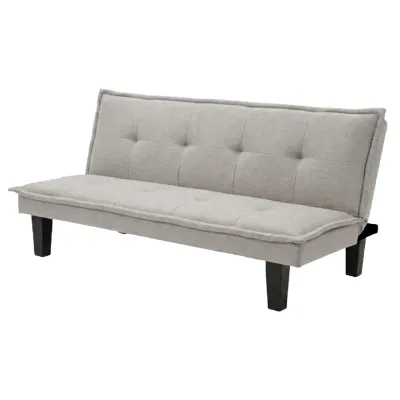
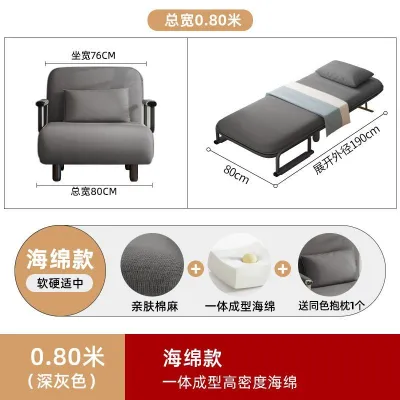
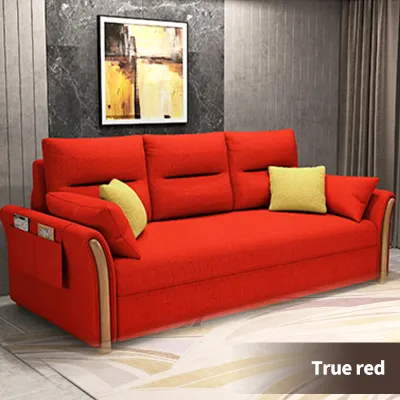
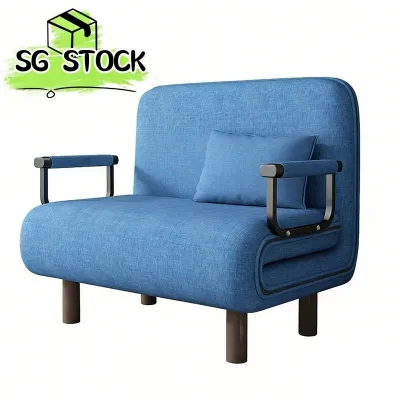
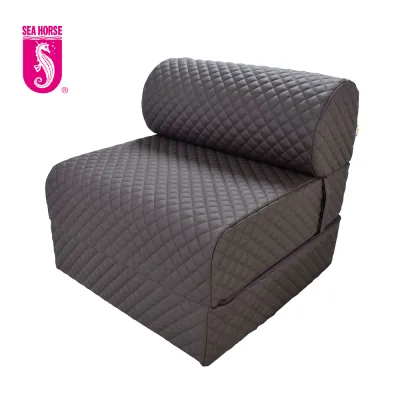
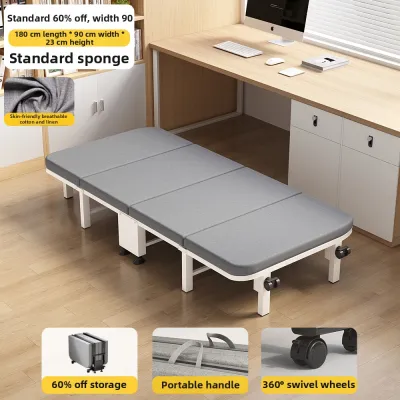
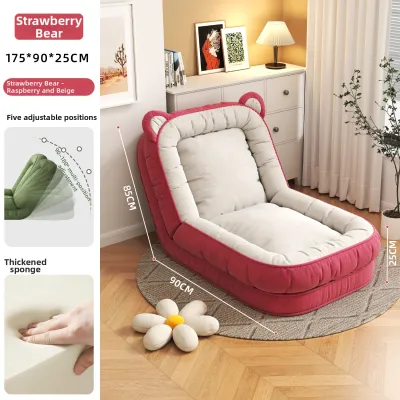
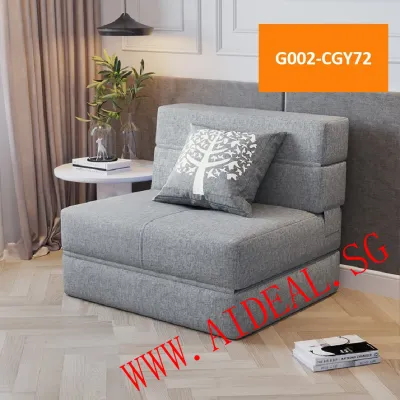
Prices are valid at publication and may change. Please refer to the product page for the latest price.
Pull-Out vs. Click-Clack vs. Folding Mechanisms
Pull-Out (Trundle/Drawer style): This mechanism relies on a lower drawer or trundle frame that rolls forward on castors from beneath the main seat. Once fully extended, the lower section is lifted—often assisted by spring-loaded levers—to align flush with the main seat cushions, creating a continuous sleeping surface. The primary advantage of this style is that the backrest remains stationary, meaning you do not have to clear any space behind the sofa. Additionally, your main seating cushions remain relatively undisturbed. However, because the mattress components must fold or slide into a compact lower drawer, the overall mattress thickness is strictly limited by the height of that under-seat compartment. You must also ensure you have ample front clearance; if your coffee table or television console is placed too close, you will find yourself rearranging the entire room every time you deploy the bed.
Click-Clack (Futon style): Operating on a simple, central hinge system, the click-clack mechanism is one of the most straightforward designs available. To convert the sofa, you lift the seat section upward until you hear a distinct “click,” which unlocks the backrest. You then lower the seat back down, allowing both the backrest and the seat to lie completely flat. While highly reliable and easy to operate with minimal physical exertion, this design has a major spatial drawback: it requires significant rear clearance. If the sofa is pushed flush against a wall, you must pull the entire heavy frame forward before you can lower the backrest. Furthermore, because you sleep directly on the same cushions you sit on, these models tend to feature firmer, thinner padding to ensure the internal frame is not felt, which may not suit those who prefer a plush sleeping surface.
Folding (Bi-fold/Tri-fold): This classic design conceals a complete, independent mattress and metal or wooden tram frame folded beneath the seat cushions. To use it, you remove the loose seat cushions entirely and pull the frame upward and outward in a rolling motion. Because the mattress is separate from the seating surface, folding sofa beds often offer superior mattress thickness and material choices, including pocket springs or memory foam. The trade-off is the physical effort required to lift and unfold the heavy steel mechanism, which can be challenging for older adults or those with back sensitivity. Additionally, storing the removed seat cushions while the bed is in use requires extra floor space.
Adjustable Backrests and Modular Configurations
Beyond full bed conversion, modern multi-functional sofas offer intermediate positions that enhance daily lounging. Multi-position reclining backrests, utilizing internal ratcheting gears, typically offer three to five distinct angles. These allow you to transition smoothly from an upright formal seating posture to a relaxed angle for reading, a deeper recline for watching television, and finally a flat position for sleeping. When shopping, it is vital to physically test these locking mechanisms in a local showroom. Apply firm downward pressure to the backrest when it is locked in an angled position to ensure the gears hold weight securely without slipping or creaking.
Modular configurations add another layer of adaptability. Some brands offer reversible chaise lounges or independent, movable ottomans with hidden storage. A modular design allows you to mirror the layout of your living room, switching the chaise from left to right to maintain optimal traffic flow. This flexibility is particularly valuable if you move homes or decide to redecorate, ensuring your investment remains functional in a completely different room layout.
Assessing Built-In Storage for Singapore Homes
For many Singapore homeowners, integrated storage is just as important as the sleeping surface. However, not all storage compartments are designed equally, and choosing the wrong style can lead to accessibility issues or damaged belongings.

Lift-Up Seat Storage: This design typically utilizes the entire cavity beneath a chaise lounge or the main seat frame, offering a massive volume of space perfect for bulky items like spare duvets, pillows, and winter clothing. Accessing this space requires lifting the seat cushion upward, which is usually supported by gas-pressurized hydraulic struts. While it maximizes storage volume, the main drawback is that you must clear any blankets, cushions, or seated guests off the sofa before you can open the compartment.
Pull-Out Under-Seat Drawers: Alternatively, some models feature drawers that slide out from the base on tracks. This style provides much easier access to your items without disturbing anyone sitting on the sofa. However, the storage capacity is significantly reduced because of the space required for the drawer slides, frame dividers, and castor wheels. The depth of these drawers is also limited, making them better suited for smaller items like bed linens, books, or board games.
Climate and Hygiene Considerations: Singapore’s tropical climate, characterized by high relative humidity that frequently exceeds 80 percent, presents unique challenges for enclosed furniture storage. Without proper airflow, items stored beneath a sofa can easily fall victim to mold, mildew, and musty odors. When evaluating a sofa bed’s storage compartment, look for ventilation holes or mesh panels that facilitate air circulation. Check the interior lining; a moisture-resistant laminate or treated fabric lining is much easier to wipe down and keep clean than raw, unfinished engineered wood. Additionally, select models with a slightly raised base rather than a frame that sits directly on the floorboards, as this prevents moisture from transferring from the floor into the storage cavity.
Hydraulic Safety: Always inspect the hydraulic struts or lift mechanisms. These components must be robust enough to support the heavy weight of the upholstered seat cushion while you reach inside. High-quality gas struts will hold the seat open securely at its highest point, preventing it from slamming shut unexpectedly on your hands. Always consult the manufacturer’s guidelines regarding weight limits and safe storage practices; for instance, avoid storing damp textiles, wet umbrellas, or heat-sensitive electronics inside these enclosed spaces.
How to Vet Brands and Furniture Retailers in Singapore
Navigating the furniture market in Singapore requires a systematic approach to quality verification. Rather than relying on unverified online rankings or promotional claims, you should evaluate local furniture retailers, brand showrooms, and online specialists based on tangible material specifications and physical testing.
Showroom Testing: While online shopping offers convenience, visiting a physical showroom is an indispensable step when buying a multi-functional sofa bed. You must personally operate the conversion mechanism multiple times. Listen closely for any loud squeaks, grinding metal, or rattling parts, which can indicate poor manufacturing tolerances or low-grade hardware. Assess the physical effort required to lift, pull, or click the mechanism. If the conversion feels overly heavy or awkward in the showroom, it will likely become a source of frustration in your daily routine.
Material Transparency: A reputable retailer should provide clear, detailed specifications for all structural and surface materials:
- Fabric Durability: Look for the Martindale rub count, which measures a fabric's resistance to abrasion. For a primary living room sofa bed subjected to daily use, aim for a rub count of at least 20,000 to 30,000 rubs. If you have pets or young children, consider stain-resistant treated fabrics or synthetic microfibers that allow for easy spot cleaning.
- Foam Density: The lifespan of your sofa depends heavily on its foam density, measured in kilograms per cubic meter ($kg/m^3$). High-quality seating typically utilizes high-resiliency (HR) foam with a density of $30kg/m^3$ or higher. Avoid models that use low-density foam (under $20kg/m^3$), as they will sag rapidly under daily weight, compromising both sitting and sleeping ergonomics.
- Frame Construction: Verify that the internal frame is constructed from kiln-dried hardwood (such as birch, beech, or solid larch) rather than standard engineered wood or particleboard. Kiln-drying removes moisture from the wood, preventing it from warping, cracking, or bowing in Singapore's humid climate. Joints should be glued, dowelled, and screwed rather than merely stapled.
Warranty and After-Sales Support: Because multi-functional furniture incorporates moving metal hinges, gears, and hydraulic struts, these parts experience significantly more wear and tear than a static sofa. Before purchasing, review the warranty terms carefully. Ensure the warranty explicitly covers the mechanical conversion components and hydraulic parts, not just the wooden frame or fabric cover. Ask the retailer if they maintain a local inventory of spare parts and if they offer professional on-site repair services in Singapore should a hinge or strut fail after several years of use.
Space Planning and Safety Checks Before Delivery
Before committing to a purchase, you must perform meticulous spatial planning to ensure the sofa bed can be delivered to your home and operated safely within your room.
Delivery Access: Multi-functional sofa beds are inherently heavier and bulkier than standard sofas due to their internal steel frames, tracks, and storage compartments. You must measure every point of entry along the delivery route. This includes measuring the width and height of your front door, any narrow corridors, stairwell turns, and especially the internal dimensions and door clearance of your building’s elevator. If you live in an older HDB estate or a condominium with tight elevator access, a fully assembled large sofa bed may not fit. In such cases, ask the retailer if the unit can be delivered flat-packed and assembled directly inside your room.
Operational Clearance: It is a common mistake to measure a sofa bed only in its closed position. You must map out the full footprint of the unit when it is completely extended into a bed. Use masking tape on your floor to visualize the extended dimensions. Ensure there is a minimum clearance of 50 to 60 centimeters around the perimeter of the bed when open, allowing you to walk around it comfortably. Verify that the extended bed does not block access to main doorways, built-in wardrobes, or balcony doors.
Safety Features: Examine the physical design of the mechanism for safety hazards. Look for integrated finger-pinch guards or protective fabric sleeves over heavy hinges to prevent accidental pinches during conversion. Ensure the unit features rounded corners and soft edges, particularly if you have young children or pets. For tall or modular units with high backrests, check if the manufacturer provides or recommends wall-anchoring kits to prevent the unit from tipping forward when someone sits heavily on the outer edge.
Weight Capacity: Always verify the manufacturer’s stated maximum weight capacity for both the seating and sleeping configurations. Keep in mind that dynamic loads—such as a person sitting down heavily or a child jumping on the surface—apply significantly more force than static weight. A robust double sofa bed should comfortably support a static weight of at least 200 to 250 kilograms. If the manufacturer cannot provide a certified weight capacity, treat this as a sign of sub-standard structural engineering.
Maintaining Moving Parts and Storage Compartments
Proper maintenance of your sofa bed’s mechanical and storage components is essential to ensure smooth operation and prolong its operational lifespan.
Mechanical Care: Dust, lint, and pet hair can easily accumulate in the tracks, hinges, and gear teeth of your conversion mechanism, leading to friction and premature wear. Make it a habit to vacuum these moving parts every few months using a narrow crevice tool. If a joint begins to squeak or feel stiff, do not use standard household penetrating oils, as they can attract dust and grime, eventually gumming up the mechanism. Instead, apply a small amount of a dry silicone-based lubricant or a specialist lubricant recommended by the manufacturer directly to the pivot points, wiping away any excess immediately to protect the surrounding fabric.
Hardware Checks: The vibrations and physical forces exerted during daily conversion can slowly loosen the structural hardware over time. Every six months, perform a quick inspection of all visible bolts, screws, and brackets. Use a screwdriver or hex key to gently tighten any loose fasteners, ensuring you do not over-tighten and strip the threads in wooden frames.
Storage Hygiene: To keep the under-seat storage compartment fresh, wipe it down periodically with a slightly damp microfiber cloth, followed immediately by a dry cloth to remove all trace moisture. Leave the compartment open for a few hours on a dry, air-conditioned day to allow air to circulate fully. To combat Singapore’s ambient humidity, place reusable silica gel canisters, activated charcoal bags, or moisture-absorbing hanging bags inside the storage space, replacing or regenerating them according to the manufacturer’s instructions. Never store damp towels, unwashed bedding, or items with strong chemical odors inside the enclosed compartment, as these will ruin the interior environment and ruin any stored fabrics. For any complex mechanical issues, structural bending, or broken welds, always contact the retailer’s professional after-sales team rather than attempting DIY structural repairs.
Frequently Asked Questions (FAQ)
Can a multi-functional sofa bed replace a regular mattress for daily use?
While high-quality multi-functional sofa beds are excellent for guest use and short-term sleeping, they are generally not designed to fully replace a dedicated, high-quality mattress for long-term daily sleep. Sofa bed mattresses must be thinner and denser to allow them to fold or fit within the frame’s storage cavities. Over extended periods of daily use, this thinner profile can lead to less optimal spinal alignment compared to a standard thick pocket-spring or latex mattress. Additionally, daily conversion and sleeping apply continuous, concentrated pressure that will accelerate the wear and tear on the mechanical joints, hinges, and foam padding, shortening the overall lifespan of the furniture.
How do I prevent musty odors in the under-seat storage?
Preventing musty odors in your under-seat storage requires active humidity management. Ensure the room itself is well-ventilated, utilizing air conditioning or dehumidifiers during particularly humid seasons to lower ambient moisture levels. Inside the storage compartment, place high-capacity silica gel packs or activated charcoal bags to actively absorb trapped moisture and neutralize odors, making sure to replace or dry them out regularly. Finally, establish a strict rule never to store unwashed laundry, damp blankets, or wet textiles inside the compartment, as even a small amount of moisture can quickly trigger mold growth in an enclosed space.

Community discussion
Share your experience or ask a question. Comments are reviewed before publication.