
To find the ideal sleeping sofa for a compact Singapore home, you must look beyond aesthetics and focus on spatial efficiency, mechanical durability, and dual-purpose utility. In high-density living environments like HDB flats and condominiums, every square meter counts, making a highly functional sofa bed an excellent investment. The right choice is not a universal brand, but rather the specific model that aligns with your room’s dimensions, your frequency of use, and your storage requirements. By systematically evaluating conversion mechanisms, frame materials, and built-in storage options, you can select a piece that transitions seamlessly from a comfortable daytime seat to a supportive nighttime bed.
Maximizing a small layout requires understanding how a piece of furniture functions in both its closed and open states. A sleeping sofa must serve as an inviting, ergonomic seating option during the day without overwhelming the visual flow of your living room or study. At night, it must convert smoothly into a flat, supportive sleeping surface without requiring you to completely rearrange your existing layout. Balancing these two roles involves analyzing the physical design of the sofa, the quality of its internal components, and the practical realities of your living space.
Essential Multi-Functional Features for Compact Layouts
When space is at a premium, choosing a sleeping sofa with integrated multi-functional features can eliminate the need for additional furniture pieces, keeping your room uncluttered. Built-in storage compartments are among the most valuable additions to a compact sofa bed. Many designs incorporate hidden storage space directly beneath the seating cushions or within a chaise lounge section. This integrated storage is highly efficient because it utilizes the existing footprint of the sofa, providing a convenient place to store heavy blankets, extra pillows, and bed linens without taking up valuable wardrobe space.
Products mentioned in this guide
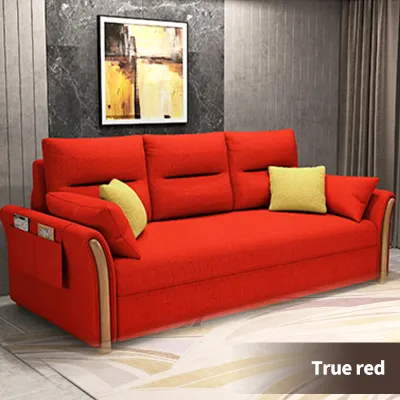
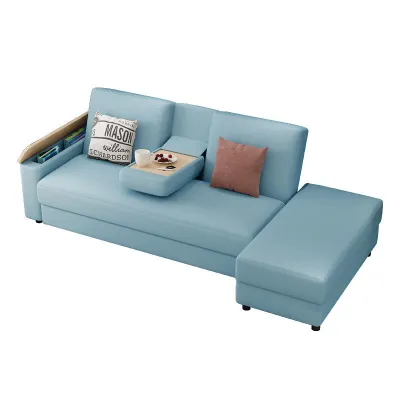
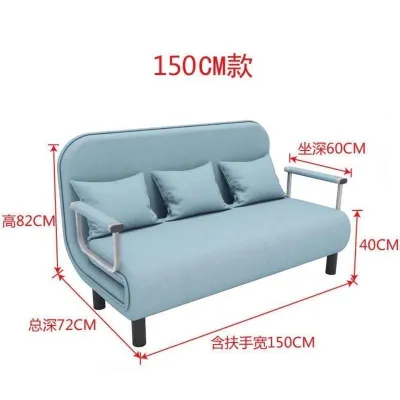
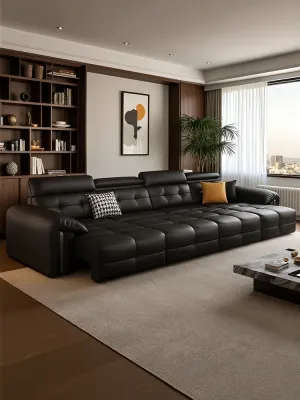
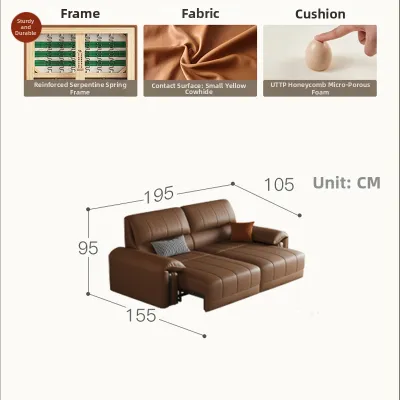
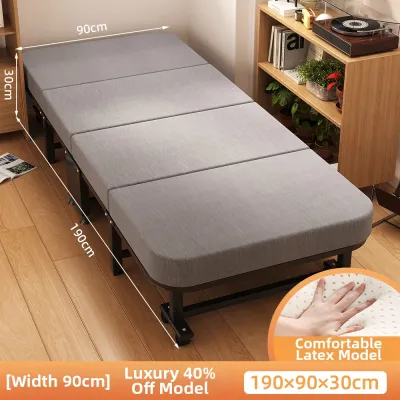
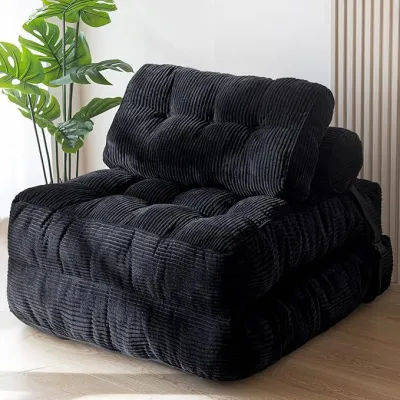
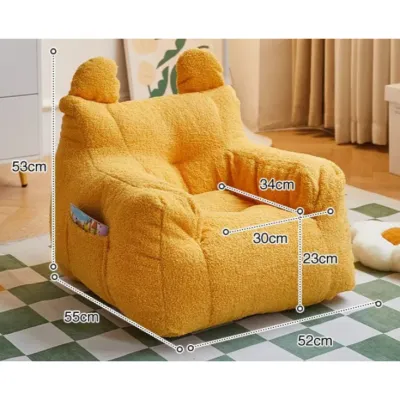
Prices are valid at publication and may change. Please refer to the product page for the latest price.
Comparing integrated storage to standalone storage solutions, such as a separate storage ottoman, highlights the spatial efficiency of built-in designs. While an ottoman offers flexibility and can be moved around the room, it still occupies its own dedicated floor area and can easily block narrow walkways in a small HDB living room. Integrated storage, conversely, keeps your floor space completely clear. When evaluating these built-in options, pay close attention to the access method. Lift-up seats equipped with gas-assist struts allow you to access the storage compartment from above with minimal physical effort, which is ideal when space in front of the sofa is limited.
Conversely, pull-out drawers located at the base of the sofa require a clear path of at least one meter in front of the unit to slide open fully. If your living room layout places a coffee table, a rug, or a television console in close proximity to the seating area, a pull-out drawer may force you to move these items every time you need to access your linens. Therefore, for exceptionally tight layouts, lift-up mechanisms are generally the more practical choice.
Beyond storage, look for other dual-purpose design elements that enhance utility. Some modern sleeping sofas feature adjustable armrests that can be flattened to extend the sleeping surface or angled to act as built-in headrests, allowing you to get a longer bed without purchasing a wider sofa frame. Other models incorporate integrated wooden side tables or wide, flat armrests that can hold drinks and devices, potentially eliminating the need for separate end tables. Reversible chaise configurations are also highly beneficial, as they allow you to switch the chaise from the left to the right side, ensuring the sofa can adapt to different room layouts if you move to a new home in the future.
Evaluating Brands for Small-Space Sofa Beds
Navigating the furniture market to find the right sleeping sofa requires a structured approach to evaluating brands. Rather than focusing on general furniture retailers that specialize in oversized, deep-seated lounge sofas, look for brands that demonstrate a clear specialization in modular, compact, or urban-space furniture lines. These specialized manufacturers design their collections specifically for high-density living, meaning their sofa beds often feature slimmer armrests, shallower overall depths, and wall-hugging mechanisms that require minimal clearance behind the backrest.

Because a sleeping sofa relies on moving parts that experience regular friction and stress, the warranty terms offered by a brand are a critical indicator of build quality. When comparing brands, look beyond the general warranty period and verify the specific coverage for internal metal frames, hinges, gas struts, and click-clack joints. A brand that offers a dedicated, multi-year warranty on these mechanical components demonstrates confidence in the durability of their engineering. Avoid brands that only cover the fabric upholstery or the foam filling, as the mechanical joints are typically the first areas to experience wear and tear in a dual-use piece.
Material transparency is another essential factor when assessing furniture brands. Reputable manufacturers should clearly state the materials used in their frames, such as solid kiln-dried hardwood or powder-coated steel, rather than using vague terms like wood composites or metal. They should also provide detailed specifications regarding the density of their foam cushions and the type of support system used beneath the mattress. This transparency allows you to make an informed decision based on structural integrity rather than marketing claims.
Additionally, inquire about the availability of replacement parts and the clarity of the assembly instructions. High-quality brands often design their furniture with longevity in mind, offering spare parts such as replacement wooden slats, mechanism joints, or even detachable fabric covers that can be purchased separately. The ability to replace individual components rather than the entire sofa is not only more sustainable but also highly cost-effective over the lifespan of the furniture. If you plan to assemble the sofa yourself, check if the brand provides clear, step-by-step instructions or video guides, as a poorly assembled mechanism can lead to premature wear or safety hazards.
Space Planning and Pre-Purchase Measurement Checklist
Successful space planning is the most critical step in selecting a sleeping sofa for a compact home. You must measure your room’s dimensions in two distinct phases: the standard sofa profile for daytime use and the fully extended bed mode for nighttime use. Using masking tape to map out the exact footprint of both configurations on your living room floor is an excellent way to visualize the spatial impact. Ensure that when the bed is fully extended, there remains a clear walking path of at least 50 to 60 centimeters around the sides and the foot of the bed so you can move around comfortably without climbing over the mattress.
In addition to the room’s floor area, you must carefully account for delivery route constraints, which is a common challenge in high-rise Singapore apartments. Measure the height and width of your apartment’s entry door, any tight hallway corners, and the internal dimensions of the passenger lift. Many modular sleeping sofas are delivered flat-packed or in separate sections to facilitate transport, but you must verify the packaging dimensions with the retailer beforehand. Ensuring the boxes can clear your building’s lift and doorways prevents the frustration of a failed delivery or the need for expensive manual hoisting.
Traffic flow within the room must also be planned around the sofa’s conversion process. If your chosen model features a pull-out drawer or an extension that rolls forward on castors, verify that your flooring material can handle the repeated movement without scratching. If you have a thick area rug in front of the sofa, you may need to roll it up or reposition it every time you convert the sofa into a bed. Furthermore, ensure that nearby furniture pieces, such as coffee tables, side chairs, or floor lamps, can be easily moved aside to accommodate the extended bed without blocking access to doorways, balconies, or built-in wardrobes.
Finally, consider the clearance required behind the sofa’s backrest. Some traditional click-clack mechanisms require you to pull the entire sofa away from the wall by 10 to 20 centimeters before you can fold the backrest down. In a tight room, this constant physical shifting can be highly inconvenient and can damage both your flooring and your walls. If you have limited space, look for zero-wall or wall-hugger designs, which are engineered to slide forward as they unfold, allowing the back of the sofa to remain positioned directly against the wall at all times.
Comparing Conversion Mechanisms and Sleep Support
The choice of conversion mechanism directly impacts both the ease of daily setup and the quality of sleep the sofa provides. Click-clack and fold-down mechanisms are incredibly popular for small spaces because they are fast to operate and often feature a streamlined, modern aesthetic. However, these designs typically use the same foam cushions for both sitting and sleeping. This dual-use can lead to uneven wear over time, as the areas of the cushion subjected to the most pressure during the day may become softer than the rest of the sleeping surface, potentially affecting spinal alignment during sleep.
Pull-out mechanisms that reveal a hidden, dedicated mattress offer a more traditional bed feel and are often preferred for frequent use. Because the mattress is stored inside the frame and is not sat upon during the day, it experiences less wear and tear and can provide more consistent support. However, these mechanisms tend to be heavier to operate and require more physical effort to pull out and fold away. When evaluating pull-out models, test the mechanism in the showroom if possible, checking for smooth operation, sturdy metal linkages, and secure locking pins that hold the frame in place.
The underlying support system of the sleeping sofa is just as important as the mattress itself for ensuring long-term comfort and preventing sagging. Wooden slat bases, particularly those made from flexible, multi-layered birch or eucalyptus wood, offer excellent contouring support and allow air to circulate beneath the mattress, which is crucial for moisture management. Metal mesh or spring suspension frames are highly durable and provide a firmer feel, but they can sometimes transfer motion if two people are sharing the bed. Avoid simple fabric-webbing supports for beds intended for frequent use, as they tend to stretch and sag quickly under body weight.
Always check the manufacturer-stated weight capacity limits for both the static seating and dynamic sleeping configurations to ensure safety. A high-quality double sleeping sofa should comfortably support a dynamic weight of at least 200 kilograms when fully extended. Understanding these limits is essential, especially if the bed will be used regularly by multiple adults, as overloading the frame can warp the metal linkages, crack the wooden support slats, or cause the locking mechanisms to fail prematurely.
Upholstery Selection and Maintenance for Dual-Use Pieces
Because a sleeping sofa serves as both a high-traffic seat and a bed, the upholstery material must be exceptionally durable, easy to clean, and comfortable against the skin. Tight synthetic weaves, such as polyester blends, nylon, or performance microfibers, offer excellent resistance to daily friction and are less prone to pilling over time. If you live in a warm and humid climate, prioritize highly breathable fabrics that do not trap body heat, and look for stain-resistant treatments that allow you to wipe away spills before they penetrate the fibers.
Removable, washable covers are highly advantageous for maintaining hygiene, especially if the sofa bed is used frequently by guests or children. However, you must carefully check the manufacturer’s care label before washing them. Some fabrics are dry-clean only, while others can be machine-washed but are highly susceptible to shrinkage. A shrunken cover can be nearly impossible to re-fit over the foam cushions, permanently altering the shape and comfort of your sofa. If the cover is not removable, invest in a high-quality, breathable mattress protector to use whenever the sofa is converted into a bed.
To keep the conversion mechanism operating smoothly and quietly, establish a routine maintenance schedule. Every six months, inspect the metal hinges, tracks, and locking pins for any signs of loose screws or misalignment. If the mechanism begins to squeak or feel stiff, consult the manufacturer’s guidelines to identify approved lubricants, such as silicone sprays, and apply them sparingly to the moving joints while protecting the surrounding fabric from overspray. Regular maintenance not only prolongs the lifespan of the mechanical parts but also ensures a safer and more reliable transition between sofa and bed modes.
Frequently Asked Questions (FAQ)
Can a sleeping sofa completely replace a standard bed in a small home?
While high-end sleeping sofas with thick pocket-spring mattresses and robust wooden slat bases can offer excellent comfort, they are generally not recommended as permanent, long-term replacements for a standard bed. Dedicated mattresses are designed with deeper comfort layers and superior airflow channels that are difficult to replicate in a foldable frame. If you must use a sofa bed daily, look for models specifically rated for everyday use, and ensure the room has adequate ventilation to prevent moisture buildup beneath the mattress.
What is the minimum room size needed for a pull-out sleeping sofa?
To comfortably accommodate a standard two-seater pull-out sleeping sofa, the room should ideally have a minimum clear floor area of at least 2.4 meters by 3 meters. This allows for the sofa’s closed depth (typically around 90 centimeters), the fully extended bed length (usually between 200 and 210 centimeters), and a vital 50-centimeter clearance path at the foot of the bed. If your room is smaller than this, consider a click-clack model or a single-size daybed, which fold parallel to the wall and require significantly less forward clearance.
How often should the conversion mechanism be lubricated or checked?
You should perform a quick visual inspection and tighten any loose hardware on your sofa bed’s mechanism every six months. Lubrication is typically only necessary once a year, or immediately if you notice unusual resistance, grinding, or squeaking when opening the bed. Always check the manufacturer’s care manual before applying any lubricant, as using the wrong type of oil can attract dust and lint, which can clog the tracks and accelerate mechanical wear.

Community discussion
Share your experience or ask a question. Comments are reviewed before publication.