
Quick Guide to Compressed Sofa Beds in Singapore
Compressed sofa beds, often referred to as roll-packed or box-shipped sofas, represent a major shift in urban furniture design. These pieces are vacuum-sealed, compressed under heavy machinery, and packed into manageable boxes. This innovative packaging allows them to bypass the traditional logistical headaches associated with moving large, bulky furniture into modern high-rise residences.
For residents living in Singapore’s Housing & Development Board (HDB) flats or private condominiums, navigating tight spaces is a daily reality. Standard passenger lifts, narrow corridors, and sharp turns in stairwells often make delivering a traditional, fully assembled three-seater sofa bed nearly impossible without expensive hoisting services. A compressed sofa bed solves this bottleneck by arriving in compact boxes that easily fit into standard lifts and pass through standard 80-centimeter doorway frames.
However, choosing a compressed model requires a shift in expectations. While traditional sofa beds rely heavily on thick metal inner-spring mattresses and heavy wooden frames, compressed alternatives utilize advanced high-density foam layers, pocket springs designed for compression, and modular, bolt-together frames. Understanding how these materials perform over time is key to selecting a model that serves as both a comfortable daily seat and a supportive guest bed.
Products mentioned in this guide
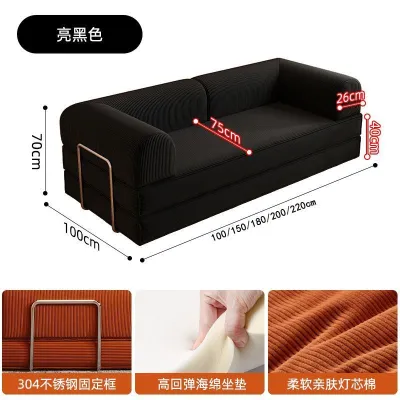
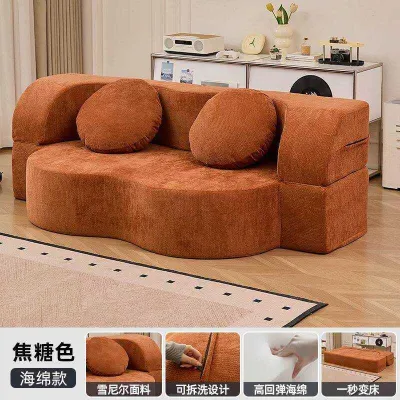
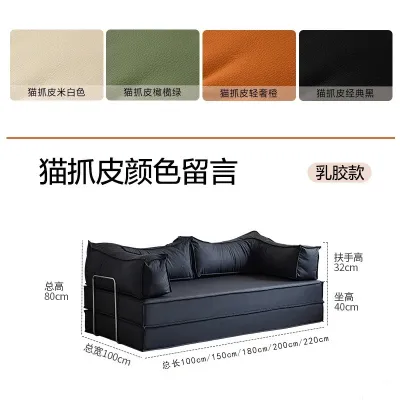
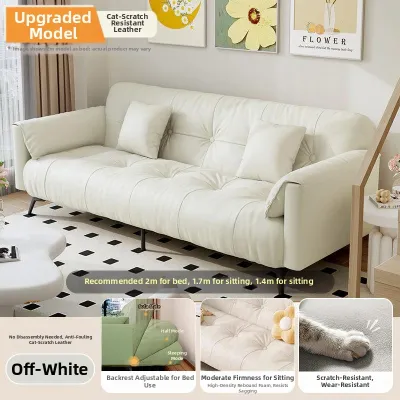
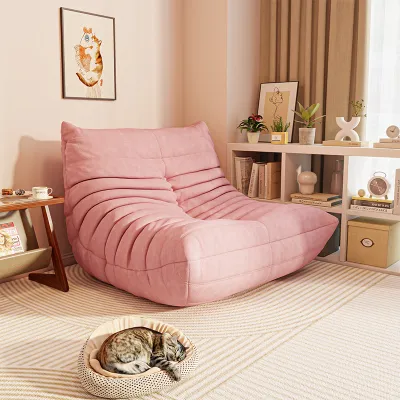
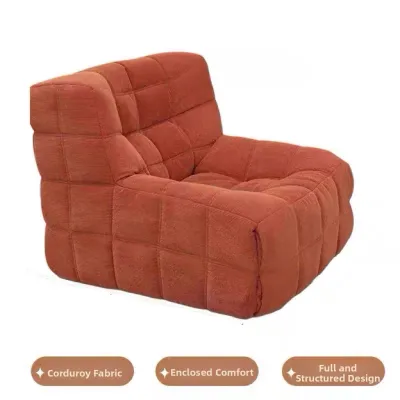
Prices are valid at publication and may change. Please refer to the product page for the latest price.
Essential Selection Criteria for HDBs and Condos
Before committing to a purchase, verifying the physical dimensions of the delivery packaging is just as important as measuring your living room floor space. Do not assume that a compact sofa will automatically fit through your building’s entry points. Request the exact box dimensions from the manufacturer and compare them against your estate’s passenger lift door clearance, interior lift cabin height, and any tight corners in your apartment’s entryway. If you live in an older HDB estate where lifts do not stop on every floor, or where lift cabins are exceptionally shallow, these box measurements are critical for planning a manual carry-up.

Structural integrity is the next critical checkpoint. Because compressed sofa beds are designed to be shipped in pieces and assembled at home, the quality of the joints and fasteners determines the furniture’s lifespan. Look for frames constructed from kiln-dried hardwood or powder-coated steel rather than low-grade particleboard. Examine the assembly instructions online to verify if the joints use metal-to-metal bolt connections, which remain stable over years of use, rather than simple wood screws that can strip the material when subjected to the repeated movement of converting the sofa into a bed.
The tropical climate of Singapore introduces unique challenges for upholstered furniture. High relative humidity levels can trap moisture within foam layers, leading to mold, mildew, and musty odors if the materials are not breathable. When evaluating fabrics, prioritize high-performance polyester blends, linen-look synthetics, or fabrics treated with moisture-resistant barriers. Check the manufacturer’s specifications for the Martindale rub count—a rating of fabric durability—aiming for at least 15,000 rubs for light domestic use and over 25,000 rubs for high-traffic households. Avoid cheap bonded leathers, which are highly prone to cracking and peeling when exposed to local humidity and body oils.
Comparing Multi-Functional Features for Daily Use
The mechanism used to convert your sofa into a bed dictates how easily you can transition your living room into a guest bedroom. The three most common designs found in compressed models are fold-down, pull-out, and modular configurations.
Fold-down mechanisms, often called click-clack systems, operate by releasing a hinge in the backrest, allowing it to lay flat level with the seat. This design is highly reliable and mechanically simple, meaning there are fewer moving parts to wear out over time. However, click-clack sofas require a clearance gap between the back of the sofa and the wall, meaning you must either leave a permanent space behind the sofa or physically slide the entire frame forward every time you want to convert it.
Pull-out or trundle mechanisms utilize a drawer-like frame that slides out from beneath the main seat cushions, carrying an additional mattress section that rises to meet the seating level. This configuration is highly space-efficient because the back of the sofa can remain flush against the wall. When evaluating a pull-out model, inspect the quality of the bottom casters or wheels. Ensure they are made of non-marking polyurethane or rubber rather than hard, cheap plastic, which can easily scratch parquet, laminate, or vinyl flooring common in Singapore apartments.
Modular configurations offer the ultimate flexibility for compact homes. Instead of relying on mechanical hinges, modular compressed sofas consist of independent, lightweight blocks or ottomans that can be rearranged freely. You can push them together to form a queen-sized sleeping surface, separate them into individual armchairs for hosting guests, or configure them into an L-shaped chaise lounge. This adaptability makes modular systems highly attractive for renters who may move to apartments with different layouts in the future.
Storage integration is another highly sought-after feature in small-space furniture. Many compressed sofa beds feature hidden compartments beneath the seat cushions or inside hollow armrests. While built-in storage is incredibly useful for stashing spare pillows, bedsheets, and bolsters, it is essential to evaluate how this storage space affects seating comfort. In some designs, accommodating a storage box requires reducing the thickness of the seat foam or raising the seating height to an uncomfortable level. Ensure the seat height remains between 40 and 45 centimeters from the floor for optimal ergonomic comfort.
Managing Delivery and Space Constraints
Receiving and unboxing a compressed sofa bed requires careful preparation to avoid damaging your new purchase or injuring yourself. Once the delivery team leaves the boxes in your home, clear a spacious, clean area on your living room floor. Lay down a clean bedsheet or cardboard packaging to protect the sofa fabric from dust and floor debris during assembly.
When opening the vacuum-sealed plastic wrap, exercise extreme caution. Avoid using long utility knives or sharp scissors directly against the plastic, as it is incredibly easy to slice through the compressed fabric or puncture the foam underneath. Instead, use a specialized safety cutter or carefully cut the outer layers of plastic away from the main body of the foam, allowing the air to slowly hiss into the packaging.
Once the vacuum seal is broken, the foam will begin to expand rapidly, but the full curing process takes time. High-density polyurethane foam and pocket-spring layers require anywhere from 24 to 72 hours to draw in ambient air and regain their engineered shape, density, and firmness. During this expansion period, keep your windows open or run a dehumidifier to maintain good ventilation. This helps dissipate any chemical odors, known as off-gassing, which are common in newly manufactured foam products.
Before you begin attaching the outer frame, armrests, or legs, perform a thorough visual inspection. Check for stop conditions that indicate a manufacturing defect or shipping damage. These include uneven expansion where one side of a cushion remains completely flat after 48 hours, visible tears along the seams, or misaligned pre-drilled bolt holes on the structural frame. If you encounter any of these issues, stop assembly immediately, take clear photographs, and contact the manufacturer’s customer support before attempting to force the pieces together.
How to Evaluate and Shortlist Brands
When shopping for a compressed sofa bed in Singapore, evaluating the brand’s local infrastructure is crucial for a hassle-free ownership experience. Because these products are shipped compressed, returning a defective or unsuitable item can be incredibly difficult if the brand does not have a clear, customer-friendly return policy. Look for brands that offer a trial period or a straightforward return process where they handle the logistics of picking up the uncompressed, fully expanded sofa.
Warranty coverage is a direct indicator of a brand’s confidence in its product durability. Prioritize brands that offer a comprehensive warranty of at least two to five years covering structural frame failures, broken mechanical hinges, and abnormal foam sagging (typically defined as a permanent indentation of more than 2 to 3 centimeters). Be sure to read the fine print to understand what actions might void the warranty, such as using the sofa before the recommended expansion time or exceeding the stated weight limits.
While online-only brands often offer lower prices, brands with physical showrooms in Singapore provide a significant advantage. Visiting a showroom allows you to physically test the firmness of the foam, sit on the sofa to check the seat depth, and personally operate the conversion mechanisms. This hands-on test helps prevent the disappointment of purchasing a sofa bed that is either too firm for comfortable sleeping or too soft for proper spinal support during daily sitting.
Finally, assess the quality of the brand’s customer support channels. A reputable brand should provide clear communication regarding delivery windows, offer optional assembly services for a reasonable fee, and have a responsive local customer service team. Read independent customer reviews on local forums and business directories, paying close attention to how the brand handles post-delivery issues, missing assembly hardware, or warranty claims.
Frequently Asked Questions (FAQ)
How long does a compressed sofa bed take to fully expand?
Most compressed sofa beds regain about 90% of their shape within the first 24 hours after unboxing. However, achieving full structural expansion, optimal firmness, and complete seam alignment typically takes between 48 and 72 hours. The exact timeline depends on the density of the foam and the ambient environment. In Singapore’s warm, humid climate, foam tends to expand relatively quickly, but keeping the room well-ventilated with a ceiling fan or air conditioning can help speed up the process and clear out any lingering manufacturing odors. If a cushion or corner remains noticeably flat or misshapen after 72 hours, this is a stop condition, and you should contact the manufacturer for a replacement.
Can I sleep on a compressed sofa bed immediately after unboxing?
It is highly recommended to avoid sleeping or sitting heavily on a compressed sofa bed for the first 24 hours after unboxing. Applying full body weight prematurely can compress the foam cells before they have fully drawn in air, which can permanently damage the foam’s cellular structure and lead to premature sagging or uneven soft spots. Additionally, the materials need time to off-gas in a well-ventilated space to ensure a comfortable and healthy sleeping environment. Always check the specific product manual provided by the manufacturer, as some brands strictly require a full 48-hour waiting period to keep the product warranty valid.

Community discussion
Share your experience or ask a question. Comments are reviewed before publication.