
Selecting a chaise lounge chair with multi-functional features is one of the most practical ways to optimize a modern living space. In space-conscious urban environments, furniture must often perform double or triple duty, serving as a comfortable reading nook by day, a hidden storage vault by afternoon, and a supportive guest bed by night. The market offers two primary multi-functional designs: those featuring integrated storage compartments beneath the seating cushion, and those engineered with convertible mechanisms that transform the chair into a flat sleeping surface or adjustable daybed. Finding the right balance between these features requires a clear understanding of your daily habits, spatial constraints, and the mechanical integrity of the furniture itself. By evaluating how these designs operate and checking key structural points before purchasing, you can secure a piece that enhances both the utility and comfort of your home.
Identifying Your Multi-Functional Needs
Before browsing online marketplaces or visiting local showrooms, you must define the primary problem you need to solve. If your living room is cluttered with seasonal bedding, extra cushions, or children’s toys, a chaise lounge with a built-in storage compartment offers an elegant, out-of-sight solution. Conversely, if you frequently host overnight guests but lack a dedicated spare bedroom, a convertible design that transitions into a flat bed is a more logical priority. Attempting to find a single piece of furniture that excels equally at high-capacity storage and frequent, heavy-duty bed conversion often leads to compromises in comfort or mechanical longevity, so identifying your primary driver is essential.
Daily usage patterns should heavily influence your choice between seating comfort and mechanical utility. A chaise lounge intended for daily lounging, television viewing, or reading requires high-density foam and ergonomic lumbar support, which can sometimes be compromised by the rigid frames and thin cushioning typical of highly complex convertible mechanisms. If the bed conversion feature will only be used a few times a year for holiday guests, prioritize seating ergonomics and look for simpler, more robust mechanisms. On the other hand, if the lounge serves as a primary sleeping surface or is adjusted multiple times a day, investing in a heavy-duty, transition-focused frame with premium, resilient cushioning becomes non-negotiable.
Products mentioned in this guide
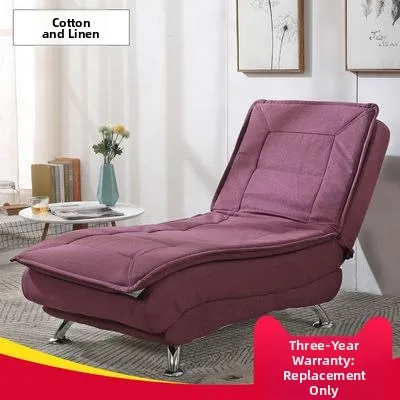
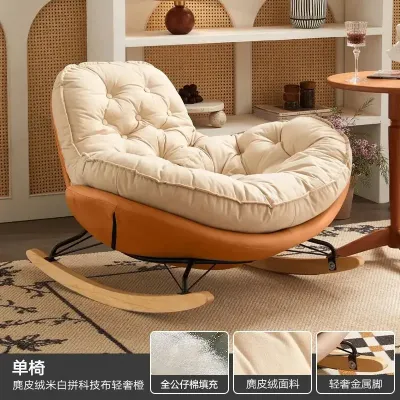

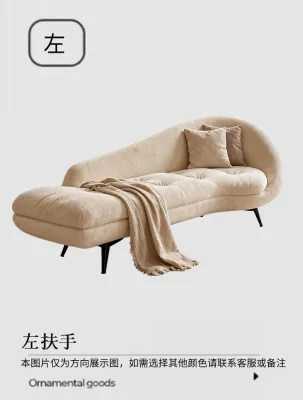
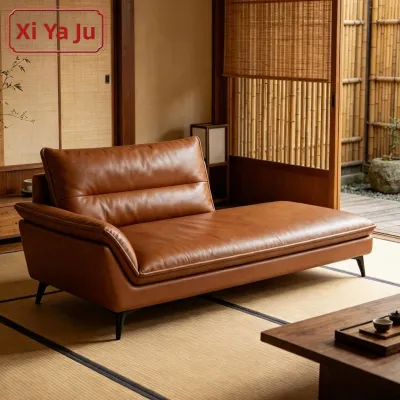
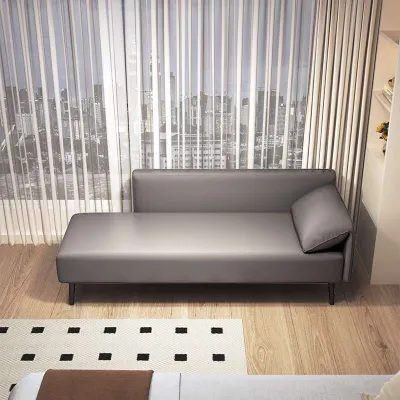

Prices are valid at publication and may change. Please refer to the product page for the latest price.
The trade-off between standard seating ergonomics and mechanical complexity is a critical consideration for any multi-functional purchase. Standard, non-moving chaise lounges are built with fixed, contoured frames designed to support the natural curves of the body over long periods. Multi-functional models, however, must accommodate moving joints, folding hinges, or sliding tracks, which often require flatter, more modular cushion designs. When evaluating these options, consider whether the seams, gaps, or hard points created by the internal mechanisms will interfere with your comfort during extended periods of sitting or lying down.
Evaluating Structural and Mechanical Durability
The longevity of a multi-functional chaise lounge depends almost entirely on the quality of its moving parts and structural frame. Because these chairs undergo dynamic forces during conversion or when accessing storage, a standard lightweight frame is highly susceptible to warping or joint failure over time. Look for frames constructed from kiln-dried hardwoods or reinforced steel, which provide the necessary rigidity to withstand repeated mechanical stress. Pay close attention to the joint connections; high-quality models utilize corner blocks, dowels, or heavy-duty metal brackets rather than simple glue and staples to secure load-bearing areas.

Different mechanical systems require varying levels of physical effort and maintenance. Gas-lift piston mechanisms, commonly found in lift-up storage chaises, assist in raising heavy cushions and holding them open safely, but they must be checked periodically for pressure loss or fluid leaks. Click-clack mechanisms, which allow the backrest to lock into multiple reclining angles, offer simplicity but rely on internal spring-loaded gears that can wear out if forced past their natural stopping points. Pull-out drawer tracks and sliding metal frames must operate smoothly without binding, requiring you to inspect the alignment of the tracks and the quality of the rollers or casters.
Upholstery durability is another critical factor, particularly along high-friction seams where cushions rub against each other or against the frame during transition. When examining fabric options, look for high rub-count synthetic blends, tightly woven canvases, or treated leathers that resist pilling and abrasion. Double-stitched or reinforced seams are essential along the edges of moving cushions, as the pulling forces exerted during conversion can easily unravel standard single-needle stitching. Additionally, ensure that any fabric flaps or dust covers protecting the internal mechanisms are securely fastened and do not get caught in the moving joints during operation.
Comparing Storage and Convertible Configurations
Built-In Storage Chaise Lounges
Storage-focused chaise lounges utilize the substantial volume beneath the seating cushion to create a concealed compartment without expanding the furniture’s physical footprint. The most common design features a lift-up seat cushion supported by gas-assist struts or heavy-duty spring hinges. When evaluating these models, verify that the hinges include safety stops or locking mechanisms to prevent the heavy seat from slamming down unexpectedly while you are reaching inside. The lifting action should feel smooth and controlled, requiring minimal physical exertion to initiate and close.
Another common storage configuration utilizes pull-out drawers integrated into the base of the chaise. While drawers offer easier access to specific items without disturbing someone sitting on the lounge, they require significant clear floor space in front of or beside the unit to open fully. Ensure the drawer slides are equipped with ball-bearing tracks for smooth operation and check whether the drawers are supported by floor casters. If the drawers roll directly on the floor, verify that the wheels are made of non-marking rubber or polyurethane to protect your flooring, especially if you have sensitive hardwood or vinyl planks.
The internal compartment itself must be inspected for depth, structural lining, and ventilation. A storage compartment lined with breathable fabric or featuring small ventilation grates helps prevent musty odors and moisture buildup, which is particularly important in humid climates. Check the weight capacity of the compartment floor; some models use thin hardboard panels that can bow or break under the weight of heavy books or luggage, while superior designs utilize reinforced wooden slats or thick plywood bases capable of supporting substantial loads.
Convertible and Reclining Designs
Convertible chaise lounges focus on flexibility, allowing you to transition from an upright reading posture to a relaxed recline or a fully flat sleeping surface. When assessing these designs, map out the available backrest adjustment ranges and test the locking positions to ensure they feel secure under your full body weight. The transition between angles should be intuitive and smooth, without requiring you to stand up or struggle with awkward release cords. High-quality reclining mechanisms lock firmly into place with a reassuring click, indicating that the load-bearing teeth are fully engaged.
The physical effort required to convert the chaise into a bed is a key usability factor. Pull-out sleeper designs, where a secondary frame slides out from beneath the main seat and rises to meet the cushion level, should operate on smooth, well-aligned tracks that do not bind or scratch your floors. Evaluate the stability of the extended base when fully deployed; any wobbling, tipping, or unevenness at the foot of the bed indicates poor frame alignment or inadequate support legs. Support legs that fold down automatically during conversion are highly convenient but must lock securely to prevent accidental collapse.
Sleeping comfort on a convertible chaise is heavily influenced by cushion density and the presence of folding seams. Unlike a standard mattress, a convertible lounge cushion must be firm enough to support sitting without bottoming out, yet forgiving enough to allow comfortable side or back sleeping. Inspect the transition zones where different cushion sections meet when the bed is flat; deep gaps or hard structural ridges along these seams can cause significant discomfort during the night. If you plan to use the convertible chaise frequently for guests, consider adding a thin, removable mattress topper to bridge these gaps and provide a more uniform sleeping surface.
Space Planning and Clearance Checks for Singapore Homes
In Singapore’s compact residential layouts, such as HDB flats and condominiums, precise spatial planning is the difference between a highly functional living room and a cramped, unusable space. Before purchasing a multi-functional chaise lounge, you must measure not only its static footprint but also its fully extended dimensions. For convertible models, calculate the exact length of the unit when fully flattened into a bed, ensuring there is still at least 60 centimeters of walking clearance around the perimeter. For lift-up storage models, measure the vertical clearance required to open the lid fully without hitting low-hanging wall shelves, artwork, or light fixtures.
The delivery pathway is a frequently overlooked bottleneck that can completely derail your purchase. You must measure the height, width, and diagonal clearance of every doorway, hallway turn, and elevator door the furniture must pass through to reach your living room. In many Singapore apartment buildings, passenger lifts have strict height and depth limits that may not accommodate a long, single-piece chaise frame. If your building’s lift is too small, verify whether the chaise can be disassembled into smaller components for transport, or check if the retailer charges additional fees for manual stair-carrying services, keeping in mind any structural limitations of your stairwell.
Finally, map out the placement of adjacent furniture and essential utilities in your living room. A pull-out drawer or an extending bed frame must not block access to main walkways, balcony doors, or built-in cabinetry when fully deployed. If your convertible chaise features built-in power outlets, USB ports, or motorized reclining mechanisms, you must position it within safe reach of a wall outlet to avoid running hazardous extension cords across high-traffic walking paths. Take the time to tape out the fully extended dimensions of the chaise on your floor using painter’s tape to visualize the real-world flow of the room.
Building Your Shortlist: Pre-Purchase Verification
Once you have narrowed down your choices, compile a shortlist and systematically verify the manufacturer’s technical specifications against your physical constraints. Do not rely solely on marketing photos, which often use clever angles to make furniture appear smaller or more spacious than it is. Request detailed dimension diagrams from the retailer, showing the exact height of the seat, the depth of the storage compartment, and the total length when fully extended. If you are buying online, read customer reviews specifically looking for feedback on assembly difficulty, mechanical reliability, and whether the actual product dimensions match the listed specifications.
Warranty coverage is a critical indicator of a manufacturer’s confidence in their mechanical designs. Standard furniture warranties often cover the wooden frame and upholstery fabric for a limited period but may exclude or offer shorter coverage for moving parts like gas struts, click-clack hinges, and pull-out metal tracks. Look for warranties that explicitly cover mechanical components for at least one to two years, as these are the parts most likely to experience wear and tear. Carefully read the warranty terms to understand what actions, such as exceeding the stated weight capacity or attempting self-repair, could void your coverage.
Before finalizing your order, clarify the retailer’s delivery, assembly, and return policies. Multi-functional furniture is notoriously heavy and complex to assemble, often requiring specialized tools to align the tracks and tension the springs correctly. Opting for professional assembly services provided by the retailer ensures the mechanisms are set up safely and function as intended from day one. Additionally, confirm the return policy for defective or unsuitable items; because returning a large, heavy piece of furniture can be logistically challenging and expensive, understanding the retailer’s terms regarding return shipping fees and restocking charges is essential for a risk-free purchase.
Frequently Asked Questions (FAQ)
How do I maintain the mechanical hinges on a storage chaise lounge?
To keep your storage chaise operating smoothly, inspect the mechanical hinges and gas struts every six months for loose screws, structural misalignment, or dust accumulation. Wipe down the metal tracks and joints with a dry microfiber cloth to remove debris, and apply a small amount of silicone-based lubricant to the moving pivot points if you notice squeaking or resistance. Never force a stiff mechanism; if the seat does not lift easily, check for obstructions inside the compartment or contact the manufacturer to determine if a gas strut needs replacement.
Can a convertible chaise lounge replace a dedicated guest bed?
While a convertible chaise lounge is an excellent space-saving solution for occasional overnight guests, it is generally not designed to replace a dedicated mattress for long-term, nightly use. The dual-purpose cushions must balance sitting support with sleeping comfort, resulting in a firmer surface that may lack the targeted pressure relief of a standard bed. Additionally, the seams and folding joints can create uneven support zones over extended periods. For occasional hosting, however, a high-quality convertible chaise paired with a supportive mattress topper offers a highly comfortable and practical sleeping arrangement.

Community discussion
Share your experience or ask a question. Comments are reviewed before publication.