
Choosing between MUJI castors and generic furniture castors comes down to balancing visual cohesion with specific mechanical requirements. Branded MUJI castors are designed to integrate seamlessly with their proprietary shelving and storage units, offering a clean, minimalist aesthetic and standardized material quality for light-to-medium indoor use. Conversely, generic castors provide a vast array of specialized load capacities, mounting styles, and heavy-duty materials at a lower price point, making them highly adaptable for diverse furniture types. To make the right choice, you must evaluate your flooring material, the weight of your furniture, and the exact mounting dimensions.
Selecting the wrong castor can lead to permanent floor damage, frustrating rolling resistance, or even structural failure of the furniture itself. While branded accessories offer convenience and design harmony, generic alternatives provide the flexibility needed for custom projects and heavy-duty applications. By understanding the physical differences in materials, bearings, and load distribution, you can protect your floors and ensure your furniture remains safely mobile.
Core Differences in Design and Material Specifications
MUJI castors typically feature a streamlined, integrated housing that conceals the mounting hardware and wheel axle, aligning with a minimalist home aesthetic. This enclosed design helps minimize dust accumulation around the axle, which is a common cause of rolling resistance over time. The visual profile is kept as unobtrusive as possible, allowing the castor to blend into the furniture leg rather than standing out as an industrial component.
Products mentioned in this guide
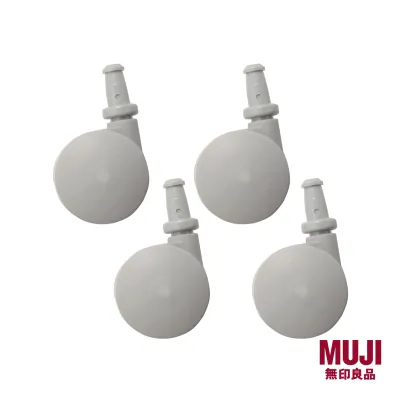
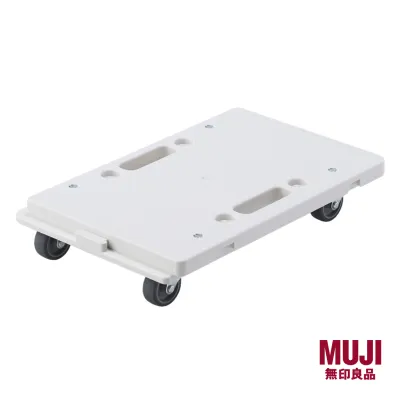
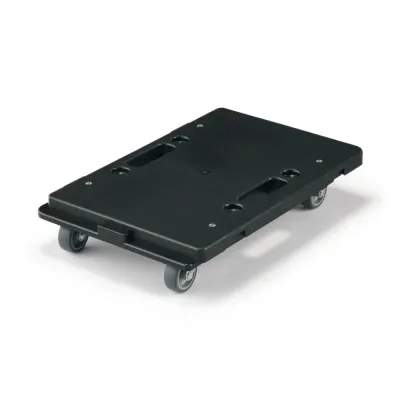
Prices are valid at publication and may change. Please refer to the product page for the latest price.
In contrast, generic castors often feature utilitarian, exposed metal brackets. While these brackets may look less refined in a minimalist living room, they are frequently constructed from thicker steel, which can offer greater structural rigidity for heavy-duty applications. The exposed design also makes it easier to inspect the wheel mechanism for debris or wear, though it does require more frequent cleaning to prevent dust buildup.
Do not rely on vague marketing terms like “floor-safe” or “ultra-smooth” when evaluating either option. Instead, check the product labels and specification sheets for the exact polymer used in the wheel construction. Soft polyurethane (PU) and thermoplastic rubber (TPR) are excellent for hard floors because they deflect slightly under load, absorbing minor impacts and preventing scratches. Hard nylon or polypropylene (PP) wheels roll easily on carpets but can easily scratch or dent hardwood and vinyl.
Inspect the internal bearing type to assess long-term performance and maintenance needs. High-quality castors use sealed ball bearings in both the swivel joint and the wheel hub, which ensures smooth rolling and prevents dust from clogging the mechanism. Cheaper generic options often rely on plain axles—metal pins sliding directly through plastic holes—which require more frequent cleaning and can develop a squeak over time.
Evaluating Floor Protection: Key Verification Points
The level of floor protection depends heavily on how the furniture’s weight is distributed across the wheels. A wider tread width and a larger contact area spread the load more evenly, reducing the pressure exerted on a single point of your floor. This is particularly critical for soft flooring materials like vinyl, laminate, or natural hardwood, where concentrated weight can cause permanent indentation.

Even the softest wheel material can damage your floors if debris becomes embedded in the tread. Inspect the tread pattern before purchasing any castor set. Smooth, non-grooved treads are easier to wipe clean and are less likely to pick up small pebbles, grit, or pet hair from your floors. If you choose castors with deep grooves, you must commit to regular maintenance to prevent these trapped particles from acting like sandpaper against your floor.
To verify if a castor is truly non-marking, look for explicit manufacturer certifications or material safety data sheets. If these are unavailable, perform a discreet scuff test on a spare piece of your flooring or an inconspicuous area, such as inside a closet. Take a single castor and press it firmly against the surface, then drag the wheel sideways to see if it leaves a dark residue or a physical indentation.
Additionally, consider the color of the wheel material itself. Darker rubber wheels are more prone to leaving carbon black scuff marks on light-colored floors if the furniture is dragged sideways. Light grey or clear polyurethane wheels are generally safer options for maintaining the pristine look of light-colored tiles, vinyl, or timber floors.
Durability, Load Capacity, and Installation Checks
Never guess the weight capacity of your castors, as overloading can lead to sudden wheel failure or bent mounting plates. To calculate the required load rating, determine the total weight of the furniture piece plus the maximum weight of the items you plan to store on or inside it. Divide this total weight by the number of castors you plan to install to find the minimum capacity required per wheel.
For safety, it is wise to divide by one less than the total number of wheels (for example, dividing by three instead of four). This safety margin accounts for uneven floors, where a slight dip can temporarily shift the entire load onto fewer contact points. If your calculated weight exceeds the rating of standard lifestyle castors, you must look for specialized heavy-duty generic options.
Before purchasing any replacement castor, take precise measurements of the existing mounting points. For stem castors, measure the stem diameter and stem length using a caliper. Even a one-millimeter difference can prevent the stem from fitting securely into the socket or cause it to wobble dangerously. For plate-mounted castors, measure the overall plate dimensions and the exact distance between the screw holes to ensure they align with your furniture’s base.
Evaluate the braking mechanism carefully if your furniture needs to remain stationary at times. A reliable brake should lock both the wheel’s rotation and the swivel mechanism simultaneously, which is often referred to as a total-lock brake. Check if the brake lever is easily accessible with your foot and made of a durable material that will not bend or snap under repeated pressure.
Price vs. Value: Assessing the Premium
Branded MUJI castors generally carry a price premium in S$ compared to basic generic alternatives found on online marketplaces. This premium primarily covers strict quality control, aesthetic consistency with existing storage systems, and the assurance of standardized materials. When you buy a branded accessory, you are paying for a guaranteed fit and a design that does not disrupt the visual flow of your living space.
Generic castors offer practical value when aesthetics are secondary or when you have highly specialized requirements. If you are outfitting a heavy workbench, a large kitchen island, or outdoor patio furniture, generic options are often the only viable choice. They provide access to industrial-grade load ratings, weather-resistant stainless steel brackets, and specialized wheel diameters that branded lifestyle lines simply do not offer.
Do not fall into the trap of assuming that a higher price tag automatically translates to better floor protection. A premium-priced castor made of hard nylon will still damage a soft hardwood floor faster than an inexpensive generic castor made of soft thermoplastic rubber. Always prioritize the physical material specifications and load limits over the brand name or price point.
Consider the long-term replacement costs as well. If a single castor breaks on a proprietary system, replacing it with another branded unit can be more expensive and depend on stock availability. Generic castors are widely available and easily swapped out, making them a highly practical choice for high-traffic environments where wear and tear are inevitable.
Decision Framework: Which Castors Should You Buy?
Choose MUJI castors if you are accessorizing compatible MUJI furniture units, such as PP storage cases or steel unit shelves. They are ideal if you prioritize a clean, minimalist profile, require a guaranteed physical fit without measuring, and want a cohesive look for light-to-medium indoor applications. They remove the guesswork from the installation process for these specific systems.
Choose generic castors if you need to support heavy loads, require specific non-standard stem sizes (such as threaded stems for non-branded furniture), or need advanced features like total-lock brakes. They are also the practical choice if you are working within a tight budget and are willing to spend time measuring your furniture to ensure compatibility.
Verify first if your flooring is highly sensitive to scratching, such as soft engineered wood or polished marble. In these cases, prioritize soft polyurethane wheels regardless of the brand. Additionally, if your furniture must frequently cross uneven thresholds, transition strips, or thick carpets, ensure you select a larger wheel diameter to prevent the castors from getting stuck or tipping.
Frequently Asked Questions (FAQ)
Can I use generic castors on MUJI furniture?
Yes, you can use generic castors on MUJI furniture, but you must measure the mounting points with extreme precision. Many MUJI storage units use specific stem diameters or proprietary clip-in mechanisms that may not align with standard generic stems. Additionally, using third-party parts or modifying the mounting sockets can alter the stability of the unit and will likely void any manufacturer warranties. Ensure you compare the physical dimensions of the generic stem with the original insert before attempting installation.
Do soft rubber wheels always prevent floor scratches?
While soft rubber or polyurethane wheels are significantly safer for hard floors than hard plastic or nylon, they do not offer absolute protection. If fine grit, sand, or pet hair accumulates on your floor, the soft tread can press these abrasive particles into the surface as the wheel rolls, creating micro-scratches over time. Furthermore, low-quality rubber can degrade in high-humidity environments, leaving dark, sticky scuff marks that are difficult to clean. Regularly wipe down both your floors and the castor treads to maintain effective protection.

Community discussion
Share your experience or ask a question. Comments are reviewed before publication.