
Selecting the right chair socks for your home in Singapore depends on matching the protector’s material to your specific flooring type and how you use your furniture. In a typical local household, floors range from cool ceramic tiles and modern luxury vinyl tiles (LVT) to classic parquet or engineered wood. Choosing incorrectly can lead to unsightly scuff marks, torn protectors, or even permanent discoloration of your floor finish. By understanding the unique properties of felt, silicone, rubber, and fabric, you can keep your chairs sliding smoothly and quietly while preserving the integrity of your floors.
Assessing Your Floors and Furniture Needs
Before purchasing any floor protectors, take a close look at the flooring materials installed in your home. Hard surfaces react differently to friction, pressure, and moisture. For instance, glazed ceramic and homogeneous tiles are highly durable but feature grout lines that can catch and wear down soft protectors. On the other hand, luxury vinyl flooring and laminate are sensitive to chemical reactions and scratches, while natural timber parquet is highly susceptible to deep dents and abrasive wear.
The weight of your furniture and how frequently it moves also dictate your choice. Heavy solid wood dining chairs exert significant downward pressure, requiring dense, load-bearing protectors that will not compress completely under weight. Lightweight metal or plastic chairs might move easily but can have sharp leg rims that slice through thin materials. Additionally, consider the local climate; Singapore’s high relative humidity means floors are frequently mopped, and moisture can trap dust and grime under chair legs, accelerating abrasive wear.
Products mentioned in this guide
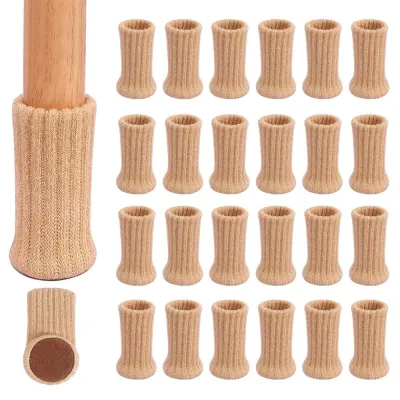
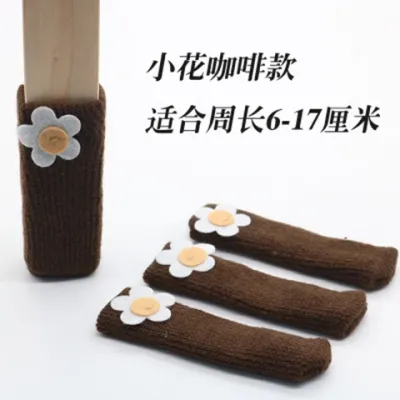
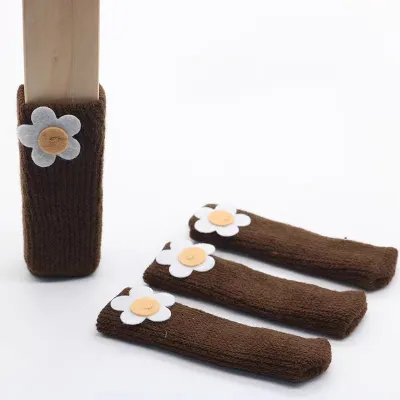
![[SG Stock] Chair Leg Protector Chair Socks Foot Cover Furniture Table Anti Scratch Non-slip Floor Protectors](https://img.lazcdn.com/g/p/80b61faacb3df647e22bed2a3ad43fba.jpg_400x400q80.jpg_.webp)
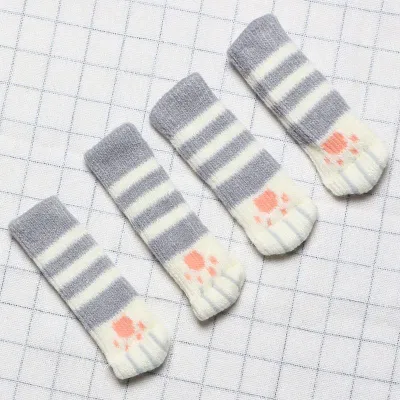
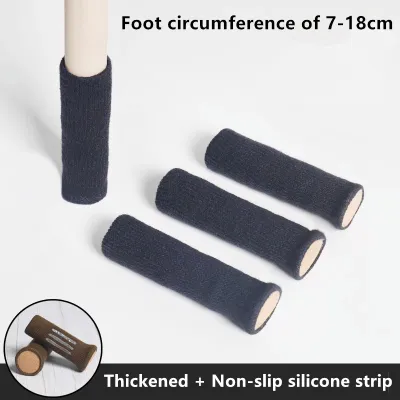
Prices are valid at publication and may change. Please refer to the product page for the latest price.
Finally, always review your flooring manufacturer’s care guidelines and warranty terms. Some vinyl and polyurethane floor finishes can react chemically with certain rubber compounds, leading to permanent yellowing or dark stains. Knowing these restrictions beforehand prevents costly mistakes and ensures your choice of protector aligns with your floor’s specific care instructions.
Comparing Chair Sock Materials: Felt, Silicone, Rubber, and Fabric
Each floor protector material offers distinct physical characteristics that influence how easily a chair slides, how much noise it makes, and how well it resists wear. Understanding these traits allows you to select a material that matches your daily household activities.

Felt Chair Socks
Felt is a classic choice for floor protection, highly valued for its excellent gliding properties. It allows chairs to slide effortlessly across hard, smooth surfaces like polished hardwood, engineered timber, and smooth tiles. This smooth movement minimizes the effort required to pull out dining chairs and significantly reduces scraping noises.
When selecting felt protectors, check the thickness and density specifications provided by the manufacturer. Low-density felt compresses quickly under heavy furniture, losing its cushioning ability and exposing your floors to the hard chair leg. Look for heavy-duty, high-density felt that can withstand consistent weight without flattening completely.
However, felt has notable limitations in certain environments. Because it is a porous fiber, it easily absorbs liquid spills, making it less suitable for kitchens or dining areas where accidental spills occur. In humid environments, damp felt can trap moisture against wood floors, potentially causing water spots or warping. Additionally, felt acts like a magnet for dust, hair, and grit, which can become embedded in the fibers and act like sandpaper against your floor finish if not cleaned regularly.
Silicone and Rubber Chair Socks
Silicone and rubber protectors are designed primarily for grip, durability, and moisture resistance. These materials are ideal for wet areas like kitchens, bathrooms, or semi-outdoor dining spaces where liquid spills are common. They form a waterproof barrier around the bottom of the chair leg, preventing moisture from seeping upward into the furniture material.
Silicone sleeves are typically flexible and translucent, stretching to conform to various chair leg shapes. Many modern silicone caps feature an integrated felt pad at the bottom, combining the grip and fit of silicone with the smooth glide of felt. If you choose pure silicone or rubber bottoms, keep in mind that they are designed to keep furniture firmly in place. This high friction prevents sliding, which is excellent for stationary furniture but can make moving dining chairs more difficult.
Before installing rubber protectors, verify their compatibility with your floor finish. Some synthetic rubber compounds contain plasticizers that can migrate into vinyl flooring or react with polyurethane wood coatings, leaving permanent dark marks or yellow stains. Additionally, check the bottom tread pattern; aggressive, hard-molded treads can scratch delicate finishes if a heavy chair is dragged forcefully across the room.
Fabric and Knit Chair Socks
Fabric and knit chair socks offer a soft, flexible, and often decorative solution for protecting floors. Made from woven elastic yarns, these socks slip over chair legs like small booties. They are highly effective at dampening sound, making them an excellent choice for quiet areas such as bedrooms, home offices, and study rooms.
The performance of fabric socks depends heavily on their weave tightness and bottom construction. Standard knit socks can wear through rapidly under the constant friction of heavy dining chairs or rough tile grout. To ensure longevity, look for options with double-layered soles, reinforced stitching, or integrated felt patches on the bottom.
Fabric socks are highly convenient because they are generally machine washable, allowing you to easily clean off accumulated dust and dirt. However, their textured surface naturally collects pet hair, lint, and dust. If you have shedding pets, you will need to wash or vacuum these socks frequently to maintain a clean appearance and prevent debris from scratching your floors.
Decision Framework: Matching Materials to Your Specific Floors
To simplify your selection, use this conditional framework to match the right protector material to your specific household setup:
- Choose Felt if you have natural hardwood, parquet, or smooth laminate floors, and your primary goal is to slide dining chairs smoothly and quietly without scratching the delicate wood finish.
- Choose Silicone (with integrated felt bottoms) if you want a secure, stretchable fit on modern vinyl or tile floors, combining the waterproof protection of silicone with the easy gliding of felt.
- Choose Rubber if you have heavy, stationary furniture on ceramic or homogeneous tiles and need to prevent sliding while protecting the floor from high-impact dents.
- Choose Fabric or Knit if you have lightweight chairs in bedrooms or carpeted areas, prefer a cozy aesthetic, and need maximum noise reduction.
Verify first if your flooring has existing textured finishes or deep grout lines. Highly textured rustic tiles or hand-scraped wood floors can quickly shred thin fabric or soft felt. For extremely heavy furniture, such as large solid-wood dining tables or heavy sideboards, standard chair socks may not provide sufficient support; these items are better suited for heavy-duty, load-bearing felt pads or specialized furniture glides.
| Material | Best Floor Types | Grip Level | Primary Maintenance |
|---|---|---|---|
| Felt | Hardwood, Parquet, Smooth Laminate | Low (Easy Glide) | Vacuum regularly; replace when compressed |
| Silicone | Vinyl, Smooth Tiles, Laminate | Medium to High | Wipe with a damp cloth; check for tears |
| Rubber | Ceramic Tiles, Concrete | High (Non-Slip) | Wipe clean; check for floor discoloration |
| Fabric / Knit | Bedrooms, Smooth Tiles, Linoleum | Low to Medium | Machine wash; remove pet hair regularly |
Sizing, Fit, and Pre-Installation Checks
Achieving a secure fit is crucial to prevent chair socks from slipping off or wearing out prematurely. Start by measuring the exact dimensions of your chair legs. For round legs, measure the diameter across the very bottom of the leg. For square legs, measure the width of one side. If your chair legs are tapered, oval, or highly irregular, use a flexible measuring tape or a piece of string to find the total perimeter of the base.
Compare your measurements against the manufacturer’s sizing chart. Many silicone and fabric socks offer a degree of elasticity, but overstretching them can cause the material to tear or thin out, reducing its protective qualities. Conversely, choosing a size that is too large will cause the socks to slide off when the chair is lifted or moved.
Before installing the new protectors, thoroughly inspect the bottom of each chair leg. Remove any old, worn-out stick-on pads, adhesive residue, or rusty metal glides. Check for protruding nails, staples, or rough wood splinters that could puncture or tear the new chair sock from the inside. Sanding down rough wooden edges with a fine-grit sandpaper ensures a smooth surface that extends the lifespan of your new protectors.
Maintenance, Cleaning, and When to Replace
Regular maintenance ensures your chair socks continue to protect your floors effectively over time. For silicone and rubber caps, wipe them down periodically with a damp microfiber cloth to remove dust and grit that accumulates around the edges. For fabric and knit socks, remove them every few weeks to shake out dust, vacuum away pet hair, or toss them into a mesh laundry bag for a gentle machine wash. Felt protectors should be vacuumed using an upholstery attachment to pull out embedded grit.
Inspect your chair socks every few months for visible signs of wear. Look for thinning felt bottoms, cracked or yellowed silicone, loss of elasticity in fabric socks, or any embedded debris like small pebbles or metal shavings. If a protector is worn through, loose, or damaged, replace it immediately. Continuing to use a compromised chair sock can scratch your flooring, leading to permanent damage that is far more difficult and expensive to repair than simply replacing a worn protector.
Frequently Asked Questions (FAQ)
Can I use chair socks on chairs with wheels or casters?
Chair socks are designed specifically for stationary legs and do not work on rolling wheels or casters. Attempting to fit socks over wheels will prevent them from rotating, causing the chair to drag awkwardly and potentially damage both the wheel mechanism and your floor. If you need to protect floors from rolling office chairs, check the caster wheel material; replacing hard plastic wheels with soft polyurethane caster wheels designed for hard floors is a highly effective solution. Alternatively, place a dedicated polycarbonate or tempered glass floor mat under the desk area.
How do I remove scuff marks left by rubber or silicone socks?
If rubber or silicone protectors leave dark scuff marks on your floor, start with the gentlest cleaning method first. Rub the mark gently with a clean, dry microfiber cloth or a clean tennis ball. For stubborn marks on tile or vinyl, apply a small amount of water and a mild, pH-neutral floor cleaner, rubbing in a circular motion. Always check your flooring manufacturer’s care instructions before using any abrasive pads or chemical solvents, as these can permanently dull or strip the protective top coat of your floor. If the mark persists or the finish appears damaged, stop and consult a professional flooring specialist.
Do chair socks work on uneven or textured floor tiles?
Using standard chair socks on highly textured or uneven floor tiles presents unique challenges. The uneven edges of textured tiles can catch on the edges of felt or fabric socks, causing them to wear down, tear, or slip off quickly. If you have textured floors, look for heavy-duty silicone caps with thick, reinforced bottoms that can conform to the tile’s profile without tearing. Alternatively, ensure the socks have a highly flexible body that allows the protector to absorb the impact of uneven grout lines without shifting out of place.
Community discussion
Share your experience or ask a question. Comments are reviewed before publication.