
Modular shelving systems that support add-on doors offer a highly flexible way to transition from open display to clean, dust-free cabinet storage. By choosing a system designed with integrated mounting points, pre-drilled holes, or dedicated hinge tracks, you can easily convert standard bookshelves into enclosed cabinets. This modular approach allows you to customize your storage layout over time, mixing open display areas with concealed compartments to suit changing household needs.
To achieve a seamless, built-in cabinet look, you must select a system where the doors are engineered to fit the specific frame dimensions. Not all modular shelves are built to support the physical weight and mechanical stress of swinging or sliding doors. Understanding the structural requirements, mounting mechanisms, and spatial clearances of these systems is essential to ensuring a stable, functional, and safe installation in your home.
What Makes a Modular Shelf Compatible With Add-On Doors
Adding doors to an open shelving unit introduces new mechanical forces that the original frame must be strong enough to support. When a door is attached, its weight hangs entirely off one side of the vertical panel, creating a constant pulling force. If the frame lacks sufficient rigidity, this asymmetrical load can cause the upright panels to warp, sag, or pull away from the horizontal shelves. High-quality modular systems are engineered with reinforced joints and thicker side panels to counteract these forces and maintain structural integrity over years of use.
Products mentioned in this guide
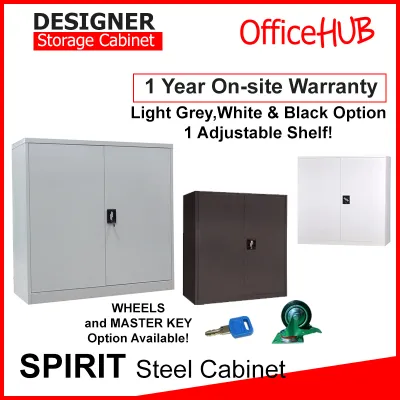
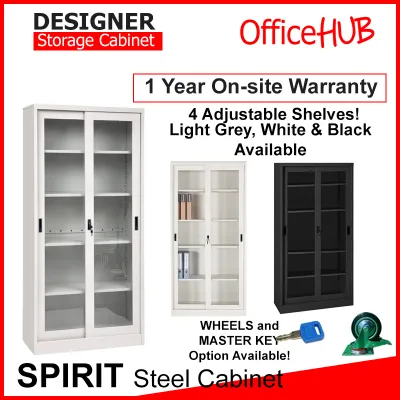
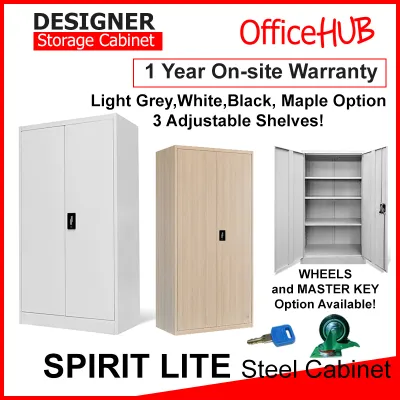
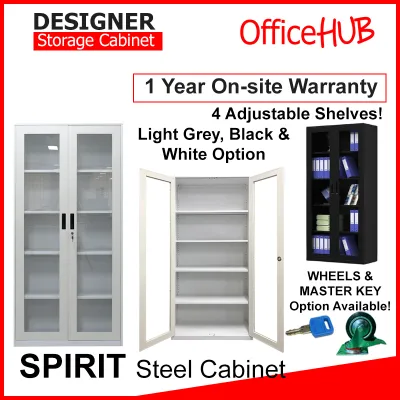
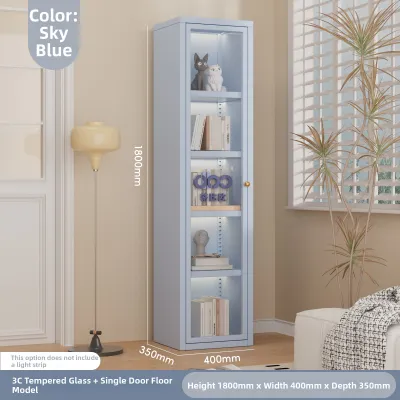
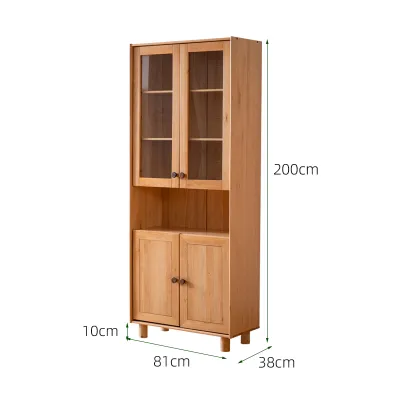
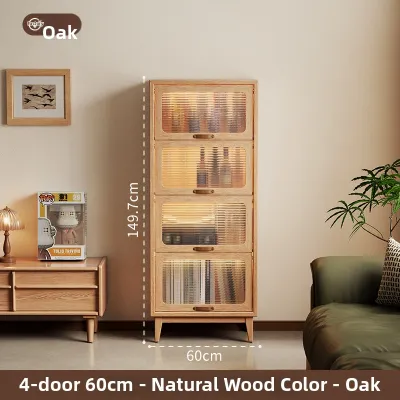
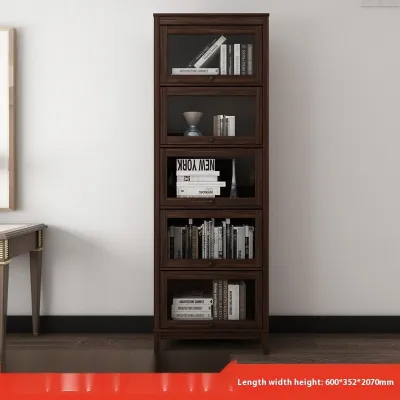
Prices are valid at publication and may change. Please refer to the product page for the latest price.
The method of attachment is another critical factor in compatibility. Many modular manufacturers include pre-drilled hinge holes along the interior of the upright panels. These factory-drilled holes ensure that hinges align perfectly, preventing crooked doors and uneven gaps. Systems without pre-drilled holes require universal mounting hardware, which often demands precise manual measurement and drilling. Attempting to drill into materials like hollow-core boards or thin particleboard without pre-existing anchor points can strip the material, leading to loose hinges and sagging doors.
The material of the add-on doors also plays a major role in the overall stability of the shelving unit. Lightweight options, such as acrylic, thin wood veneers, or fabric-covered panels, place minimal stress on the frame and hinges. Heavy materials, such as solid wood, thick medium-density fibreboard (MDF), or tempered glass framed in metal, require heavy-duty hinges and an exceptionally robust frame. When planning a conversion, you must verify that the shelf frame is rated to support the combined weight of the stored items and the heavy door panels.
Furthermore, the addition of doors shifts the center of gravity of the entire shelving unit forward, especially when the doors are opened. This forward shift increases the risk of the unit tipping over. Compatible modular systems typically specify that any unit fitted with doors must be securely anchored to the wall. Before purchasing add-on doors, check the manufacturer’s installation instructions to identify the required anchoring hardware and ensure your walls can support the necessary fasteners.
Common Modular Designs That Support Cabinet Conversions
Grid-based cube systems are among the most popular and accessible designs for cabinet conversions. These systems feature standardized square or rectangular compartments that allow for a high degree of customization. Manufacturers of these systems often produce matching insert drawers and door kits that slide or snap directly into individual cubes. Because each door is contained within its own small compartment, the weight is distributed evenly across the entire grid, making this a highly stable option for living rooms, playrooms, and home offices.

Upright and bracket systems offer a more industrial or minimalist aesthetic, utilizing vertical metal standards that mount to the wall or stand freely with cross-bracing. Shelves and cabinet boxes are then suspended from these uprights using specialized brackets. To convert these systems into closed cabinets, manufacturers offer pre-assembled cabinet boxes with integrated doors that hook directly into the vertical standards. This design allows you to position closed storage at any height, keeping frequently used items at eye level while concealing clutter below.
Track-based modular walls represent a premium option for creating a fully integrated, built-in cabinet look. These systems rely on top and bottom tracks mounted to the wall, along with vertical panels that slide along the tracks or lock into place. Add-on doors for track-based systems often include large sliding panels or bi-fold doors that cover multiple shelving bays at once. This design is highly efficient for narrow spaces, as sliding doors do not require outward swing clearance, allowing you to maximize floor space while maintaining a clean, minimalist facade.
Another variation is the modular stackable box system, where individual wooden or composite boxes are stacked horizontally and vertically to build a custom storage wall. Many of these systems offer optional door attachments that clip onto the front of individual boxes. Because each box is an independent structural unit, the doors do not compromise the stability of the adjacent compartments. This modularity makes it simple to start with a few open shelves and gradually add doors as your storage needs or budget change.
Essential Space and Clearance Checks Before You Buy
Before purchasing any modular shelving system with the intention of adding doors, you must perform precise spatial measurements. The most common oversight is failing to account for the added depth that doors, hinges, and handles introduce. While an open bookshelf might fit perfectly within a shallow recess, adding doors can extend the front profile by several centimeters. This extra depth can obstruct walkways, interfere with nearby room doors, or prevent drawers on adjacent furniture from opening fully.
The swing radius of hinged doors requires careful calculation to ensure comfortable daily use. A standard hinged door needs a clear arc of space in front of the shelf equal to the width of the door panel. If the room is narrow, such as a hallway or a small bedroom, swinging doors can block traffic or strike other objects. In these tight spaces, alternative door mechanisms, such as sliding doors that glide parallel to the frame or flip-up doors that lift upward and slide into the top of the compartment, are much more practical.
Proper floor leveling and wall anchoring are non-negotiable requirements for any shelving unit converted into a cabinet. If your floors are uneven, the vertical panels of the shelving unit will tilt slightly, causing the doors to hang unevenly, rub against the frame, or swing open on their own. Many modular systems feature adjustable leveling feet that allow you to compensate for minor floor slopes. Additionally, taller units must be secured to wall studs using heavy-duty brackets to prevent the unit from tipping forward when multiple doors are opened simultaneously.
You must also consider the clearance required for the installation process itself. Some add-on doors use slide-on hinges that require extra space on the sides of the unit during assembly. If you plan to place the bookshelf flush against a side wall or inside a tight alcove, you may not have enough physical clearance to slide the hinges onto their mounting plates or tighten the adjustment screws. Always review the assembly manual beforehand to ensure you have the physical space needed to install and adjust the doors comfortably.
How to Match the Door Style to Your Storage Needs
Choosing the right door style involves balancing aesthetic preferences with practical storage requirements. Solid doors, typically made of wood, MDF, or laminate, are ideal for concealing visual clutter, such as mismatched binders, toys, or utility items. They provide a clean, uniform look that helps a room feel more organized and spacious. However, solid doors completely block the view of the contents, meaning you will need to open the cabinet to locate items, and they can make a small room feel slightly more enclosed.
Glass or acrylic doors offer a sophisticated alternative, providing the dust protection of a closed cabinet while maintaining the visual openness of display shelving. These doors are perfect for showcasing books, collectibles, or fine dinnerware. When selecting glass doors, look for tempered glass, which is designed to crumble into small, blunt pieces rather than sharp shards if broken. Keep in mind that glass doors require regular cleaning to remove fingerprints and dust, and they do not hide messy organization inside the cabinet.
The height of the doors should also align with how you use the space. Full-height doors cover the entire front of the shelving unit, creating a seamless wardrobe or pantry appearance. While visually striking, full-height doors can be heavy and require robust hinge systems. Split doors, which cover only the lower or upper sections of the shelving unit, offer a highly functional compromise. You can install solid doors on the bottom shelves to hide bulky items, while leaving the upper shelves open or fitted with glass doors for display.
Finally, always verify the manufacturer’s specifications regarding weight limits and hinge durability. Overloading a door with heavy organizers hung on the inside panel can strain the hinges, causing the door to sag and misalign. If you plan to attach interior door organizers, ensure the hinges are rated for the extra load and that the shelf frame can support the offset weight. Checking these specifications before buying prevents premature wear on the hardware and ensures your cabinet-style bookshelf remains functional for years to come.
Frequently Asked Questions (FAQ)
Can I add doors to any existing open shelving unit?
No, you cannot safely add doors to just any open shelving unit. Standard open bookshelves are often constructed from lightweight materials like thin particleboard or hollow-core panels, which lack the internal structure to hold hinge screws securely under tension. Attempting to screw hinges into these materials can cause the wood to split or the screws to strip out entirely under the weight of the door. Furthermore, many budget bookshelves rely on the shelves themselves to maintain squareness; adding the asymmetrical weight of a door can cause the entire frame to rack or lean.
Before attempting to retrofit doors onto an existing shelf, you must inspect the frame material and construction. If the unit is made of solid wood or high-density plywood, you may be able to install aftermarket doors using universal hinges, provided you measure and drill with extreme precision. However, if the frame is thin, lacks pre-drilled holes, or shows any signs of wobbling, you should stop and consult the manufacturer or a professional carpenter. In most cases, it is safer and more reliable to invest in a modular system specifically engineered to accept add-on doors.
Do add-on doors affect the weight capacity of the shelves?
Yes, add-on doors significantly affect both the weight capacity and the physical stability of the shelving unit. The weight of the doors, hinges, and mounting hardware must be subtracted from the total load capacity of the frame. For example, if a vertical frame section has a maximum load limit of 50 kilograms and the attached doors weigh 10 kilograms, the safe storage capacity for your books and items is reduced to 40 kilograms. Exceeding these adjusted limits can cause the shelves to sag or the frame joints to fail.
More importantly, doors alter the unit’s center of gravity. When doors are closed, their weight hangs on the front edge of the frame; when opened, that weight swings outward, pulling the center of gravity forward. This dynamic shift greatly increases the risk of the bookshelf tipping over, especially if heavy items are stored on the upper shelves. To mitigate this risk, always place heavier items on the bottom shelves to lower the center of gravity, and never install doors on a tall shelving unit without securing it to the wall with appropriate anchoring hardware.

Community discussion
Share your experience or ask a question. Comments are reviewed before publication.