
Finding the right storage solution for a compact Singapore apartment requires balancing floor space with vertical capacity. In HDB flats and condominiums where square footage is at a premium, a modular book shelf rack offers the adaptability needed to maximize storage without overcrowding the room. The ideal configuration is not a one-size-fits-all setup; rather, it is a highly customized arrangement that aligns with your specific room layout, ceiling height, and daily habits. By selecting components that can be stacked, expanded, or rearranged, you can create a tailored storage system that evolves alongside your household needs.
Assessing Your Space and Clearance Requirements
Before purchasing any modular components, precise physical measurements are essential to ensure a seamless fit. Begin by measuring the available floor footprint, the total width of the target wall, and the floor-to-ceiling height. It is a common mistake to measure only the open wall space while overlooking architectural details. Always account for the thickness of skirting boards at the base of the wall and any decorative cornices or plaster ceilings at the top, as these features can prevent a tall shelving unit from sitting flush against the wall.
Next, evaluate the functional clearances within the room. Ensure that the proposed depth of the book shelf rack does not obstruct the swing path of doors and windows or block access to light switches and air-conditioning units. Walkways must remain wide enough for comfortable movement; a minimum clearance of 60 to 90 centimeters is generally recommended for high-traffic paths. If you plan to place the shelving near an air conditioner, verify that there is sufficient space below the unit to allow for regular servicing and filter cleaning.
Products mentioned in this guide
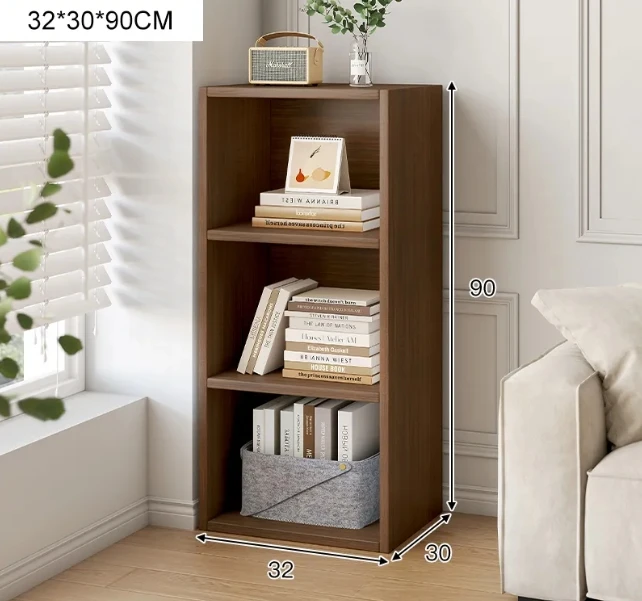
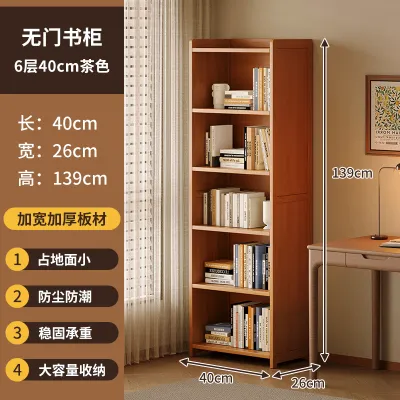
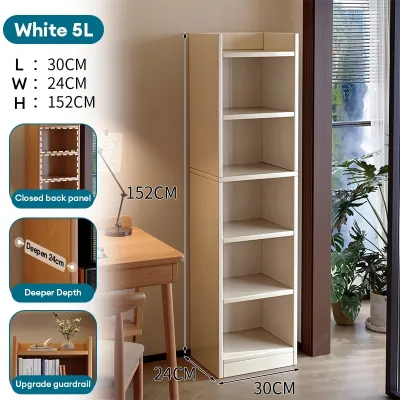
![[SG Stock] Bookcase Shelves Household Living Room Shelves Random Combination Of Storage /Complimentary Backplane](https://img.lazcdn.com/g/p/b9ca41716a9ba8ef3b1a8ce42a981582.jpg_webp_400x400q80.jpg_.webp)
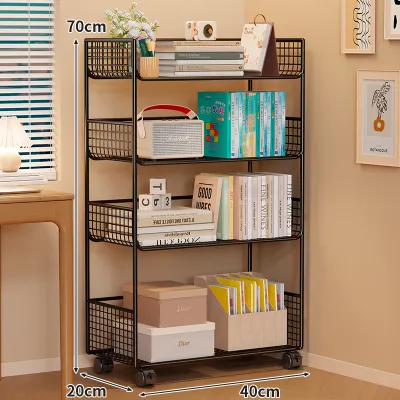
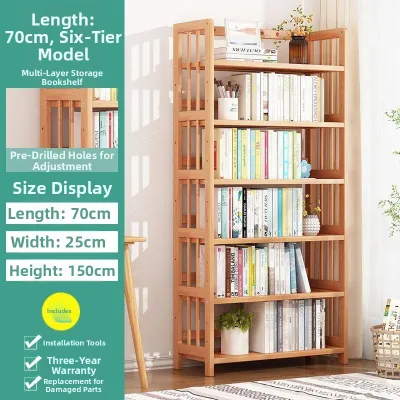
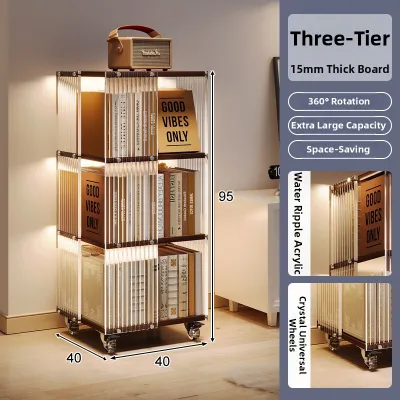
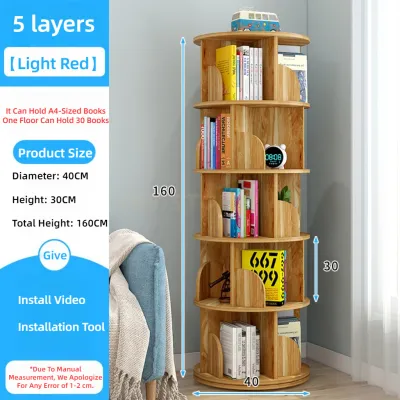
Prices are valid at publication and may change. Please refer to the product page for the latest price.
Finally, consider the logistics of getting the modular parts into your home. Measure the height and width of your apartment’s main entrance, the internal dimensions of the residential elevator, and any tight turns in the common corridors or stairwells. Even though modular furniture arrives in flat-packed boxes, some long upright supports or wide shelves can be difficult to maneuver through standard HDB or condo lifts. Confirming these dimensions beforehand prevents delivery day complications and ensures all components can safely reach your living space.
Choosing the Right Modular Layout for Compact Rooms
The beauty of modular systems lies in their ability to adapt to different spatial challenges. For narrow walls or rooms with high ceilings, a vertical tower configuration is highly effective. By stacking modules upward rather than outward, you utilize the often-ignored vertical plane, freeing up valuable floor space for other furniture. This setup works exceptionally well in study nooks or beside wardrobe units, turning tight corners into highly functional libraries.

In contrast, horizontal or low-profile configurations are ideal for placement under windows or along living room walls. Keeping the shelving below eye level helps maintain open sightlines, which prevents a small room from feeling boxed in or dark. These low-lying units can also double as media consoles or entryway benches, offering dual-purpose utility that is highly valued in compact apartments.
For awkward layouts, L-shaped or corner-fitting modules are excellent for reclaiming dead space. Corners are frequently underutilized in standard room designs, but a specialized corner connector allows you to wrap shelves seamlessly around a 90-degree angle. This creates a continuous flow of storage that makes the most of every available centimeter without protruding awkwardly into the center of the room.
Additionally, open-back modular configurations can serve as highly functional room dividers. In studio apartments or open-plan HDB layouts, placing a double-sided modular rack between the living area and the sleeping zone establishes clear boundaries without the need for permanent walls. Because these units lack a solid back panel, they allow natural light to pass through freely, keeping both zones bright and airy while providing accessible storage from both sides.
Evaluating Load Capacity and Structural Stability
Ensuring the safety and structural integrity of your modular book shelf rack is paramount, especially when storing heavy items like hardcover books, files, or decorative ceramics. Always locate and carefully read the manufacturer’s load capacity guidelines, which are typically found in the assembly manual or on product specification sheets. These ratings indicate the maximum weight that individual shelves and the overall frame can safely support. Exceeding these limits can lead to sagging shelves, joint failure, or structural collapse.
To maintain stability, proper weight distribution is critical. Always place your heaviest items, such as large reference books, storage boxes, and heavy binders, on the lowest shelves. This practice keeps the center of gravity low, significantly reducing the risk of the unit tipping forward. Lighter items, decorative objects, and paperbacks should be reserved for the upper tiers.
For tall vertical configurations, securing the unit to the wall is a necessary safety measure. Most manufacturers supply wall-anchoring kits, which must be installed according to the provided instructions. If your apartment has drywall partitions, concrete walls, or structural pillars, the anchoring hardware must match the specific wall material. If you are unsure about the structural integrity of your walls or do not possess the appropriate tools for drilling into concrete, it is best to pause the DIY assembly and consult a qualified professional installer to secure the unit safely.
Common Configuration Mistakes to Avoid
One frequent planning error is blocking essential utilities during installation. Placing a solid-back modular unit directly in front of power outlets, data ports, or light switches restricts access and can create safety hazards if cords are pinched or bent at sharp angles. Opt for open-back modules or plan your layout so that outlets remain easily accessible for charging devices and plugging in lamps.
Another common mistake is overloading the modular connectors. While the shelves themselves might feel sturdy, the plastic or metal clips, brackets, and dowels that hold the modules together have strict weight limits. Distributing weight unevenly or forcing components into configurations not approved by the manufacturer can stress these connectors, leading to gradual misalignment or sudden failure.
Lastly, failing to leave adequate ventilation space around electronics and climate control systems can cause issues. If your modular rack houses media players, game consoles, or sits near an air-conditioning unit, ensure there is sufficient clearance for airflow. Restricting ventilation can lead to overheating of electronic devices and can interfere with the airflow patterns of your air conditioner, reducing its cooling efficiency in Singapore’s warm climate.
Frequently Asked Questions (FAQ)
Can I mix different materials in one modular book shelf rack?
Mixing materials, such as combining wooden shelves with a metal frame or adding glass doors, is highly feasible but requires careful attention to the manufacturer’s compatibility guidelines. Always verify that the connectors and brackets are rated to support the specific weight and thickness of the alternative material. Additionally, consider the visual and physical weight differences; heavier wood or metal shelves should form the base of the structure, while lighter materials like glass or acrylic are better suited for upper levels to maintain balance and safety.
Do modular shelves require drilling into HDB or condo walls?
Whether drilling is required depends on the height, design, and stability of the configuration. Low-profile, wide modular units with a broad base often do not require wall anchoring if they remain within the manufacturer’s recommended height limits. However, tall, narrow vertical towers almost always require secure wall anchoring to prevent tipping. Before drilling into HDB or condo walls, check your building management guidelines and use a stud finder or wall scanner to avoid damaging concealed water pipes or electrical wiring.
Community discussion
Share your experience or ask a question. Comments are reviewed before publication.