
Living in a compact HDB flat or condominium in Singapore requires a strategic approach to space planning. When a book collection grows, finding a way to store it without cluttering limited floor area becomes a priority. The most effective solution is a highly customizable, vertical modular book shelf rack. By utilizing vertical height or serving a dual purpose as a room divider, a modular system adapts to the unique architectural constraints of modern apartments.
To find the configuration that works best for your home, you must balance spatial limitations, structural safety, and material durability. This guide walks you through the essential steps to measure your space, select the optimal layout, understand key clearance requirements, and choose materials that can withstand Singapore’s humid climate.
Assessing Your Space and Storage Needs
Before purchasing any modular components, you must conduct a thorough spatial assessment of your apartment. Start by measuring the exact footprint of the intended installation area. Use a high-quality measuring tape to record the width, depth, and height of the wall space. In Singapore, standard HDB ceiling heights typically range from 2.6 to 2.8 meters, while some condominiums may feature higher ceilings or loft spaces. Measuring the vertical distance accurately allows you to choose modular units that maximize overhead storage without interfering with ceiling fixtures.
Products mentioned in this guide
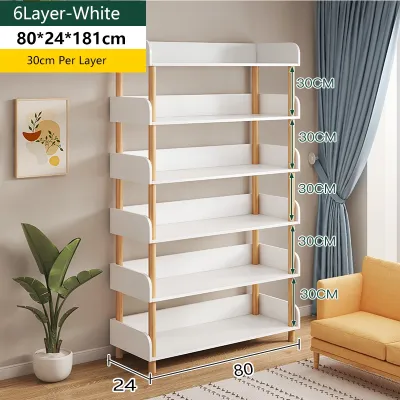
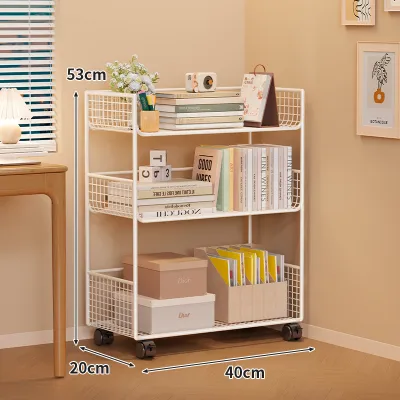
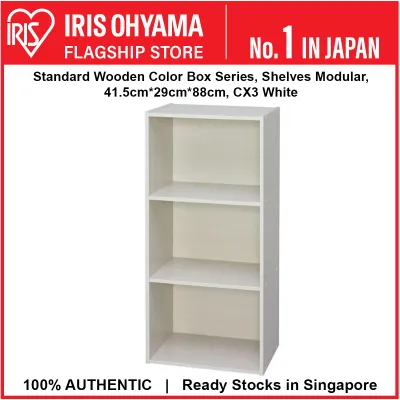
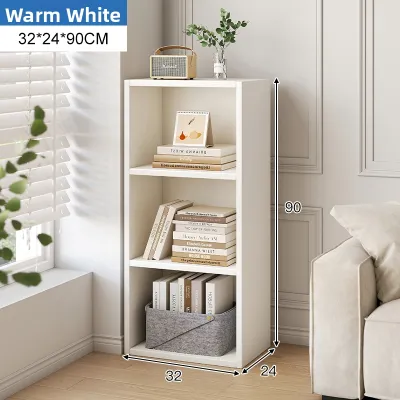
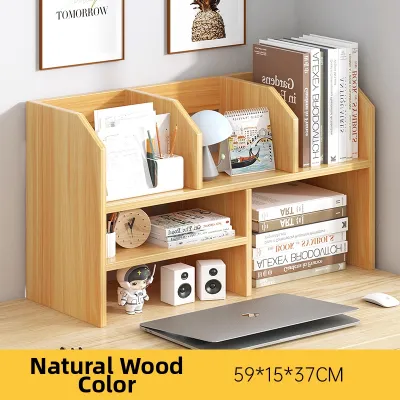
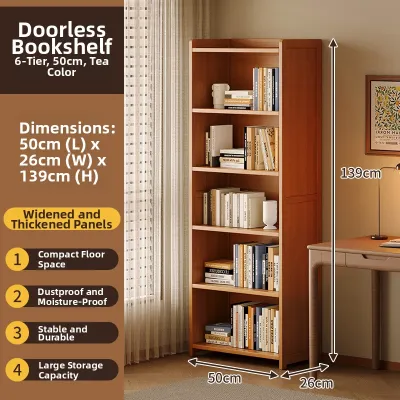
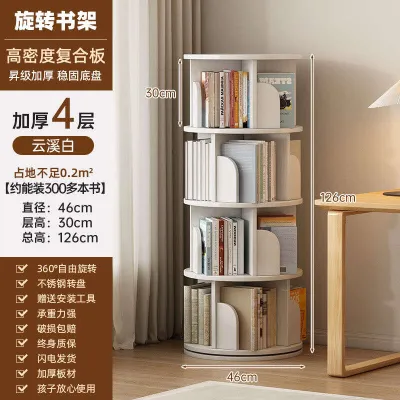
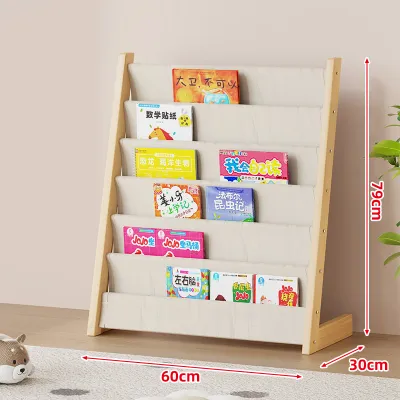
Prices are valid at publication and may change. Please refer to the product page for the latest price.
Do not overlook minor architectural details. Measure the depth and height of your skirting boards, as these will prevent a flat-backed book shelf rack from sitting completely flush against the wall unless the unit features a base cutout. Additionally, note the locations of any electrical outlets, light switches, internet data ports, or wall-mounted air conditioning units.
Logistics and delivery access are equally critical. Many compact apartments feature tight entryways, narrow corridors, and sharp corners that make moving large furniture pieces difficult. Measure the height and width of your apartment’s entry door, the internal hallway, and the lift or elevator doors. If you live in an older estate where lifts do not stop on every floor, or if a modular component is too large for the elevator car, you must verify stairwell clearances. Ensuring that individual modular panels, uprights, or pre-assembled cubes can easily pass through these access points prevents costly delivery failures.
Finally, evaluate your book collection to determine your structural requirements. Count your books and estimate their sizes, separating paperbacks from heavy hardcovers or oversized coffee table books. Weighing a representative stack of your heaviest books helps you estimate the total load your shelves must support. This step is vital for choosing a modular system with the appropriate load-bearing capacity and shelf thickness, preventing structural sagging down the line.
Optimal Modular Configurations for Compact Layouts
Modular shelving systems offer unmatched flexibility, allowing you to customize your storage setup to fit the specific layout of your home. Instead of relying on a single, bulky piece of furniture, you can combine different base units, add-on shelves, and accessories to work around structural columns, awkward alcoves, or recessed walls. The ideal configuration depends on your primary goal: saving floor space, dividing an open-plan room, or utilizing neglected corners.

Vertical and Wall-Mounted Setups
When floor space is at a premium, building upward is the most logical strategy. Tall, narrow modular stacks draw the eye toward the ceiling, creating the illusion of a larger room while keeping the floor clear. These vertical configurations are highly effective when placed above low-profile furniture, such as a low study desk, a storage bench, or a media console.
Wall-mounted modular tracks or floating shelf racks offer another excellent space-saving option. These systems consist of vertical metal standards or tracks anchored directly to the wall, with brackets supporting adjustable shelves. However, installation requires careful attention to your wall construction. Modern Singapore apartments often use a mix of concrete structural walls (including household shelters) and internal drywall partitions.
For concrete or brick walls, you must use a hammer drill and appropriate masonry wall plugs to secure the tracks. If you are mounting onto drywall partitions, you must locate the internal wood or metal studs using a stud finder and secure the brackets directly into them. Never rely on simple drywall plugs for heavy book storage. Always check the manufacturer’s specified weight limits for both the shelving components and the mounting hardware to ensure the system remains safe and stable.
Room Dividers and Corner Configurations
In open-plan layouts, such as combined living-dining areas or studio apartments, modular bookshelves can serve a dual purpose. Open-back modular units function beautifully as semi-transparent room dividers. They allow you to demarcate a dedicated home office or reading nook from your main living area without blocking natural light or restricting airflow. This open design keeps the space feeling bright and airy while providing accessible storage from both sides.
To utilize awkward, unused areas, consider L-shaped or corner-specific modular configurations. Corners are frequently left as dead space in compact apartments, but a specialized corner module can seamlessly connect two perpendicular shelving runs. This configuration maximizes storage capacity in tight areas, such as behind dining tables or adjacent to bedroom doors.
Safety is paramount when using freestanding modular units as room dividers. Because these configurations lack the support of a solid wall behind them, they are susceptible to tipping if bumped or overloaded. You must secure freestanding room dividers to the floor, adjacent walls, or the ceiling using heavy-duty anti-tip hardware. This precaution is especially critical in households with active pets or young children who might attempt to climb the shelves.
Key Dimensions and Clearance Requirements
Selecting the right dimensions for your book shelf rack is essential for both functionality and safety. The depth of your shelves should match the items you plan to store. Standard paperbacks typically require a depth of only 15 cm to 20 cm. Choosing a shallow shelf for a paperback collection saves valuable floor space and prevents books from getting lost in the shadows. For larger hardcovers, textbooks, or decorative storage boxes, opt for a shelf depth of 28 cm to 30 cm. Avoid buying excessively deep units (over 35 cm) unless you specifically need to store oversized items, as they unnecessarily restrict movement in small rooms.
Clearance around your shelving system is crucial for maintaining a comfortable living environment. Ensure there is at least 60 cm to 90 cm of clear walking space in front of the bookshelf to allow for easy passage and comfortable browsing. If your modular unit features cabinet doors or drawers at the base, verify that they can open fully without striking other furniture or blocking walkways.
Pay close attention to nearby appliances and fixtures. Keep a safe distance between your bookshelves and wall-mounted air conditioning units. Air conditioners can occasionally drip condensation, and the localized high humidity near the blower unit can warp wooden shelves and damage paper pages. Additionally, ensure the top of a tall modular unit does not interfere with the sweep of ceiling fans or the heat generated by light fixtures.
Adjustability is a key benefit of modular systems. Look for units with pre-drilled holes spaced at close intervals. This allows you to adjust the height of individual shelves to match your books exactly, eliminating wasted vertical space. Before purchasing, double-check the manufacturer’s exact external dimensions against your measured space, accounting for any slight variances in your walls or floors.
Material and Structural Considerations for Humid Climates
Singapore’s tropical climate features high relative humidity year-round, which poses unique challenges for furniture preservation. When selecting materials for your modular book shelf rack, you must prioritize moisture resistance and structural integrity.
Solid wood is beautiful but can warp or expand in humid conditions if not properly sealed. If you prefer wood, ensure it has a high-quality, moisture-resistant polyurethane or lacquer finish. Engineered woods, such as medium-density fibreboard (MDF) or particleboard, are common in modular furniture. However, unfinished engineered wood absorbs moisture from the air, leading to swelling, sagging, and mold growth. Check product specifications to ensure any engineered wood components feature complete, high-quality edge banding on all sides—including the unexposed back edges—to seal out moisture.
Metal modular systems, such as powder-coated steel or aluminum, offer excellent durability and a modern aesthetic. Ensure the metal is treated with a rust-resistant coating to prevent corrosion in humid environments. Glass shelves are highly resistant to humidity and easy to clean, but they have lower weight capacities and require careful handling.
Structural stability relies heavily on the quality of the joining hardware. High-quality modular systems use cam locks, steel dowels, or threaded metal inserts rather than simple wood screws. For tall configurations, always install the included anti-tip kit to anchor the unit securely to the wall.
To protect your furniture and books from localized moisture, avoid placing wooden modular units directly flush against exterior-facing concrete walls. Exterior walls can absorb heat and moisture from the tropical climate, leading to condensation on the interior surface. Leave a small air gap of 2 cm to 3 cm between the back of the bookshelf and the wall to allow for adequate air circulation. Finally, always consult the manufacturer’s care instructions for cleaning, and use a dry or damp microfiber cloth rather than soaking wet sponges to maintain the finish.
Common Sizing and Placement Mistakes to Avoid
Avoiding common installation and placement errors will save you time, money, and frustration. One of the most frequent mistakes is choosing a modular unit that is too deep for the room’s proportions. This error creates narrow bottlenecks in corridors, living areas, or bedrooms, disrupting the natural flow of foot traffic and making the space feel cramped.
Another critical mistake is overloading individual shelves. Every manufacturer specifies a maximum weight capacity per shelf and per unit. Exceeding these limits causes shelves to bow permanently, weakens the joining hardware, and can lead to a sudden structural collapse. Distribute weight evenly, placing heavier items on lower shelves and lighter items on top.
Ignoring the presence of skirting boards is a common oversight. If you do not account for the skirting board’s thickness (typically 1 cm to 2 cm), your bookshelf will sit away from the wall at the bottom, creating a gap at the top. This gap prevents proper wall anchoring, creates a dust trap, and introduces a tipping hazard. Look for modular units designed with a base recess or skirting board cutout to ensure a flush fit.
Finally, avoid blocking access to essential utilities. Placing a solid-backed modular bookshelf directly in front of electrical outlets, light switches, or internet data ports renders them useless and can create safety hazards. If you must place a unit over an outlet, choose an open-back configuration or carefully cut out access panels in the backboard according to the manufacturer’s guidelines, ensuring you do not compromise the unit’s structural stability.
Frequently Asked Questions (FAQ)
Can I install a heavy modular bookshelf on a drywall partition?
Drywall partition walls have significantly lower load-bearing capacities than concrete or brick walls. While it is possible to mount a modular bookshelf on drywall, you must take specific precautions. Never use standard plastic expansion plugs. Instead, use heavy-duty toggle bolts or hollow-wall anchors, and ensure that the main vertical standards or tracks are screwed directly into the internal wood or metal studs. If your book collection is exceptionally heavy, opt for a floor-standing modular unit that transfers the weight to the floor, using the drywall connection solely for anti-tip stabilization. Always verify your wall type and consult the hardware specifications before starting installation.
How do I prevent my modular shelves from sagging under heavy books?
To prevent your modular shelves from sagging, practice proper weight distribution by placing your heaviest books, such as encyclopedias and art albums, on the lowest shelves. This lowers the center of gravity and reduces stress on the upper structure. When selecting a modular system, look for configurations with shorter shelf spans (ideally 60 cm to 80 cm), as longer spans are much more prone to bowing under weight. You can also check if the manufacturer offers reinforced shelves, metal support brackets, or mid-shelf vertical supports. Regularly inspect your shelves for any signs of bowing, and strictly adhere to the manufacturer’s weight guidelines.

Community discussion
Share your experience or ask a question. Comments are reviewed before publication.