
Living in a compact Singapore apartment, whether it is a newly built Build-To-Order (HDB) flat or a cozy suburban condominium, requires a strategic approach to space planning. Traditional floor-standing furniture often occupies valuable floor area, making rooms feel cramped and restricting movement. To overcome these limitations, homeowners are increasingly looking at vertical, underutilised zones. Installing a behind door storage cabinet is one of the most efficient ways to reclaim this “dead space” without sacrificing valuable square footage.
Unlike heavy, built-in carpentry that remains permanently fixed, modular behind-door systems offer a high degree of flexibility. They allow you to customise storage configurations to suit your specific lifestyle needs, whether you require a spice rack in the kitchen, an accessory organizer in the bedroom, or a utility shelf in the household shelter. Furthermore, because these systems are highly adjustable and often non-invasive, they serve as an excellent renter-friendly solution for those who want to maximise storage without risking their security deposits.
Key Criteria for Choosing a Behind-Door Cabinet System
Selecting the right storage system requires careful consideration of how the unit interacts with your door and the surrounding space. Because doors are active, moving architectural elements, any storage solution attached to them must be secure, stable, and perfectly proportioned.
Products mentioned in this guide
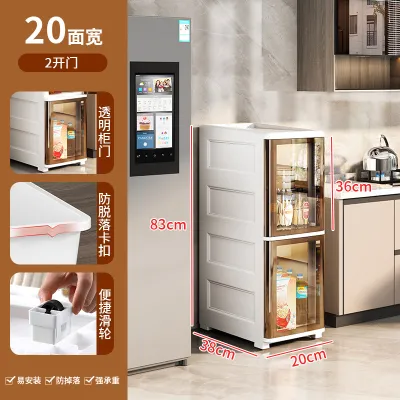
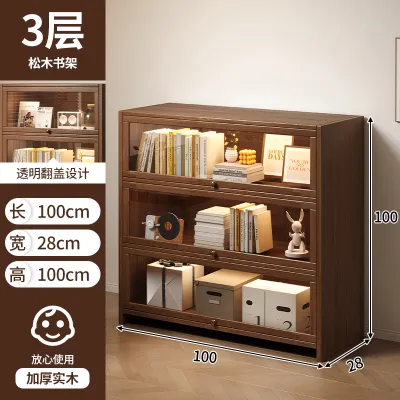
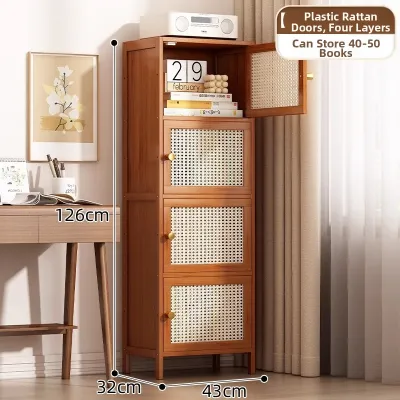
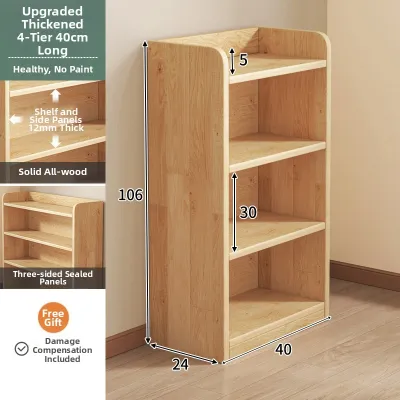
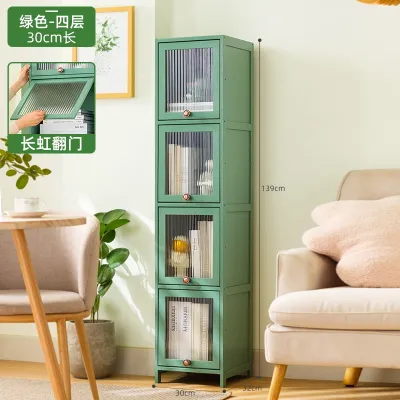
Prices are valid at publication and may change. Please refer to the product page for the latest price.
Door Compatibility and Mounting Mechanisms
The method you choose to mount your behind-door system determines its stability and how much weight it can safely support. Over-door hooks are highly popular due to their ease of installation, requiring zero drilling or permanent alterations. However, they demand a specific gap clearance—typically between 2mm and 3mm—between the top of the door and the frame to allow the door to close smoothly.
Tension-rod systems offer another non-invasive alternative, relying on vertical pressure between the top and bottom of the door frame or the door itself. These are excellent for avoiding hardware installation altogether, though they must be checked periodically to ensure the tension remains secure. Heavy-duty adhesive mounts can support lightweight modular components on smooth, non-porous surfaces like glass or laminate, but they carry the risk of peeling paint or damaging delicate wood veneers upon removal.
Crucially, homeowners must avoid drilling into doors to mount storage systems. This is particularly important for fire-rated HDB entrance doors, where any structural modification can compromise safety compliance, void warranties, and violate local building codes.
Weight Capacity and Material Durability
Every door and hinge assembly has a physical limit to the amount of weight it can support without sagging or becoming misaligned. When evaluating modular systems, material choice plays a vital role in balancing structural integrity with overall weight. Powder-coated steel frames provide excellent durability and load-bearing capacity, making them suitable for holding heavier items like canned pantry goods or cleaning supplies. However, in Singapore’s humid tropical climate, it is essential to verify that any metal components feature a rust-resistant finish to prevent corrosion over time.
Engineered wood and high-density plastics offer lighter alternatives that reduce the strain on your door hinges. While these materials are ideal for lighter items like toiletries, clothing accessories, or toys, they may warp if overloaded or exposed to constant moisture. Always check the manufacturer’s specified weight limits for both the individual shelves and the overall system. Additionally, inspect your door hinges; standard residential hinges are designed to support the weight of the door itself, so adding excessive load can lead to squeaking, scraping, or structural damage over time.
Modular Flexibility and Adjustability
A truly effective behind-door system must adapt to your changing storage requirements. Look for systems that feature adjustable vertical tracks, allowing you to reposition shelves, baskets, or hooks at various heights. This flexibility is particularly useful when storing items of varying sizes, such as tall shampoo bottles or small spice jars.
Interchangeable components—such as wire baskets, solid plastic bins, pegboards, and hanging hooks—enable you to customise the system for different rooms. As your household needs evolve, an adaptable system can easily transition from holding baby supplies in a nursery to organizing school gear or hobby equipment in a teenager’s bedroom, ensuring long-term utility and value.
Recommended Modular Configurations for Different Spaces
To get the most out of your modular behind-door system, tailor the configuration to the specific demands and environmental conditions of each room.

Kitchen and Pantry Door Organizers
In compact Singapore kitchens, pantry space is often limited. A modular behind-door system configured with wire-grid panels and attachable baskets can serve as an excellent secondary pantry. This setup is ideal for storing spices, small jars, condiments, and dry goods, keeping them within arm’s reach while cooking.
When configuring a system for the kitchen, opt for wire baskets rather than solid bins to promote air circulation. Singapore’s high humidity levels can trap moisture in enclosed spaces, potentially causing dry ingredients to spoil or metal lids to rust. Wire grids allow air to flow freely around your items. Ensure all metal components are treated with a high-quality, easy-wipe anti-rust coating, allowing you to clean up spills quickly and maintain a hygienic food storage environment.
Bedroom and Wardrobe Door Systems
Bedroom doors and the interiors of built-in wardrobe doors offer prime real estate for organizing personal accessories, shoes, and clothing items. For these spaces, a modular configuration utilizing slim fabric drawers or clear acrylic bins is highly recommended. Clear bins allow you to identify accessories, belts, or cosmetics at a glance, saving time during busy mornings.
The primary consideration for bedroom and wardrobe doors is maintaining a slim profile. Standard bedroom layouts in HDB flats often position the door close to adjacent walls or furniture when fully opened. A storage system that protrudes too far will prevent the door from opening completely, reducing the room’s usable space and potentially damaging the wall behind it. Ensure the depth of your chosen baskets or shelves does not exceed the clearance space available when the door is swung open.
Utility and Bathroom Door Shelving
Utility rooms, household shelters, and bathrooms require robust storage solutions capable of handling household cleaning supplies, laundry detergents, and personal care products. For these high-humidity zones, waterproof plastic tiers or heavy-duty, rust-resistant metal racks are the most practical choices.
Because utility items like cleaning sprays and laundry bottles are often tall and top-heavy, safety features are paramount. Configure your system with deep baskets or shelves equipped with high lip-guards to prevent bottles from tipping over when the door is opened or closed. To maintain stability, always place heavier items—such as large detergent bottles or spare toilet paper rolls—on the lowest shelves. This keeps the center of gravity low, reducing sway and minimizing the physical strain placed on the upper door hinges.
How to Measure and Install Your Modular System Safely
Proper preparation and precise measurements are critical to ensuring your behind-door storage system functions safely without causing damage to your home. Follow this step-by-step pre-installation checklist before making any purchases.
- Step 1: Measure Door Dimensions and Clearances
Begin by measuring the exact thickness of your door using a reliable tape measure. Most standard internal doors in Singapore range between 35mm and 45mm in thickness, but verifying this ensures that over-door hooks will fit snugly without rattling or slipping. Next, check the clearance gap at the top of the door frame. Place a standard Singapore coin (such as a 50-cent or 1-dollar coin, which are approximately 2mm thick) on top of the door and gently close it. If the door closes without resistance, you have sufficient clearance for standard over-door bracket hooks. - Step 2: Inspect Door Material and Hinge Condition
Examine the construction of your door. Solid-core wood doors are sturdy and can support heavier hanging loads, whereas hollow-core doors (commonly used for bedrooms and bathrooms in older HDB flats) are lightweight and have limited internal structural support. Hanging excessive weight on a hollow-core door can cause the door panel to warp or pull away from its hinges. Carefully inspect the hinges for signs of wear, rust, or loose screws. If the hinges squeak or the door already sags slightly, resolve these issues or reinforce the hinges before adding any external storage weight. - Step 3: Map the Door Swing and Wall Clearance
Open the door completely to its natural stopping point and measure the distance between the door face and the adjacent wall or skirting board. This measurement represents the maximum allowable depth for your behind-door cabinet. If the storage unit is too deep, it will strike the wall, preventing the door from opening fully and potentially denting the plaster or damaging the cabinet itself. Consider installing a soft rubber door stop on the wall or the base of the door to absorb any accidental impacts. - Safety Boundary and Compliance
It is vital to recognize the safety boundaries of your home's architecture. If the door in question is a certified HDB fire door—typically the main entrance door of your flat—you must exercise extreme caution. Do not drill, screw, or make any permanent alterations to a fire door, as doing so will compromise its fire-resistance rating, violate local civil defence regulations, and void your home insurance or building warranties. Avoid using heavy adhesive mounts on fire doors, as the chemical solvents in adhesives can damage protective fire-retardant veneers. For fire-rated doors, limit your storage to lightweight, non-invasive over-door organizers, or consult your building management or a certified door specialist before proceeding. If at any point during or after installation you notice the door dragging against the floor, squeaking loudly, or failing to latch properly, immediately remove the storage system and consult a professional carpenter to assess hinge strain.
Where to Shop and What to Verify Before Buying
When you are ready to purchase your modular behind-door system, source your products from established home organization retailers, official brand stores, or reputable local furniture showrooms. Buying from recognized brands ensures that the materials used are durable, non-toxic, and backed by reliable customer service.
In the Singapore market, basic over-door plastic or fabric organizers are highly budget-friendly, typically ranging from S$15 to S$40. Mid-range modular wire systems generally cost between S$50 and S$120, while premium, heavy-duty steel configurations can range from S$150 to over S$300 depending on the complexity of the setup.
Before finalizing your purchase and proceeding to checkout, run through this quick verification checklist:
- Verify Dimensions: Double-check the manufacturer's specified depth, width, and height against your physical door measurements and wall clearance calculations.
- Assess Weight Limits: Ensure the stated load capacity of the modular unit aligns with the types of items you plan to store.
- Read User Reviews: Look specifically for feedback from other buyers regarding installation difficulties, hinge strain, or issues with door closure.
- Confirm Return Policies: Verify that the retailer offers a flexible return or exchange policy in case the mounting brackets do not fit your specific door frame thickness.
Frequently Asked Questions (FAQ)
Will an over-door cabinet damage my HDB fire-rated door?
Using lightweight over-door hooks equipped with soft foam padding is generally safe for temporary use on HDB fire-rated doors, as they do not require drilling or permanent alterations. However, you must avoid overloading these systems or using heavy-duty adhesive mounts, which can damage the fire-retardant veneer or compromise the door’s structural integrity. To maintain safety compliance, always check the door’s official certification labels and consult HDB guidelines or your building management before installing any storage accessories on a fire-rated door.
How much weight can a typical behind-door modular shelf hold?
The weight capacity of a behind-door modular shelf varies significantly depending on its construction materials and mounting mechanism. Lightweight plastic or fabric over-door organizers typically support between 5kg and 10kg of evenly distributed weight, while heavy-duty powder-coated steel systems mounted securely can support up to 15kg or 20kg. Always rely strictly on the manufacturer’s stated weight limits, distribute items evenly across all shelves, and place heavier items at the bottom to maintain a low center of gravity and prevent excessive sway.

Community discussion
Share your experience or ask a question. Comments are reviewed before publication.