
Choosing the right minimalist coffee table requires looking beyond the simple label of “minimalism” to understand how different design movements interact with your specific living space. While all minimalist tables prioritize clean lines and functional simplicity, they range from the warm, organic textures of Japandi design to the sharp, industrial angles of modern metal and glass. Finding the right match involves auditing your current living room aesthetic, measuring your physical space to ensure comfortable traffic flow, and selecting materials that align with your daily household habits. By focusing on structural details, material finishes, and spatial proportions, you can select a centerpiece that enhances your room’s visual calm without sacrificing daily utility.
Diagnose Your Living Room's Existing Aesthetic
Before browsing online catalogs or visiting local showrooms, take a structured audit of your current living room. The existing elements in your space dictate which minimalist sub-style will feel cohesive rather than disruptive. Begin by cataloging the dominant materials and color palettes of your larger furniture pieces, such as your sofa, entertainment console, and shelving units. If your room features warm oak flooring, beige upholstery, and linen curtains, a stark, cold-toned glass and chrome table might create an jarring contrast. Conversely, a living room dominated by cool grey tones, leather seating, and polished concrete will naturally welcome sharper, more industrial minimalist forms.
Natural lighting and spatial volume also play a critical role. Rooms with abundant natural light can easily accommodate darker woods or solid, low-profile block tables. In contrast, smaller or dimly lit living areas benefit from tables that allow light to pass through, such as those with slender legs, open frames, or glass tops. Assess the balance of your room’s visual weight; if your sofa is a heavy, floor-hugging sectional, you may want a coffee table with elevated legs to introduce a sense of airiness and maintain visual equilibrium.
Products mentioned in this guide
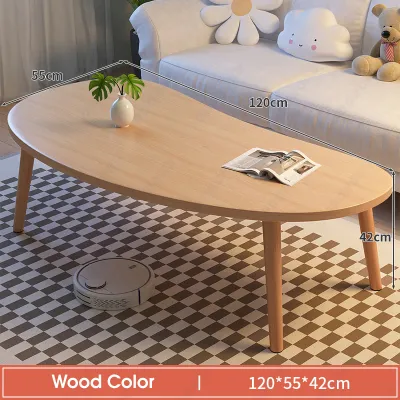

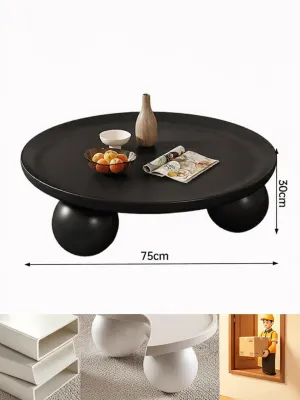
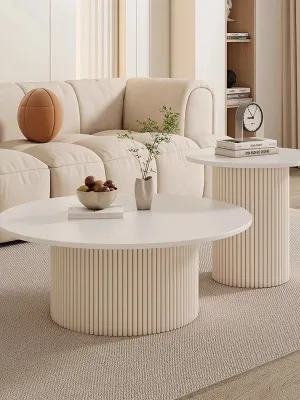
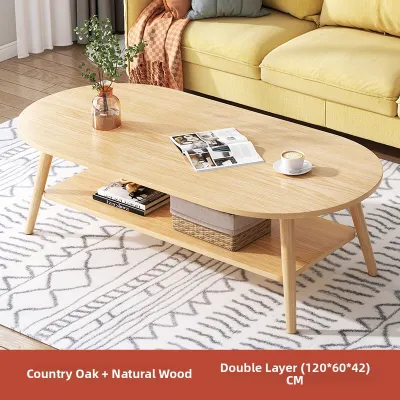
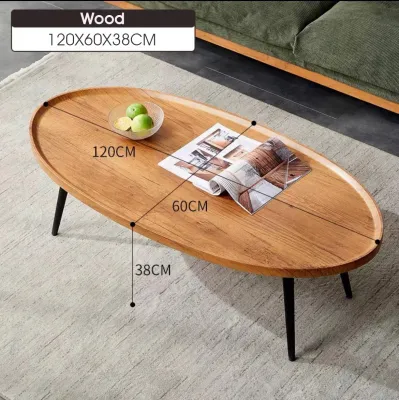
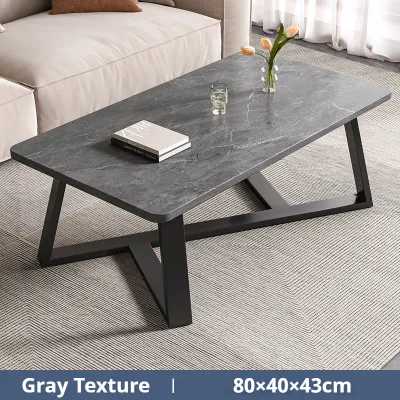
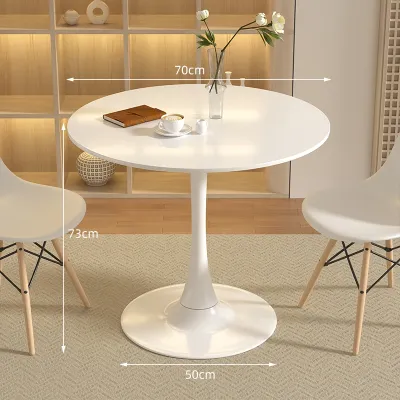
Prices are valid at publication and may change. Please refer to the product page for the latest price.
Identify the Core Minimalist Sub-Styles
Minimalism is not a single aesthetic but a broad spectrum that ranges from organic warmth to industrial precision. Understanding the distinct visual and structural markers of these sub-styles allows you to narrow down your options and find a table that complements your home’s architectural character.

Scandinavian and Japandi Minimalism
Scandinavian and Japandi styles represent the warmer, more organic end of the minimalist spectrum. Scandinavian design emphasizes light-toned woods like ash, beech, or light oak, often paired with rounded edges and tapered legs that create a soft, welcoming presence. This style focuses on practical simplicity, making it highly suitable for cozy, family-oriented living spaces where comfort is paramount.
Japandi style merges this Scandinavian functionality with the Japanese aesthetic of wabi-sabi, which finds beauty in imperfection and natural simplicity. When shopping for a Japandi-style minimalist coffee table, look for lower-profile silhouettes that sit closer to the floor, emphasizing a grounded, relaxed atmosphere. Materials typically include darker or medium-toned woods, matte finishes, and textured surfaces like travertine or rough-hewn timber. These tables avoid high-gloss sealants, opting instead for oil or wax finishes that highlight the natural grain and tactile quality of the wood, bringing an earthy, calming element into your living room.
Industrial and Modern Minimalism
On the sleeker, more structured end of the spectrum lie industrial and modern minimalism. Modern minimalist coffee tables focus on strict geometric precision, absolute symmetry, and a reduction of form to its bare essentials. These designs frequently utilize high-performance materials such as tempered glass, polished steel, acrylic, or engineered stone. You will find sharp right angles, thin profiles, and monochromatic color schemes—predominantly matte black, stark white, or brushed metallic finishes—that emphasize architectural lines over organic textures.
Industrial minimalism blends this geometric discipline with raw, utilitarian elements. An industrial minimalist coffee table often features a matte black iron or steel frame paired with a concrete, distressed wood, or wire-mesh top. The beauty of this style lies in its unadorned structural joints, visible hardware, and functional honesty. If your living room features exposed brick, metal window frames, or track lighting, an industrial minimalist table provides a seamless connection to those architectural details while maintaining a clean, clutter-free surface.
Evaluate Practical Fit and Spatial Constraints
A coffee table must fit your daily physical movements just as well as it fits your design aesthetic. To ensure a comfortable layout, start by measuring the available footprint in front of your sofa. As a general rule, maintain a clearance of 30 to 45 centimeters between the edge of the coffee table and the edge of your sofa seating. This distance provides enough legroom to sit and stand comfortably while keeping the table surface within easy reach. Additionally, ensure there is at least 60 to 75 centimeters of walkway space between the outer edges of the table and other furniture pieces, such as armchairs or TV consoles, to prevent traffic bottlenecks.
In high-density urban environments like Singapore, physical delivery constraints are just as important as room dimensions. Before finalizing a purchase, verify the dimensions of your apartment’s lift, stairwells, and entry doorways. Solid block tables or fully assembled metal frames cannot be disassembled, meaning they must fit entirely within these tight transport spaces. Measure the maximum clearance heights and widths of your building’s service lift to avoid delivery failures on arrival.
Finally, evaluate your storage and load-bearing requirements. If you prefer a completely clear tabletop, look for minimalist designs that incorporate hidden lower shelves or flush, handle-free drawers. Check the manufacturer’s specifications for the table’s maximum load capacity, especially if you plan to rest heavy books or decorative items on the surface. A slender, three-legged wire frame may look elegant, but it will not offer the same structural stability as a four-legged solid wood or steel-framed design.
Match Your Lifestyle to the Material and Finish
Selecting the right material is a matter of practical durability rather than aesthetics alone. If your household includes young children or active pets, prioritize safety and durability by checking the table’s edge profiles and stability. Rounded corners, such as those found in oval or circular Scandinavian designs, significantly reduce the risk of bumps and injuries compared to the sharp, ninety-degree corners of modern glass or metal tables. Additionally, look for wide, low-center-of-gravity bases that resist tipping if a child or pet leans against the edge.
Different materials demand varying levels of care, which should be verified through manufacturer labels and care instructions before buying. For instance, unsealed natural stone or travertine is highly porous and susceptible to staining from acidic liquids or dark beverages like coffee and red wine. If you choose a stone or raw wood table, confirm whether it requires periodic resealing or specialized cleaning products. For high-traffic households, tempered glass or powder-coated metal surfaces offer excellent stain resistance and are easy to wipe clean, though glass will require frequent dusting and fingerprint removal.
If you select a wooden table, inspect the joints and the quality of the finish. High-quality joinery, such as mortise-and-tenon or dowel joints, ensures long-term stability, whereas cheap glue-and-screw construction may wobble over time. Finally, consider floor protection. Heavy metal or stone tables can easily scratch hardwood, vinyl, or laminate flooring. Ensure the table legs are equipped with non-marking rubber feet or felt pads, or plan to place the table on a durable area rug to distribute the weight and protect your floor’s surface.
Finalize Your Selection and Next Steps
To lock in your decision, run through a final diagnostic checklist. Cross-reference your chosen table’s style, height, and footprint with your initial living room audit to confirm it matches both the visual weight and physical dimensions of your space. If you are budgeting for the purchase, keep in mind that high-quality minimalist tables in Singapore typically range from S$200 for simple engineered wood designs to upwards of S$1,500 for solid hardwood, designer metal, or natural stone pieces.
Before placing your order, confirm the retailer’s delivery conditions, assembly requirements, and return or exchange policies. Some online platforms deliver tables flat-packed, requiring you to have basic tools on hand, while others offer white-glove delivery and assembly services. Lastly, plan for the transition. Decide whether you will sell, donate, or arrange for the disposal of your existing coffee table before the new one arrives, ensuring a clean, stress-free installation that immediately restores order and minimalism to your living room.
Frequently Asked Questions (FAQ)
Can I mix two different minimalist styles in one living room?
Yes, you can successfully mix minimalist styles by establishing a clear dominant style and using the second as an accent. To maintain visual harmony, ensure there is a unifying element, such as a shared color palette or matching metal finishes. For example, you can pair a warm, wooden Japandi sofa with a modern minimalist black metal coffee table, provided the black metal accents are repeated elsewhere in the room, such as in light fixtures or picture frames. Avoid mixing too many competing textures or conflicting visual weights, which can disrupt the clean, intentional feel of a minimalist space.
How high should a minimalist coffee table be compared to the sofa?
For optimal comfort and ergonomics, a coffee table should sit at the same height as your sofa’s seat cushions, or up to 5 centimeters lower. This alignment makes it easy to reach for items on the table without straining. Many ultra-minimalist or Japandi tables feature very low profiles, sometimes sitting just 20 to 30 centimeters off the floor. While visually striking, these low tables are best paired with low-slung, modern sofas. If you have a standard-height sofa, a very low table may require uncomfortable bending, which can be partially mitigated by placing a thick, plush rug underneath to visually bridge the height gap.

Community discussion
Share your experience or ask a question. Comments are reviewed before publication.