
A standard mini shoe rack typically holds between 4 to 12 pairs of shoes, depending on the number of tiers and the overall width of the unit. While manufacturers often advertise a specific capacity, the actual number of shoes that fit comfortably depends heavily on your shoe styles, sizes, and the physical dimensions of the rack. In tight entryways, foyers, or small apartments, choosing the right rack requires balancing your actual footwear collection with precise measurements.
Understanding the realistic limits of these compact storage solutions prevents cluttered entryways and damaged footwear. By evaluating how your specific collection interacts with standard rack dimensions, you can make an informed decision that maximizes your floor space without compromising on organization.
Understanding Mini Shoe Rack Dimensions and Tier Capacities
When shopping for a mini shoe rack, the advertised “pair capacity” can often be misleading. Manufacturers typically calculate capacity based on small, slim footwear, such as flat sandals or low-profile canvas shoes, placed tightly together. To determine the actual usable space, you must look closely at the physical width of each tier.
Products mentioned in this guide
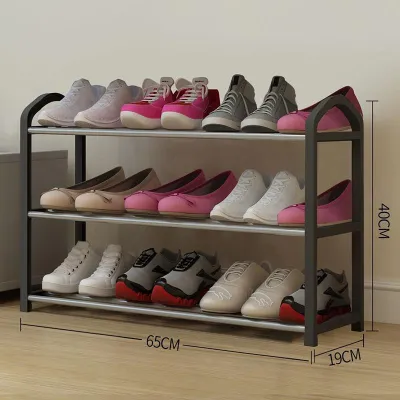
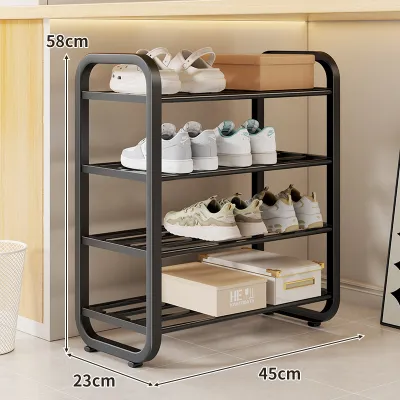
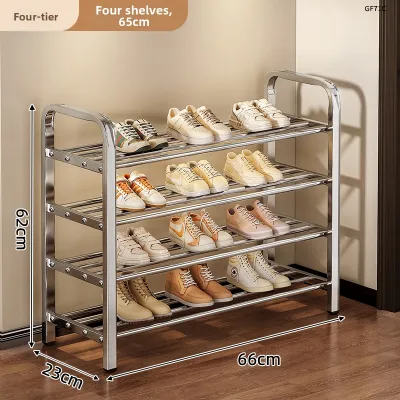
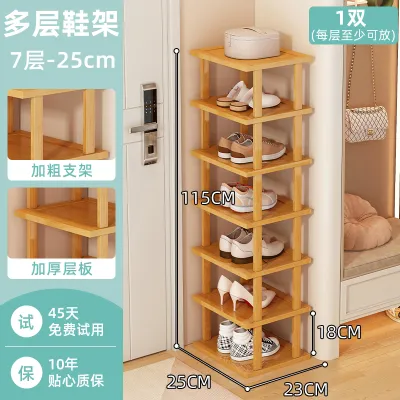
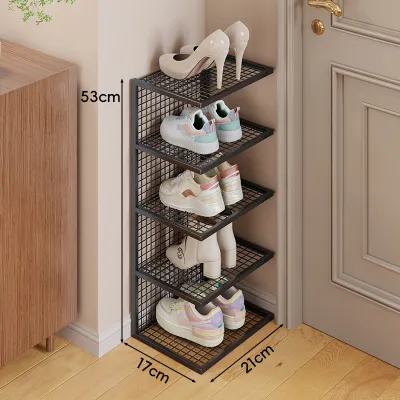
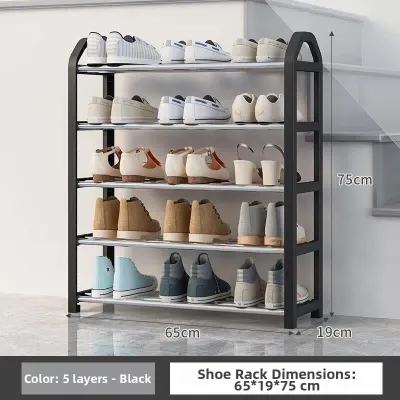
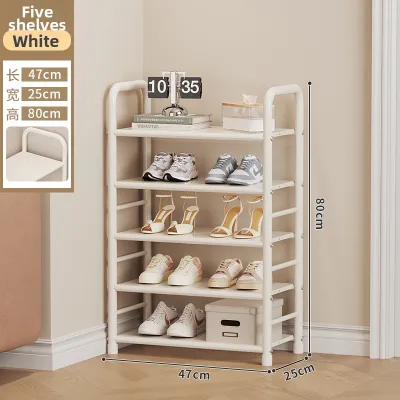
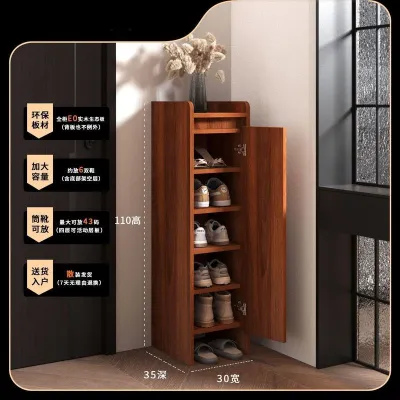
Prices are valid at publication and may change. Please refer to the product page for the latest price.
A standard mini shoe rack usually features a width ranging from 40 cm to 60 cm. An average pair of adult shoes requires about 20 cm to 25 cm of lateral space to sit naturally without overlapping. Consequently, a shelf that is 50 cm wide will comfortably hold only two pairs of standard adult shoes per tier, regardless of optimistic marketing claims. If you choose a three-tier rack of this width, your realistic capacity is six pairs.
Vertical clearance between tiers is another critical dimension that dictates usability. Most compact racks offer a vertical gap of 15 cm to 18 cm between shelves. This height is perfectly adequate for flats, sneakers, and loafers, but it will not accommodate high-top sneakers, ankle boots, or high heels. For taller footwear, you will either need to store them exclusively on the top tier or look for a rack with adjustable shelf heights.
The angle of the shelves also plays a role in capacity and depth. Slanted shelves reduce the overall depth profile of the rack, making them excellent for exceptionally narrow corridors. However, they require built-in heel stops to prevent shoes from sliding off, and they can slightly reduce the usable vertical clearance for the tier directly below.
How Shoe Types and Sizes Change the Real Capacity
Your personal footwear collection is unique, and its composition directly affects how many pairs will fit on a mini shoe rack. Bulky running shoes, basketball sneakers, and heavy work boots have wide soles and thick cushioning that take up significantly more lateral space than slim slip-ons or sandals. A single pair of wide-soled sneakers can easily occupy the space of one and a half pairs of standard flats.

Shoe size is another major factor that is often overlooked. Standard mini shoe racks are typically designed with a shelf depth of 25 cm to 30 cm. If members of your household wear larger shoe sizes, such as a men’s US 10 (EU 44) or above, the shoes will likely overhang the front or back of the shelves. This overhang not only looks untidy but can also cause shoes to fall off easily or create tripping hazards in tight walkways.
To accommodate a diverse collection, you must plan the layout of the rack strategically. Reserve the top tier for your tallest or bulkiest shoes, such as boots or high heels, which are not restricted by an upper shelf. Keep the middle and lower tiers for daily-wear sneakers, flats, and slippers that fit easily within the standard vertical clearance.
If your total shoe collection exceeds the realistic capacity of a mini rack, implementing a seasonal or usage-based rotation system is highly effective. Keep only your most frequently worn pairs—such as daily work shoes, school shoes, and outdoor slippers—on the entryway mini rack. Store formal footwear, seasonal boots, and occasional-wear heels in wardrobes, under-bed storage, or secondary closets to keep your main entryway clear.
Measuring Your Space for a Mini Shoe Rack
Before purchasing any compact furniture, taking precise measurements of your intended installation spot is essential. Start by measuring the exact floor footprint available. Do not simply measure from wall to wall; remember to account for skirting boards or baseboards. These architectural details can prevent a shoe rack from sitting completely flush against the wall, stealing 1 cm to 2 cm of valuable depth and potentially causing the rack to wobble.
Next, evaluate the door swing arcs in the immediate area. In small apartments or narrow foyers, an inward-opening main door or a nearby closet door can easily strike a shoe rack if it protrudes too far. Open all adjacent doors fully and measure the remaining clearance. To maintain a safe and comfortable walkway, aim for at least 60 cm to 90 cm of unobstructed path in front of the rack so household members can pass by without bumping into it.
Environmental factors should also influence where you place your rack. Avoid positioning wooden, bamboo, or fabric shoe racks directly next to main door grilles where wind-blown rain might splash them. Similarly, keep the rack away from household appliances that vent warm air, as constant temperature fluctuations can warp certain materials, dry out leather, or degrade shoe adhesives over time.
Space-Saving Alternatives When Floor Space Is Too Tight
If your entryway floor space is too restricted even for a freestanding mini shoe rack, several alternative storage methods can help keep your footwear organized. Vertical space is often underutilized in small homes and can offer excellent storage capacity without occupying any floor area.
Over-the-door organizers and wall-mounted shoe pockets are highly effective alternatives. When selecting an over-the-door system, verify your door’s weight capacity and hinge strength to ensure it can support the added load of multiple pairs of shoes without sagging. For wall-mounted floating shoe shelves, always locate the wall studs during installation or use high-quality, heavy-duty wall anchors to prevent the shelves from pulling out of the plaster under the weight of the footwear.
Under-bed storage containers are another excellent option for keeping shoes out of sight. Fabric zippered organizers or low-profile plastic bins with wheels slide easily under standard bed frames. This method keeps less frequently worn shoes dust-free and dry, freeing up precious entryway space for your daily essentials.
For those who still prefer a floor-standing solution but have limited horizontal space, modular or stackable mini racks offer great flexibility. These systems allow you to build upward rather than outward. However, you must ensure that the base of the modular unit is stable enough to support the height, and you should only stack units that are explicitly designed to lock together securely.
Common Sizing and Capacity Mistakes to Avoid
One of the most common mistakes is assuming that all products labeled “mini” or “compact” share the same dimensions. There is no industry standard for these terms; one manufacturer’s mini rack might be 40 cm wide, while another’s is 65 cm. Always check the exact product specifications and compare them against your physical measurements rather than relying on category labels.
Ignoring the depth of the rack is another frequent error that leads to buyer’s remorse. A rack that is too shallow (under 25 cm) will cause adult shoes to overhang significantly. In a narrow corridor, this overhang can easily catch on pant hems or bags, leading to tripped household members or knocked-over shoe displays.
Finally, avoid the temptation to overload your shoe rack beyond its structural limits. Lightweight plastic frames or thin metal tube shelves have strict weight capacities. Overloading these tiers with heavy work boots or stacking multiple pairs on top of one another can cause the shelves to bow, joints to crack, or the entire structure to collapse. Always check the manufacturer’s specified load capacity per tier to ensure safe, long-term use.
Frequently Asked Questions (FAQ)
Can I stack two mini shoe racks to double the capacity?
You should only stack mini shoe racks if the manufacturer explicitly states that the model is stackable and provides the necessary interlocking hardware, such as dowels, clips, or brackets. Stacking independent, non-modular freestanding racks that are not designed to fit together creates a severe tipping hazard. If you do stack approved modular units, always anchor the top of the assembly to the wall using anti-tip straps or brackets to prevent accidental tipping, especially in households with active pets or young children.
How do I clean and maintain a mini shoe rack in a humid climate?
In humid environments, shoe racks are highly susceptible to mold, mildew, and musty odors. Always check the manufacturer’s care label for material-specific cleaning instructions. For wooden, bamboo, or engineered wood racks, wipe the surfaces regularly with a slightly damp microfiber cloth and dry them immediately with a clean towel. To prevent mold growth, ensure all shoes are completely dry before placing them on the rack, as damp soles trap moisture in small, enclosed spaces. Utilizing moisture-absorbing sachets or charcoal deodorizers on the shelves can also help maintain a fresh environment.

Community discussion
Share your experience or ask a question. Comments are reviewed before publication.