
Metal frame bunk beds are a highly practical, space-saving solution for children’s bedrooms, especially in modern apartments where floor space is at a premium. However, safety is a primary concern for any parent considering an elevated sleeping arrangement. The short answer is that metal bunk beds can be exceptionally safe, but their safety is not an inherent guarantee of the material itself. Instead, it depends on the quality of the engineering, adherence to strict manufacturing standards, precise assembly, and consistent enforcement of household safety rules. By understanding how to evaluate structural integrity and what specific features to verify, you can confidently select a secure and durable bed for your children.
Evaluating the Inherent Safety of Metal Frame Bunk Beds
When comparing materials, metal is often praised for its high strength-to-weight ratio and structural rigidity. Unlike wood, which can warp, crack, or split over time due to changes in humidity and temperature, metal remains structurally stable under normal indoor conditions. However, the safety of a metal frame bunk bed relies heavily on the quality of its construction rather than just the base material. Thin, low-grade metal tubes can bend under pressure, whereas heavy-gauge steel or iron provides a robust foundation that can withstand years of daily use.
To ensure you are purchasing a safe product, always look for manufacturer compliance labels or documentation. Reputable brands will clearly state that their bunk beds meet recognized national or international safety standards, such as those established by consumer product safety commissions. These standards mandate rigorous testing for structural load capacity, tip-over resistance, and the elimination of potential entrapment hazards. If a product lacks clear safety certifications or compliance labels, it is best to look for an alternative that prioritizes verified testing.
Products mentioned in this guide
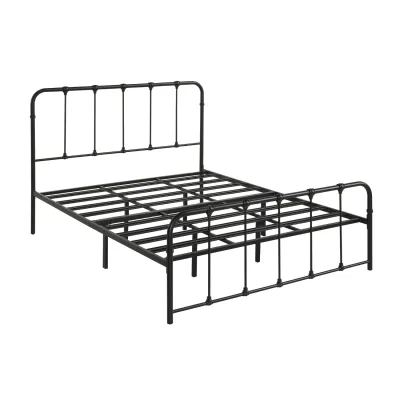
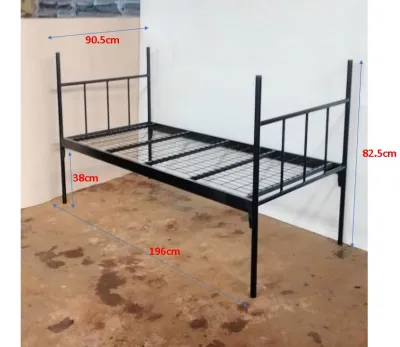
Prices are valid at publication and may change. Please refer to the product page for the latest price.
Beyond structural strength, the physical finish of the metal frame plays a crucial role in preventing minor injuries. High-quality metal furniture features smooth, burr-free finishes with rounded corners and seamless welds. Rough welds or exposed metal edges can cause painful cuts, scrapes, or snagged clothing, which could lead to a child losing their balance. When inspecting a bed in a showroom or reviewing product specifications, pay close attention to the quality of the powder coating and the smoothness of the joints to ensure there are no sharp points or rough patches.
Essential Safety Features to Verify Before Purchase
Guardrails are the most critical safety feature on any bunk bed, particularly for the top bunk. Verify that the bed includes guardrails on all four sides, even if you plan to place the bed directly against a wall. Children can easily slip into the gap between the bed and the wall, creating a dangerous entrapment hazard. The guardrails must extend at least 127 millimeters (5 inches) above the top surface of the mattress. This height is essential to prevent a sleeping child from accidentally rolling over the edge of the guardrail during the night.

The design and attachment of the ladder require careful evaluation. A safe ladder should have wide, flat steps rather than thin, round rungs. Flat steps provide a larger surface area for a child’s feet, reducing the risk of slipping and making the climb much more comfortable. Furthermore, the ladder must attach securely to the main frame of the bunk bed using heavy-duty brackets, hooks, or bolts. Avoid models with loose or easily detachable ladders that could slide out of position when a child is climbing. An angled ladder is generally easier and safer to navigate than a vertical one, though it does require slightly more floor space.
Examine the quality of the joints and fasteners used to hold the frame together. High-quality metal bunk beds utilize robust connection points, such as reinforced welded brackets and heavy-duty metal bolts with lock washers or nylon-insert locknuts. These components prevent the frame from swaying or loosening over time. Avoid beds that rely on simple friction fits, plastic connectors, or thin screws, as these materials can degrade quickly under the dynamic forces of children climbing and moving on the bed.
Mattress fit is another critical factor that directly impacts safety. A mattress that is too small for the frame leaves dangerous gaps along the sides or ends. If a child slips into one of these gaps, they risk suffocation or limb entrapment. Always refer to the manufacturer’s specifications for the exact mattress dimensions required for both the top and bottom bunks. The mattress should fit snugly within the frame, with no more than a 25-millimeter (1-inch) gap between the mattress edge and the bed frame. Additionally, ensure the mattress support system—whether metal slats or a bunkie board—is strong enough to support the mattress and the child’s weight without sagging.
Proper Assembly and Room Placement for Maximum Stability
Achieving maximum stability begins with precise assembly. Always follow the manufacturer’s step-by-step instructions carefully, and do not attempt to skip any steps or rush the process. Use only the hardware provided in the packaging. If you find that screws or bolts are missing, do not substitute them with random hardware from your home toolbox, as incorrect thread sizes or lower-grade metals can compromise the joint’s strength. If any parts are damaged, missing, or do not align correctly during assembly, stop immediately and contact the manufacturer or retailer for proper replacements.
Where you place the bunk bed in the bedroom is just as important as how you build it. Position the bed well away from ceiling fans, light fixtures, and windows. A child sitting up on the top bunk must have plenty of headroom to avoid accidental collisions with overhead fixtures. Windows present multiple hazards, including the risk of falls and the danger of strangulation from window blind cords. Ensure that all cords, curtains, and electrical outlets are completely out of reach from both the top and bottom bunks.
Once the assembly is complete, perform a thorough stability check. Shake the frame firmly from different angles to ensure there is no significant sway or wobble. Because metal-on-metal connections can naturally loosen over time due to the vibrations of daily use, it is essential to establish a regular maintenance schedule. Every few months, inspect all the bolts and fasteners on the bed frame and tighten them as needed. This simple routine prevents the frame from developing structural play and keeps the bed quiet and stable.
Age, Weight, and Usage Rules for Children
Enforcing clear age and weight limits is vital for preventing accidents. The top bunk is strictly unsuitable for children under the age of six. Younger children do not possess the physical coordination, balance, or spatial awareness required to safely climb the ladder or avoid rolling out of bed. Always check the manufacturer’s specified weight limits for both the top and bottom bunks, keeping in mind that this limit must accommodate the combined weight of the child, the mattress, and all bedding.
Establish and enforce strict behavioral rules for using the bunk bed. Children must understand that the bed is for sleeping, not for playing. Prohibit roughhousing, jumping, and wrestling on both the top and bottom bunks. Additionally, never allow children to hang items such as belts, ropes, jump ropes, bags, or clothing from the bed frame. These items can easily become wrapped around a child’s neck, posing a severe strangulation hazard.
To make the bunk bed environment even safer, place a small nightlight near the ladder. This provides sufficient illumination for children to safely navigate the steps during nighttime bathroom trips without having to search for a light switch in the dark. Finally, keep the floor space immediately surrounding the ladder and the bed completely clear of toys, shoes, and other tripping hazards to ensure a safe path at all times.
Frequently Asked Questions (FAQ)
Do metal bunk beds squeak more than wooden ones?
Squeaking is a common concern with metal frames, but it is rarely an inherent flaw of the metal itself. Instead, squeaks usually occur when joints loosen slightly, causing metal-on-metal friction. You can minimize this by ensuring all bolts are tightened securely during assembly and checking them periodically. If permitted by the manufacturer’s care instructions, applying a small amount of appropriate lubricant (like silicone spray) to the connection points can also eliminate friction noise.
Can a metal bunk bed be separated into two single beds?
Some metal bunk beds are designed with convertibility in mind, allowing you to separate them into two independent single beds as your children grow. However, you must check the product specifications to confirm if your specific model supports this feature. Never attempt to modify, drill, or cut a standard bunk bed frame to force a separation, as this will severely compromise its structural integrity, void the warranty, and create a highly unstable sleeping environment.

Community discussion
Share your experience or ask a question. Comments are reviewed before publication.