
To ensure a children’s bunk bed is safe, you must verify four critical areas: continuous guardrails on the top bunk, a securely attached ladder with wide steps, a robust frame with verified weight limits, and precise gap clearances that eliminate entrapment risks. While bunk beds are excellent space-saving solutions for compact bedrooms, safety must always take precedence over aesthetics.
Evaluating a bunk bed requires looking beyond surface materials and design trends. Parents must focus on physical measurements, structural connections, and manufacturer-provided specifications. By establishing a clear checklist before buying, you can ensure the bed remains a secure and comfortable sleeping environment for years to come.
Guardrails and Fall Prevention
Guardrails on the top bunk serve as the primary defense against falls, which are among the most common accidents associated with multi-tiered beds. Verify that guardrails are installed on all four sides of the upper bed. Even if you plan to place the bed flush against a wall, a gap can easily form if the bed shifts during use. A child can slip into this hidden gap, leading to severe entrapment or falls.
Products mentioned in this guide
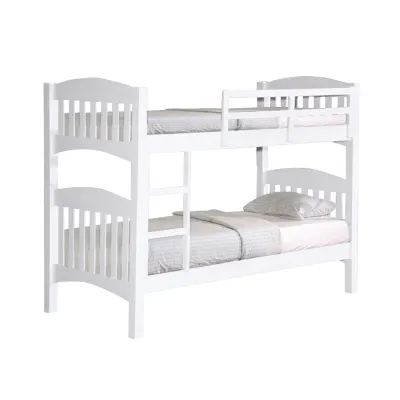
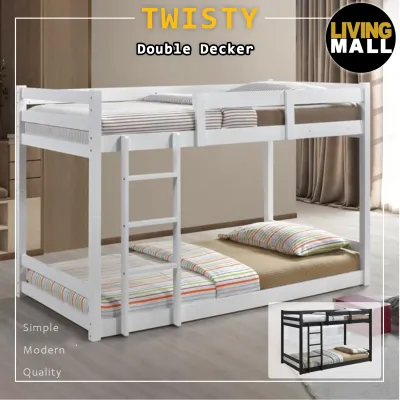
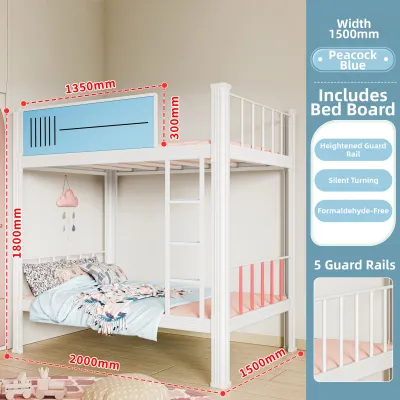
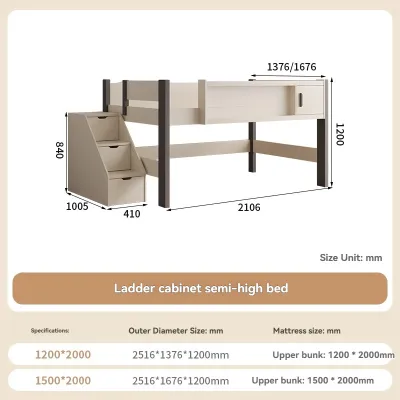
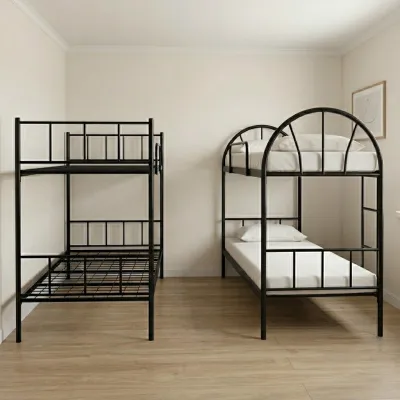
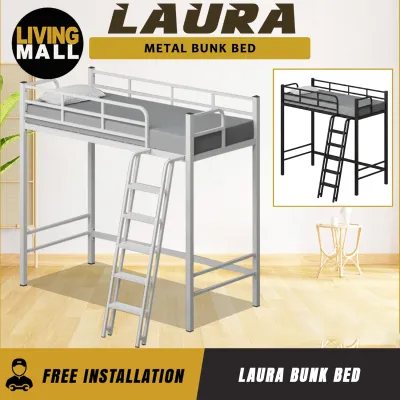
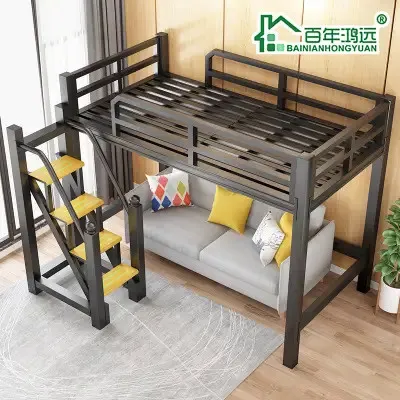
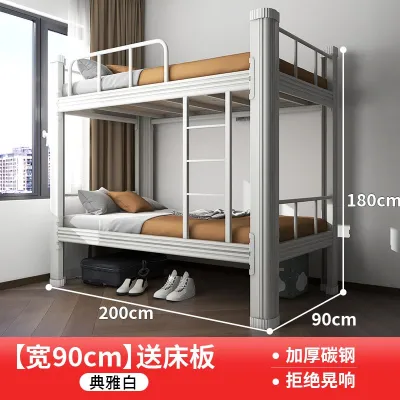
Prices are valid at publication and may change. Please refer to the product page for the latest price.
The height of these guardrails is critical and must be measured in relation to the mattress. Safety standards dictate that the top of the guardrail must extend at least 127 millimeters (approximately 5 inches) above the top surface of the mattress. When shopping, calculate the thickness of your intended mattress to ensure it will not sit too high. A mattress that is too thick will effectively lower the guardrail’s height, making it easy for a sleeping child to roll over the edge.
Inspect how the guardrails attach to the bed frame. They must be secured with heavy-duty fasteners, such as steel bolts or deep wooden dowels, that cannot be loosened by a child’s play. Avoid models with guardrails that simply slide into place without locking mechanisms, as these can easily dislodge. Finally, check the spacing between the individual slats of the guardrail to ensure they are narrow enough to prevent a child’s torso or limbs from sliding through.
Ladder and Access Stability
The ladder is the only pathway to the top bunk, making its stability central to preventing slips and falls. Look closely at how the ladder connects to the main frame. It should be permanently attached with robust screws or heavy-duty brackets that prevent any shifting, sliding, or lifting when weight is applied. Avoid ladders that merely hook over the side rail without a secondary locking mechanism.

The physical design of the ladder steps also plays a major role in climbing safety. Narrow, round rungs can be painful on a child’s feet and offer very little traction, increasing the risk of slips. Instead, look for flat, wide steps that provide a stable platform for the entire foot. Some ladders feature textured surfaces or slip-resistant treads to enhance grip.
Consider the ladder’s angle and how it fits into the layout of the bedroom. A vertical ladder is highly space-efficient because it sits flush against the bed frame, but it requires more physical strength and coordination to climb safely. An angled ladder extends outward, offering an easier climbing path, though it occupies more floor space. For younger children, an integrated staircase built into the side of the bunk bed is an excellent, highly stable alternative.
Structural Integrity and Weight Limits
A bunk bed must support the dynamic weight of growing children, mattresses, heavy bedding, and the occasional parent climbing up for a bedtime story. Locate the manufacturer’s official weight limits for both the top and bottom bunks. These limits are calculated based on specific engineering standards and must never be exceeded. Keep in mind that the top bunk almost always has a lower weight capacity than the bottom bunk.
The materials used in the frame’s construction are a key factor in durability, but a material name alone does not guarantee safety. Whether you choose solid wood or metal, inspect the quality of the joints and connections. Look for reinforced corner brackets, metal-to-metal barrel bolts, and sturdy support slats. Avoid frames that rely on simple wood screws driven directly into the wood grain, as these connections can strip and loosen over time.
When calculating the load on each bunk, remember to account for the cumulative weight of all components. This includes the weight of the mattress itself, heavy winter blankets, pillows, and any toys or books the child keeps in bed. If you are viewing a display model, perform a physical stability check by firmly shaking the frame. A safe bunk bed should feel solid and rigid, with no noticeable swaying or creaking.
Entrapment Hazards and Gap Clearances
Children can easily get their heads, necks, or limbs caught in poorly designed gaps, leading to severe injuries. To prevent this, verify that all spaces within the bunk bed’s structure comply with strict safety dimensions. As a general rule, any gap in the guardrails, headboards, footboards, or ladder rungs should either be smaller than 90 millimeters (3.5 inches) to prevent a child’s body from sliding through, or larger than 230 millimeters (9 inches) so their head can pass through completely without getting stuck.
Another critical clearance to check is the vertical headroom between the bottom bunk and the underside of the top bunk. A child sitting up on the bottom mattress should have ample space to sit upright without risking a painful head impact against the upper frame. Measure this distance carefully, factoring in the thickness of the bottom mattress, to ensure comfortable daily use.
Inspect the entire bed frame for decorative elements that could pose a snagging hazard. Features like tall corner posts, decorative finials, or intricate cutouts can catch on loose clothing, pajama drawstrings, or necklaces, creating a dangerous strangulation risk. Choose designs with clean, rounded edges and flush-fitting hardware. Regularly inspect the bed to ensure that no new, unsafe gaps have opened up as the wood settles or fasteners loosen.
Mattress Fit and Foundation Support
Selecting the right mattress is just as important as choosing the bed frame, as an ill-fitting mattress can compromise the bed’s built-in safety features. The mattress must match the inner dimensions of the bed frame precisely. If the mattress is too small, it will leave dangerous gaps along the sides or ends where a child’s arm, leg, or head could easily become wedged.
In addition to length and width, strictly adhere to the manufacturer’s maximum mattress thickness recommendation. Bunk beds typically have a safety line marked on the frame or specify a maximum thickness in the instruction manual. Using a mattress that exceeds this thickness reduces the effective height of the guardrails, leaving your child vulnerable to rolling over the top edge during the night.
The foundation supporting the mattress must also be exceptionally robust. Verify that the bed uses a secure slat system or a solid platform rather than a standard box spring, which is usually too tall for bunk bed configurations. The slats should be made of strong wood or metal and must be individually screwed or bolted to the side rails to prevent them from shifting or falling through.
Assembly, Anchoring, and Ongoing Maintenance
Proper assembly and ongoing maintenance are the final steps in ensuring your children’s bunk bed remains safe over years of use. When assembling the bed, follow the manufacturer’s instruction manual step-by-step. Use only the exact hardware provided in the packaging. If a bolt or screw is missing, contact the manufacturer directly to obtain the correct, load-tested replacement part rather than substituting random hardware.
Depending on the bed’s height and the bedroom flooring, anchoring the frame to the wall can provide crucial stability. This is especially important on thick carpeting or in homes with active children. Check if the manufacturer includes wall-anchoring brackets or recommends a specific anchoring method, and install it securely into the wall studs.
Once the bed is assembled, safety requires ongoing vigilance. Establish a routine to inspect the entire structure every three to six months. Children’s movement and daily climbing will naturally cause screws and bolts to loosen over time. Use this periodic check to tighten all fasteners, inspect the ladder connections, and examine the wooden slats for any signs of cracking or splitting.
Finally, consider the physical placement of the bunk bed within the bedroom. Position the bed far away from ceiling fans, hanging light fixtures, and windows. A child standing on the top bunk must not be able to reach any moving parts or electrical hazards. Additionally, ensure the bed is kept away from window blind cords or drapes, which present a severe strangulation hazard if they hang within reach of the upper sleep surface.
Frequently Asked Questions (FAQ)
What is the recommended minimum age for sleeping on the top bunk?
Safety guidelines and pediatric organizations generally recommend that children under the age of six should not sleep on the top bunk. At this developmental stage, younger children typically lack the physical coordination, balance, and spatial awareness required to safely navigate a ladder, especially in the dark. Additionally, younger children are more prone to restless sleeping patterns, which increases the risk of accidental falls over the guardrails. Parents should also evaluate their individual child’s maturity and sleep habits before granting access to the top bunk.
How often should I inspect the bunk bed for safety issues?
You should perform a thorough safety inspection of the bunk bed every three to six months. During this routine check, physically shake the frame to test for any new swaying, and use the appropriate tools to tighten all bolts, screws, and joint connectors that may have loosened from daily use. Carefully examine the ladder attachments to ensure they remain securely fastened. Inspect the mattress support slats for cracks or structural wear, and verify that the guardrails are still firmly locked in place. If you discover any damaged parts, stop using the bed immediately and contact the manufacturer.
Community discussion
Share your experience or ask a question. Comments are reviewed before publication.