
Maximizing space in a compact Singapore home requires furniture that works twice as hard without cluttering your floor plan. A multi-functional sofa bed offers a highly effective dual-purpose solution for HDB flats and condominiums, transforming a busy living room or study into a comfortable guest bedroom in minutes. To find the ideal model, you must balance the physical footprint of the furniture in both its closed and fully extended states against the actual layout of your room. By focusing on smart mechanism designs, integrated storage, and precise clearance measurements, you can seamlessly accommodate overnight guests while preserving your daily living space.
Assessing Your Space and Clearance Requirements
Before browsing designs, you must map out the exact physical limits of your room. Start by measuring the available floor area where the sofa will sit during the day, noting its width, depth, and height. Next, project the fully extended bed configuration onto your floor plan to ensure there is still room to move. A common mistake is forgetting to account for the clearance needed to walk around the bed once it is deployed, which can leave guests trapped or block access to wardrobes and balconies.
Consider the surrounding furniture and architectural features that might obstruct the transformation process. You will need to plan where temporary items, such as coffee tables, side chairs, or floor lamps, will be moved when the bed is open. Door swing paths, low-hanging light fixtures, and wall-mounted air conditioning units must also be factored into your spatial calculations. If you are looking at vertical folding designs or wall-mounted mechanisms, verify that your wall structure can support the anchoring hardware and that your ceiling height accommodates the arc of the frame during transition.
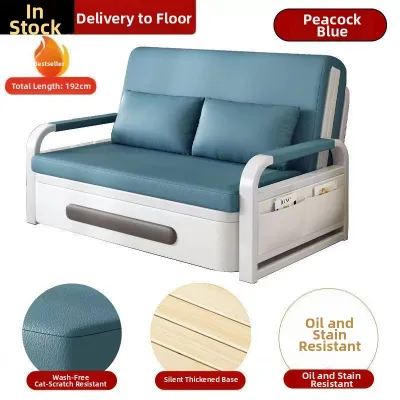
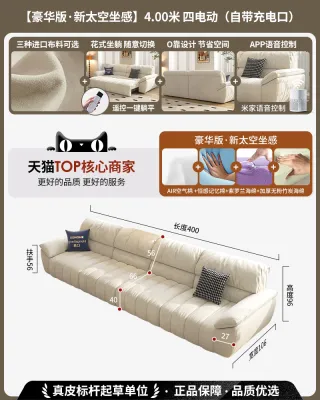
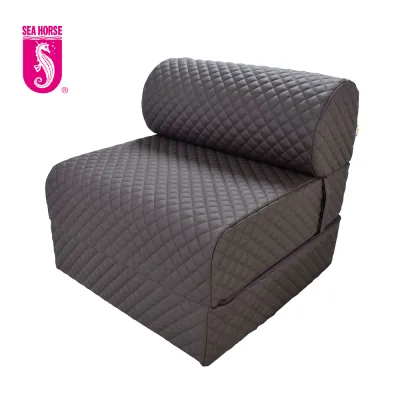
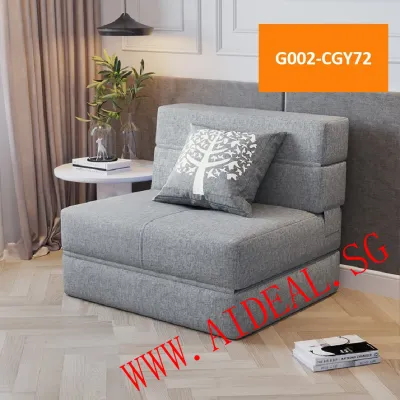
Products mentioned in this guide
![[SG Seller] Fabric Sofa Bed 3 Seater Sofabed Fast Delivery From Singapore. Free Assembly. High Quality Sofas and Sofabeds. 1 Year Warranty. Fast Delivery from Singapore.](https://img.lazcdn.com/g/p/348901f321b96fa2ba1866c7a1619f40.jpg_400x400q80.jpg_.webp)
![[SG] High Quality Fabric Sofabed | High Quality | Bedroom | Compact | Living Room | Fabric Sofa Bed | High-End | Comfortable | 3 Seater [SG OPEN BOX SALE]](https://img.lazcdn.com/g/p/5486a3bc39ec2ea9f6d992dfb470c94a.jpg_400x400q80.jpg_.webp)
Prices are valid at publication and may change. Please refer to the product page for the latest price.
Comparing Multi-Functional Sofa Bed Mechanisms
The mechanism of a sofa bed dictates how easily it transitions between seating and sleeping configurations, as well as how much physical effort is required for daily operation. Different mechanical designs offer distinct trade-offs between structural complexity, durability, and ease of use. Choosing the right mechanism depends heavily on how frequently you plan to convert the unit and the physical capabilities of those who will operate it.

Pull-Out and Fold-Down Designs
Pull-out and fold-down designs, such as classic trundles and click-clack mechanisms, are highly popular for their straightforward operation. Pull-out models typically feature a frame that rolls forward from beneath the seat cushions, requiring a clear path of floor space directly in front of the sofa. When evaluating these options, check the weight of the frame and test how much physical effort is needed to lift and lock the mattress into place.
Click-clack and fold-down designs operate by flattening the sofa backrest to align with the seat cushion. While these mechanisms are generally lighter and faster to operate, they often require you to pull the entire sofa away from the wall before unfolding, which can be cumbersome in tight spaces. Always inspect the underside of the frame for built-in leg supports that deploy automatically to distribute weight evenly. Additionally, look for protective rubber or felt pads on the feet to prevent the metal or wooden legs from scratching your vinyl, laminate, or parquet flooring during conversion.
Modular and Storage-Integrated Options
For homes where storage is at a premium, modular and storage-integrated sofa beds provide an excellent way to maximize utility. Many of these designs feature hidden compartments beneath the seat cushions or within a chaise lounge section, offering a convenient spot to stow pillows, heavy blankets, and seasonal bedding. This integration keeps your living area tidy and eliminates the need for extra storage chests or wardrobe space in an already crowded room.
Modular sofa beds offer the added benefit of flexibility, allowing you to rearrange, separate, or expand individual seating sections to suit different social settings or room layouts. When choosing a modular system, it is crucial to verify the structural stability of the connections between the pieces. Look for robust interlocking brackets or heavy-duty connectors that prevent the modules from drifting apart when someone sits or sleeps on them. Ensure the frame materials and joint construction feel solid and do not wobble during transition.
Evaluating Mattress Quality and Daily Usability
A sofa bed must serve comfortably as both a supportive seat during the day and a restful sleeping surface at night. The type of mattress material plays a significant role in this balance, with foam, innerspring, and hybrid options each offering different levels of support. High-density foam mattresses conform well to the body and minimize the feel of underlying metal bars, while pocket spring or hybrid mattresses provide a more traditional, bouncy feel that some sleepers prefer.
Pay close attention to the thickness of the mattress and the placement of folding creases. Thin mattresses can let sleepers feel the hard support frame underneath, while excessively thick mattresses may make the sofa configuration feel stiff or difficult to fold. Inspect the mattress surface for prominent seams or hinges that might disrupt sleep comfort, and consider using a mattress topper to smooth out any uneven sections for long-term guests.
The durability of the upholstery fabric is equally important, especially in high-traffic living rooms. Look for tightly woven, stain-resistant fabrics or synthetic blends that can withstand regular friction and are easy to spot-clean. Removable, washable cushion covers are highly practical for households with pets or young children, helping you maintain a fresh and hygienic living environment over years of use.
Navigating Delivery, Assembly, and Access Constraints
Even the most space-efficient sofa bed is only useful if it can actually fit into your home. Before finalizing your purchase, you must carefully measure the delivery path from the building entrance to your living room. Check the height, width, and depth of your building’s elevator, as well as the clearance of stairwells, tight corridor corners, and your apartment’s main doorway. Many multi-functional sofa beds are heavy and bulky, making tight turns in narrow HDB corridors particularly challenging.
Determine whether the sofa bed will be delivered fully assembled or if it requires on-site assembly. Flat-packed models are often easier to transport through narrow doorways but require specialized tools, clear instructions, and sometimes multiple people to assemble safely. Always check the manufacturer’s specifications for the frame’s maximum load-bearing capacity to ensure it can safely support the intended number of users. Confirming these structural limits and delivery logistics beforehand prevents costly returns and ensures a smooth installation process.
Frequently Asked Questions (FAQ)
How often should I rotate or flip a sofa bed mattress?
To maintain even wear and prolong the lifespan of your sofa bed mattress, it is generally recommended to rotate it end-to-end every three to six months. This practice helps distribute body weight across different sections of the mattress, preventing localized sagging where people sit or sleep most frequently. Before attempting to flip the mattress over, always check the manufacturer’s care instructions, as many modern sofa bed mattresses are single-sided or feature integrated attachment mechanisms that prevent them from being flipped.
Can I use standard bed sheets on a sofa bed?
Standard fitted bed sheets may not always fit a sofa bed properly due to differences in mattress thickness and overall dimensions. Sofa bed mattresses are typically thinner than standard bedroom mattresses, which can leave standard fitted sheets loose, bunched, or prone to slipping off. To ensure a snug fit, measure the exact length, width, and depth of your deployed sofa bed mattress before purchasing bedding, or opt for flat sheets and adjustable sheet straps to secure the fabric tightly.

Community discussion
Share your experience or ask a question. Comments are reviewed before publication.