
Mattress firmness ratings translate how hard or soft a bed feels, but for single bed sleepers, these numbers represent more than just surface comfort. Because a single mattress has a smaller surface area, how your body weight is distributed across its dimensions directly affects how firm the bed feels. Understanding these ratings helps you select a mattress that keeps your spine aligned and cushions your pressure points without the need to test dozens of beds in person.
How the Mattress Firmness Scale Works
The mattress industry uses a standard 1-to-10 scale to rate firmness, where 1 is very soft and 10 is very hard. However, this scale is an industry convention rather than a regulated universal standard. A rating of 6 from one manufacturer might feel like a 5 or a 7 from another, meaning these numbers are more effectively used as comparative guidelines within a brand.
To find more objective data, check technical specifications like Indentation Load Deflection (ILD) or foam density. ILD measures the force required to compress foam by a certain percentage; a higher ILD indicates a firmer material. While not always on retail tags, checking the manufacturer’s detailed specification sheets for ILD or density values provides a clearer picture of structural resistance.
Products mentioned in this guide
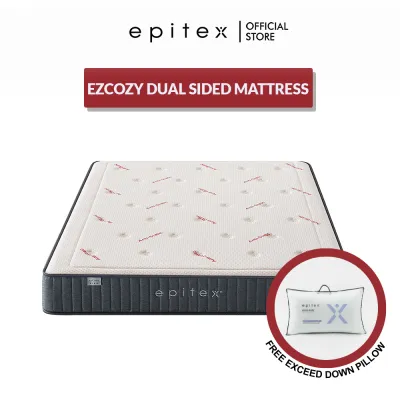
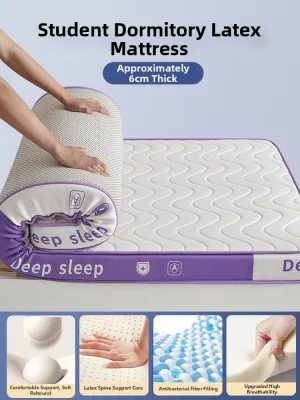
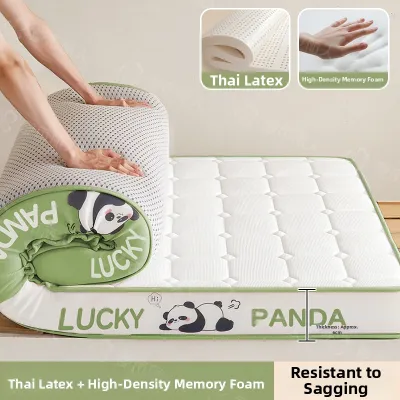
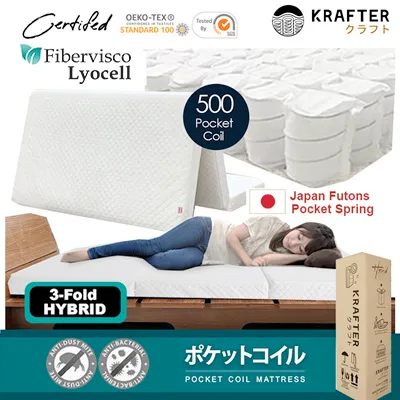
![[Bulky] DREAMAX Equinox Rest 8 Inch Comfort Pocket Spring Mattress / 20cm / Bed (SG) / sd](https://img.lazcdn.com/g/p/c25e074503162de8fade85f5c4b33c8d.jpg_400x400q80.jpg_.webp)
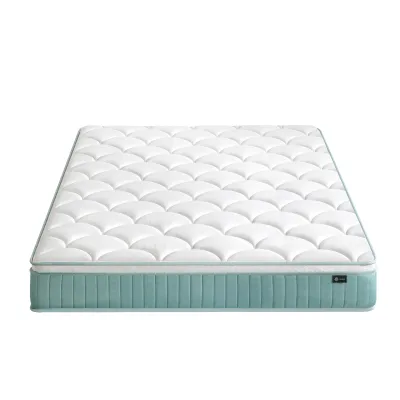

Prices are valid at publication and may change. Please refer to the product page for the latest price.
Crucially, distinguish between surface firmness and core support. Surface firmness is the initial feel of the top comfort layers when you first lie down. Core support refers to the deeper layers that keep your spine in a neutral alignment. A mattress can have a soft surface rating of 3 but still offer strong core support through a robust pocketed spring system underneath.
What Each Firmness Level Feels Like in Practice
Translating abstract numbers into physical sensations helps clarify what to expect. Soft mattresses (1 to 3) offer a distinct ‘hug’ where you sink deeply into the comfort layers. Medium mattresses (4 to 6) provide a balanced sensation of sleeping ‘in’ the mattress while remaining supported. Firm mattresses (7 to 10) offer a ‘sleeping on top’ sensation with minimal sinkage and high resistance.

Your body weight heavily influences how you perceive these firmness levels. A lighter individual, perhaps weighing under 60 kilograms, does not exert enough downward force to compress the comfort layers of a medium mattress, causing it to feel firmer than its rating suggests. Conversely, a heavier individual will sink deeper into the same mattress, potentially bottoming out the comfort layers and perceiving the bed as too soft.
Materials also alter how a specific rating feels. A memory foam mattress rated 6 contours slowly to your body shape using body heat, creating a close, pressure-relieving cradle. An innerspring or hybrid mattress with the same 6 rating feels much more responsive and bouncy, allowing you to move around easily on the surface without feeling stuck.
Matching Firmness to Your Single Bed Sleep Profile
Your primary sleeping position is the most critical factor when matching your profile to a firmness level. Side sleepers generally require a softer to medium mattress (ratings 3 to 5) to allow the shoulders and hips to sink in, preventing pressure build-up. Back sleepers usually benefit from a medium to firm mattress (ratings 5 to 7) that supports the lower back. Stomach sleepers need a firm mattress (ratings 7 to 8) to prevent the hips from sagging, which can strain the lower spine.
For single bed sleepers, the physical dimensions of a single mattress introduce specific structural considerations. Because a single bed is narrower, you are more likely to sleep closer to the edges than on a larger bed. This makes edge support a critical factor; if the mattress lacks strong edge reinforcement, the perimeter may compress easily, making the mattress feel softer and less stable near the sides. Checking for reinforced pocket springs or high-density foam encasements along the border is essential.
Fortunately, single sleepers can ignore certain specifications that drive up the cost of larger beds. High-level motion isolation ratings—designed to prevent you from feeling a partner tossing and turning—are largely irrelevant when sleeping alone. By focusing your budget on core support and surface comfort rather than advanced motion-dampening technologies, you can secure a high-quality single mattress that fits your exact physical needs.
How to Verify Firmness Before Committing
Because firmness is highly subjective, verifying the feel before committing is a smart step. Look for retailers or online brands that offer risk-free sleep trials, which typically allow you to test the mattress in your own home for a set period, such as 100 nights. Be sure to check the terms for mandatory break-in periods, as many companies require you to sleep on the mattress for at least three to four weeks before initiating a return, allowing your body and the materials to adjust.
If you prefer to test mattresses in a physical showroom, avoid making a quick decision after a few seconds. Lie down on the bed in your typical sleeping position for at least 10 to 15 minutes to allow your muscles to relax and to gauge how the support layers respond over time. Bring your preferred pillow to replicate your actual sleeping conditions as closely as possible.
Additionally, read verified customer reviews on independent platforms or the retailer’s website. Instead of looking only at overall star ratings, filter or search the reviews for keywords related to your body type, weight, and sleeping position. Hearing how a mattress feels to someone of a similar build who also sleeps on their side or back provides highly relevant context.
Frequently Asked Questions (FAQ)
Can I change the firmness of my current single mattress?
Yes, you can adjust the surface feel of your existing single mattress by adding a mattress topper. A plush memory foam or latex topper can soften a bed that feels too rigid, while a high-density foam topper can add a layer of firm resistance to a surface that feels too soft. However, a topper only alters the surface comfort; it cannot fix a mattress that is sagging or structurally compromised at its core. If the underlying support system has failed, the mattress must be replaced.
Is a firmer mattress always better for back pain?
No, an extremely firm mattress is not a universal solution for back pain and can sometimes worsen the condition. If a mattress is too hard, it will not contour to the natural curves of your spine, leaving gaps under your lower back and creating painful pressure points at your shoulders and hips. For many sleepers, a medium-firm mattress offers a balanced combination of contouring pressure relief and structural support. If you experience persistent back pain, consult a healthcare professional for personalized guidance on the structural support your body requires.

Community discussion
Share your experience or ask a question. Comments are reviewed before publication.