
A coffee table with wheels offers exceptional flexibility for reconfiguring your living space, but its design must seamlessly integrate with your existing décor to elevate the room’s overall aesthetic. Whether your home leans towards raw industrial loft vibes, cozy Scandinavian simplicity, retro mid-century charm, or sleek minimalism, identifying the right style is the first step toward a cohesive look. By understanding how different materials, wheel designs, and structural profiles interact with your room’s existing elements, you can select a mobile centerpiece that is both highly functional and visually striking.
Choosing a mobile coffee table requires balancing visual weight with physical practicality. Unlike stationary furniture, a wheeled table is designed to move, meaning its relationship with your flooring, seating, and traffic lanes is dynamic. To find the perfect match, you must evaluate your room’s current design markers alongside your daily lifestyle requirements, ensuring the table enhances your space rather than disrupting it.
Assessing Your Living Room Aesthetic and Spatial Needs
Before browsing specific styles, take a detailed inventory of your living room’s current design baseline. Observe the dominant materials in your space, such as the species of wood used in your TV console, the metal finishes on your lighting fixtures, and the texture of your sofa fabric. A cohesive design does not require matching every material perfectly, but it does require a shared visual language. For instance, if your room features warm brass accents and soft curves, a harsh industrial table with heavy black iron wheels might create an jarring contrast rather than a balanced juxtaposition.
Products mentioned in this guide
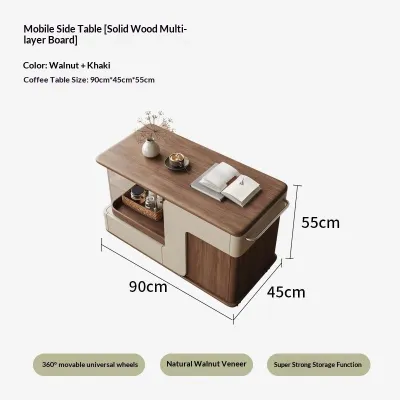
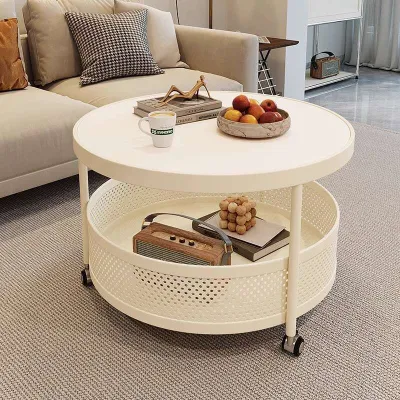
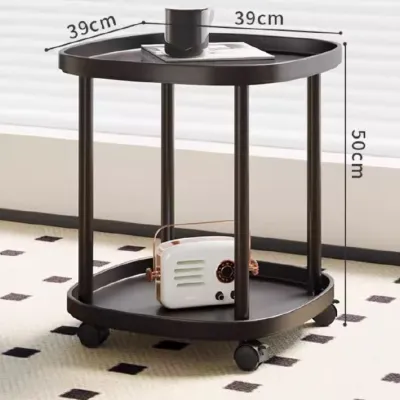
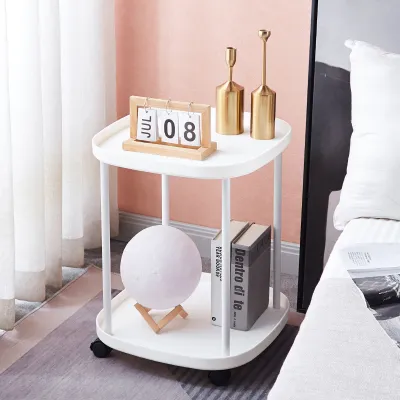
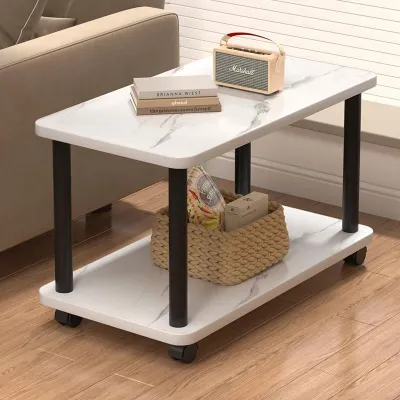
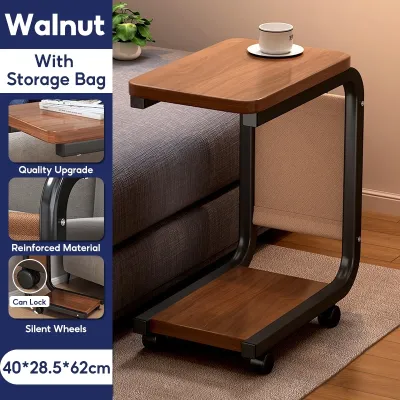
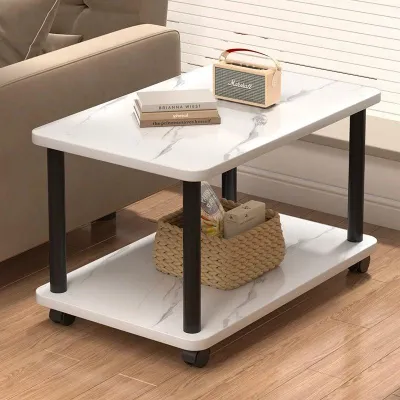
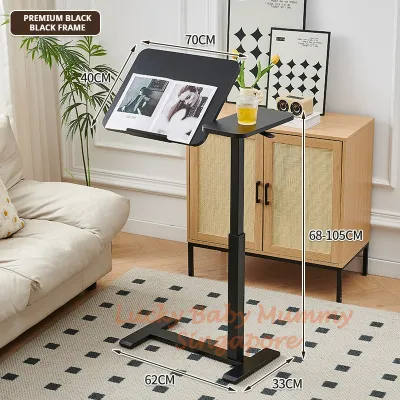
Prices are valid at publication and may change. Please refer to the product page for the latest price.
Spatial planning is particularly critical when introducing mobile furniture. Measure your available floor space and map out the primary traffic pathways to ensure the table can be moved without obstructing daily movement. In compact living environments, such as modern apartments, a coffee table must maintain a comfortable clearance of about 30 to 45 centimeters from the sofa. Because a wheeled table can be pushed aside for activities like home workouts or hosting guests, you must also identify where the table will park when it is moved out of the center zone.
Finally, determine the primary function of the table to dictate its physical specifications. If you plan to use the table for casual dining, working on a laptop, or displaying heavy art books, you will need to prioritize specific surface heights and load-bearing capacities. A table used primarily for resting drinks requires a stable, level surface, whereas a multi-functional storage piece needs robust internal compartments. Understanding these functional demands helps you filter out options that look appealing but fail to support your daily habits.
Industrial Style: Matching Raw Textures and Metal Frames
Industrial design is characterized by its celebration of raw, utilitarian materials and structural honesty. A classic industrial coffee table with wheels often features a combination of distressed or reclaimed solid wood planks, heavy-duty iron or steel frames, and prominent, exposed metal casters. The wheels on these tables are rarely hidden; instead, they serve as a primary design feature, often modeled after vintage factory carts or railway pulleys. This style thrives on visible welds, rivets, and textured surfaces that tell a story of durability and craftsmanship.

This aesthetic is ideal for open-plan lofts, homes with exposed brick or concrete walls, and spaces aiming for a rugged, vintage atmosphere. The warm, textured grain of reclaimed wood softens the coldness of metal frames, making the industrial style highly effective at adding character to sterile, modern spaces. If your living room features leather sofas, exposed ductwork, or matte black hardware, an industrial wheeled table will anchor the room with a sense of history and structural permanence.
However, the heavy materials inherent to industrial design present specific practical challenges. Solid wood and iron constructions are exceptionally heavy, which puts significant pressure on the casters and your flooring. Before purchasing, verify the caster locking mechanisms to ensure the table remains stationary when needed. It is also crucial to check for floor protectors or choose casters with polyurethane or rubber coatings; raw metal wheels can easily scratch, dent, or mark hardwood, vinyl, or delicate stone flooring.
Scandinavian Style: Embracing Light Woods and Functional Simplicity
Scandinavian design focuses on light, airy aesthetics, functional simplicity, and a deep connection to natural elements. A Scandinavian-style wheeled coffee table typically showcases light-toned woods such as ash, beech, or oak, paired with a soft, neutral color palette of whites, grays, and muted pastels. The lines are clean and uncomplicated, often featuring gently rounded corners and tapered profiles that maximize visual lightness. Rather than standing out as a heavy industrial machine, the wheels on a Scandinavian table are usually discreet, low-profile, or color-matched to blend seamlessly with the legs.
This style is perfectly suited for well-lit, compact to medium-sized living rooms where maintaining a sense of openness is a priority. The light wood tones reflect natural light, helping small spaces feel larger and more inviting. If your home features minimalist textiles, indoor plants, and a bright, uncluttered layout, a Scandinavian mobile table will complement this serene atmosphere. Its visual lightness ensures that even when positioned in the center of the room, it does not dominate the visual field.
One key consideration when choosing light-colored, natural wood furniture is its susceptibility to daily wear and tear. Light surfaces show stains, water rings, and dust more readily than darker materials. To ensure longevity, review the manufacturer’s surface treatment specifications before buying. Look for tables finished with a durable, water-resistant matte lacquer or protective polyurethane coating rather than raw oil, which requires frequent reapplication and offers less protection against accidental spills.
Mid-Century Modern: Integrating Tapered Legs and Organic Curves
Mid-century modern design is celebrated for its organic curves, geometric shapes, and seamless integration of form and function. A mid-century modern coffee table with wheels often utilizes rich, warm wood veneers like walnut, teak, or rosewood. The design language emphasizes clean lines combined with playful, organic tabletop shapes, such as surfboards, ovals, or organic pebbles. To maintain the iconic retro silhouette, casters are frequently integrated directly into the ends of slender, tapered legs, often utilizing brass-hooded ball wheels that add a subtle touch of vintage glamour.
This style is an excellent match for living rooms that feature vintage furniture, bold accent colors, or an eclectic, art-focused aesthetic. The warm wood tones and sculptural shapes of mid-century modern tables bring a sense of nostalgia and sophistication to a space. If your room incorporates low-slung sofas, geometric patterns, or statement lighting from the mid-20th century, a wheeled table in this style will tie the retro elements together beautifully.
Integrating wheels into slender, tapered legs introduces specific structural considerations. Because tapered legs meet the tabletop at an angle, adding casters can alter the center of gravity and subject the leg joints to lateral stress when the table is pushed. To ensure safety and longevity, inspect the joint construction and mounting plates. Verify the manufacturer’s stated maximum load capacity and check that the legs are reinforced with heavy-duty hardware to prevent wobbling or joint failure over time.
Minimalist Style: Utilizing Clean Lines and Hidden Storage
Minimalist design is defined by the philosophy of “less is more,” focusing on extreme simplicity, clean lines, and the elimination of unnecessary ornamentation. A minimalist wheeled coffee table often features a block-like, monolithic structure or an ultra-slender metal frame. The color palette is strictly monochromatic, utilizing matte black, stark white, or deep slate gray. To maintain a clutter-free exterior, these tables often incorporate handle-less drawers or hidden compartments that open with touch-latches, while the casters are completely recessed or low-profile, giving the illusion that the table is floating just above the floor.
This style is ideal for contemporary living rooms that demand absolute tidiness and require multifunctional, concealed storage. In modern, high-density urban homes, keeping visual clutter to a minimum is essential for creating a relaxing environment. A minimalist table allows you to quickly sweep remote controls, magazines, and chargers out of sight, maintaining clean surfaces while keeping daily essentials within arm’s reach.
While hidden or low-profile casters create a sleek, floating aesthetic, they can limit the table’s mobility. Recessed wheels often have very low ground clearance, which means they can struggle to roll smoothly over thick-pile rugs, carpet transitions, or uneven tile grout lines. Before finalizing your choice, verify the wheel material and clearance specifications to ensure compatibility with your specific flooring types, preventing the table from dragging or becoming stuck during movement.
Essential Physical and Safety Checks Before Purchase
Once you have identified the style that best matches your living room, you must perform several physical and safety checks to ensure the table is practical for daily use. Start by cross-referencing the table’s finished dimensions with your sofa’s height and length. Ideally, the coffee table should sit at a height that is level with or slightly lower than your sofa’s seat cushions. Additionally, ensure that your home’s doorways, hallways, and lift access points are wide enough to accommodate the table’s delivery, especially if the model arrives fully assembled.
Caster functionality is the most critical safety component of any mobile table. Confirm that the wheels feature reliable braking or locking mechanisms, particularly if your household includes young children, active pets, or uneven flooring. A table that rolls too easily can become a safety hazard if leaned on for support. Look for high-quality locking casters that secure both the wheel rotation and the swivel mechanism, providing a completely stable surface when locked.
Finally, review the product manual or manufacturer specifications regarding assembly conditions and structural integrity. Check whether the table arrives flat-packed or pre-assembled, and ensure you have the necessary tools to secure all joints tightly. Inspect the materials used for the wheel mounts; heavy-duty metal plates secured with multiple screws are far more durable than plastic inserts. Verifying these structural details before purchase ensures your wheeled coffee table remains a safe, functional, and stylish addition to your home for years to come.
Frequently Asked Questions (FAQ)
Can I add wheels to my existing coffee table to change its style?
Adding wheels to an existing coffee table is a popular DIY project, but it requires careful evaluation of the table’s original structure. Before proceeding, inspect the thickness and material of the table’s legs or base to ensure they can support drilling and the installation of caster stems or mounting plates. Softwoods or thin hollow legs may split under the stress of lateral movement. Additionally, keep in mind that adding casters will increase the overall height of the table, which can alter its ergonomic relationship with your sofa, and modifying the piece will likely void any existing manufacturer warranties.
How do I prevent a wheeled coffee table from rolling on a rug?
To prevent a wheeled coffee table from shifting on a rug, first check the material of the casters. Hard plastic or metal wheels tend to slide easily across low-pile rugs, whereas wheels made of soft rubber or polyurethane provide natural grip and resistance. If your table continues to drift, ensure the caster brakes are fully engaged. For tables without built-in locks, placing small, low-profile caster cups under the wheels or installing a high-quality, non-slip rug pad beneath the carpet can provide the necessary friction to keep the table securely in place.

Community discussion
Share your experience or ask a question. Comments are reviewed before publication.