
Finding the perfect dining chair involves more than just picking a design that catches your eye. To create a harmonious dining space, you must select a chair style that complements your existing home aesthetic, matches your table’s proportions, and fits comfortably within your room’s physical layout. By evaluating your current decor theme, analyzing the silhouette and materials of the seating, and verifying key measurements, you can confidently choose a seating option that enhances your home’s overall design.
Assessing Your Dining Room Aesthetic
Before browsing through different chair designs, take a close look at the dominant color palette of your dining room. Note the primary tones of your walls, flooring, and existing furniture. Warm wood grains, cool concrete finishes, or neutral painted walls all establish a specific visual foundation. If your room features warm undertones, chairs with complementary warm wood frames or earthy upholstery tones will create a seamless look, while cool-toned rooms benefit from metallic accents or neutral grey fabrics.
Next, identify the recurring textures that define your space. A dining room filled with soft linen drapes, woven area rugs, and matte wall finishes has a tactile, relaxed quality. In contrast, a space featuring polished marble tabletops, metallic light fixtures, and high-gloss cabinetry feels more formal and structured. Matching the texture of your new chairs to these existing elements helps maintain a consistent sensory experience throughout the room.
Products mentioned in this guide
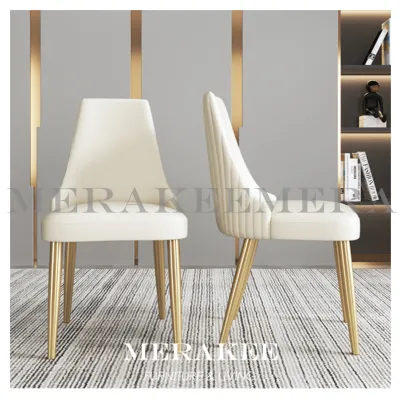
Prices are valid at publication and may change. Please refer to the product page for the latest price.
Recognizing your core design theme is also essential for making an informed choice. Minimalist spaces prioritize clean lines, hidden storage, and uncluttered surfaces, requiring chairs with simple, unadorned profiles. Industrial aesthetics showcase raw materials like exposed brick, steel, and distressed wood, which pair naturally with metal-framed seating. Traditional setups lean toward ornate moldings, symmetrical layouts, and rich wood finishes, calling for more classic, structured chair designs.
Finally, evaluate how natural and artificial lighting affects the perception of furniture finishes in your room. Natural light streaming through large windows can soften sharp angles and highlight the organic grain of wooden furniture during the day. Artificial lighting, such as warm pendant lights or cool recessed LEDs, can dramatically shift how paint colors and furniture finishes appear in the evening. Observing these lighting shifts ensures your chosen chairs look appealing at any hour.
Matching Ta Da Chair Features to Your Decor
Once you have a clear understanding of your room’s aesthetic, you can begin matching the observable features of the ta da chair to your decor. Start by analyzing the silhouette profiles of the chairs. Curved backrests and rounded edges introduce softness and organic flow, making them excellent companions for Scandinavian, bohemian, or mid-century modern spaces. Conversely, angular backrests and sharp, geometric lines align better with modern, minimalist, or industrial environments where structure is key.

Compare the surface finishes and visible material textures of the chairs with your existing dining table. Matte finishes on wood or composite materials absorb light, contributing to a relaxed, contemporary atmosphere. Glossy or polished surfaces reflect light, adding a touch of formality and brightness that suits classic or transitional dining rooms. Ensuring that the finish of the chair frames matches or intentionally contrasts with the tabletop prevents the furniture from looking mismatched.
Pay close attention to the leg structures and base designs of the chairs. Tapered wooden legs evoke a retro, mid-century charm that pairs beautifully with lightweight wooden tables. Metal frames, sled bases, or hairpin legs offer a sleek, industrial look that complements concrete, glass, or heavy timber tabletops. The design of the legs plays a significant role in how light and air flow under the table, affecting the perceived spaciousness of the room.
Ensure the visual weight of the chair base matches the style of your dining table. A heavy, solid pedestal table can easily overwhelm delicate, thin-legged chairs, making the setup look top-heavy. On the other hand, a minimalist glass table might look unbalanced next to bulky, fully upholstered seating options. Striking a balance between the visual weight of the table and the chairs creates a grounded, harmonious dining area.
Verifying Space, Clearance, and Table Compatibility
Aesthetic compatibility must be matched by physical compatibility to ensure a comfortable dining experience. Begin by measuring the floor clearance around your dining table. There should be ample room to pull the chairs out easily and walk behind them when someone is seated. If your dining area is situated in a high-traffic zone, ensuring sufficient clearance prevents the space from feeling cramped and restricted.
Check the seat height of the chair against the underside clearance of your dining table. Standard dining tables require a specific gap between the seat cushion and the bottom of the table apron to allow comfortable leg movement. If your table has a thick support frame, decorative trim, or drawers underneath, measure from the lowest point of that trim rather than the tabletop surface to avoid purchasing chairs that are too high.
Consider the width of the chairs in relation to the table legs. Measure the distance between the table legs to determine how many chairs can fit comfortably side-by-side without bumping into each other or the table structure. It is important to leave enough space between each chair so that guests can dine comfortably without feeling crowded, especially during longer gatherings.
Do not overlook delivery and assembly logistics, which are crucial for a hassle-free experience. Confirm the dimensions of your doorways, stairwells, and apartment elevators before placing an order. Ensuring that the packaged chairs can navigate these tight spaces prevents delivery delays and potential damage to your home or the new furniture.
Blending New Chairs Into Your Existing Decor
Integrating new chairs into an established dining room does not require a complete overhaul of your current decor. You can use accent colors or textiles to bridge contrasting design styles. For instance, adding seat cushions in a fabric that matches your window drapes or living room rug can instantly tie the dining area to the rest of the home, creating a sense of continuity.
If you prefer an eclectic look, balance the visual weight of different chair profiles around a single table. You might place structured, upholstered host chairs at the ends of the table and lighter, open-back side chairs along the flanks. This approach creates a balanced yet dynamic arrangement that adds character to the room without overwhelming the senses.
Adjust surrounding accessories to unify the overall aesthetic of the space. A centerpiece on the dining table, a well-placed floor lamp, or wall art that echoes the colors and materials of your new chairs can make the entire setup feel cohesive. By repeating key design elements throughout the room, you can make your new seating feel like a natural extension of your home.
Frequently Asked Questions (FAQ)
How do I clean and maintain the surface finish of my dining chairs?
Always check the product labels and manufacturer manuals for specific cleaning agents and restrictions before attempting any maintenance. Avoid using abrasive tools, steel wool, or harsh chemical solvents that could permanently degrade the surface finish. To ensure safety, test any new cleaning solution on a small, hidden area of the chair frame or upholstery before applying it to the entire piece.
What measurements should I take before ordering dining chairs online?
Record the exact height, thickness, and underside clearance of your dining table to guarantee comfortable legroom. Measure the width and depth of the chairs to ensure they fit between the table legs with adequate spacing between seated guests. Finally, verify the dimensions of your entryways, hallways, and elevators to ensure a smooth delivery and assembly process.

Community discussion
Share your experience or ask a question. Comments are reviewed before publication.