
Selecting the right wood dining chair involves more than finding a comfortable seat; it requires a thoughtful alignment of design, wood tone, and structural lines with your existing interior aesthetic. By identifying the core elements of your home decor theme, you can select a wooden chair style that complements your space, enhances visual harmony, and meets your daily functional needs. The ideal chair should feel like an organic extension of the room rather than an arbitrary addition.
To achieve this balance, you must look beyond the surface appeal of an individual piece of furniture. A chair that looks stunning in an isolated showroom might disrupt the flow of a dining room if its proportions, material finish, or design era clash with the surrounding elements. Understanding how different design movements utilize wood allows you to make an informed decision that elevates your entire dining experience.
How to Assess Your Existing Home Decor Theme
Before browsing for a new wood dining chair, take a step back to analyze the dominant design characteristics of your dining space. Begin by observing the primary lines and shapes that define the room. If your dining table, cabinetry, and architectural features favor sharp angles and straight lines, you may want to continue this geometric theme or introduce curved chairs to soften the overall look.
Products mentioned in this guide
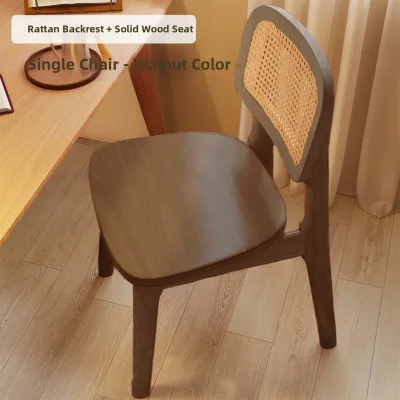
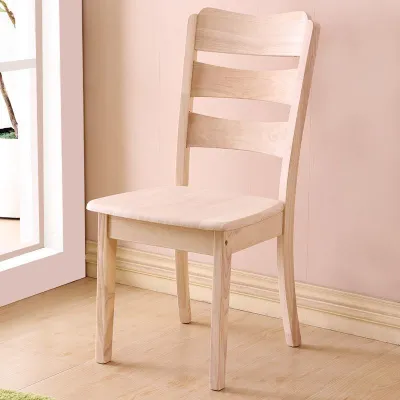
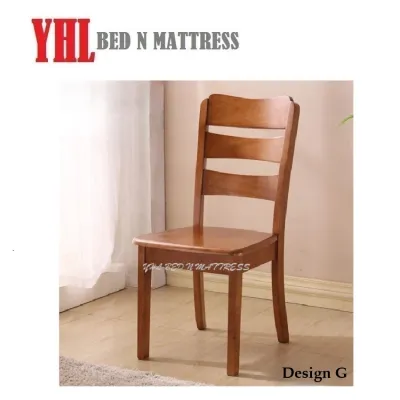
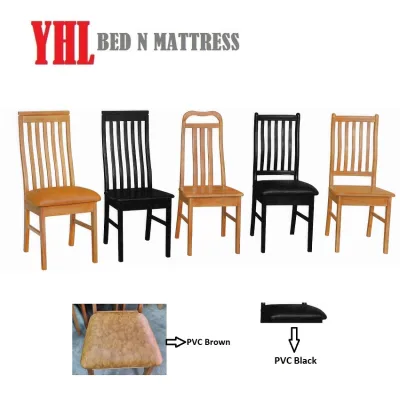
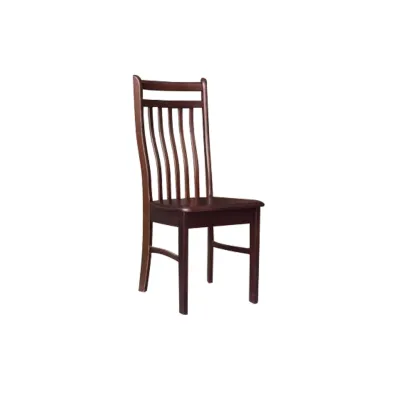
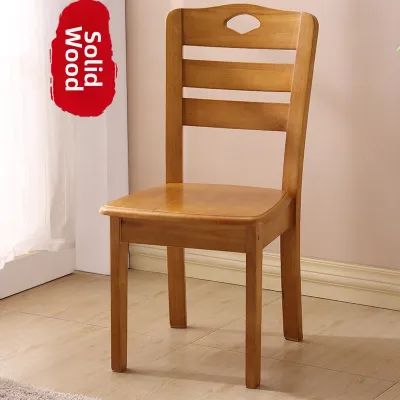
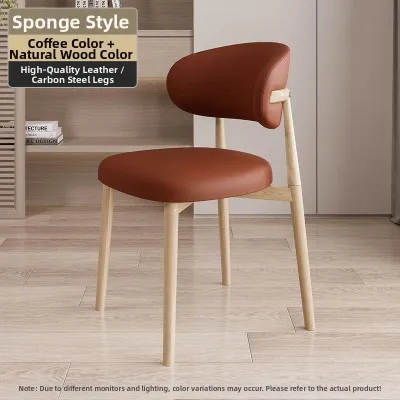
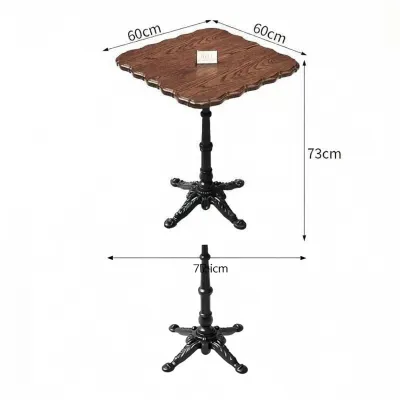
Prices are valid at publication and may change. Please refer to the product page for the latest price.
Next, evaluate the existing color palettes and material textures in the room. Take note of the flooring material, wall colors, and any prominent textiles like curtains or area rugs. A dining room with cool gray tiled floors and white walls will interact differently with wood tones than a space featuring warm parquet flooring or textured wallpaper.
Lighting plays a critical role in how wood finishes appear in your home. Observe both the natural light entering through windows and the artificial light emitted by your dining fixtures. Warm, yellow lighting can make medium wood tones look redder, while cool, white light can make light-colored woods appear washed out. Checking how different finishes react to your specific lighting conditions prevents unexpected color clashes after delivery.
Finally, identify the overarching design theme that your home currently embodies. Whether your space leans toward a modern, minimalist aesthetic or a more ornate, traditional feel, your dining chairs should respect this established direction. Recognizing these foundational elements ensures that your new seating choices support, rather than compete with, the existing decor.
Wood Dining Chair Styles for Scandinavian and Minimalist Themes
Scandinavian and minimalist interiors prioritize simplicity, functionality, and a deep connection to natural elements. When selecting a wood dining chair for these spaces, focus on light-colored woods such as ash, beech, or light oak finishes. These wood species help maintain a bright, airy atmosphere, which is particularly beneficial in compact dining areas.

Look for chairs that feature streamlined silhouettes and smooth, unadorned surfaces. The beauty of a minimalist chair lies in its clean lines and functional joinery rather than applied ornamentation. Designs that showcase exposed mortise-and-tenon joints or subtle curves in the backrest emphasize craftsmanship without adding visual clutter to the room.
The visual weight of the chair is another crucial factor to consider. Minimalist spaces thrive on a sense of openness, so chairs with slender legs and open backrests are highly suitable. These designs allow light to pass through, preventing the dining set from looking overly dense or heavy in a low-profile setting.
Ensure the chair’s overall profile balances well with your dining table and surrounding textiles. If your table features a thin tabletop and delicate legs, pair it with chairs of a similar scale. Neutral seat cushions in linen, wool, or light gray tones can be added to introduce soft textures while remaining faithful to the minimalist color palette.
Wood Dining Chair Styles for Mid-Century Modern and Retro Themes
Mid-century modern and retro themes celebrate organic shapes, functional innovation, and a distinct vintage charm. For these interiors, prioritize warm, medium-to-dark wood tones such as walnut or teak finishes. These woods feature rich, visible grain patterns that add depth and character to the dining space.
Identify signature structural features that define mid-century design, such as tapered legs, splayed angles, and molded plywood curves. A classic mid-century wood dining chair often incorporates a curved backrest that cradles the sitter, supported by legs that angle outward. These dynamic angles create a sense of movement and artistic flair.
When integrating new chairs into a retro-themed room, verify that the wood tones harmonize with your existing vintage furniture. You do not need an exact match, but the undertones should complement each other. For instance, pairing a warm walnut table with teak chairs of a similar warm undertone creates a cohesive, curated look rather than a mismatched one.
Pay attention to the integration of materials if the chairs feature upholstery. Mid-century modern styles frequently pair rich wood frames with textured fabrics in earthy tones, muted pastels, or bold geometric patterns. Choosing a fabric that mirrors the accent colors in your living or dining area helps tie the entire open-plan space together.
Wood Dining Chair Styles for Industrial and Rustic Themes
Industrial and rustic themes embrace raw, utilitarian, and weathered aesthetics that celebrate imperfection. For these spaces, select wood dining chairs with distressed finishes, reclaimed wood appearances, or dark, matte-stained surfaces. These finishes highlight the natural knots, grain variations, and rugged character of the wood.
Consider designs that incorporate mixed materials, which are a hallmark of industrial style. A solid wood seat paired with a matte black, gunmetal, or distressed steel frame offers an excellent balance of warmth and structural rigidity. The contrast between the organic wood grain and the cold metal elements creates a compelling visual tension.
Ensure the rugged texture of the chairs aligns with the architectural features of your dining room. If your space features exposed brick walls, concrete flooring, or visible ceiling beams, sturdy and substantial wooden chairs will feel right at home. Avoid highly polished or delicate chairs, as they can easily look out of place against such raw backdrops.
For a more rustic or farmhouse feel, look for classic wooden designs like Windsor chairs or ladder-back chairs with a matte or low-sheen finish. These styles evoke a sense of heritage and simple craftsmanship. Their sturdy construction and timeless appeal make them highly practical for daily family gatherings.
Wood Dining Chair Styles for Traditional and Classic Themes
Traditional and classic dining rooms call for elegance, symmetry, and refined craftsmanship. When shopping for these formal spaces, opt for rich, dark hardwoods or finishes such as mahogany, cherry, or dark walnut. These woods are often finished with a polished or satin sheen that reflects light beautifully and enhances the wood’s natural depth.
Look for classic detailing that defines traditional furniture design. Features such as turned legs, carved backrests, scrollwork, and cabriole legs add a sense of history and sophistication. A chair with an intricate splat-back or a classic shield-back design serves as a beautiful focal point around a formal dining table.
Upholstered seats are highly common in traditional dining chairs, providing both comfort and an opportunity to introduce luxurious fabrics. Damask, brocade, velvet, or high-quality leather upholstery in deep, classic tones can elevate the formality of the room. Ensure the fabric choice complements your window treatments and dining room rugs.
Finally, assess whether the chair’s formal profile matches the scale and grandeur of the room. Traditional chairs tend to have higher backrests and wider seats, which require a spacious dining room to avoid feeling cramped. Ensure the scale of the chairs aligns with architectural details like crown moldings, wainscoting, and large light fixtures.
Key Measurements and Practical Checks Before Buying
Before finalizing your purchase based on style alone, you must perform several practical checks to ensure the chairs are functional and comfortable. Start by measuring the vertical clearance between the underside of your dining table and the top of the chair seat. A comfortable gap is essential for legroom, allowing users to sit comfortably without their thighs pressing against the table frame.
Next, calculate the horizontal spacing of the chairs along the sides of your table. Measure the width of the chairs at their widest point, and ensure there is sufficient space between adjacent seats for guests to move their arms freely. Don’t forget to account for the space occupied by the table legs, which can restrict where chairs can be tucked in.
For homes in high-rise apartments or condominiums, such as those commonly found in Singapore, verify that the packaged or fully assembled chairs can easily fit through your building’s elevators, corridors, and doorways. Large, fully assembled traditional chairs can be difficult to maneuver through tight spaces, so checking these dimensions beforehand prevents delivery day complications.
Inspect the structural integrity and construction details of the chairs. Look for sturdy joint construction, such as mortise-and-tenon joints reinforced with corner blocks, rather than simple glued or screwed joints. Always verify the manufacturer’s specified weight capacity and stability guidelines to ensure the chairs are safe for long-term daily use.
Mixing and Matching Wood Tones Safely
You do not need to match your dining chairs perfectly to your dining table’s wood species. In fact, mixing different wood tones can add layers of visual interest and prevent your dining area from looking flat or showroom-stiff. The key to successful mixing lies in identifying and matching the underlying undertones of the woods.
Determine whether your primary wood pieces have warm, cool, or neutral undertones. Warm woods like cherry, teak, and warm oak have yellow, orange, or red undertones, while cool woods might feature grayish or desaturated tones. Keeping the undertones consistent across different wood species creates a subtle, harmonious connection even if the colors themselves vary.
Use deliberate contrast to create visual separation and depth in the room. For example, pairing a dark espresso-stained dining table with light ash or oak chairs prevents the furniture from blending into a single dark mass. This contrast highlights the unique silhouettes of the chairs and makes the dining set more visually dynamic.
To keep the space looking organized rather than chaotic, limit your selection to two or three distinct wood finishes within the same room. Introducing too many different wood grains and colors can create visual noise that distracts from the overall design. If possible, request physical wood samples from the retailer or review their return policy so you can test how the chair’s finish looks alongside your table in your home’s unique lighting.
Frequently Asked Questions (FAQ)
Can I mix different wood dining chair styles around one table?
Yes, mixing different chair styles can create an appealing, eclectic look if executed with a unifying element. To keep the arrangement cohesive, ensure the chairs share a common thread, such as matching wood undertones, identical seat cushion fabrics, or a consistent color palette. For instance, you might use different chair designs but paint them all the same matte color, or keep the natural wood finishes similar while varying the shapes.
Another effective strategy is to place a matching pair of heavier, more ornate host chairs at the heads of the table, while using simpler, streamlined side chairs along the flanks. This layout establishes a clear visual hierarchy and balance, making the eclectic mix feel intentional rather than accidental.
How do I protect wood dining chairs in a humid climate like Singapore?
In humid tropical environments like Singapore, wood furniture requires specific care to prevent warping, cracking, or mold growth. Maintain a stable indoor environment by keeping your dining area well-ventilated and avoiding placing wooden chairs in direct sunlight or directly under the cold draft of an air-conditioning unit. Rapid fluctuations in temperature and humidity can cause wood to expand and contract, leading to joint damage over time.
Always refer to the manufacturer’s specific care labels and instructions for cleaning. Use a soft, dry, or slightly damp microfiber cloth to dust the chairs regularly, and avoid harsh chemical cleaners that can strip away the protective finish. If the manufacturer recommends it, apply a suitable wood conditioner or wax periodically to help seal the surface against moisture.
Finally, make it a habit to wipe up liquid spills immediately. Standing water or condensation from cold drinks can quickly penetrate the wood grain, leaving unsightly white rings or causing the wood fibers to swell. Using coasters and placemats during meals provides an extra layer of protection for your wooden dining set.

Community discussion
Share your experience or ask a question. Comments are reviewed before publication.