
Selecting the right tall chair for a Singapore home requires balancing aesthetic harmony with the physical constraints of modern residential layouts. Whether furnishing a compact HDB kitchen island, a condominium breakfast bar, or a dedicated home bar, the ideal style must integrate seamlessly with your interior theme while respecting the spatial limits of your floor plan. By matching the structural design, materials, and visual weight of your seating to your existing decor, you can create a cohesive look that enhances both functionality and comfort.
Essential Space and Height Checks Before Choosing a Tall Chair
Understanding the critical distinction between counter height and bar height is the first step toward a comfortable seating arrangement. Standard kitchen counters in Singapore typically stand around 85 to 90 centimeters high, requiring a tall chair with a seat height of approximately 60 to 65 centimeters. In contrast, bar-height counters or high tables usually measure around 100 to 105 centimeters, which demands a taller seat height of about 75 to 80 centimeters. Choosing the wrong height category leads to immediate discomfort, making it essential to measure your specific counter before browsing styles.
Ergonomics depend heavily on knee clearance and legroom. A comfortable seating position requires a gap of roughly 25 to 30 centimeters between the top of the chair seat and the underside of the counter. This space allows users to cross their legs comfortably and slide the chair forward without their thighs pressing against the counter structure. Additionally, check the placement of the footrest; a well-positioned footrest supports the feet naturally, reducing pressure on the back of the thighs and preventing leg fatigue during longer sitting sessions.
Products mentioned in this guide
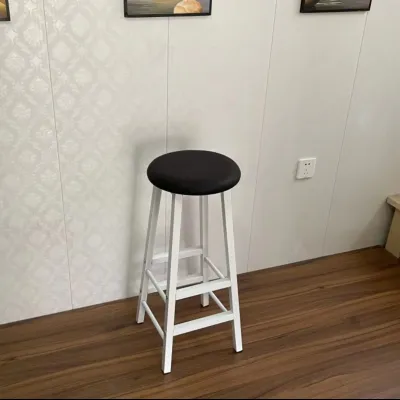
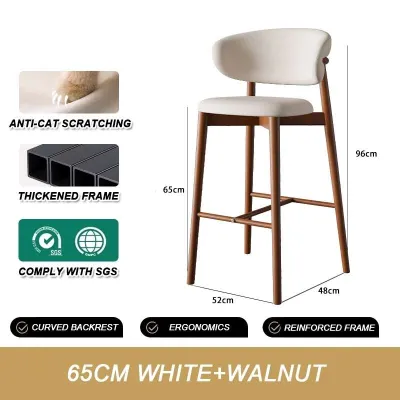
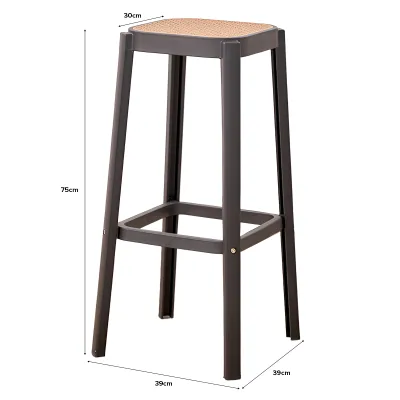
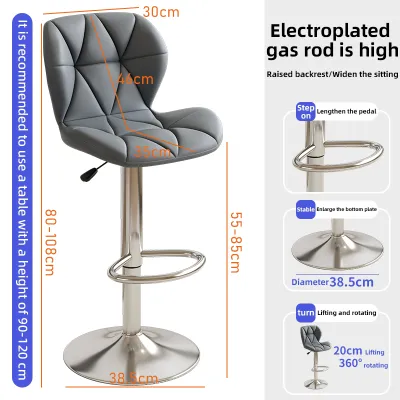
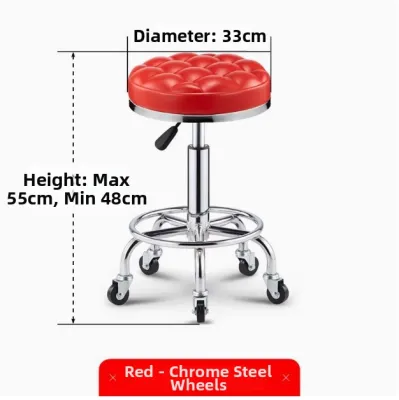
Prices are valid at publication and may change. Please refer to the product page for the latest price.
Aisle width and pull-out space are vital for maintaining smooth traffic flow in Singapore’s often compact kitchen layouts. To allow a person to pull out a tall chair, sit down, and rise comfortably, you need to allocate at least 90 centimeters of clearance behind the counter. If the area behind the seating serves as a primary walkway, increase this clearance to 110 or 120 centimeters to prevent collisions and ensure that family members can pass unobstructed while the chairs are in use.
Scandinavian Style: Light Woods and Clean Lines for Bright Spaces
Scandinavian design remains a popular choice in Singapore for its ability to make smaller spaces feel bright, airy, and connected to nature. Tall chairs in this style typically feature light-toned wood finishes, such as oak, ash, or beech, which reflect natural light and pair beautifully with white or pastel walls. The profiles are streamlined and tapered, avoiding bulky frames to maintain a sense of visual lightness that keeps the kitchen or dining area looking spacious.

When selecting wooden tall chairs, do not assume durability based solely on the species of wood. Instead, inspect the joints and surface treatments specified by the manufacturer. Look for mortise-and-tenon joinery or reinforced corner blocks, which offer enhanced structural integrity compared to simple glued or screwed joints. The finish should be a durable, water-resistant matte polyurethane or protective lacquer that shields the wood from spills, humidity, and daily wear without masking the natural grain.
Color palettes for Scandinavian seating favor neutral tones, soft grays, and muted blues or greens. If you prefer upholstered seats, look for removable and washable fabric covers or high-quality synthetic blends that resist staining. Removable covers are particularly practical for kitchen environments, allowing you to maintain a clean, fresh aesthetic even with daily exposure to cooking oils, food spills, and high humidity.
To protect your flooring, check that the wooden legs are fitted with soft felt pads or non-marking glides. Wooden legs sliding across luxury vinyl tiles or parquet flooring can cause micro-scratches over time if left unprotected. Regularly inspecting and replacing these small protective pads ensures your floors remain pristine while keeping the chair movement quiet and smooth.
Industrial Style: Metal Frames and Raw Finishes for Urban Lofts
Industrial style brings a bold, utilitarian character to modern homes, combining raw materials with structural honesty. Tall chairs in this category often feature robust metal frames finished in matte black, gunmetal, or brushed steel. These dark, structured lines create a striking contrast against concrete screed, brick feature walls, or dark wood countertops, making them a popular choice for urban loft aesthetics.
While metal frames are inherently strong, it is crucial to verify their structural stability and weight distribution. Look for chairs with a wider base footprint or flared legs, which lower the center of gravity and prevent tipping when mounting or dismounting. Check the welding points along the frame; clean, continuous welds indicate a higher standard of manufacturing and ensure the chair can withstand daily use without developing structural play or squeaks.
Because Singapore’s tropical climate brings high humidity, ensure the metal frames are treated with a high-quality powder coating or rust-resistant finish. Untreated metal can corrode or rust over time, especially in kitchens where steam and moisture are common. A durable powder-coated finish not only prevents rust but also makes the frame much easier to clean with a simple damp cloth.
Seat materials in industrial designs often incorporate treated leather, faux leather, or distressed solid wood. Because these materials are exposed to kitchen grease and spills, review the manufacturer’s care instructions carefully. Leather seats should be treated with protective sealants, while distressed wood requires a smooth, sealed topcoat to prevent splinters and make wiping down easy. Additionally, ensure the legs are fitted with high-quality non-marking rubber or felt floor protectors to prevent the heavy metal frames from scratching delicate vinyl, parquet, or tiled flooring.
Modern Minimalist: Sleek Profiles and Neutral Tones for Clutter-Free Homes
Modern minimalist interiors prioritize simplicity, clean lines, and the elimination of unnecessary visual noise. Tall chairs designed for these spaces feature highly sleek profiles, often utilizing monochromatic color schemes like matte black, stark white, or deep charcoal. The goal is to have the seating blend seamlessly into the kitchen island or bar counter, maintaining uninterrupted sightlines across the open-plan living area.
The choice of base design significantly impacts both the visual footprint and the stability of the chair. Pedestal bases with a single central column offer a highly clean, architectural look and maximize legroom, but they require a heavy, well-balanced base plate to ensure stability. Traditional four-legged minimalist chairs distribute weight more evenly but occupy more physical floor space; look for ultra-slim metal or composite legs that provide the necessary strength without adding visual bulk.
For exceptionally tight spaces, consider minimalist chairs made from transparent acrylic or molded polycarbonate. These materials offer “invisible” seating that allows light to pass through completely, making a small kitchen feel significantly larger. If choosing molded plastic or acrylic, verify that the material is UV-stabilized, especially if your kitchen island sits near a sunny balcony or window where prolonged sun exposure could cause yellowing or brittleness.
To maintain a clean aesthetic, minimalist chairs often conceal their functional hardware. When reviewing product specifications, check for hidden gas-lift adjustment mechanisms, integrated swivel functions, or concealed assembly screws. High-quality minimalist designs hide these components within the frame or under the seat shell, ensuring that the chair’s pure geometric form remains uninterrupted from every viewing angle.
Japandi and Muji Themes: Warm Textures and Low Contrast for Calming Interiors
Japandi and Muji-inspired themes combine the functional minimalism of Scandinavian design with the warm, rustic warmth of traditional Japanese aesthetics. This style relies on low-contrast color schemes, soft organic textures, and natural materials to create a calming, meditative atmosphere. Tall chairs matching this theme often feature curved wooden backrests, paper cord weaving, or textured fabric seats in warm beige, oatmeal, or soft terracotta.
If you choose a tall chair with woven elements, such as rattan or paper cord, it is essential to verify the tightness and quality of the weave. Loose or uneven weaving can snag clothing and wear out prematurely under daily use. Check the manufacturer’s care labels to ensure the woven material is treated for moisture resistance, as Singapore’s humid climate can encourage mold growth if natural fibers are left completely untreated and exposed to kitchen steam.
Upholstery in Japandi spaces typically favors natural linen or cotton-blend fabrics that offer a highly tactile experience. Since these natural fibers are prone to staining, check if the fabric has been treated with a soil-resistant or water-repellent coating. If not, consider applying a fabric protector spray yourself, following the manufacturer’s guidelines, to safeguard the light-colored upholstery from accidental coffee or food spills.
Balancing visual warmth with structural rigidity is key in Japandi interiors. While delicate, slender frames look beautiful, they must still support daily use safely. Always check the manufacturer’s stated weight capacity limits and look for subtle structural reinforcements, such as low-profile stretchers between the legs. These stretchers not only reinforce the frame but also serve as practical footrests, combining form and function in true Japandi fashion.
Final Safety and Delivery Checks Before You Buy
Before finalizing your purchase, verify the safety certifications and structural limits of your chosen tall chairs. Check the manufacturer’s specifications for maximum weight capacities, which typically range from 100 to 150 kilograms. Look for stability testing labels or compliance with international furniture standards, which indicate that the chair design has undergone rigorous testing to resist tipping and structural failure under normal use conditions.
Delivery logistics are a critical but often overlooked step, especially for fully assembled tall chairs or bulkier designs. Measure the clear width and height of your home’s entryways, main doors, elevator doors, and any tight corridor corners. In Singapore, older HDB lifts or narrow condominium corridors can present tight turning radiuses; ensure the packaged dimensions of the chairs can navigate these spaces safely without damaging the walls or the furniture itself.
Finally, establish clear stopping conditions during the assembly process if you choose a flat-pack option. If you encounter missing hardware, misaligned pre-drilled holes, or structural components that do not fit together smoothly, halt assembly immediately. Forcing parts together can compromise the structural integrity of the chair, leading to instability or sudden failure. In such cases, contact the manufacturer or hire a qualified professional assembly service to help ensure the chair is assembled securely.
Frequently Asked Questions (FAQ)
How do I measure my counter for the correct tall chair height?
To find the ideal chair height, start by measuring the distance from the floor to the underside of your counter or island surface. Use a metal measuring tape for accuracy, and measure at multiple points along the counter to account for any uneven flooring. Once you have this measurement, subtract 25 to 30 centimeters; this calculated range represents your ideal seat height, ensuring comfortable leg clearance and an ergonomic posture.
Are backless tall chairs practical for daily use?
Backless tall chairs are highly practical for compact Singapore kitchens because they can slide completely under the counter when not in use, keeping walkways clear and maximizing floor space. They are excellent for quick breakfasts, casual coffee breaks, or temporary workspaces. However, for prolonged sitting, such as multi-course dinners or long working sessions, backless designs lack the lumbar support needed to prevent fatigue, making models with supportive backrests a better choice for primary dining areas.

Community discussion
Share your experience or ask a question. Comments are reviewed before publication.