
Selecting the right table leg rubber caps for your Singapore home is a critical step in preserving the longevity of your flooring. Whether your interior features cool ceramic tiles, modern luxury vinyl tiles, or classic timber parquet, each surface interacts differently with furniture weight and movement. Choosing an incompatible cap can lead to unsightly scratches, deep indentations, or stubborn chemical stains that are costly to repair.
By understanding the physical properties of different floor types and matching them with the correct cap specifications, you can ensure your tables remain stable and your floors stay pristine. This guide outlines how to evaluate your flooring needs, decode product specifications, and select the ideal protective caps for your living space, preventing costly floor repairs that can run into hundreds of S$.
Identifying Protection Needs for Tiles, Vinyl, and Parquet
Ceramic and homogeneous tiles are highly durable and scratch-resistant, but they are not completely immune to damage. The primary concern with tiled floors is the grout lines, which create minor height variations across the surface. When a heavy table is dragged across these joints, the sudden impact can chip the edges of the tiles or crack the grout. Additionally, Singapore’s humid climate can cause condensation or dust buildup on tiled surfaces, making them slippery if the table leg rubber lacks sufficient grip.
Products mentioned in this guide
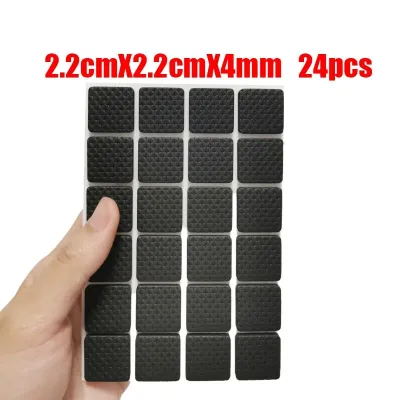
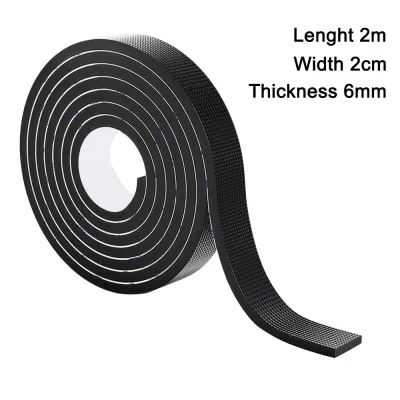
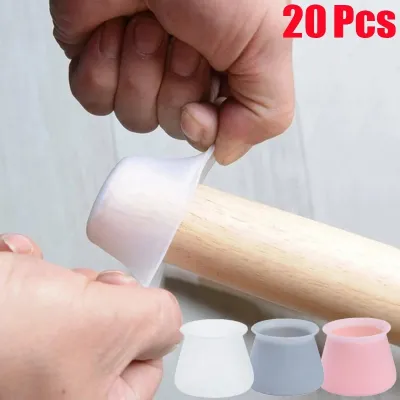
Prices are valid at publication and may change. Please refer to the product page for the latest price.
Luxury vinyl flooring is highly popular in Singaporean apartments due to its water resistance and comfortable underfoot feel. However, vinyl is a resilient flooring material, meaning it can compress under concentrated, heavy loads. If a heavy dining table sits on narrow, unprotected legs, it can leave permanent indentations in the vinyl core. Furthermore, certain low-grade rubber compounds contain plasticizers that chemically react with vinyl, leading to permanent yellowing or dark stains that cannot be washed away.
Solid timber or engineered parquet floors bring natural warmth to a home but are highly susceptible to physical damage. The protective polyurethane or lacquer finish on parquet can easily scratch, dull, or wear away under constant friction from moving chairs and tables. Once the top seal is compromised, moisture from daily mopping or high humidity can penetrate the wood, leading to swelling, warping, or discoloration. Protecting parquet requires a delicate balance of friction reduction and secure placement.
Evaluating Table Leg Rubber Cap Specifications
When shopping for table leg rubber caps, relying solely on the generic term “rubber” is often insufficient. Manufacturers use a wide range of materials, including natural rubber, synthetic elastomers, silicone, and thermoplastic rubber. It is essential to read the product packaging or specifications carefully to look for explicit labels such as “non-marking,” “non-staining,” or “safe for hardwood and vinyl.” These designations indicate that the material has been formulated to avoid chemical migration and surface scuffing.

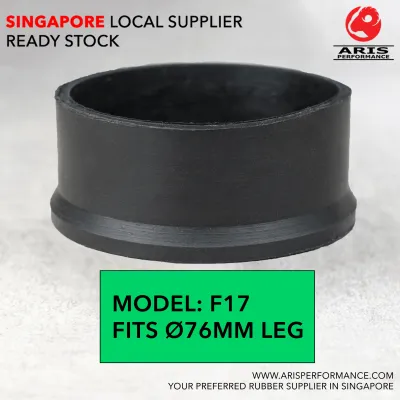
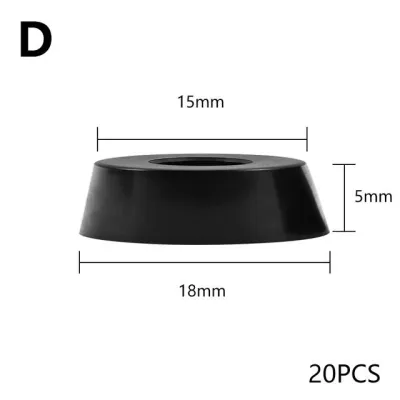
The physical design of the cap’s base plays a vital role in load distribution and stability. A thick, reinforced base prevents the table leg from cutting through the cap over time under heavy loads. Look for bases with a slightly textured pattern if you require slip resistance, or a smooth, rounded edge if the furniture needs to slide occasionally. The diameter of the base should also be slightly wider than the leg itself to distribute the table’s weight over a larger surface area, minimizing pressure points.
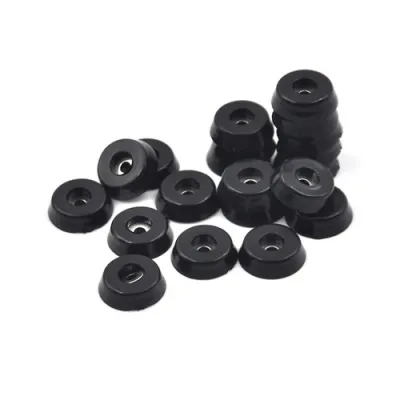
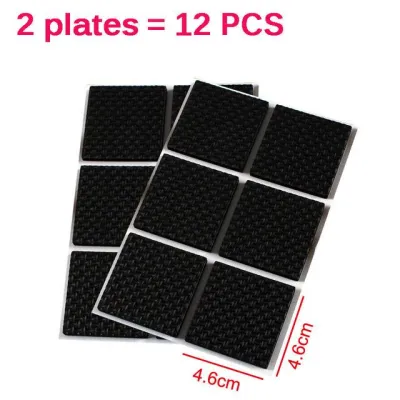
Installation mechanisms generally fall into three categories: slip-on, adhesive, and screw-in. Slip-on caps are highly versatile and easy to install, stretching over round or square legs to provide a snug fit. Adhesive pads or caps offer a low-profile look but can slide out of place if the table is frequently moved. Screw-in or nail-on caps provide the most secure attachment, making them ideal for heavy wooden tables, though they require drilling into the furniture leg and are not suitable for metal or hollow frames.
Matching Caps to Your Specific Floor Type
For tiled floors, the primary goal is to achieve a secure grip while accommodating grout lines. Look for table leg rubber caps made from high-friction synthetic rubber or thermoplastic elastomers. These materials provide excellent traction, preventing the table from sliding when bumped. Choose caps with a slightly flexible, cushioned base that can absorb the minor shock of crossing grout lines without transferring the impact to the tile edges. A textured bottom pattern helps channel away any surface dust or moisture, maintaining a firm grip.
When dealing with vinyl flooring, preventing indentation and chemical staining is paramount. Select caps with a wide, flat bottom design to maximize the contact area and distribute the table’s weight evenly. It is critical to verify that the caps are made from non-staining materials, such as high-grade silicone or specially formulated thermoplastic rubber. Avoid cheap, dark-colored industrial rubber caps, as these are highly likely to leach oils that cause permanent yellowing on light-colored vinyl planks.
Parquet floors require a gentle touch to preserve their delicate wood grain and protective finish. The ideal cap for parquet should have a smooth, non-abrasive bottom surface. While pure rubber provides excellent grip, it can sometimes create too much friction, causing the cap to drag and scuff the wood finish when the table is moved. For tables that are moved frequently, consider hybrid caps that feature a rubber body for a secure fit on the leg, paired with a smooth, integrated felt or Teflon base that glides gently across the timber without trapping abrasive particles.
Installation Checks and Ongoing Maintenance
Proper installation is just as important as selecting the right cap. Before fitting any rubber cap, thoroughly clean and dry the bottom of the table legs. Any trapped dust, sand, or grit will act like sandpaper under the weight of the table, grinding into your floor every time the furniture shifts. Ensure the leg is completely dry, especially if you are using adhesive-backed caps, as moisture will compromise the bond and cause the cap to slide off prematurely.
Establish a regular maintenance schedule to inspect the condition of your table leg caps. Over months of use, the constant pressure can cause rubber to flatten, crack, or tear, allowing the hard table leg to make direct contact with the floor. Check for signs of adhesive degradation or dust accumulation under the caps. In Singapore’s humid climate, dust and pet hair can easily stick to the edges of rubber caps, creating an abrasive layer that must be wiped clean periodically.
When it comes time to replace worn-out caps, follow the manufacturer’s instructions for safe removal to protect your flooring. For adhesive caps, gently warm the adhesive with a hairdryer on a low setting to soften the glue before pulling the cap away. Avoid using sharp metal tools or harsh chemical solvents that can strip the protective lacquer off parquet or dissolve the wear layer of your vinyl flooring.
Frequently Asked Questions (FAQ)
Can I use the same rubber caps for all floor types in my home?
While it is tempting to buy a single bulk pack of rubber caps for the entire house, doing so can compromise floor protection. A cap designed for high grip on hard tiles may have too much friction for parquet, leading to scuffing or tearing when furniture is moved. Conversely, a smooth-gliding cap suitable for wood might cause a table to slide too easily on slick tiles. Always check the manufacturer’s compatibility guidelines and test a single cap in an inconspicuous corner before committing to the entire room.
How do I remove adhesive residue left by old table leg caps?
Removing stubborn adhesive residue requires a gentle approach to avoid damaging sensitive floor finishes. Start by applying a small amount of warm, soapy water to a microfiber cloth and rubbing the area gently. For tougher residue on vinyl or parquet, use a manufacturer-approved adhesive remover formulated specifically for residential flooring. Never use harsh solvents like acetone or paint thinner, and avoid metal scrapers or abrasive scrubbing pads, as these will permanently scratch or discolor the surface.
Do heavier tables require screw-in caps instead of slip-on ones?
Heavy tables exert significant downward and lateral force, which can cause slip-on or adhesive caps to deform, slide off, or wear through quickly. If your table is exceptionally heavy and frequently moved, screw-in caps offer a much more stable and durable solution, provided the table legs are made of solid wood. Always check the manufacturer’s stated load capacity for the caps. For heavy tables that remain stationary, wide slip-on caps with reinforced bases are often sufficient and eliminate the need to drill into the furniture.

Community discussion
Share your experience or ask a question. Comments are reviewed before publication.