
Selecting the right chair leg protector is essential for preserving the condition of your home’s flooring. Different surfaces require specific materials and attachment methods to prevent scratches, reduce noise, and ensure the protectors remain securely in place. By matching the protector to the unique characteristics of your floor, you can avoid costly surface repairs and keep your furniture moving smoothly.
In Singapore homes, flooring choices often vary by room, with durable homogeneous tiles in kitchens, luxury vinyl tiles in living areas, and natural parquet in bedrooms. Each of these materials interacts differently with pressure, friction, and moisture. Understanding these interactions is the first step toward choosing a protector that offers lasting defense without slipping off or damaging the furniture legs.
Identifying Floor Surface Characteristics
Homogeneous, ceramic, and porcelain tiles are highly durable and resistant to moisture, but they are not immune to damage. Heavy furniture can cause chipping or cracking if dropped heavily, especially if there are minor voids in the adhesive bed beneath the tile. Additionally, prominent grout lines create an uneven surface that can snag chair legs, causing vibration and wear on both the chair joints and the protector itself. Highly polished tiles also show fine hairline scratches clearly when grit is dragged across the surface.
Products mentioned in this guide
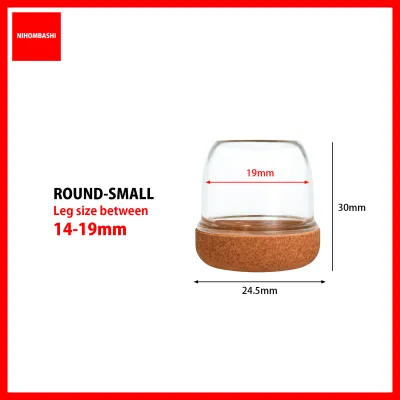
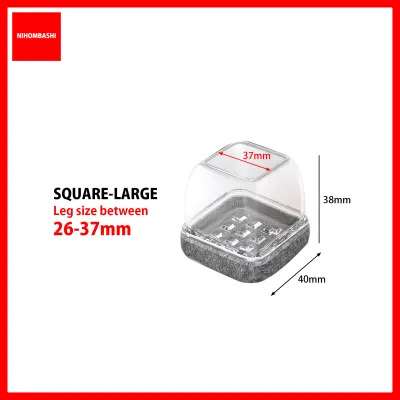
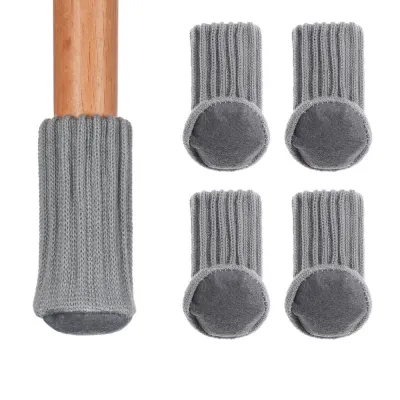
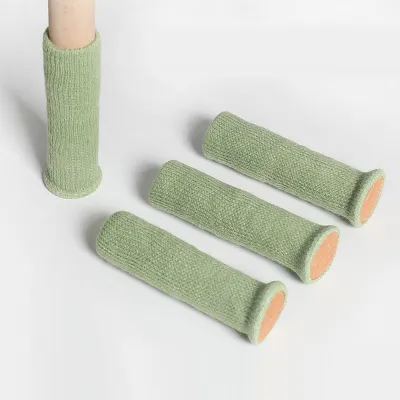
Prices are valid at publication and may change. Please refer to the product page for the latest price.
Vinyl flooring, including luxury vinyl tiles (LVT) and stone plastic composite (SPC) planks, offers a slightly softer, more resilient feel underfoot. However, this flexibility makes vinyl susceptible to permanent indentation from concentrated, heavy loads. The protective wear layer on vinyl can also be gradually worn down by abrasive dirt, leading to dull patches. Because vinyl is often installed as a floating floor, excessive lateral friction from sticky chair legs can put unnecessary stress on the plank joints.
Parquet and solid timber floors are the most sensitive to physical impact and environmental changes. Natural wood finishes, whether polyurethane, lacquer, or oil, scratch easily when subjected to friction. Fine sand and dust particles act like sandpaper under pressure, quickly eroding the protective coating and exposing the raw wood beneath. Once the finish is compromised, the wood becomes highly vulnerable to moisture, which can cause warping, cupping, and deep discoloration that is difficult to repair without professional sanding.
Selecting Protector Materials by Floor Type
Felt pads are highly suitable for smooth parquet and polished tile surfaces. High-density synthetic or wool felt allows chairs to glide silently and effortlessly, minimizing friction on delicate wood grains. When choosing felt, check the density and thickness; thin, soft felt compresses quickly and loses its cushioning ability. Avoid using felt pads in high-moisture zones like kitchens or near open balconies, as wet felt traps water against the floor, leading to adhesive failure, mold growth, or wood rot.

Silicone and rubber caps are excellent choices for vinyl and polished tiles where controlled grip is preferred. These materials provide natural traction, preventing chairs from sliding too easily when a person sits down, which enhances safety. When selecting rubber or silicone, verify that the product is labeled as non-marking. Low-quality, dark rubber can leave stubborn scuff marks on light-colored vinyl or tile grout that are incredibly difficult to clean without harsh chemicals.
Hard plastic glides are designed primarily for carpeted floors, allowing the chair legs to slide over dense fibers without snagging. However, you should strictly avoid using hard plastic glides on delicate parquet or vinyl finishes. Any tiny grain of sand trapped between a hard plastic glide and a hard floor surface will be pressed down with immense force, gouging deep, permanent scratches into the floor finish as the chair moves.
Evaluating Attachment Methods for Durability
Self-adhesive pads are popular because they are inexpensive and simple to install. However, their durability depends heavily on proper surface preparation. Before applying the pad, you must sand the bottom of the chair leg lightly to remove old wax or dirt, then clean it thoroughly with isopropyl alcohol. In humid climates like Singapore, high ambient humidity can degrade standard adhesives over time, causing the pads to shift off-center and leave a sticky, dirt-attracting residue on your floor.
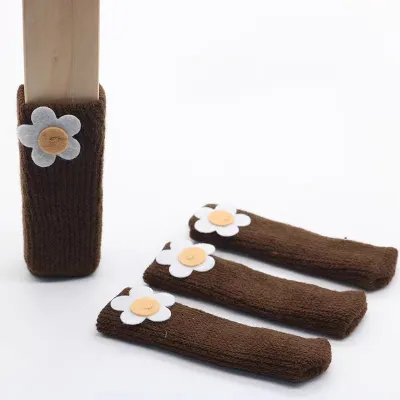
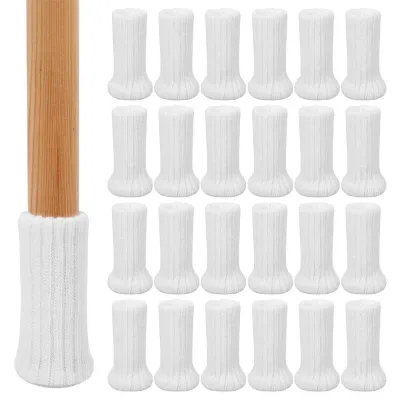
Slip-on caps feature flexible silicone or elastomer sleeves that stretch over the bottom of the chair leg. This design does not rely solely on adhesive, making it highly durable for daily use. To ensure the caps stay in place, you must measure the chair legs precisely to achieve a snug fit. If the cap is too loose, it will wobble and slide off when the chair is lifted; if it is too tight, the silicone may tear under the stress of movement.
Nail-on or screw-on protectors offer the most secure mechanical attachment, making them ideal for heavy wooden dining chairs. Before installing these, verify that the chair legs are made of solid wood rather than hollow metal, plastic, or thin laminate, which could split during installation. It is crucial to check these protectors regularly; if the felt or plastic pad wears down completely, the exposed metal screw or nail will make direct contact with your floor, causing severe gouging.
Measuring Chair Legs for a Precise Fit
To measure round chair legs, use a ruler or caliper to find the exact diameter of the flat bottom surface. For square or rectangular legs, measure both the width and the length of the base. Do not assume that the top of the leg is the same size as the bottom, as many modern chairs feature tapered designs that narrow toward the floor.
Angled or flared chair legs require special consideration because they do not meet the floor at a flat ninety-degree angle. Standard flat adhesive pads applied to angled legs will wear down rapidly on one edge, exposing the hard wood or metal of the leg. For these chairs, look for flexible ball-joint glides or angled slip-on caps that adjust to the slope of the leg, ensuring the protector remains flat against the floor surface.
When purchasing protectors, avoid relying on generic size categories like small, medium, or large, as these dimensions vary significantly between manufacturers. Always cross-reference your precise millimeter measurements with the manufacturer’s detailed sizing chart. Choosing a protector that is even two millimeters too large can cause slip-on caps to fall off, while a protector that is too small will fail to cover the edges of the leg.
Inspecting and Maintaining Floor Protectors
Establish a routine to inspect the bottom of your chair legs every few months. Look closely for signs of thinning felt, cracked silicone, or loose screws. Felt pads are particularly prone to trapping dust, pet hair, and outdoor grit. When these particles become embedded in the felt, they turn the pad into an abrasive surface that will scratch vinyl and parquet floors every time the chair is moved.
Check for adhesive failure or shifting pads immediately if you notice a sticky residue on the floor or if a chair begins to make a scraping noise. If a pad has slid off-center, remove it, clean the adhesive residue from the chair leg using a mild solvent, and apply a fresh protector. Allowing a bare wood or metal leg to scrape against the floor for even a single day can cause deep scratches that require professional restoration.
To extend the lifespan of your floor protectors, vacuum the bottoms of the chair legs regularly using a soft brush attachment to remove loose dust and hair. For silicone or rubber caps, wipe them down with a damp microfiber cloth to remove accumulated grime. Avoid using wet mops directly over felt pads, and ensure the floor is completely dry after cleaning before sliding chairs back into place.
Frequently Asked Questions (FAQ)
Can I use felt pads on vinyl flooring?
Yes, felt pads can be used on vinyl flooring, but they may not always provide the best stability. Because felt has very low friction, chairs can slide too easily on smooth vinyl surfaces, which might cause the chair to slip backward unexpectedly when you sit down. For vinyl floors, silicone caps with integrated felt bottoms or non-marking rubber protectors are often preferred, as they offer a secure grip on the chair leg while providing controlled, safe sliding on the floor.
How do I safely remove adhesive residue from parquet floors?
To remove sticky adhesive residue from parquet without damaging the sensitive wood finish, avoid using metal scrapers, steel wool, or harsh chemicals like acetone. Instead, apply a small amount of a gentle, wood-safe mineral oil or a dedicated adhesive remover formulated specifically for finished timber. Test the product on an inconspicuous spot first, such as behind a door or inside a closet. Gently rub the sticky area with a soft microfiber cloth until the residue lifts, then wipe the surface clean with a damp cloth and dry it immediately.
Community discussion
Share your experience or ask a question. Comments are reviewed before publication.