
Finding the right slim stackable drawer width for your HDB flat depends on the specific gap you want to fill, which typically ranges from narrow 15-centimetre appliance gaps to wider 40-centimetre alcoves. Because Singapore homes feature unique structural layouts like household shelters, service yards, and built-in wardrobe recesses, maximizing storage requires a precise match between your physical space and the drawer’s outer frame. Selecting the correct width ensures you utilize every spare centimetre without blocking essential pathways or doors.
How to Measure HDB Storage Gaps and Alcoves Accurately
HDB walls are not always perfectly plumb. When measuring a tight gap, always take width measurements at three distinct points: the top, the middle, and the bottom. Skirting boards at the base of the wall often reduce the actual floor-level width by one to two centimetres, which can prevent a tight-fitting drawer from sliding into place.
Look out for structural imperfections such as uneven plastering, bulging paint, or corner beadings. If your measurements vary across different heights, always use the narrowest dimension as your maximum limit.
Products mentioned in this guide
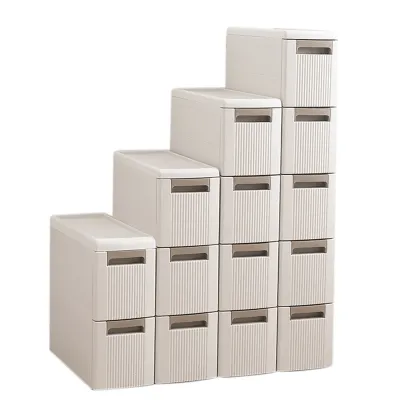
![[Clearance] AEGIS Stackable Slim Drawer Box Storage Box Organiser Desk Riser Drawer Table Organiser Makeup Cosmetic Storage Stacking Drawers](https://img.lazcdn.com/g/p/396523e063000b8a79ecf4a354313dff.png_400x400q80.png_.webp)
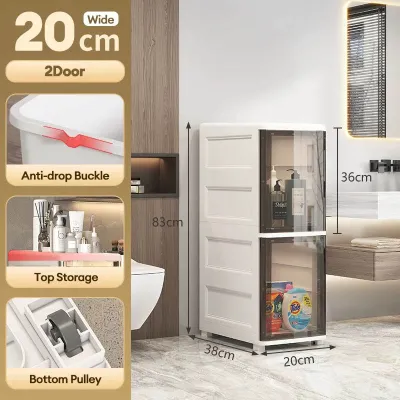
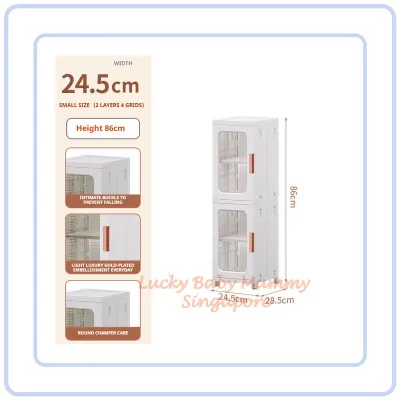
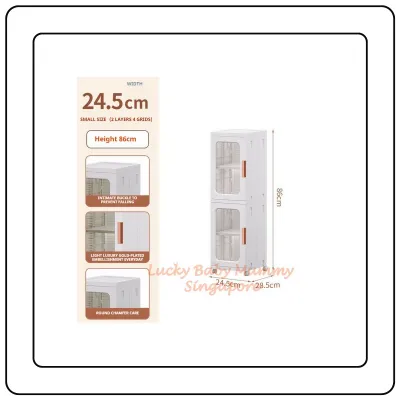
Prices are valid at publication and may change. Please refer to the product page for the latest price.
Protruding fixtures are common obstacles in HDB service yards and kitchens. Take note of wall-mounted power sockets, light switches, water pipes, trunking, and door frames. A drawer unit might physically fit the wall gap but block access to a crucial power point or prevent a nearby cabinet door from opening fully.
Do not forget to measure the depth and height of the alcove. A drawer unit that is too deep will protrude into walkways, creating a tripping hazard in narrow corridors or service yards. Ensure the height of the stacked units does not interfere with wall-mounted water heaters, clothes drying racks, or overhead distribution boards.
Understanding Slim Drawer Width Categories and Space Requirements
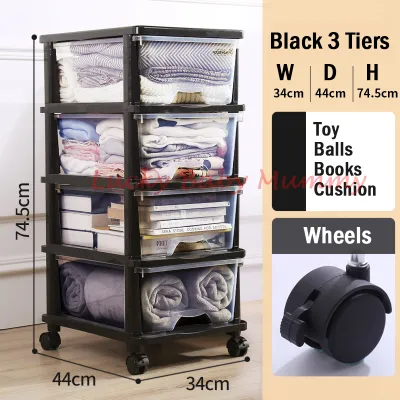
Slim stackable drawers generally fall into distinct width categories designed for specific household niches. The narrowest options, often ranging from 15 to 20 centimetres in width, are engineered specifically for tight appliance gaps. These ultra-slim units fit perfectly in the awkward spaces beside a kitchen refrigerator or a washing machine in the service yard.

Standard slim profiles typically measure between 25 and 40 centimetres in width. These units are highly versatile and suit wider recesses, such as the alcoves next to HDB household shelter doors, bedroom corners, or the gaps beside freestanding wardrobes. They offer a practical balance between space-saving design and usable storage volume.
When browsing options, always verify the manufacturer’s exact exterior dimensions on the product label or specification sheet. The internal storage capacity of a drawer is always smaller than its outer frame due to the thickness of the plastic or wood panels and the drawer runner mechanisms. Relying solely on internal volume descriptions can lead to purchasing a unit that is too wide for your physical gap.
Critical Clearances for Stackable Drawers in Tight Spaces
A drawer needs more than just its exact width to function smoothly. You must allow a small side clearance of at least five millimetres to one centimetre on each side. This gap prevents the drawer frame from rubbing against rough concrete walls or wallpaper, which can cause friction and make opening the drawer difficult.
If the drawer design features external rails or lacks a rigid, self-contained outer frame, side clearance becomes even more critical. Without sufficient breathing room, the sides of the drawer may bow outward slightly when loaded, causing the sliding mechanism to jam.
Consider the clearance required for the drawer to open fully. Factor in the extra depth added by protruding front handles or pull-out stops. When the drawer is fully extended, it should not block adjacent pathways, strike opposite walls, or collide with open doors.
Stacking stability is paramount, especially in high-traffic areas of an HDB flat. Check the stacking mechanism specified by the manufacturer, such as interlocking grooves, secure clips, or flat-top nesting designs. Ensure that stacking multiple units does not compromise the structural integrity or cause the lower drawer frames to warp under the weight.
A Practical Checklist for Matching Your Space to a Drawer
Before finalizing your purchase, compare your measured gap dimensions directly against the product’s listed exterior width, depth, and height. Subtract a safety margin of at least one to two centimetres from your narrowest measurement to ensure easy installation and removal.
Evaluate the material and surface treatment of the drawers based on where they will be placed. For high-humidity environments like HDB service yards, bathrooms, or kitchens, moisture-resistant materials like high-grade plastics are generally more suitable than untreated wood, which can warp or mold over time. Check the manufacturer’s guidelines for weight limits to avoid overloading the drawers.
When ordering from online furniture stores or ecommerce platforms, confirm the return policy and delivery conditions. Ensure the packaged items can easily fit through your HDB front door, narrow corridors, and lift access. Checking these details beforehand prevents the hassle of dealing with bulky, unreturnable items that do not fit your home.
Frequently Asked Questions (FAQ)
Can I stack different widths of slim drawers together?
Stacking drawers of different widths is generally not recommended unless the manufacturer explicitly provides approved adapters or modular nesting systems. Standard stackable drawers rely on matching base dimensions and interlocking grooves to distribute weight evenly. Mixing different widths can cause instability, increase the risk of tipping, and put uneven pressure on the lower drawer frames, which may warp the tracks and prevent the drawers from sliding open smoothly.
Are slim stackable drawers safe to place near household shelter doors?
Yes, but you must strictly adhere to HDB safety regulations. Any furniture placed near a household shelter door must not obstruct the door’s mandatory opening arc or block access to the ventilation sleeves. The door must be able to open fully at all times without hindrance. Always measure the clearance zone carefully and consult current HDB guidelines to ensure your storage setup remains fully compliant and safe.

Community discussion
Share your experience or ask a question. Comments are reviewed before publication.