
Selecting the right round coffee table for a Singapore home involves balancing aesthetic preferences with the practical realities of modern residential layouts. Whether you reside in a compact HDB flat, a suburban condominium, or a spacious landed property, the curved silhouette of a round table offers unique spatial advantages. It softens the sharp angles typical of standard living rooms, enhances foot traffic flow, and creates a natural focal point for social gatherings. Finding the ideal match requires looking beyond individual product photos to evaluate how different design styles, materials, and structural bases interact with your existing interior theme and daily lifestyle.
How to Match Round Coffee Table Styles to Your Living Room
To integrate a round coffee table seamlessly, begin by identifying the dominant design theme and architectural details of your living space. Take note of the existing color palette, the amount of natural light the room receives, and the structural lines of your walls and windows. If your room features prominent linear elements, such as built-in floor-to-ceiling cabinetry or vertical wall fluting, a round table provides an intentional, softening contrast that breaks up visual monotony.
Next, evaluate the design language of your current furniture, focusing specifically on the legs and material finishes of your sofa and armchairs. If your seating features chunky, low-profile bases, a round table with a slender, open frame or tapered legs can prevent the room from feeling overly dense. Conversely, if your sofa stands on tall, thin metal legs, pairing it with a solid, plinth-style round coffee table creates a grounded, balanced composition.
Products mentioned in this guide
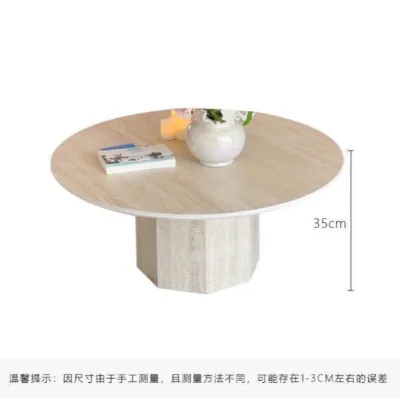
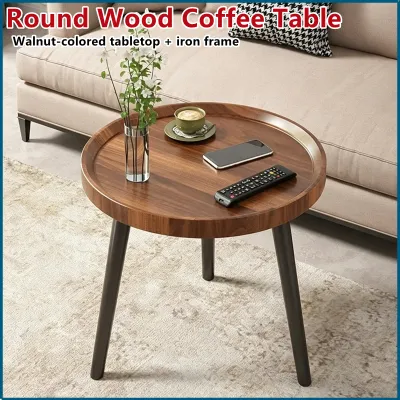
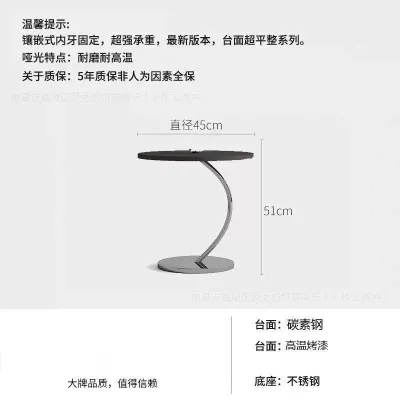
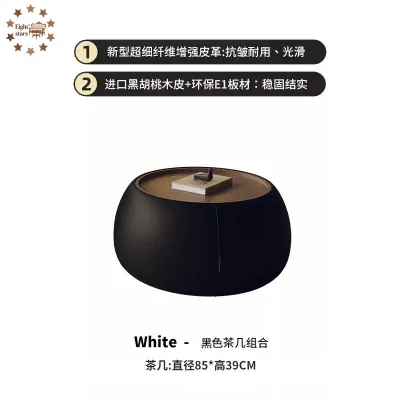
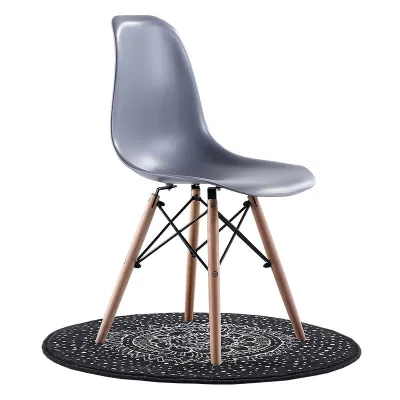
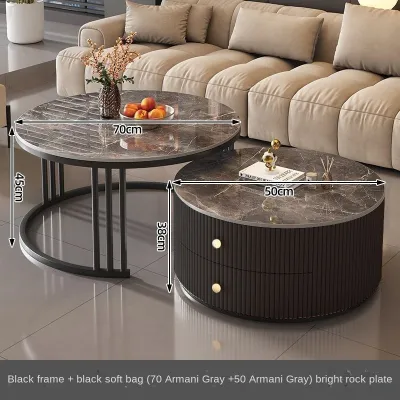
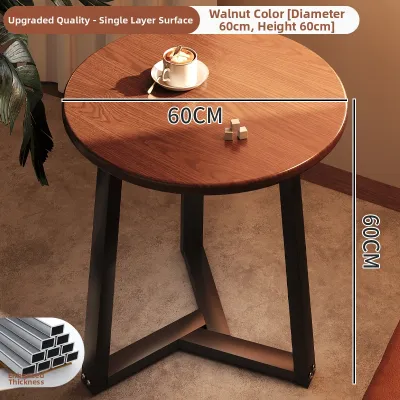
Prices are valid at publication and may change. Please refer to the product page for the latest price.
Visual weight is a critical factor when matching a table to your room’s scale. A solid wooden drum table has a heavy visual footprint, making it suitable as a grounding element in large, airy rooms. In contrast, a table with a glass top and a thin wireframe base has a light visual footprint, allowing sightlines to pass through and making a small living area feel more expansive. Always assess the base design—whether it is a pedestal, tripod, or drum—to ensure it complements, rather than competes with, the surrounding furniture legs.
Popular Round Coffee Table Aesthetics Explained
Understanding the defining characteristics of popular design styles allows you to choose a round coffee table that reinforces your desired home aesthetic. Different styles utilize distinct materials, finishes, and structural forms that interact uniquely with your room’s lighting, textiles, and surrounding decor. By identifying these core traits, you can select a piece that either blends harmoniously with your current setup or serves as a deliberate accent.

Scandinavian and Minimalist Designs
Scandinavian and minimalist round coffee tables are defined by their clean lines, functional simplicity, and close connection to natural elements. These designs typically feature light-toned woods such as oak, ash, or beech, often finished with matte or low-sheen protective coatings that preserve the natural grain. The silhouettes are characterized by slim, tapered legs, unadorned table surfaces, and low profiles that sit comfortably below the knee line.
This aesthetic is highly effective in bright, neutral-toned rooms that maximize natural light. The light wood tones reflect brightness, contributing to an airy, calm atmosphere. For compact apartment layouts common in Singapore, a minimalist round table with an open, three-legged base keeps the floor area visible, which visually expands the room. When styling these tables, keep surface items to a minimum, pairing them with soft, textured textiles like linen or wool throws on nearby seating to add warmth without introducing clutter.
Industrial and Raw Material Looks
Industrial round coffee tables embrace a rugged, utilitarian aesthetic that celebrates raw materials and structural honesty. This style frequently combines dark, powder-coated metals with distressed wood grains, concrete-look composites, or reclaimed timber surfaces. The construction often highlights functional joinery, visible rivets, or heavy metal frames, creating a sturdy and grounded appearance.
Because the industrial look can sometimes feel cold or visually heavy, it is important to balance the table with softer elements in the room. You can soften this aesthetic by placing the table on a plush, textured area rug, or by pairing it with deep, comfortable fabric seating and warm, layered lighting. This style is particularly well-suited for loft-inspired interiors, homes with exposed brick or concrete screed walls, or eclectic living spaces where raw architectural details are celebrated.
Mid-Century Modern and Retro Curves
Mid-Century Modern round coffee tables are celebrated for their nostalgic charm, organic shapes, and warm, inviting tones. This design era is characterized by rich, medium-to-dark wood finishes, with walnut and teak being the most prominent choices. Signature design features include slender, tapered legs—often angled outward in a classic peg style—and organic, sometimes slightly asymmetrical or pebble shaped round tops that evoke a sense of fluid movement.
These tables pair exceptionally well with both vintage-inspired furniture and clean, contemporary seating. The warm wood tones and retro curves introduce character and historical depth to transitional spaces, preventing modern interiors from feeling sterile. To create a cohesive look, match the wood tone of the coffee table to other wooden accents in the room, such as the legs of your sofa, a sideboard, or shelving units, while allowing the table’s organic silhouette to stand out as a sculptural centerpiece.
Contemporary and Transitional Blends
Contemporary and transitional round coffee tables are highly versatile pieces that bridge the gap between traditional elegance and modern simplicity. These designs often utilize sophisticated materials such as tempered glass, engineered stone, polished marble, or high-gloss lacquered finishes. They frequently feature sculptural bases, geometric metal frames, or mixed-material combinations that serve as subtle artistic statements.
The adaptability of transitional designs makes them suitable for a wide range of living environments, from formal entertaining areas to casual family rooms. A contemporary table with a tempered glass top and a polished chrome or brass base adds a touch of sophistication and reflects light beautifully, making it ideal for darker or narrower rooms. Because these designs do not adhere strictly to a single design era, they can easily adapt to evolving tastes, allowing you to update your surrounding decor over time without needing to replace your central coffee table.
Practical Sizing and Clearance Checks
Before finalizing your choice of a round coffee table, it is essential to perform precise spatial and clearance checks to ensure the piece functions comfortably in your daily life. The beauty of a round table lies in its flow, but incorrect sizing can lead to cramped walkways or awkward physical reaches.
First, measure the clearance distance between the edge of your sofa cushions and the outer edge of the coffee table. For comfortable legroom and easy movement, aim for a distance of 35 to 45 centimeters. This spacing provides enough room to walk between the furniture without requiring you to stretch uncomfortably to reach items on the table surface.
Next, compare the overall height of the coffee table to the height of your sofa’s seat cushions. Ideally, the tabletop should sit at the same height as, or slightly lower than (within 5 centimeters), the top of your sofa cushions. A table that is too high can disrupt sightlines and feel imposing, while a table that is too low makes reaching for drinks, books, or remote controls ergonomically awkward.
Finally, do not overlook the logistics of delivery and installation, especially when living in high-rise apartments. Measure all critical building access points before purchasing. This includes checking the height, width, and diagonal clearance of your apartment building’s elevator doors and interior cabin, the turning radius of tight stairwell corners, and the clear opening width of your front entryway. If you are selecting a solid, non-demountable drum or stone table, verifying these dimensions is crucial to prevent delivery failures on arrival day.
Styling and Accessorizing Your Round Table
Once your round coffee table is in place, styling its surface can enhance its design aesthetic while maintaining its daily functionality. The key to styling a circular surface is to work with its shape rather than against it, using curation to prevent the tabletop from becoming a magnet for clutter.
Using a decorative tray is one of the most effective ways to organize a round table. A rectangular or hexagonal tray placed on a circular surface creates an appealing geometric contrast. The tray serves to corral smaller everyday items like remote controls, cookies, coasters, and keys, keeping them organized in one dedicated zone while leaving the rest of the table surface clear for cups or plates.
To create visual interest, vary the heights of the decorative objects you place on the table. You can achieve this by stacking a few large, hardback design books horizontally, then placing a small sculptural object or a low candle on top. Pair this stack with a single, taller element, such as a ceramic vase holding minimal botanical stems. This variation in height guides the eye across the surface dynamically, rather than keeping everything on a single flat plane.
Remember to adjust your surface decor periodically to suit your changing needs or seasons, but always prioritize functional space. Avoid covering more than one-third of the tabletop with decorative items. Maintaining open, usable space ensures that your round coffee table remains a practical, hard-working piece of furniture that supports your daily living room activities.
Frequently Asked Questions (FAQ)
Are round coffee tables better for small living rooms?
Yes, round coffee tables are highly beneficial for small living rooms and compact apartment layouts. The absence of sharp corners allows for smoother traffic flow, making it much easier to navigate tight spaces without the risk of bumping into sharp edges. Visually, the curved lines of a round table create an illusion of openness, as they do not block sightlines in the same rigid way rectangular tables do. When paired with a small sofa, a round table scales proportionally, helping to maximize the usable floor area while maintaining a balanced and inviting layout.
How do I prevent a glass round table from showing fingerprints?
Preventing and managing fingerprints on a glass round coffee table requires a combination of protective habits and regular maintenance. Always check the manufacturer’s care label for approved cleaning solutions, as some glass finishes or underlying frames may require specific care. To minimize direct hand contact with the glass, utilize decorative trays, coasters, and placemats to hold items. Establishing a quick daily dusting routine and using a microfiber cloth with a mild, recommended glass cleaner will keep the surface clear of smudges and maintain its reflective clarity.
Can I mix a round coffee table with square side tables?
Yes, mixing a round coffee table with square or rectangular side tables is an excellent way to add geometric variety and visual interest to your living room. To ensure the combination looks cohesive rather than chaotic, connect the pieces through shared design elements, such as matching wood finishes, similar metal accents, or a consistent color palette. Distribute the visual weight evenly across your seating area by placing the round table centrally and the square tables at the ends of your sofa, ensuring all primary seating positions have convenient, functional access to a surface.

Community discussion
Share your experience or ask a question. Comments are reviewed before publication.