
Finding the perfect marble coffee table requires aligning the stone’s natural characteristics with the existing design elements of your living room. A successful pairing balances the visual weight of the stone, the intensity of its veining, and the design of its base with your room’s color palette, furniture lines, and overall layout. By matching these elements thoughtfully, you can transform a heavy piece of stone into a harmonious centerpiece that elevates your entire living space.
To make the right choice, you must first evaluate your room’s dominant aesthetic, whether it leans toward clean minimalism, classic luxury, rugged industrialism, or organic contemporary design. Each style demands a different approach to marble selection, from the choice of finish to the structure of the supporting frame. Beyond aesthetics, practical considerations like room dimensions, clearance space, and building access will ensure your chosen table fits your lifestyle as beautifully as it fits your decor.
Identify Your Living Room Design Style
Before browsing stone yards or furniture showrooms, take a step back to analyze the design language of your current living room. Observe the dominant lines of your existing furniture, noting whether they are sharp and geometric, softly rounded, or ornately detailed. The existing color palette also plays a critical role; cool neutrals, warm earth tones, or bold accent colors will dictate which marble varieties complement rather than clash with your space.
Products mentioned in this guide
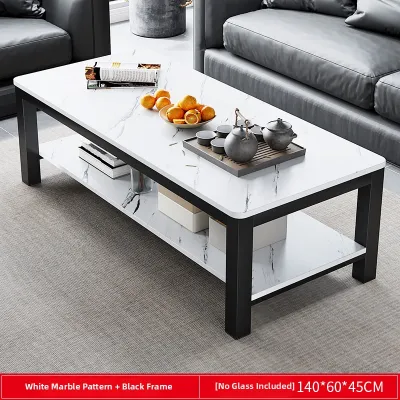

Prices are valid at publication and may change. Please refer to the product page for the latest price.
Textures throughout the room provide essential clues for your table selection. A room filled with soft linens, plush carpets, and light woods suggests a different marble pairing than a space dominated by polished metals, dark leathers, and high-gloss finishes. Take note of the materials that already define your room, as your new table should either echo these textures or provide a deliberate, balanced contrast.
Defining the overall mood and focal points of the room helps determine how dramatic your coffee table should be. In a sparse, quiet room, a highly figured marble table can serve as a striking sculptural centerpiece. Conversely, in a room that already features bold wallpaper, statement lighting, or vibrant artwork, a simpler table with subtle veining will prevent the space from feeling visually cluttered.
Consider whether your living room leans towards structured, relaxed, ornate, or sparse aesthetics. For instance, in many modern Singapore apartments, space is carefully optimized, making the visual weight of furniture a primary concern. A structured and sparse room benefits from a table that feels light and open, while a relaxed, cozy space might welcome a solid, low-profile block of stone that anchors the seating arrangement.
Match Marble Table Styles to Your Aesthetic
Once you have identified your living room’s primary design theme, you can explore how different marble coffee table styles align with those aesthetics. Marble is an incredibly versatile material, and its final look is heavily influenced by how the stone is cut, shaped, finished, and supported.

Modern and Minimalist Designs
Modern and minimalist aesthetics thrive on simplicity, clean lines, and a lack of unnecessary ornamentation. For these spaces, look for marble tables that feature geometric shapes, such as perfect circles, squares, or slim rectangles, with highly restrained veining. White Carrara or subtle grey-veined marbles are classic choices that provide just enough natural texture without disrupting the clean, serene atmosphere of a minimalist room.
Pairing these tables with low-profile seating and neutral color schemes enhances the sense of openness and flow. The goal is to maintain a feeling of spaciousness, which is particularly valuable in compact urban living areas. A minimalist marble table should feel integrated into the layout, acting as a quiet anchor rather than an aggressive focal point.
When evaluating minimalist designs, pay close attention to the base structure. Look for tables with hidden supports that create a floating effect, or those with simple, slender metal frames in matte black or brushed steel. These open bases allow light to pass through, keeping the visual footprint of the table as light as possible while still showcasing the beauty of the stone top.
Classic and Luxurious Designs
If your living room leans toward a classic, traditional, or glamorous aesthetic, your marble coffee table can be much more expressive. These spaces welcome bold, dramatic veining patterns, such as those found in Calacatta marble, or deep, contrasting colors like Nero Marquina black marble. A polished finish is highly appropriate here, as it reflects light beautifully and highlights the intricate, natural artistry of the stone.
To complement a luxurious aesthetic, pair the table with rich, tactile fabrics like velvet, silk, or high-quality leather. Symmetrical furniture layouts, classic wall moldings, and statement lighting fixtures like brass chandeliers or elegant pendant lights work exceptionally well with these ornate stone pieces. The table should feel like a deliberate statement of elegance that anchors the formal seating arrangement.
When choosing a luxury marble table, verify its visual weight to ensure it matches the scale of your room. Heavy, solid stone plinths or tables with ornate, carved wooden or polished brass bases have a commanding presence. Ensure your surrounding furniture is substantial enough to balance this visual weight, preventing the table from completely overwhelming the rest of the decor.
Industrial and Raw Finishes
Industrial and urban-inspired interiors call for a completely different approach to marble. Instead of high-gloss, polished surfaces, look for honed or leathered marble tops that offer a matte, textured feel. These non-reflective finishes highlight the raw, organic nature of the stone, making it feel grounded and utilitarian rather than formal or delicate.
To achieve a cohesive industrial look, select tables that combine these matte marble tops with rugged base materials. Distressed wood, blackened steel, or cast iron frames provide an excellent contrast to the cool elegance of the stone. This juxtaposition of refined marble and raw, industrial metal or weathered wood creates a balanced, sophisticated aesthetic that feels both modern and lived-in.
These tables integrate seamlessly into spaces featuring exposed brick walls, concrete floors, or open-ceiling ductwork. When styling an industrial room, assess how the contrast between the stone and the base materials interacts with other elements in the space. The goal is to create a harmonious blend of textures, where the natural variations in the marble soften the hard, manufactured lines of industrial decor.
Organic and Sculptural Shapes
For eclectic, contemporary, or artistic living rooms, organic and sculptural marble tables offer an exciting way to break away from traditional design rules. These tables move away from rigid geometry, featuring free-form shapes, irregular edges, curved silhouettes, or unique stone cuts. A sculptural table can be made entirely of stone, utilizing bold blocks, stacked spheres, or asymmetrical pedestals to support the top.
An organic marble table works beautifully as a standalone art piece in rooms with fluid layouts and soft, curved furniture. If your living room features rounded sofas, arched doorways, or flowing drapery, a curved or free-form marble table will echo those gentle lines. This style encourages a more relaxed, creative atmosphere where the natural beauty of the stone is celebrated as a unique sculpture.
When incorporating irregular shapes, it is crucial to ensure adequate clearance around the table’s footprint. Free-form designs can have unexpected protrusions or wider angles that might obstruct walkways. Carefully map out the table’s dimensions in your room to guarantee that family members and guests can move safely and comfortably around the piece without bumping into sharp or unexpected stone edges.
Evaluate Marble Types and Base Materials
Selecting the right marble coffee table goes beyond choosing a shape; you must also evaluate the specific type of stone finish and the materials used for the base. The finish of the marble significantly impacts both its visual appearance and how it reflects light within the room. A polished finish offers a high-gloss, reflective surface that makes colors pop and veining look incredibly sharp, making it ideal for formal or luxurious spaces. However, it is more prone to showing scratches and etching from acidic liquids.
A honed finish provides a smooth, matte surface with a satin-like feel. It reflects very little light, offering a softer, more contemporary look that is excellent for modern, minimalist, or relaxed interiors. Honed marble is slightly more forgiving with minor scratches, though it remains porous and susceptible to staining. A leathered finish, which has a textured, slightly dimpled surface, offers a highly tactile, rustic appeal that works beautifully in industrial or organic spaces, hiding imperfections exceptionally well.
The base material of your coffee table should be chosen to reinforce your room’s existing hardware and accent finishes. If your living room features brushed brass wall sconces or gold-toned cabinet pulls, a marble table with a matching brass base will tie the room together. For spaces with matte black window frames or industrial light fixtures, a black steel base is a natural fit. If you prefer a warmer, more organic feel, pairing a marble top with a solid oak or walnut base can soften the coldness of the stone.
Before making a final decision, always review the manufacturer’s care instructions regarding the specific stone’s porosity and sealing requirements. Natural marble is a calcium-rich, porous material that absorbs liquids and reacts to acids. Ensure you understand how often the table needs to be sealed—typically once or twice a year—and what specific cleaning products are safe to use, as this will directly affect the table’s appearance and longevity in your home.
Practical Checks Before You Buy
Before purchasing a heavy stone piece, conducting thorough physical and logistical checks is essential to ensure the table fits your space and lifestyle. Start by measuring the available floor space in your seating area. To allow for comfortable movement, ensure there is a clearance of approximately 30 to 45 centimeters between the edge of the coffee table and the surrounding sofas or chairs. This provides enough legroom while keeping the table within easy reach for drinks or books.
Next, verify the height of the table relative to the seat cushions of your surrounding furniture. Ideally, a coffee table should be equal to or slightly lower than the height of your sofa cushions, usually falling between 40 and 50 centimeters from the floor. A table that is too high will disrupt the visual flow of the room and feel awkward to use, while one that is too low can be uncomfortable to reach.
Because marble is exceptionally heavy, logistical planning is a critical step that is often overlooked. Check your building’s access routes, including elevator dimensions, doorway widths, and stairwell turns. This is particularly important for residents in high-rise apartments or condominiums in Singapore, where tight lift doors and narrow corridors can make transporting a large, solid stone slab incredibly challenging. Confirm these measurements with your delivery provider beforehand to avoid delivery-day complications.
Finally, confirm your floor’s load-bearing capacity, especially if you are opting for a solid block or plinth-style marble table. While standard residential floors can easily support the weight, delicate flooring materials like soft wood or thin vinyl can be susceptible to indentation or scratching. Plan to use wide, non-reactive felt or rubber protective pads under the table’s base or legs to distribute the weight evenly and protect your floors from damage during placement or minor adjustments.
Frequently Asked Questions (FAQ)
How do I protect a marble coffee table from stains and etching?
To protect your marble coffee table, always use coasters under drinks, especially those containing alcohol, citrus juices, or caffeine, which can cause chemical etching. Utilizing decorative trays or trivets for hot items and decorative objects adds an extra layer of protection. If a spill occurs, blot it immediately with a soft, damp cloth rather than wiping it, which can spread the liquid across the porous surface.
Always check the manufacturer’s guidelines for sealing frequency and approved cleaning products. Applying a high-quality penetrating stone sealer regularly helps fill the stone’s pores, giving you more time to clean up spills before they stain. Avoid using acidic household cleaners, vinegar, glass sprays, or abrasive scrubbing pads, as these will strip away the sealer and permanently dull or etch the polished surface of the marble.
Can a heavy marble coffee table damage my flooring?
A heavy marble table can potentially damage delicate flooring if its weight is concentrated on small, sharp contact points. To prevent structural or surface damage, consult your flooring manufacturer’s guidelines or a professional installer regarding weight limits, particularly if you have raised timber floors or delicate engineered wood.
To safeguard your floors, apply wide, non-reactive felt or heavy-duty rubber pads to the bottom of the table’s legs or base. These pads help distribute the heavy load across a larger surface area, minimizing the risk of indentations. Additionally, never drag a marble table across the floor when cleaning or rearranging your living room; always enlist enough help to lift the table completely off the ground to move it safely.

Community discussion
Share your experience or ask a question. Comments are reviewed before publication.