
Choosing the right leather seat dining chair involves balancing aesthetic appeal with structural compatibility and spatial constraints. Leather is a highly adaptable material that can anchor a dining room or blend seamlessly into an existing interior design theme. By carefully selecting the silhouette, leather finish, and base material, you can tailor the inherent durability and comfort of leather to complement styles ranging from stark modernism to warm, organic Scandinavian spaces. This guide breaks down the defining features of major interior styles and provides a practical checklist to ensure your chosen chairs fit both your visual theme and your physical dining space.
When selecting dining furniture, it is easy to focus solely on visual appeal. However, the dining room is a high-traffic, highly functional zone where comfort and durability are paramount. Leather offers a unique combination of tactile luxury and practical resilience, making it an excellent choice for seating. Unlike fabric upholstery, which can absorb spills and odors, high-quality leather can be wiped clean and often develops a rich patina that enhances its character over time. To make a successful investment, you must understand how different design elements—such as leg styles, stitching details, and leather textures—interact with your overall home decor.
Furthermore, the choice of dining chairs plays a critical role in defining the spatial flow and atmosphere of your home. In modern open-plan layouts, the dining area often serves as a transition zone between the kitchen and the living room. The chairs you select must not only complement the dining table but also harmonize with the surrounding furniture and architectural features. By taking a systematic approach to style, dimensions, and material specifications, you can select leather dining chairs that elevate your home’s aesthetic while providing a comfortable and functional seating solution for years to come.
Products mentioned in this guide
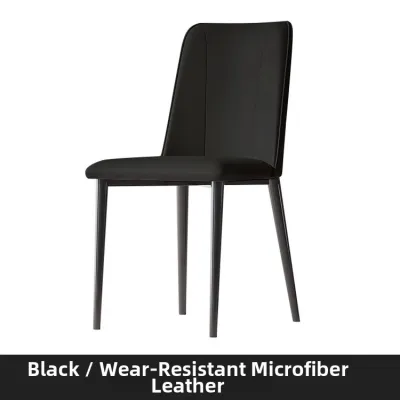
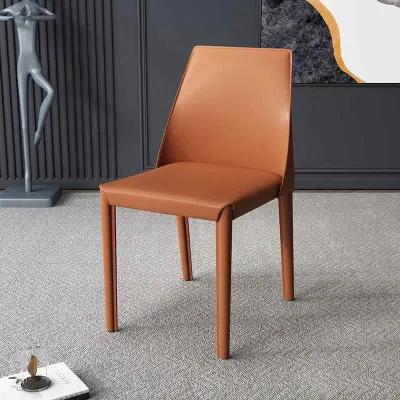
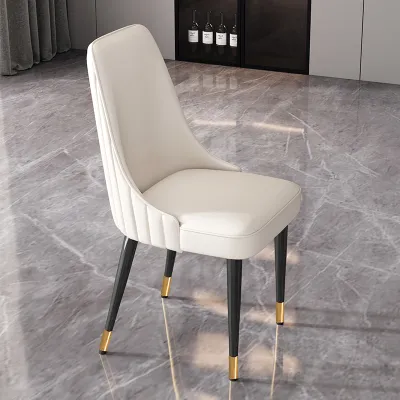
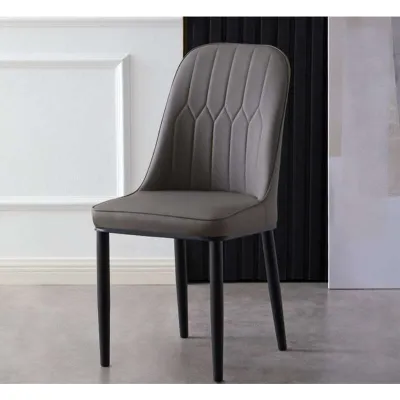
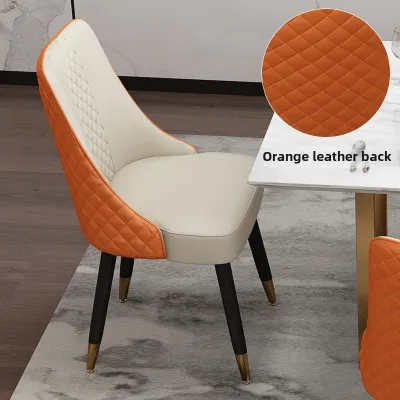
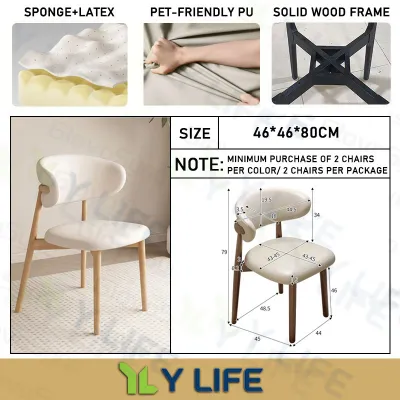
Prices are valid at publication and may change. Please refer to the product page for the latest price.
Verify Space and Proportions Before Choosing a Style
Before exploring specific design aesthetics, it is essential to verify that your preferred leather seat dining chairs will physically fit your dining area and allow for comfortable movement. In many urban homes, such as apartments and condominiums, dining spaces are carefully optimized, making precise measurements crucial to avoid overcrowding. A beautiful chair loses its appeal if it blocks walkways or prevents diners from sitting comfortably.
Begin by measuring the table height clearance. The distance between the top of the chair seat and the underside of the dining table apron should ideally be between 25 and 30 centimeters. This gap provides sufficient room for leg movement and ensures a comfortable dining posture for people of various heights. If you are considering chairs with armrests, measure the height of the arms to ensure they can slide completely under the table when the chairs are pushed in. This is a vital space-saving consideration for smaller dining rooms where keeping the floor area clear is a priority.
Next, calculate the necessary walkway clearance behind the chairs. To maintain a safe and comfortable traffic flow, allow at least 90 centimeters of open space behind each chair when it is pulled out from the table. If the dining area is located in a main thoroughfare or near a doorway, increasing this clearance to 120 centimeters will prevent bottlenecks and allow family members to walk past without disruption. Consider the swing radius of nearby doors, cabinets, or sideboard drawers to ensure the chairs do not obstruct their operation.
The visual weight and proportion of the chair silhouette must also align with the scale of your dining table and the overall room. A massive, high-backed leather armchair can easily overwhelm a delicate glass-topped table or a compact dining nook. Conversely, small, low-profile chairs might look lost next to a heavy, solid wood or marble dining table. Aim for a balanced composition where the scale of the chairs complements the thickness and material of the tabletop.
Finally, do not overlook the practicalities of delivery and installation. Measure the width and height of your home’s entryways, hallway corners, and lift doors to ensure the chairs can be safely transported into your dining room. If you live in a high-rise building, verifying these dimensions beforehand prevents the frustration of delivery complications and potential damage to your new furniture or common property.
Modern Minimalist: Clean Lines and Sleek Profiles
Modern minimalist design centers on the philosophy of simplicity, functionality, and the elimination of unnecessary clutter. In a minimalist dining space, every piece of furniture must serve a clear purpose while maintaining a clean, unobtrusive visual profile. Leather seat dining chairs designed for this aesthetic focus on pure geometric forms, precise craftsmanship, and a lack of decorative excess.

The design traits of minimalist leather chairs are characterized by straight lines, low-profile backrests, and highly streamlined silhouettes. Look for chairs with hidden or tonal stitching that does not draw attention to itself. The transition between the seat and the backrest should be seamless, creating a continuous, elegant curve or a sharp, clean angle. Armless designs are highly favored in minimalist spaces as they maintain a light, airy look and allow the chairs to be tucked neatly under the table, preserving clean sightlines throughout the room.
When it comes to leather and color choices, consistency is key. Opt for smooth, uniform leather finishes with a matte or semi-matte texture. Avoid distressed or heavily grained leathers, which can introduce unwanted visual noise. The color palette should remain strictly within neutral, monochromatic tones. Stark black, deep charcoal, cool grey, and pure white are classic minimalist choices that create a sophisticated, high-contrast look when paired with light-colored walls or concrete flooring. These colors allow the form of the chair to stand out as a sculptural element.
The base materials of minimalist chairs must complement the simplicity of the seat. Matte black metal, powder-coated steel, or slim, unembellished wooden legs in dark charcoal or black finishes are excellent choices. Cantilever frames made of tubular steel are also popular in minimalist design, offering a sleek, continuous metal line that provides both structural support and a subtle, comfortable bounce. Ensure that any metal joints are cleanly welded and finished to maintain the seamless appearance.
Scandinavian: Light Tones and Organic Shapes
Scandinavian design, originating from the Nordic countries, emphasizes warmth, simplicity, natural light, and ergonomic comfort. This style aims to create a cozy, inviting atmosphere that celebrates natural materials and functional beauty. A Scandinavian leather seat dining chair should feel approachable, comfortable, and deeply connected to organic forms.
The design traits of Scandinavian chairs focus on curved backrests, rounded edges, and ergonomic contours that naturally support the human body. Unlike the sharp angles of modern minimalism, Scandinavian design embraces soft, inviting shapes. Look for chairs with open backrests or spindle designs paired with a comfortable leather seat pad. This combination allows light to pass through the furniture, keeping the dining area feeling bright, spacious, and uncluttered.
Leather and color choices in Scandinavian design lean heavily toward warm, light, and natural tones. Cognac, warm tan, soft camel, sand, and pale grey are ideal selections. These lighter leather colors help maximize the reflection of natural light in the room, contributing to a bright and airy ambiance. Furthermore, high-quality natural leather in these shades will develop a beautiful, unique patina over time, adding warmth, character, and a sense of history to your dining space.
Wood is the defining base material for Scandinavian furniture. Look for chair frames and legs crafted from light-colored hardwoods such as solid oak, ash, beech, or walnut. The wood should feature a natural, matte finish that showcases the organic beauty of the grain. Tapered, rounded wooden legs and smooth, flowing joints reinforce the handcrafted, organic feel of the style, creating a harmonious connection between the leather seat and the natural world.
Industrial: Raw Textures and Structural Accents
Industrial design draws inspiration from converted warehouses, factories, and urban loft spaces. This aesthetic celebrates raw, unfinished materials, exposed structural elements, and a rugged, utilitarian charm. An industrial leather seat dining chair should look robust, hard-wearing, and full of character, making it a striking focal point in the dining room.
The design traits of industrial chairs emphasize structural honesty and functional simplicity. Look for chairs with visible hardware, such as exposed rivets, heavy-duty metal brackets, and bold weld joints. The silhouettes are often straightforward and utilitarian, prioritizing durability and strength over delicate ornamentation. Features like integrated metal armrests, ribbed stitching, or a slightly reclined backrest add to the relaxed, workshop-inspired vibe of the design.
For leather and color choices, texture is paramount. Distressed, pull-up, or heavily grained leathers with natural color variations and minor imperfections are perfect for the industrial look. These finishes not only look authentic but are also highly practical, as they easily hide minor scuffs and scratches from daily use. The color palette should lean toward dark, rich, and earthy tones. Deep chocolate brown, vintage black, weathered slate, and dark olive green are excellent choices that complement the raw materials of an industrial space.
The base materials of industrial chairs must match the ruggedness of the leather. Blackened steel, cast iron, or distressed iron frames provide the necessary structural strength and industrial character. Combining these heavy metal elements with reclaimed wood accents on the backrest or armrests can add warmth and depth to the design, preventing the space from feeling too cold or sterile.
Mid-Century Modern and Classic: Timeless Elegance
Mid-century modern and classic design styles offer a sense of timeless sophistication, retro flair, and refined craftsmanship. These aesthetics are ideal for homeowners who appreciate historical design movements and want to create an elegant, curated dining environment that feels both nostalgic and contemporary.
The design traits of mid-century modern chairs are characterized by splayed or tapered legs, organic curves, and iconic silhouettes. Look for designs that feature gently curved plywood shells upholstered in rich leather, or classic wishbone-style frames with integrated leather seat cushions. Classic or traditional styles, on the other hand, may incorporate more formal design elements. These can include tufted backrests, channel stitching, rolled edges, or decorative brass nailhead trim along the seams, adding a sense of luxury and grandeur to the dining room.
Leather and color choices for these styles should embrace rich, saturated tones that exude warmth and elegance. Classic chestnut, deep burgundy, forest green, warm amber, and mustard yellow leather can make a bold yet sophisticated statement. High-quality top-grain leather with a subtle sheen enhances the classic appeal of these designs, highlighting the craftsmanship of the upholstery and the depth of the color.
The base materials for mid-century and classic chairs often showcase premium timbers and metallic accents. Tapered wooden legs made of rich, medium-to-dark hardwoods like walnut, teak, or dark-stained oak are hallmarks of mid-century design. For a more classic or glamorous look, consider chairs with polished brass, brushed gold, or warm bronze metal accents on the leg tips or frame joints. These metallic details catch the light beautifully and add a touch of refined elegance to the dining set.
Evaluate Leather Types and Daily Care Requirements
While selecting a style that matches your aesthetic is exciting, the practical durability and maintenance of your leather dining chairs will determine your long-term satisfaction. This is especially important in warm, humid tropical climates, where moisture levels and daily use can affect organic materials. Understanding the specifications of your furniture ensures it remains beautiful and functional for years.
First, verify the exact leather type by checking the manufacturer’s labels and product specifications. Full-grain leather is the highest quality and most durable option, retaining the natural grain and developing a rich patina, but it requires regular conditioning. Top-grain leather is also highly durable and often features a protective top coat that increases stain resistance, making it an excellent choice for busy households. Bonded leather, which is made from compressed leather scraps, is less durable and may peel or crack over time under heavy use or high humidity. Faux leather options, such as high-quality polyurethane (PU), can offer an easy-to-clean, water-resistant alternative for households with young children, though they lack the breathability and longevity of genuine leather.
Next, review the care instructions and stain resistance guidelines provided by the manufacturer. Dining chairs are highly susceptible to food spills, grease, and liquid stains. Genuine leather generally requires periodic dusting with a dry microfiber cloth and a gentle wipe with a damp cloth for spills. Applying a specialized leather conditioner every six to twelve months helps maintain the leather’s flexibility and prevents it from drying out or cracking. In humid environments, ensure your dining area is well-ventilated to prevent mold growth on natural leather surfaces.
Finally, inspect the structural integrity and safety features of the chairs. Examine the joint construction of the frame; sturdy joinery, such as mortise-and-tenon joints or reinforced metal brackets, is essential for long-term stability. Verify the manufacturer’s specified weight capacity limits to ensure the chairs can safely accommodate all users. Additionally, check the bottom of the chair legs for high-quality floor protectors, such as felt pads or nylon glides. These protectors prevent the chairs from scratching your flooring—whether you have polished marble, vinyl, or solid timber—and ensure smooth, quiet movement when pulling the chairs out.
Frequently Asked Questions (FAQ)
Can I mix different leather chair styles around one dining table?
Yes, mixing different leather chair styles can create a dynamic, curated, and eclectic look, but it requires a unifying element to prevent the space from feeling chaotic. To achieve a cohesive design, ensure all the chairs share a consistent seat height (typically around 45 to 48 centimeters) so that everyone sits at the same level. You can unify different silhouettes by choosing a single leather color palette, matching the wood species of the legs, or repeating a specific metal finish, such as matte black, across all the different chair designs.
How do I protect light-colored leather seats from denim dye transfer?
Light-colored leather, such as cream, beige, or light grey, is susceptible to dye transfer from dark denim or new clothing. To protect your seats, check the manufacturer’s guidelines to see if a stain-resistant leather protector spray is recommended for your specific leather type. Establish a routine of gently wiping the seats with a damp cloth and a mild, pH-balanced leather cleaner. If dye transfer occurs, address it immediately using a specialized leather cleaner, as older stains become much harder to remove without damaging the leather’s finish.

Community discussion
Share your experience or ask a question. Comments are reviewed before publication.