
Selecting the right dining chairs for your Singapore home involves balancing aesthetic design styles with the practical realities of local living spaces, high humidity, and specific delivery constraints. Because the dining area often serves as the visual anchor of open-plan layouts in modern HDB flats and condominiums, your seating must offer both daily durability and spatial efficiency. The ideal dining chair is one that aligns with your interior design theme while providing the structural integrity and material resilience required for a tropical climate.
By focusing on how to evaluate furniture brands, understand material specifications, and perform precise spatial checks, you can make an informed purchase that elevates your home. Rather than relying on brand names alone, focusing on construction quality, customization options, and local service reliability ensures your dining chairs remain comfortable and stylish for years to come.
Translating Interior Styles into Dining Chair Features
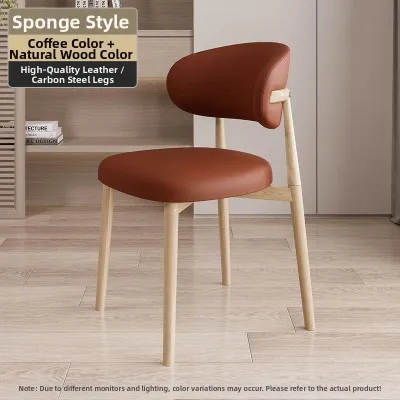
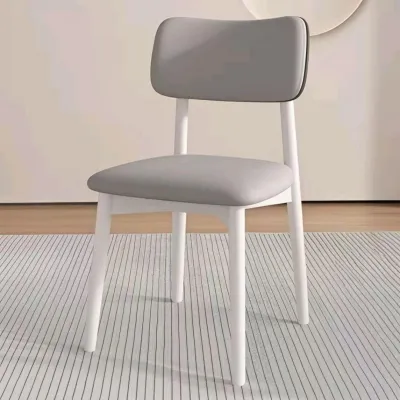
Scandinavian design remains a popular choice in local homes due to its ability to make compact spaces feel bright, airy, and uncluttered. When searching for dining chairs to fit this aesthetic, prioritize brands that showcase light-toned woods such as white oak, ash, and beech. The silhouettes should feature organic curves, tapered legs, and low-profile backrests that allow light to pass through the room. Look for upholstery options in neutral textile weaves, such as soft greys, muted beiges, or pastel tones, which add texture without overwhelming the visual space.
Products mentioned in this guide
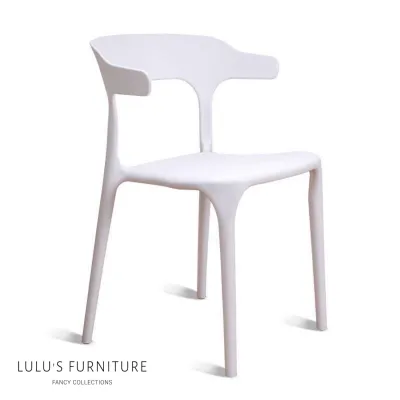
Prices are valid at publication and may change. Please refer to the product page for the latest price.
Pay close attention to the joinery and finish of these wooden chairs. Authentic Scandinavian-style designs often employ matte protective lacquers or water-based finishes that preserve the natural, raw look of the timber while protecting it from daily spills. Avoid heavy, dark glosses or overly ornate carvings, as these conflict with the clean, nature-inspired philosophy of Nordic interiors.
For those drawn to the raw, edgy appeal of industrial design, dining chairs must project a sense of utilitarian strength and structural honesty. This style thrives on mixed material profiles, combining metal frames with distressed leather, reclaimed timber, or raw concrete-look elements. When evaluating brands that specialize in industrial furniture, look for chairs featuring matte black steel, iron, or brass frames paired with deep brown, tan, or charcoal upholstery.
The construction details of industrial chairs are often left exposed as a design feature. Look for visible weld joints, rivets, and textured powder coatings that resist scratching. The silhouettes are typically angular and geometric, offering a striking contrast to soft home textiles. To ensure these chairs do not make your dining space feel cold or overly commercial, select designs that incorporate warm wood elements or soft, aged leather seats to balance the metallic frames.
Modern minimalist dining chairs focus on the beauty of pure form, clean geometric lines, and the elimination of unnecessary ornamentation. In minimalist spaces, every detail is magnified, meaning the quality of construction must be flawless. Look for brands that offer chairs with concealed joinery, seamless material transitions, and sleek, continuous frames—such as cantilevered metal bases or monolithic molded designs.
Upholstery in minimalist dining chairs should favor high-texture neutrals over bold patterns. Boucle, tightly woven linen blends, and matte microfibers in monochromatic shades of cream, charcoal, or soft taupe work exceptionally well. The goal is to select chairs that blend harmoniously into the architecture of the room, maintaining a clean visual plane that enhances the overall sense of calm and sophistication.
Criteria for Evaluating Furniture Brands in Singapore
While aesthetic alignment is crucial, evaluating a furniture brand’s local service capabilities and operational logistics is equally important for a seamless purchasing experience. In Singapore, where residential delivery involves navigating high-rise buildings, strict estate management rules, and specific lift dimensions, a brand’s delivery infrastructure can make or break your purchase. Begin by assessing showroom accessibility; physical testing is essential to verify seat depth, backrest support, and cushion firmness before committing to a set of chairs.

Lead times and delivery logistics require careful scrutiny, especially if you are coordinating a move into a newly renovated HDB flat or condominium. Some brands keep popular dining chair models in stock for immediate delivery, while others operate on a made-to-order basis with lead times ranging from six to twelve weeks. Ensure the brand provides clear delivery windows, professional assembly services, and a policy for navigating tight corridors or service lifts. It is also wise to check if they offer disposal services for your old furniture, which simplifies the transition.
Warranty terms offer a clear indication of a brand’s confidence in its product quality. When comparing brands, distinguish between structural frame warranties and upholstery coverage. A reputable brand will typically offer a multi-year warranty on the structural integrity of the chair frame—such as the solid wood joints or metal welds—while limiting upholstery coverage to one or two years against manufacturing defects. Be sure to read the fine print regarding what constitutes normal wear and tear versus a warrantable structural failure.
Finally, consider the availability of customization options. Brands that allow you to select your preferred wood stain, metal finish, or upholstery fabric provide immense value, enabling you to tailor the chairs to your exact color scheme and lifestyle needs. If you have young children or pets, look for brands that partner with high-performance fabric manufacturers to offer stain-resistant, easy-clean upholstery options that protect your investment from inevitable dining room mishaps.
Space Planning and Ergonomic Checks for Local Dining Areas
Before finalizing your dining chair purchase, conducting precise spatial and ergonomic measurements is vital to ensure comfort and functionality within your home’s layout. The first critical check is the vertical clearance between the chair and the dining table. Measure the distance from the top of the chair seat—or the highest point of the armrests if you choose armchair styles—to the underside of the table apron. You should maintain a clearance of at least 25 to 30 centimeters to allow comfortable leg movement and prevent the chairs from scraping against the table frame when tucked in.
Next, calculate the required floor footprint for pulling chairs out and sitting down comfortably. In compact dining nooks or open-plan living-dining areas, space is at a premium. You need to allocate at least 60 to 90 centimeters of clear floor space behind each dining chair. This clearance ensures that diners can push their chairs back and stand up easily without bumping into walls, sideboards, or blocking walkways for other household members.
Seat height and depth must also be calibrated against your dining table’s dimensions. Standard dining tables in Singapore typically stand between 74 and 76 centimeters high. To ensure an ergonomic seating position, look for dining chairs with a seat height of 43 to 48 centimeters. Additionally, check the seat depth; a depth of 40 to 45 centimeters is generally ideal, as it supports your thighs adequately without putting pressure on the sensitive area behind your knees.
Lastly, evaluate the weight and stackability of the chairs, particularly if your dining area serves multiple purposes throughout the day. Heavy, solid timber chairs offer excellent stability but can be difficult to move frequently. If you live in a smaller apartment where the dining table doubles as a workspace, or if you frequently host gatherings, lightweight or stackable dining chairs allow for flexible space management. Selecting a brand that offers elegant, stackable designs ensures you can store extra seating neatly when it is not required.
Material and Upholstery Selection for Tropical Climates
Singapore’s tropical climate, characterized by high humidity and consistent warmth, presents unique challenges for furniture preservation. Dining chairs are subjected to both environmental moisture and the daily wear of food and liquid spills, making material selection a critical factor in longevity. When choosing wooden dining chairs, verify that the brand uses kiln-dried timber. Kiln-drying reduces the internal moisture content of the wood, making it far less susceptible to warping, splitting, or swelling when exposed to local humidity.
The protective finish applied to the wood is just as important as the timber itself. Look for chairs treated with high-quality polyurethane sealants, water-resistant lacquers, or specialized wood oils. These finishes create a barrier that prevents moisture from penetrating the wood grain while making the surface easy to wipe clean after meals. Avoid untreated or poorly sealed wood, which can quickly absorb humidity and become a breeding ground for mold and mildew.
For upholstered dining chairs, pay close attention to fabric specifications, specifically the Martindale or Wyzenbeek rub count, which measures wear resistance. For daily dining use, look for fabrics with a rub count of at least 15,000 to 20,000 rubs, while households with high usage should aim for 30,000 rubs or more. Tight fabric weaves, such as flat-woven polyesters or synthetic blends, are highly recommended because they resist snagging and are easier to clean than loose, open weaves.
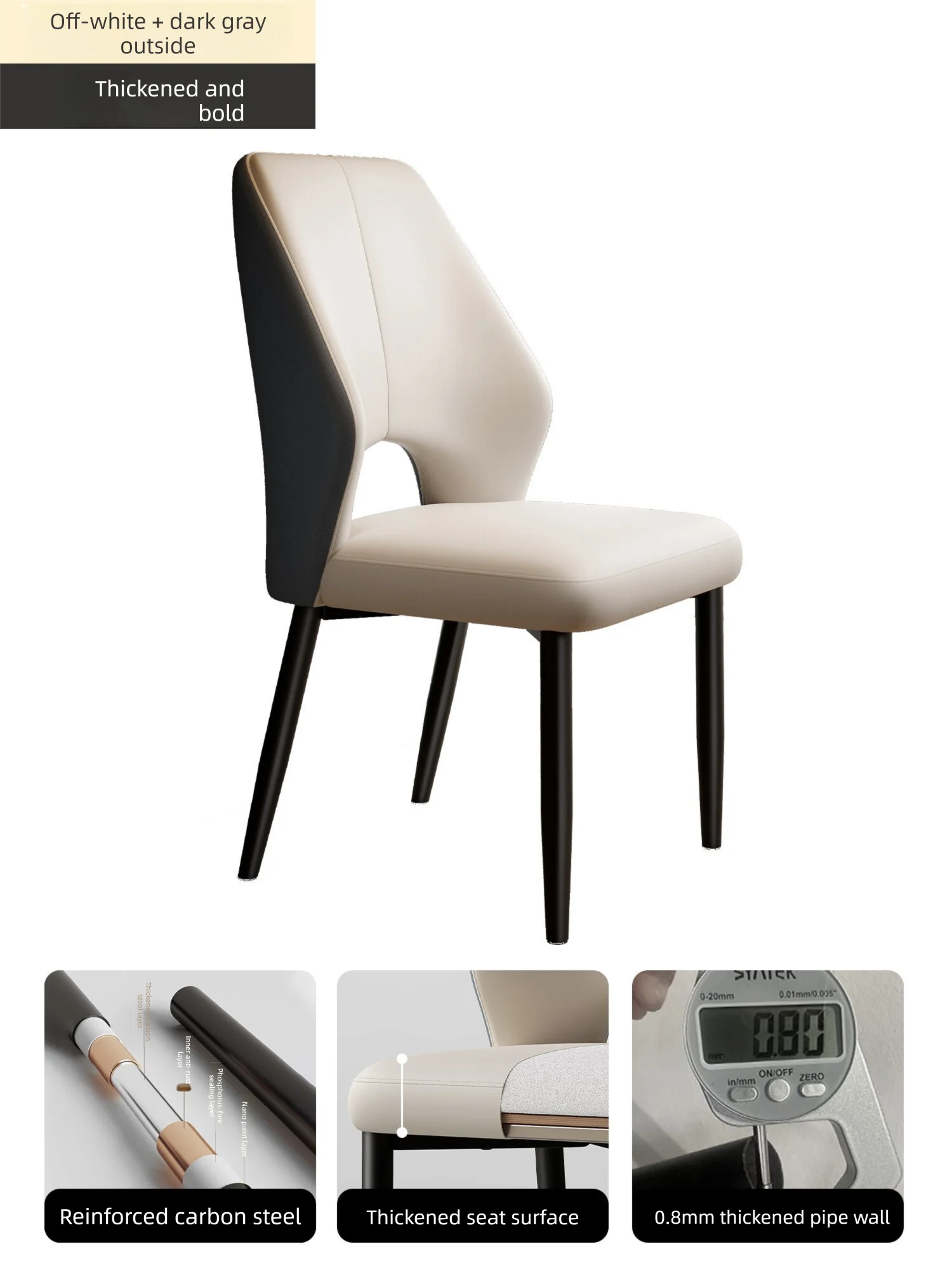
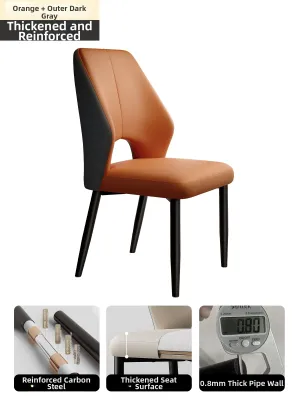
If you prefer metal-framed dining chairs, ensure the metal has been treated to prevent oxidation and rust. High-quality powder coating, chrome plating, or the use of stainless steel are excellent choices for humid environments. Untreated iron or low-grade steel frames can quickly develop rust spots, especially in homes that rely on natural ventilation rather than continuous air conditioning. Check that the brand’s specifications explicitly mention rust-resistant coatings or treatments.
Finally, review the manufacturer’s care instructions for synthetic and genuine leather options. While synthetic leather is highly stain-resistant and easy to clean, low-quality synthetics can crack and peel rapidly in hot, humid conditions. Genuine leather is highly durable but requires regular conditioning to prevent drying out, along with good room ventilation to prevent mold. Understanding these maintenance requirements before purchasing will help you choose the material best suited to your home’s microclimate.
Frequently Asked Questions (FAQ)
How many dining chairs should I buy for a standard four-seater table?
For a standard rectangular four-seater dining table, which typically measures between 120 and 140 centimeters in length, purchasing four matching dining chairs is the traditional approach. However, if your dining area is narrow or positioned against a wall, you can optimize your floor space by pairing two dining chairs on one side with a matching dining bench on the other. Benches can be slid completely under the table when not in use, keeping walkways clear and creating a more open feel in compact layouts.
Can I mix and match different chair styles at the same dining table?
Yes, mixing and matching dining chairs is an excellent way to inject personality and create an eclectic, curated look. To ensure the arrangement feels intentional rather than chaotic, maintain at least one unifying element across all chairs. This could be a shared seat height, a consistent wood species, or a single color palette. A popular approach is to use simple, matching side chairs along the lengths of the table and place two distinct, more expressive armchairs at the head and foot of the table to serve as visual anchors.

Community discussion
Share your experience or ask a question. Comments are reviewed before publication.