
Finding the right designer coffee table in Singapore involves aligning your personal aesthetic with authentic design houses that offer both visual harmony and practical durability. Because Singaporean living spaces—ranging from cozy apartments to spacious landed properties—require careful spatial planning, selecting a designer piece is not merely about brand prestige. It is about understanding how specific design philosophies, material choices, and structural dimensions interact with your existing layout and the local tropical climate. By focusing on established design principles and verifying local retail channels, you can secure a centerpiece that elevates your living room while standing up to daily use. A well-chosen coffee table serves as the visual anchor of your seating area, tying together your sofa, armchairs, and rug into a cohesive design statement.
Defining Your Space and Aesthetic Baseline
Before exploring specific designer brands, you must establish the physical and visual parameters of your living room. Start by measuring the available floor space around your seating area. A well-proportioned coffee table should typically measure between one-half and two-thirds the length of your sofa. This ratio ensures the table remains a functional centerpiece without visually overpowering the seating arrangement or making the room feel cramped.
Traffic flow is another critical spatial factor to consider. Maintain a clearance of 30 to 45 centimeters between the edge of the coffee table and the sofa. This distance provides comfortable legroom while keeping drinks and books within easy reach. Additionally, ensure there is at least 75 centimeters of space between the table and adjacent furniture, such as TV consoles or armchairs, to allow unobstructed passage through the room.
Products mentioned in this guide
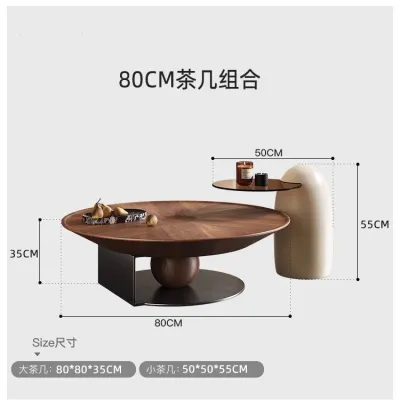
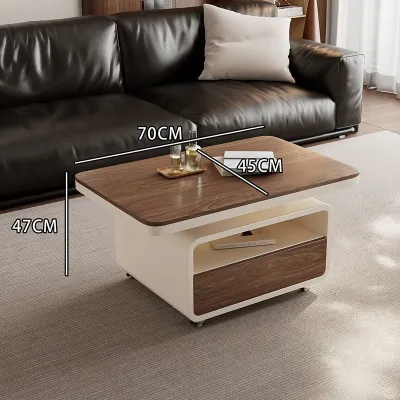

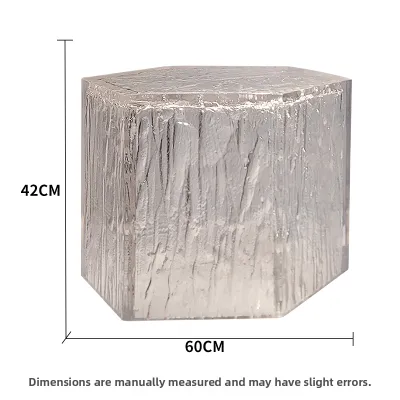
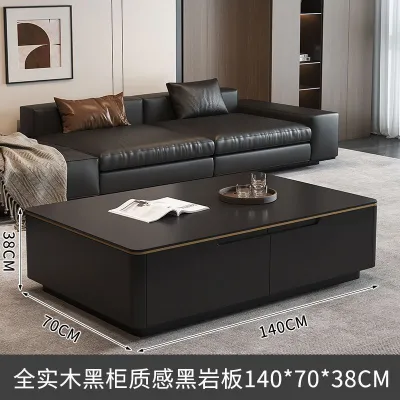
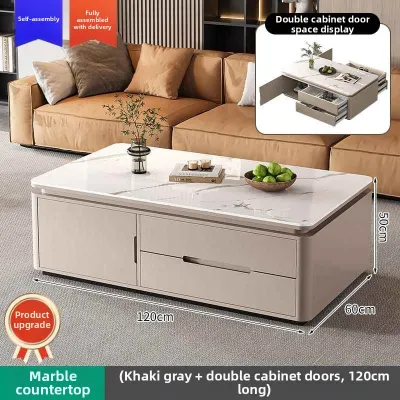
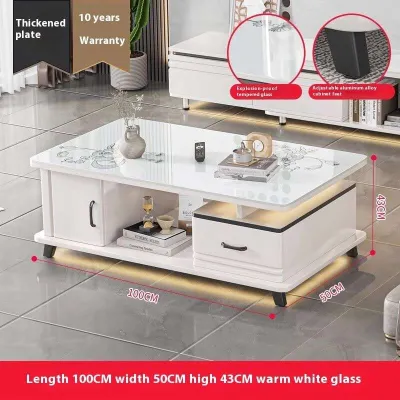
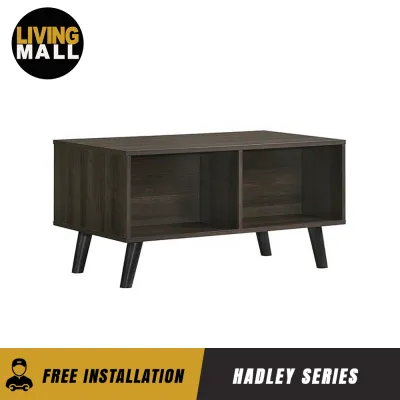
Prices are valid at publication and may change. Please refer to the product page for the latest price.
The height of your coffee table directly influences both comfort and visual balance. For optimal ergonomics, select a table that sits at the same height as your sofa’s seat cushions, or up to 5 centimeters lower. A table that is too high disrupts the sightline of the room, while one that is too low can be uncomfortable to reach from a seated position.
Next, identify the dominant design elements already present in your home. Take note of the materials, colors, and textures of your flooring, walls, and larger furniture pieces. If your living room features warm teak flooring, you might look for brands that offer complementary wood tones or contrasting metal frames. Establishing this aesthetic baseline prevents impulsive purchases that might clash with your existing decor.
Finally, define a realistic budget range in S$ before visiting local showrooms. Authentic designer coffee tables in Singapore generally range from S$800 for simpler, minimalist designs to over S$5,000 for intricate, imported statement pieces. Remember to account for potential additional costs such as local delivery fees, assembly charges, or custom-order shipping premiums for items sourced directly from overseas manufacturers.
Evaluating Minimalist and Contemporary Designer Brands
Minimalist and contemporary designer brands focus on the philosophy of subtraction, where every line and joint must serve a clear purpose. When evaluating these brands, look closely at the construction details. High-quality minimalist pieces often feature concealed joinery, seamless welds, and hidden hardware that preserve clean, uninterrupted silhouettes.

Material innovation is a hallmark of contemporary design houses. Instead of traditional timber, these brands frequently utilize advanced composites, polished concrete, tempered glass, and powder-coated metals. These materials allow designers to create incredibly thin profiles and cantilevered structures that remain exceptionally stable and durable.
Color palettes in this category tend to be monochromatic or highly restrained. You will find a strong emphasis on matte black, brushed steel, muted greys, and stark whites. This neutral approach allows the form of the coffee table to stand out as a sculptural element within your living room rather than relying on bright colors to attract attention.
Functional minimalism is another key feature to seek out during your search. Many contemporary brands design tables with integrated, hidden storage compartments or modular nesting capabilities. These features allow you to maintain a clutter-free environment by tucking away remote controls and magazines, or expanding the surface area only when hosting guests.
Selecting Brands for Scandinavian and Japandi Aesthetics
Scandinavian and Japandi styles share a deep appreciation for nature, simplicity, and craftsmanship. When searching for brands that align with these aesthetics, prioritize those that emphasize natural, sustainably sourced hardwoods. Look for timbers like oak, ash, walnut, and beech, which bring warmth and organic texture into the home.
Examine the finish applied to the wood surfaces. Authentic Nordic and Japandi brands avoid heavy, high-gloss polyurethane coatings that mask the natural feel of the timber. Instead, they utilize matte, water-based lacquers, oils, or waxes that protect the wood while allowing the natural grain pattern and tactile quality to remain prominent.
The shapes associated with these styles are characterized by softened geometry and organic curves. Rounded rectangular tops, circular nesting tables, and tapered legs help soften the rigid lines common in modern apartment architecture. These gentle forms contribute to a relaxed, inviting atmosphere that encourages comfort.
Low-profile silhouettes are also highly characteristic of Japandi design, which draws heavily on the Japanese tradition of low-to-the-ground living. Selecting a low-slung coffee table can make your living room feel more spacious and grounded. This approach is particularly beneficial in apartments with standard ceiling heights, as it maximizes the vertical visual space.
Sourcing Industrial and Raw Material Designer Pieces
Industrial designer brands celebrate the beauty of raw, utilitarian materials and structural honesty. When evaluating these collections, look for authentic combinations of heavy-duty elements such as distressed leather, raw steel, cast iron, brass, and reclaimed timber. The contrast between cold metal and warm wood creates a dynamic visual focal point.
Pay close attention to the structural details of industrial pieces. Features like exposed bolts, visible rivets, and hand-welded joints should be deliberate, refined design choices rather than signs of hasty manufacturing. High-end industrial brands ensure these rugged elements are smooth to the touch and structurally sound, preventing snags on clothing or rugs.
The visual weight of industrial furniture requires careful spatial consideration. Solid wood slabs and thick steel frames can easily dominate a small or poorly lit living room. If your space is limited, look for industrial brands that offer open-frame designs, wire mesh shelving, or glass tops paired with metal bases to maintain a sense of openness.
Additionally, consider how the raw materials will interact with your room’s lighting. Matte black steel and dark reclaimed wood absorb light, which can make a dim room feel smaller. Balancing these heavy pieces with lighter rugs, soft ambient lighting, and indoor greenery can help integrate an industrial coffee table seamlessly into your home.
Verifying Brand Authenticity and Local Availability
Sourcing authentic designer furniture in Singapore requires careful verification to ensure you are investing in genuine craftsmanship rather than high-quality replicas. Start by cross-referencing the brand’s official global website for a list of authorized local showrooms, regional distributors, or verified multi-brand design galleries. Purchasing through these official channels guarantees product authenticity and access to genuine manufacturer support.
Warranty terms are a critical factor when buying imported designer furniture. Singapore’s tropical climate, characterized by high humidity and consistent warmth, can place unique stress on materials. Verify that the manufacturer’s warranty covers structural integrity, joint separation, and material defects under local environmental conditions, particularly for solid wood pieces.
Inquire about the specific logistics associated with your purchase. Because many designer pieces are made to order or imported from Europe, North America, or Japan, lead times can range from eight weeks to six months. Ensure the retailer provides a clear delivery timeline and updates you on shipping progress to avoid unexpected delays during home renovations.
Furthermore, clarify the delivery and installation services offered by the showroom. High-value designer coffee tables often require specialized handling due to their weight or delicate materials like marble and glass. Opt for retailers that provide comprehensive white-glove delivery, which includes transport, professional assembly, precise placement in your home, and the removal of all packaging materials.
Practical Fit and Pre-Purchase Checks
Before finalizing your purchase, perform a series of practical checks to ensure the coffee table fits your daily lifestyle and physical space. Begin by verifying the table’s height against your primary sofa. If you plan to use the table for casual dining, working on a laptop, or playing board games, ensure the height allows for comfortable forward leaning without straining your back.
Next, confirm the delivery logistics within your residential building. Measure the dimensions of your building’s elevators, stairwells, corridors, and front doorway to ensure the packaged table can pass through safely. Many designer tables are shipped fully assembled in large wooden crates, and failing to check these clearance paths beforehand can result in costly delivery failures or damage to the piece.
Assess the maintenance requirements of the table’s materials based on your household habits. If you have young children or pets, delicate surfaces like unsealed travertine, polished glass, or soft lacquered woods may require excessive upkeep. In such cases, opt for rounded designs made from durable materials like tempered glass, sealed hardwoods, or powder-coated metals that resist scratches and spills.
Finally, consider the stability and weight of the coffee table. A stable table is essential if you have toddlers who might pull themselves up on the edges, or pets that run through the living area. Heavier solid wood, stone, or metal tables offer excellent stability and are highly resistant to tipping, ensuring a safe environment for everyone in your home.
Frequently Asked Questions (FAQ)
How can I verify if a designer coffee table is an original or a replica?
To verify the authenticity of a designer coffee table, inspect the piece for official manufacturer markings. Genuine designer furniture often features embossed signatures, branded metal plates, serial numbers, or certificates of authenticity included in the packaging. Additionally, research the retail price; if a deal seems exceptionally low compared to the brand’s global pricing, it is likely a replica. The most reliable way to ensure originality is to purchase exclusively from authorized local distributors or official brand showrooms listed on the manufacturer’s website.
Do designer wood coffee tables require special care in Singapore's humid climate?
Yes, solid wood designer coffee tables require specific care to withstand Singapore’s tropical climate. High humidity can cause wood to expand, while constant air-conditioning can dry it out, potentially leading to warping or hairline cracks over time. To protect your investment, place the table away from direct air-conditioning vents and intense sunlight. Always use coasters under hot or cold drinks to prevent water rings, wipe up spills immediately with a dry cloth, and avoid using harsh chemical cleaners that can strip away the protective matte finish.

Community discussion
Share your experience or ask a question. Comments are reviewed before publication.