
Selecting the right chair leg socks for your Singapore home depends entirely on matching the protector’s material to your specific flooring type. In HDB flats and condominiums, where ceramic tiles, luxury vinyl tiles (LVT) or stone plastic composite (SPC) vinyl, and natural parquet are standard, using the wrong protector can lead to permanent floor damage. For instance, heavy silicone caps can trap moisture and ruin parquet, while thin fabric socks might wear down quickly on textured ceramic tiles, leaving your floors vulnerable to deep scratches. To keep your home looking pristine, you must evaluate the friction, moisture resistance, and fit of your chair leg protectors against the unique vulnerabilities of your floor.
Identifying Your Floor Type and Its Vulnerabilities
Before purchasing any chair leg socks, you must accurately identify your flooring material, as each reacts differently to pressure and friction. Ceramic and porcelain tiles are highly durable but feature grout lines that can snag loose protectors. If you run your hand across the floor and feel cold, hard, slightly textured surfaces with distinct recessed joints, you are dealing with tiles. The primary risk here is not the tile cracking under a chair, but rather fine grit and dust trapping beneath the chair leg, which acts like sandpaper when dragged across the surface, gradually dulling the glaze.
Vinyl flooring, including luxury vinyl tiles (LVT) and stone plastic composite (SPC) planks, feels slightly warmer and softer underfoot. It often mimics wood grain or stone textures. While highly water-resistant, vinyl is susceptible to pressure denting and chemical discoloration. Heavy dining chairs can leave permanent indentations if the weight is concentrated on a narrow, unprotected chair leg. Furthermore, certain rubberized materials can chemically react with the vinyl’s wear layer, causing stubborn yellow or dark stains that cannot be washed away.
Products mentioned in this guide
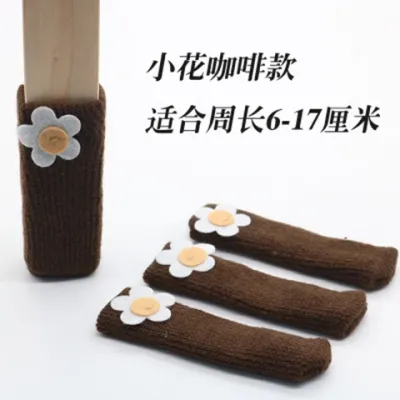
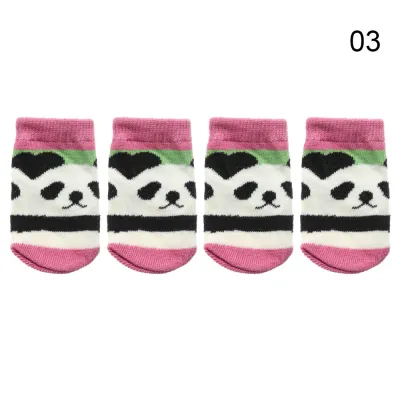
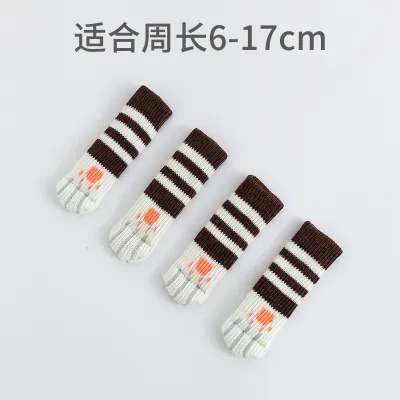
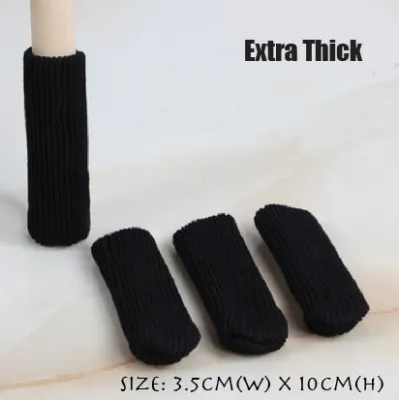
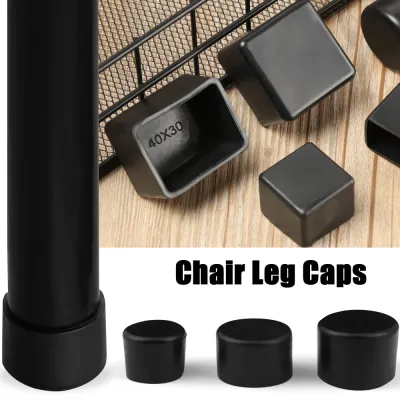
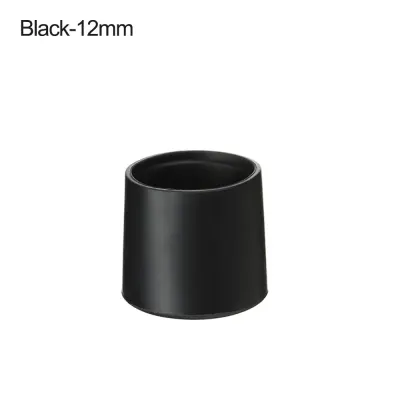
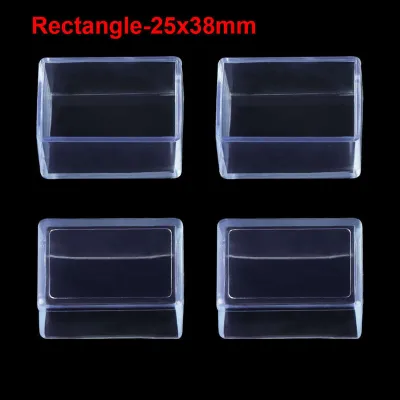
Prices are valid at publication and may change. Please refer to the product page for the latest price.
Parquet and engineered wood floors are the most sensitive surfaces found in Singapore homes. You can identify them by their natural wood grain variations, warmth, and characteristic sound when tapped. Wood is highly vulnerable to surface scratching, water damage, and denting. Even minor sliding of unprotected wooden or metal chair legs can strip the protective polyurethane sealant, exposing the raw wood underneath to moisture and dirt. Always check your flooring manufacturer’s care guidelines, as many explicitly warn against using hard plastic glides or certain adhesive pads, recommending soft, breathable fabric or felt alternatives instead.
Matching Sock Materials to Specific Floor Surfaces
Once you have identified your flooring, you can select a compatible chair leg sock material. Felt-bottomed fabric socks are highly suitable for hard, smooth surfaces like ceramic tiles and sealed parquet. The soft felt fibers allow chairs to glide effortlessly across the floor, minimizing noise and preventing scratches. When shopping on online marketplaces or at local hardware stores, check the product packaging to verify if the felt is thick and securely stitched or bonded to the fabric sleeve, as low-quality adhesives can fail quickly under daily use.

Silicone and rubber caps with integrated felt bases offer a snug fit, but you must exercise caution when using them on vinyl or light-colored tiles. Pure silicone or rubber sleeves without a felt bottom can grip the floor too tightly, preventing the chair from sliding smoothly. This excessive grip forces the user to drag or lift the chair awkwardly, which can strain the chair joints or cause the protector to tear. Additionally, you must verify that the silicone is medical-grade or food-grade and free from cheap plasticizers that might leach out and discolor light-colored vinyl or natural stone floors.
Always read the product specifications for weight-capacity limits and floor-compatibility claims. A sock designed for a lightweight study chair may quickly compress and fail when used on a heavy solid-wood dining chair. Look for manufacturers that clearly state their products are safe for hardwood or vinyl surfaces, and avoid generic, unbranded options that do not list their material composition.
Adjusting for High-Moisture and High-Traffic Zones
Singapore’s tropical climate and high humidity levels require special consideration, particularly in high-moisture zones like kitchens and dining areas adjacent to balconies. If you use fabric or felt chair leg socks in the kitchen, they can easily absorb spilled water, liquid soap, or cooking oils. Trapped moisture inside a fabric sock creates a breeding ground for mold and bacteria, which can rot natural parquet floors or cause unpleasant odors on tiled surfaces.
To prevent mold or trapped condensation under non-breathable silicone caps on parquet floors, ensure the chair legs and floors are completely dry before installation. If a spill occurs, remove the socks immediately, wash or dry them thoroughly, and wipe down the chair legs. In high-traffic dining areas, adjust your inspection frequency; check the underside of the chair legs weekly to ensure no moisture or grit has accumulated beneath the protectors.
Sizing, Installation, and Ongoing Maintenance
Achieving a proper fit is critical to ensuring your chair leg socks perform effectively. Begin by measuring the dimensions of your chair legs using a soft measuring tape or a caliper. Measure the diameter for round legs, or the width of each side for square legs. If your chairs have tapered or irregular legs, measure both the widest point near the base and the narrowest point slightly higher up. Selecting a sock that is too small will cause the material to overstretch and tear, while a sock that is too large will slide off or bunch up under the leg.
During installation, perform a thorough check to ensure the sock sits completely flush against the bottom of the chair leg. If your chairs have pre-installed plastic glides or internal metal pins, verify that these are either removed or fully covered by the sock. An unevenly installed sock can expose these hard edges, leading to deep, concentrated scratches on your parquet or vinyl floors when weight is applied.
Establish a regular maintenance routine to inspect your floor protectors. Over time, felt bottoms will thin out and compress, losing their cushioning properties. Fabric can tear, and silicone can harden or split. Create a simple checklist to inspect the socks every few months: check for thinning felt, torn fabric, or hardened silicone. Additionally, clean the bottom of the socks regularly; vacuuming or brushing the felt bottoms removes trapped grit and pet hair that would otherwise act like sandpaper on your delicate floors.
Troubleshooting Common Floor Protection Issues
Even with careful selection, you may encounter issues with your chair leg socks over time. If you notice black scuff marks or sticky chemical residue left by rubber or silicone caps on your tiles or vinyl, stop using them immediately. Clean the residue using a mild, floor-safe cleaner recommended by your flooring manufacturer, and switch to a high-quality fabric sock with a non-reactive felt base.
If your chair leg socks constantly slip off, twist, or bunch up during chair movement, the issue is likely an incorrect size or a lack of internal grip. Look for socks that feature internal silicone grip strips or elastic bands designed to hold the sleeve securely against the chair leg. Alternatively, if your chair legs are highly tapered, a wrap-around felt pad with a hook-and-loop strap may provide a more secure fit than a standard slip-on sock.
If problems persist or if you are unsure about the compatibility of a specific protector with your premium flooring, stop using the product. Consult your flooring manufacturer or a qualified flooring installation professional to obtain alternative protector recommendations that preserve your floor’s warranty.
Frequently Asked Questions (FAQ)
Can I use the same chair leg socks for indoor and outdoor furniture?
No, indoor chair leg socks are generally unsuitable for outdoor environments like balconies or patios. Outdoor protectors require specialized materials with UV resistance to prevent degradation from the sun, as well as excellent water drainage properties to prevent mold growth. Standard indoor fabric or felt socks will quickly rot, trap dirt, and disintegrate when exposed to rain and outdoor humidity.
Do chair leg socks work on chairs with casters or wheels?
No, chair leg socks are designed specifically for stationary legs and are entirely unsuitable for chairs with casters or wheels. Attempting to fit socks over wheels will prevent them from rolling, causing flat spots on the wheels and potential damage to your floor. Instead, check for specialized caster cups, replacement polyurethane wheels designed for hard floors, or a dedicated chair mat to protect your flooring.
How often should I inspect and replace felt or fabric chair leg socks?
Rather than following a strict calendar timeline, adopt a condition-based approach to replacement. Inspect your chair leg socks every three to six months, or immediately if you hear a scraping sound when moving chairs. Look for visual signs of wear, such as heavily compressed felt, torn fabric, or embedded debris like sand and pet hair. If the felt feels hard and packed with dirt, or if the fabric has thinned to the point of exposing the chair leg, replace them immediately to prevent floor damage.

Community discussion
Share your experience or ask a question. Comments are reviewed before publication.